Cómo limpiar placas solares sin dañarlas: guía práctica paso a paso
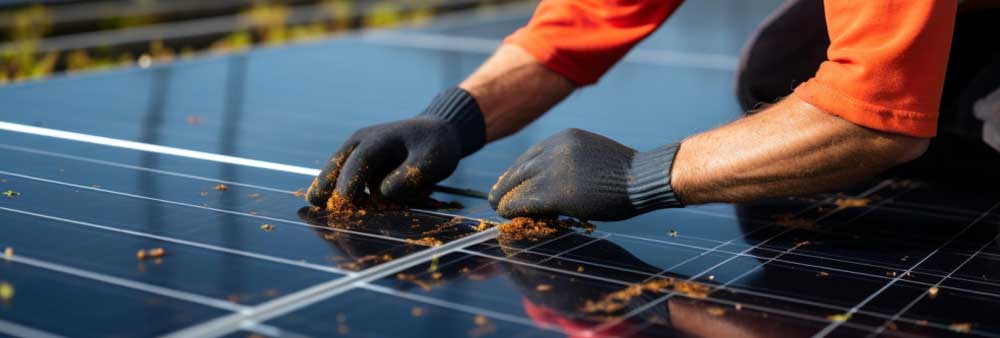
Mantener limpias las placas solares es una de las formas más sencillas de cuidar una instalación fotovoltaica y ayudar a que rinda mejor. Aunque muchas veces la lluvia arrastra parte de la suciedad, no siempre es suficiente para eliminar polvo, polen, hojas, restos de contaminación o excrementos de aves. Cuando esa capa se acumula, la eficiencia del sistema puede bajar de forma notable.
En mi experiencia, una placa solar sucia no es solo un detalle estético. Puede hacer que el sistema produzca menos de lo que debería, y por eso conviene incluir la limpieza dentro del mantenimiento básico. Esto es especialmente importante si la instalación forma parte de un Generador Solar, donde cada componente cuenta para que el conjunto funcione bien.
La buena noticia es que limpiar placas solares no tiene por qué ser complicado. La clave está en hacerlo con cuidado, en el momento adecuado y usando materiales que no dañen la superficie.
Por qué es importante saber como limpiar las placas solares
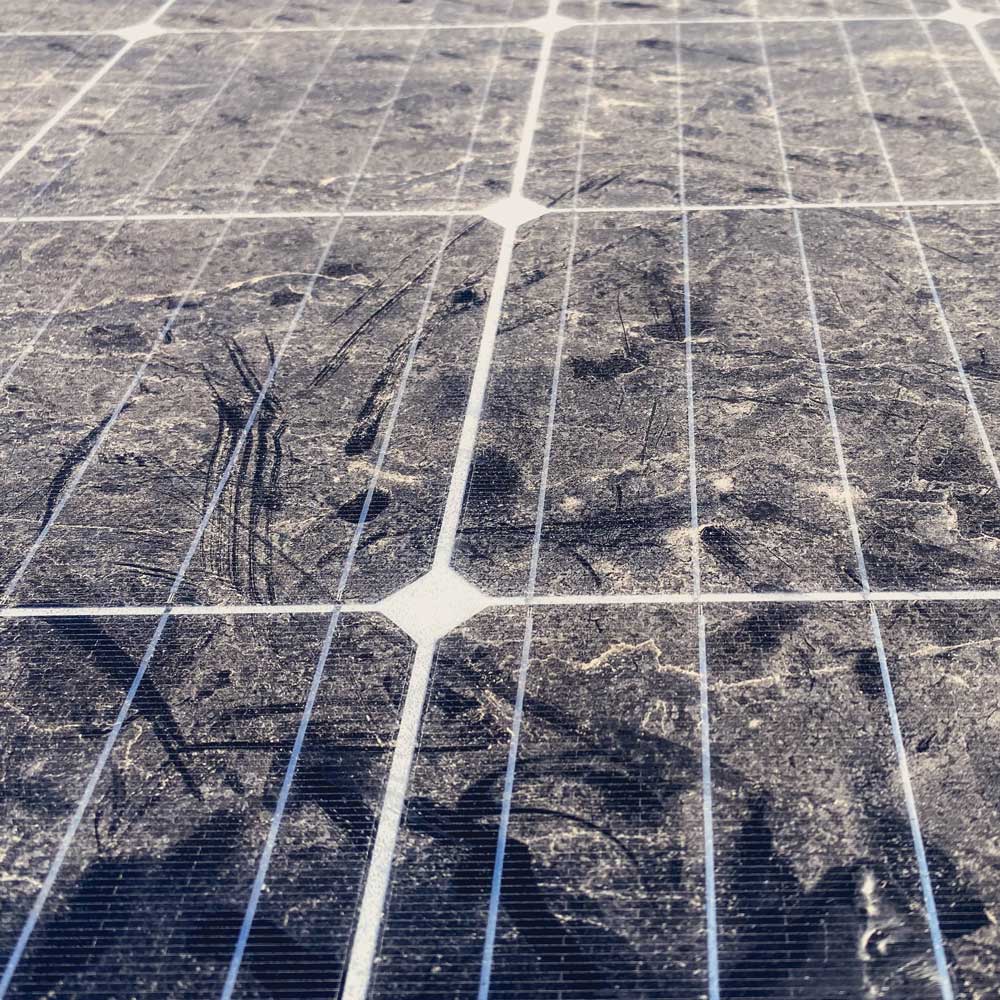
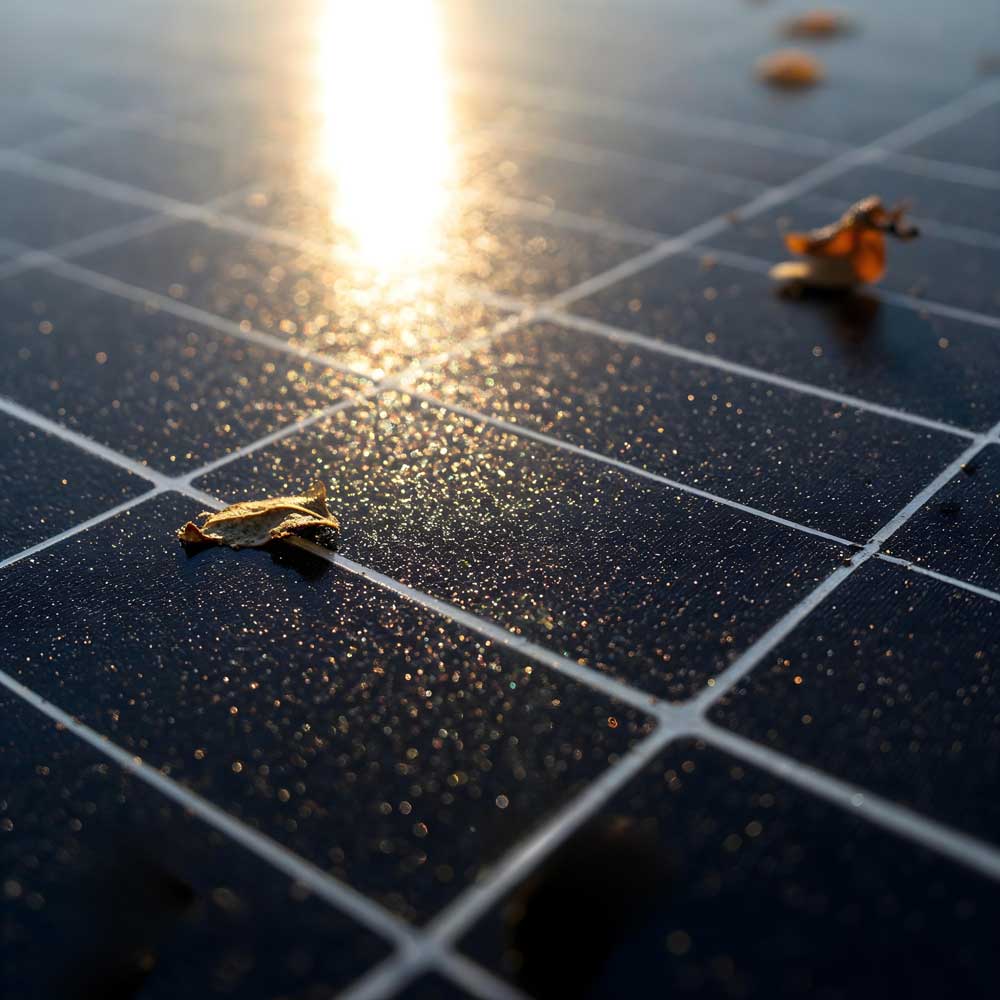
Las placas solares necesitan recibir la mayor cantidad posible de radiación para trabajar bien. Si la superficie está cubierta de suciedad, parte de esa luz no llega con la misma intensidad al panel, y eso puede traducirse en una bajada de producción.
En condiciones normales, una ligera capa de polvo puede no parecer grave, pero cuando pasan semanas o meses sin revisión, la suciedad empieza a acumularse. Ahí es cuando una limpieza sencilla marca la diferencia. En mi caso, una de las ideas más claras es esta: limpiar las placas mejora la eficiencia, y descuidarlas durante demasiado tiempo puede acabar penalizando el rendimiento de toda la instalación.
Además, cuando hablamos de sistemas más completos, como sistemas escalables, mantener los paneles en buen estado cobra todavía más importancia, porque el rendimiento global depende de que todo el sistema trabaje de forma equilibrada.
Cada cuánto hay que limpiar una placa solar
No existe una frecuencia universal que sirva para todas las instalaciones, porque depende mucho del entorno. No es lo mismo una vivienda en una zona urbana con poca suciedad que una casa en un entorno rural, cerca de caminos con polvo, árboles o aves.
Como norma práctica, una limpieza 1 o 2 veces al año suele ser suficiente en condiciones normales. Ahora bien, si vives en una zona polvorienta o donde la suciedad se acumula rápido, puede tener sentido revisar las placas cada 3 o 4 meses.
La idea no es como limpiar una placa solar por rutina sin mirar el estado real de los paneles, sino revisarlos de vez en cuando y actuar cuando notes una acumulación visible. Esa combinación entre observación y mantenimiento preventivo suele funcionar mejor que esperar demasiado.
Cómo limpiar una placa solar y Cuál es el mejor momento
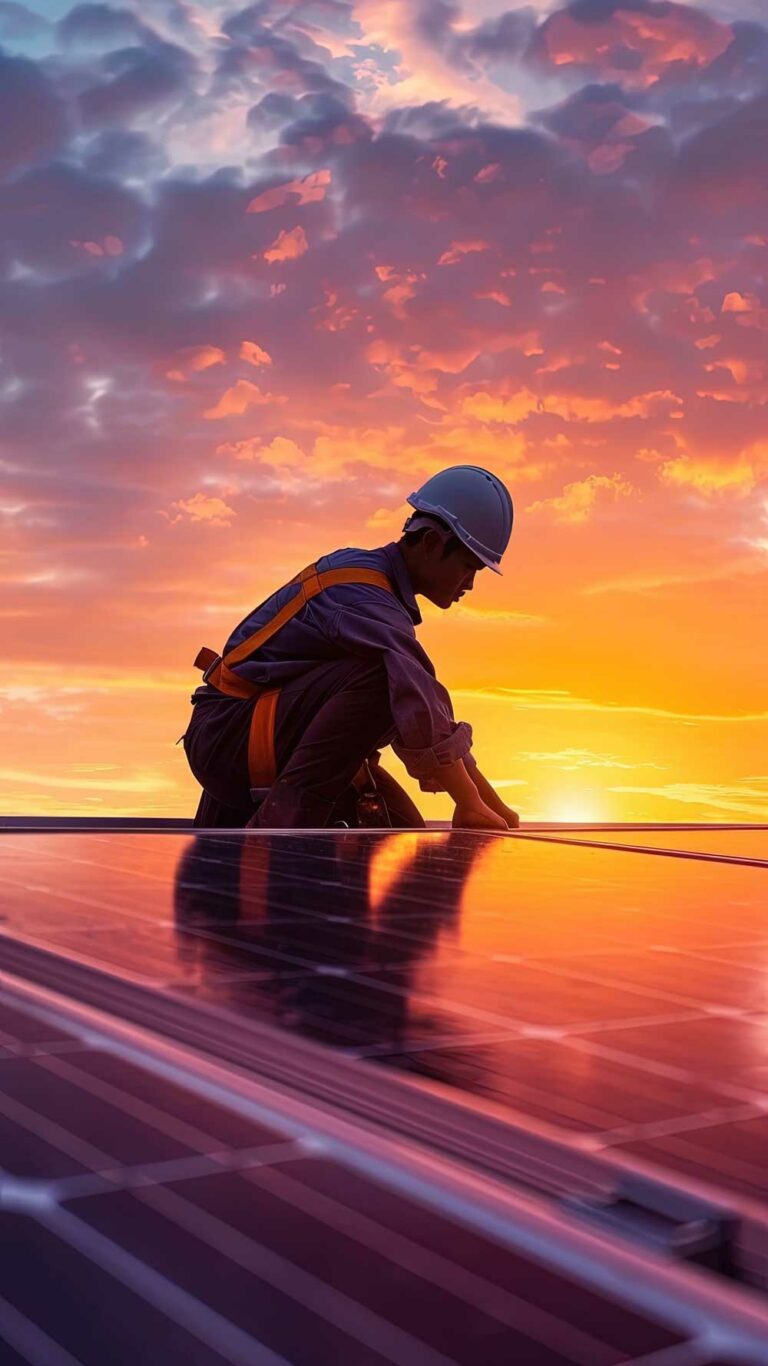
Uno de los errores más comunes es limpiar los paneles a pleno sol, cuando están muy calientes. Eso no solo hace el trabajo más incómodo, también puede generar contrastes térmicos poco recomendables si se aplica agua sobre una superficie recalentada.
Lo más aconsejable es hacer la limpieza:
- a primera hora de la mañana,
- o al atardecer.
Justo ese punto coincide con la experiencia más práctica: cuando el panel está más frío, la limpieza es más segura, más cómoda y más fácil de controlar. Si tuviera que quedarme con una sola recomendación clave, sería esta: nunca limpies las placas cuando estén calientes por el sol directo.
Qué necesitas para limpiar placas solares de forma segura
La limpieza no requiere productos complicados. De hecho, cuanto más simple sea el método, mejor. Lo más práctico suele ser usar:
- agua,
- jabón neutro,
- una bayeta de microfibra,
- o un cepillo muy suave.
En mi experiencia, no hace falta inventar nada raro: agua, jabón neutro y microfibra suelen ser más que suficientes para una limpieza doméstica normal.
Este enfoque encaja muy bien en instalaciones de autoconsumo y también en soluciones del ecosistema del Generador solar portátil, donde el mantenimiento básico del sistema ayuda a conservar un buen rendimiento diario.
Qué productos debes evitar
Aquí conviene ser muy claro sobre como limpiar panel solar. No deberías usar:
- productos abrasivos,
- estropajos duros,
- herramientas metálicas,
- detergentes agresivos,
- agua a presión alta.
Todo lo que pueda rayar el vidrio o dejar residuos innecesarios es mejor descartarlo. La limpieza tiene que eliminar suciedad, no deteriorar la superficie del panel.
Cómo se limpian las placas solares paso a paso
1. Revisa la seguridad antes de empezar
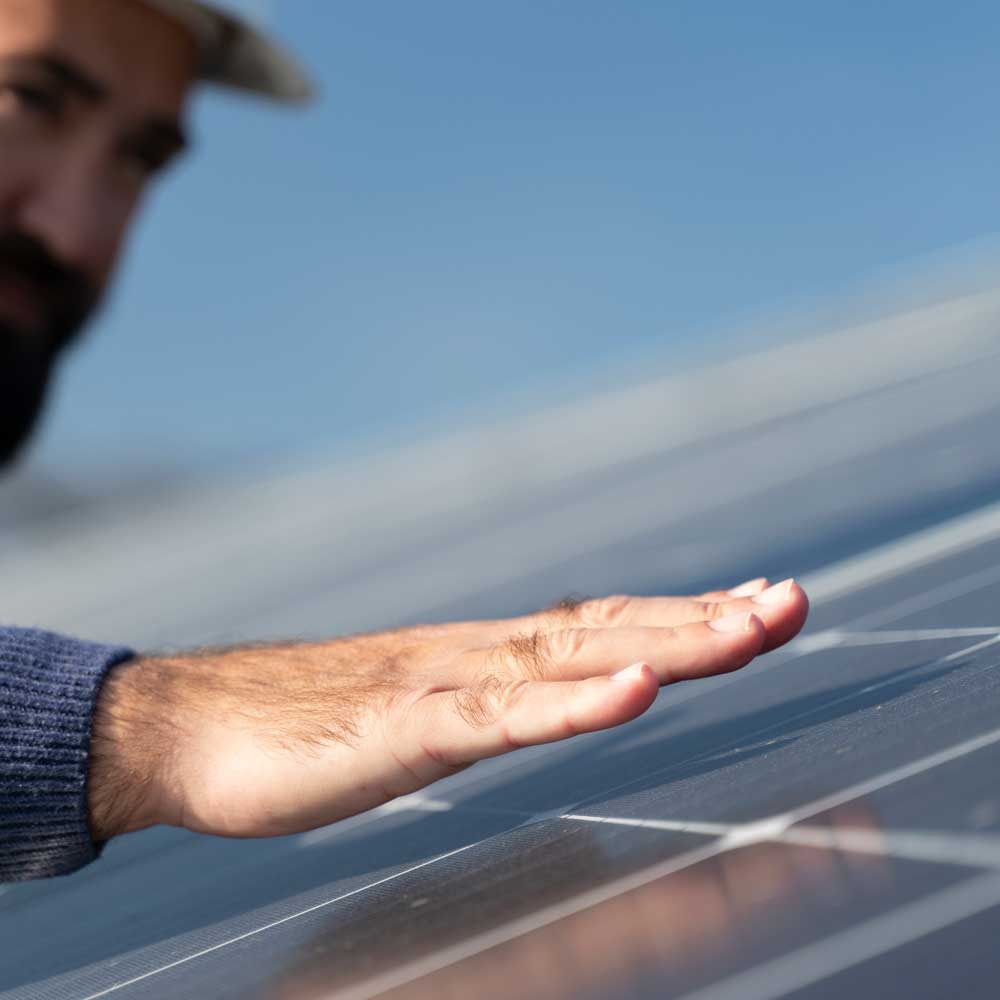
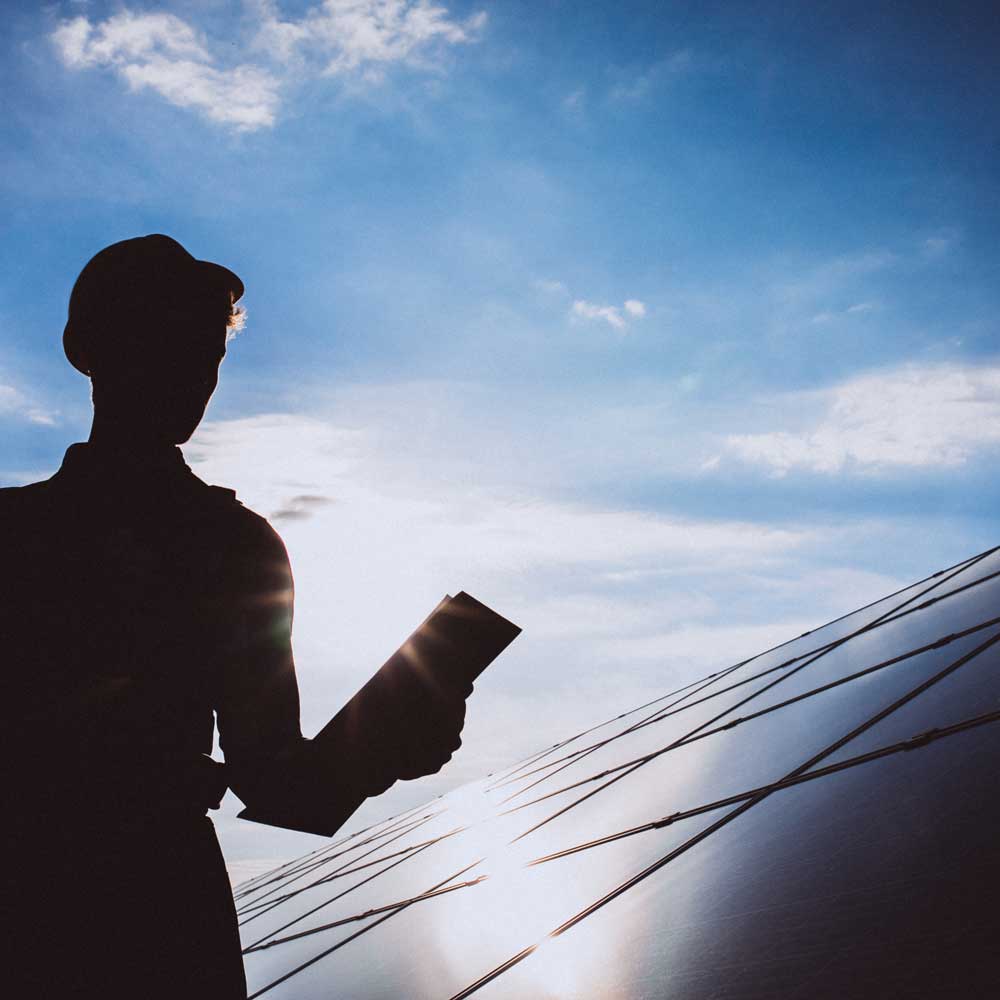
Antes de tocar nada, valora el acceso. Si los paneles están en un tejado inclinado, en altura o en una zona difícil, lo mejor es no arriesgar. Una limpieza doméstica solo tiene sentido cuando puedes hacerla con seguridad.
Si para llegar a las placas necesitas exponerte a una caída o moverte en una cubierta complicada, compensa más recurrir a un profesional.
2. Limpia en el momento adecuado del día
Hazlo por la mañana temprano o al atardecer. Así evitarás que la superficie esté demasiado caliente y trabajarás con más comodidad.
Este detalle parece pequeño, pero cambia mucho el resultado. Una limpieza bien hecha empieza por elegir bien el momento.
3. Retira la suciedad con suavidad
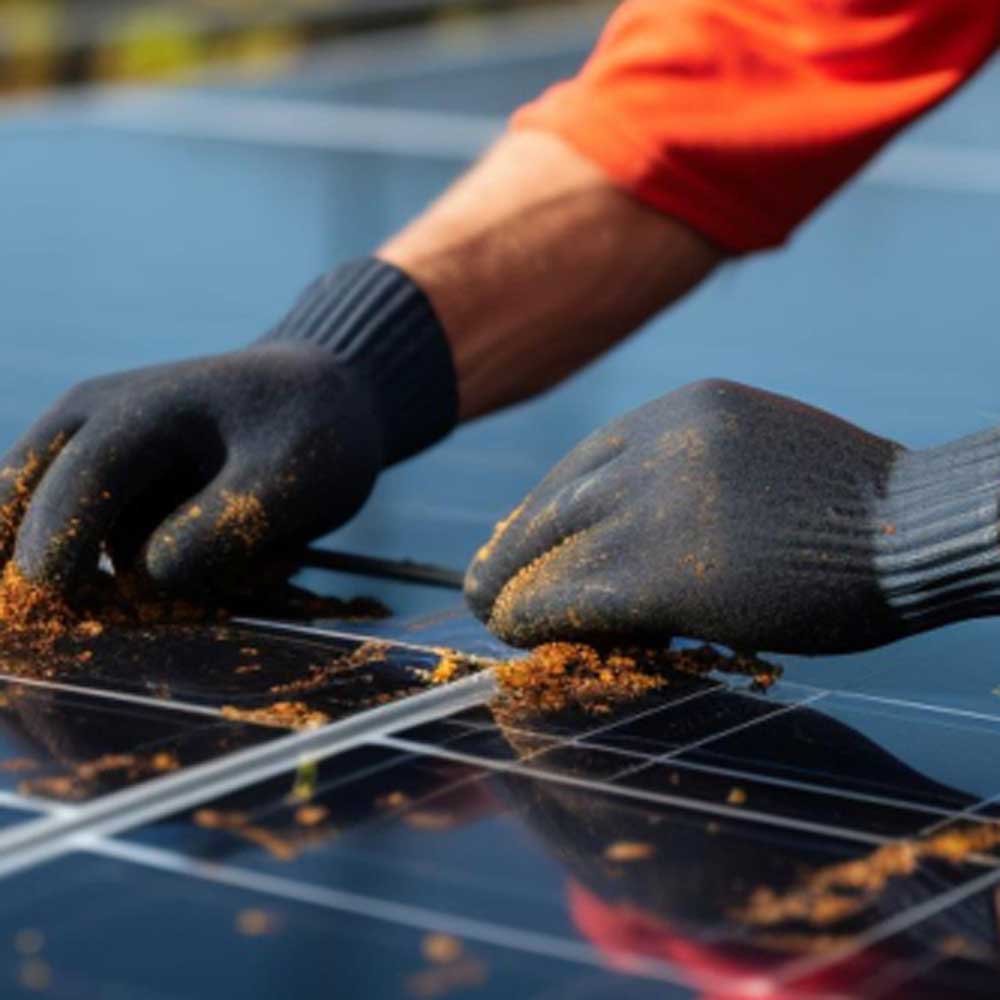
Empieza eliminando el polvo superficial con una bayeta de microfibra o un cepillo suave. Si hay restos más adheridos, humedece la superficie con agua y añade un poco de jabón neutro.
Aquí lo importante es no frotar con fuerza. La idea es aflojar la suciedad y retirarla poco a poco, sin rayar el panel ni ejercer presión innecesaria.
En instalaciones aisladas o con inversor solar OFF GRID, este cuidado es todavía más importante, porque optimizar el aprovechamiento de cada panel ayuda a sacar más partido al sistema.
4. Aclara y comprueba que no queden restos
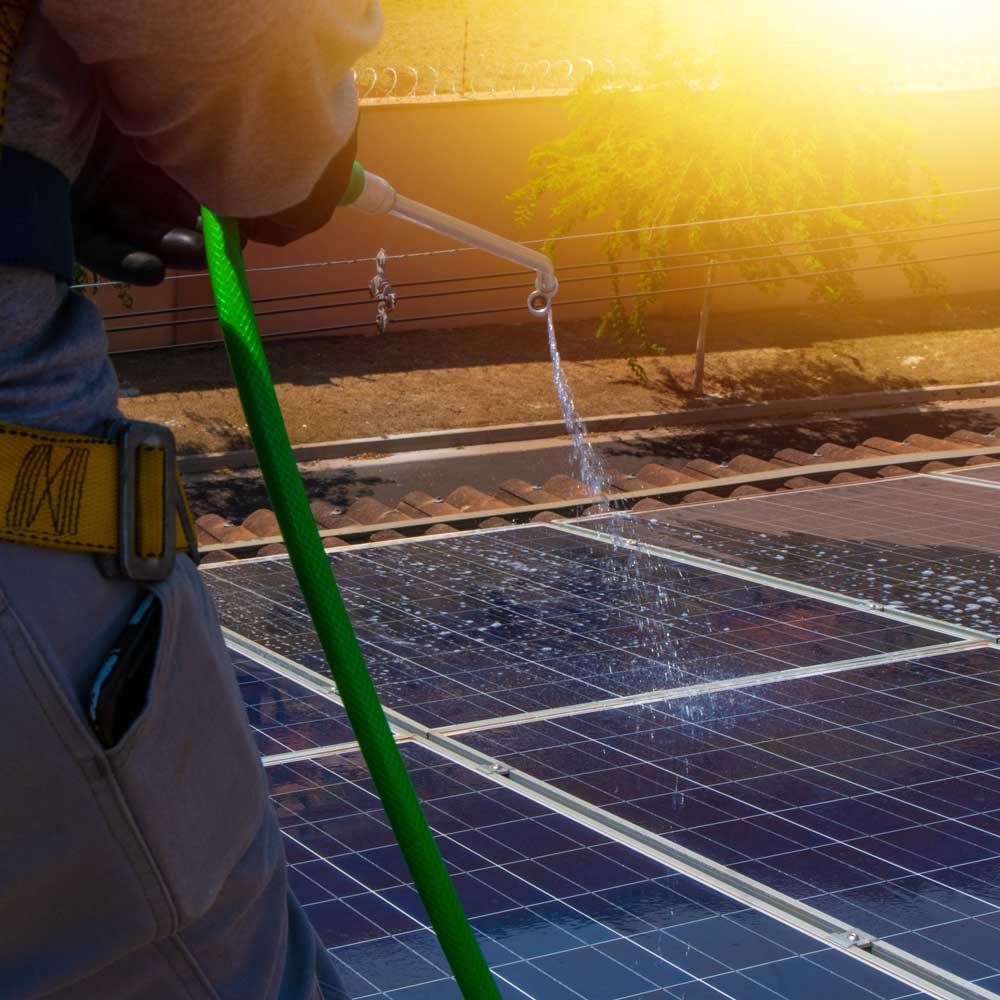
Una vez retirada la suciedad, aclara con agua para eliminar restos de jabón y pasa de nuevo la microfibra si hace falta. Al terminar, conviene revisar visualmente que la superficie quede limpia, sin marcas y sin residuos visibles.
No se trata de dejar el panel “perfecto” como un cristal decorativo, sino limpio y libre de acumulaciones que puedan afectar su funcionamiento.
Errores comunes al limpiar paneles solares
Hay varios fallos que conviene evitar desde el principio.
Usar productos agresivos
Cuanto más abrasivo sea el producto, mayor es el riesgo de dañar la superficie. Con jabón neutro suele bastar.
Limpiar con demasiada presión
Más presión no significa mejor limpieza. De hecho, puede ser contraproducente si termina dañando el panel o empujando la suciedad de forma incorrecta.
Hacer la limpieza en horas de mucho calor
Es uno de los errores más frecuentes. Limpiar con el panel caliente no es buena idea.
Subirse al tejado sin seguridad
Aquí no merece la pena jugársela. Si el acceso es complicado, es mejor parar y pedir ayuda profesional.
Cuándo merece la pena contratar a un profesional
Aunque muchas instalaciones domésticas permiten una limpieza sencilla, hay casos donde lo más inteligente es externalizarla. Por ejemplo:
- cuando los paneles están en altura,
- cuando el tejado tiene una inclinación importante,
- cuando hay suciedad muy adherida,
- o cuando la instalación forma parte de un sistema más complejo.
Si además trabajas con soluciones más completas, como kits Solar autoconsumo, puede tener sentido agrupar la limpieza dentro de un mantenimiento más global para asegurarte de que todo el sistema funciona como debe.
La lluvia limpia las placas solares, pero no siempre basta
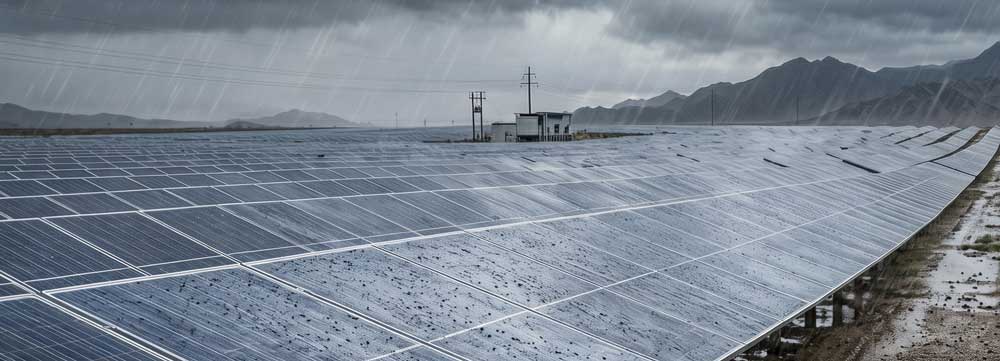
Mucha gente piensa que la lluvia hace todo el trabajo, y en parte es verdad: ayuda a arrastrar polvo ligero y suciedad superficial. El problema es que no siempre elimina restos pegados, contaminación acumulada o excrementos.
Por eso, confiar solo en la lluvia puede funcionar en ciertos periodos, pero no sustituye una revisión manual de vez en cuando. La mejor estrategia es sencilla: observar, detectar acumulación y actuar cuando haga falta.
Conclusión
Limpiar placas solares es una tarea simple, pero conviene hacerla bien. La combinación más práctica suele ser esta: agua, jabón neutro, microfibra o cepillo suave, y limpieza a primera hora de la mañana o al atardecer.
En mi experiencia, ese enfoque funciona porque mantiene el proceso fácil, seguro y respetuoso con la superficie del panel. Además, si vives en una zona con polvo o suciedad frecuente, revisar cada pocos meses puede ayudarte a evitar pérdidas de rendimiento innecesarias.
Y si tu instalación forma parte de una solución energética más amplia, también puede interesarte explorar opciones como generador a batería o sistemas solares completos para mejorar autonomía, respaldo y eficiencia del conjunto.
Paneles solares que podrian interesarte
-
-
 Vista rápida
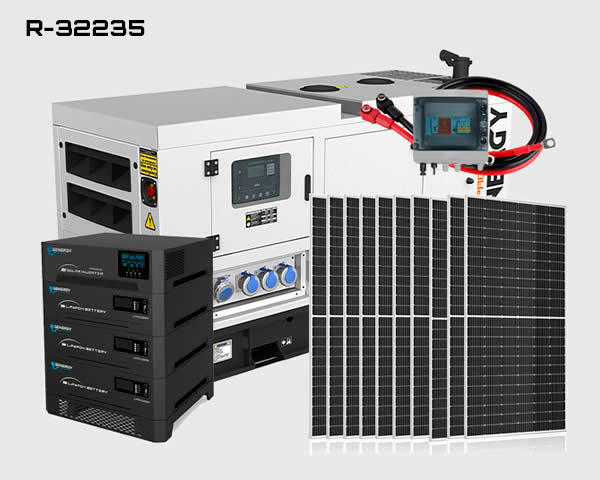
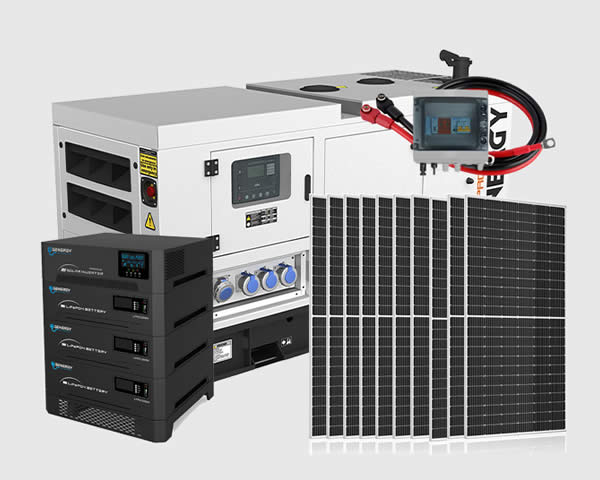
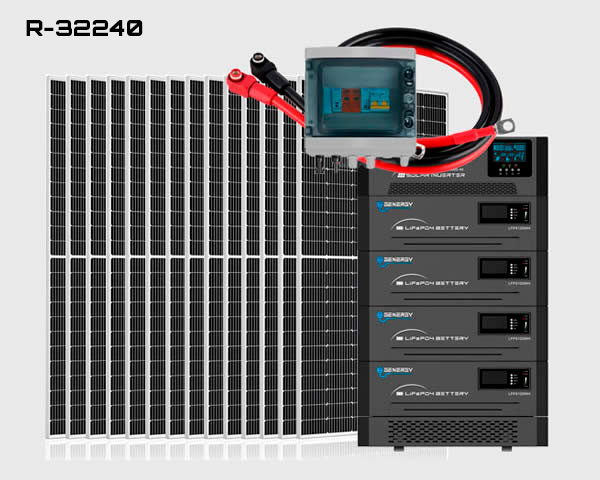
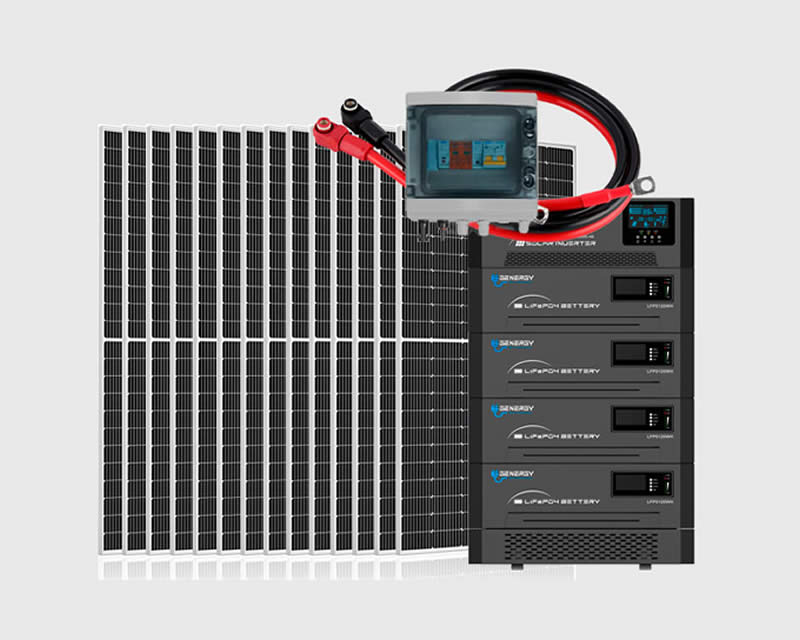
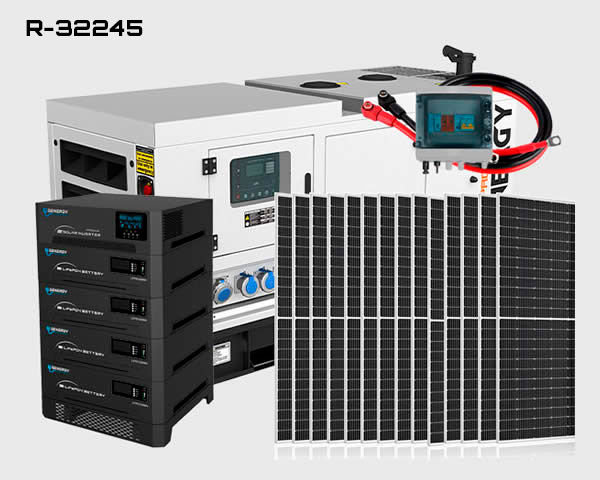
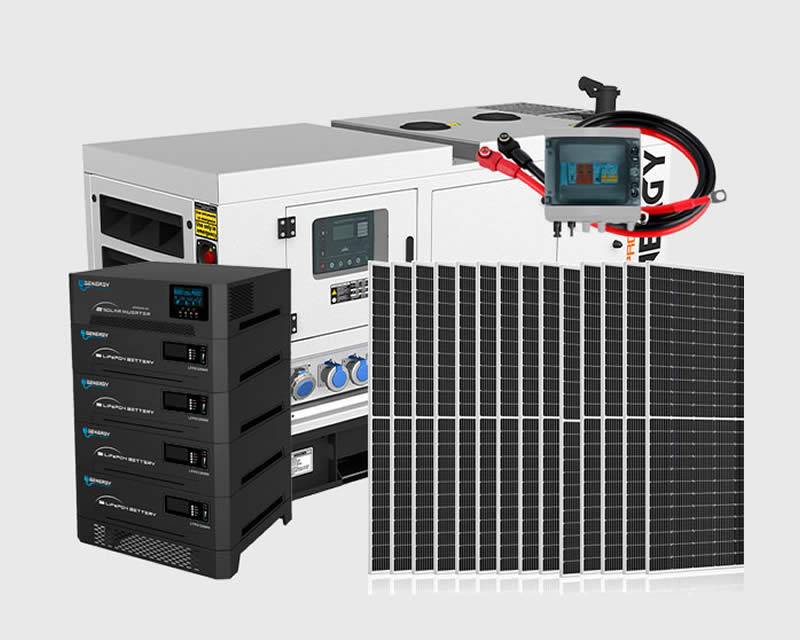
PLAN SOLAR SIGMA BACKUP-A
Salida AC23OV: 8000W + Paneles Solares 6,6kW + Batería LFP 15kWh -
-
Preguntas frecuentes sobre cómo limpiar placas solares
¿Cómo limpiar placas solares sin dañarlas?
Para limpiar placas solares sin dañarlas, lo más recomendable es usar agua, jabón neutro y una bayeta de microfibra o un cepillo suave. La limpieza debe hacerse sin productos abrasivos, sin estropajos duros y sin aplicar demasiada presión, para no rayar la superficie del panel solar.
¿Cuál es la mejor hora para limpiar placas solares?
La mejor hora para limpiar placas solares es a primera hora de la mañana o al atardecer, cuando los paneles están fríos. Limpiarlos con el panel caliente no es aconsejable, porque el contraste térmico y la evaporación rápida del agua pueden dificultar la limpieza y aumentar el riesgo de dañar la superficie.
¿Cada cuánto hay que limpiar las placas solares?
En condiciones normales, las placas solares se suelen limpiar 1 o 2 veces al año. En zonas con mucho polvo, polen, arena, contaminación o excrementos de aves, conviene revisar la suciedad con más frecuencia y, si hace falta, limpiarlas cada 3 o 4 meses.
¿La suciedad reduce el rendimiento de las placas solares?
Sí. La suciedad en placas solares puede reducir su rendimiento porque bloquea parte de la radiación solar que llega al panel. Cuando se acumulan polvo, hojas, barro o excrementos, la instalación puede producir menos energía de la esperada.
¿Se pueden limpiar placas solares con agua?
Sí, las placas solares se pueden limpiar con agua. Lo más recomendable es usar agua con poca presión, evitando chorros fuertes o sistemas agresivos que puedan dañar el panel. Si hay suciedad adherida, se puede añadir un poco de jabón neutro.
¿Qué productos no se deben usar para limpiar paneles solares?
Para limpiar paneles solares no se deben usar productos abrasivos, detergentes agresivos, disolventes, estropajos duros, cepillos metálicos ni agua a alta presión. Estos elementos pueden rayar el vidrio o deteriorar la superficie de la placa solar.
¿Se puede usar un cepillo para limpiar placas solares?
Sí, se puede usar un cepillo para limpiar placas solares, pero debe ser muy suave y estar diseñado para no rayar la superficie. En la mayoría de los casos, una bayeta de microfibra suele ser una opción más segura para una limpieza básica.
¿La lluvia limpia bien las placas solares?
La lluvia puede ayudar a arrastrar polvo superficial, pero no siempre limpia bien las placas solares. Cuando hay suciedad adherida, barro, polen acumulado o excrementos de aves, suele ser necesaria una limpieza manual para recuperar el rendimiento del panel.
¿Limpiar las placas solares mejora la eficiencia?
Sí. Limpiar las placas solares mejora la eficiencia cuando hay suciedad acumulada en la superficie. Una placa limpia capta mejor la radiación solar y puede recuperar parte de la producción que estaba perdiendo por polvo, restos orgánicos o contaminación.
¿Cómo saber si una placa solar necesita limpieza?
Una placa solar necesita limpieza cuando se aprecia una capa visible de polvo, hojas, barro, polen o excrementos, o cuando se detecta una bajada de reendimiento sin otra causa aparente. La revisión visual periódica suele ser la forma más sncilla de saberlo.