Cómo funciona una estación de energía portátil: batería, salidas y recarga
Una estación de energía portátil funciona como una batería recargable de gran capacidad. Almacena energía en su batería interna — normalmente de iones de litio o LiFePO4 — y después la entrega en forma de electricidad útil para cargar móviles, portátiles, routers, luces, neveras portátiles, herramientas pequeñas o equipos de emergencia.
Dicho de forma sencilla: es como una powerbank grande, pero mucho más potente y con más tipos de salidas. Puede tener enchufes de corriente alterna, puertos USB, USB-C, salidas de corriente continua y toma tipo mechero de coche. Además, se puede recargar desde una toma de pared, paneles solares compatibles o el automóvil.
El recorrido interno sería este:
red eléctrica / panel solar / coche → controlador de carga → batería interna → BMS → inversor → salidas AC, DC y USB → dispositivos
En mi caso, la forma más clara de entenderlo es pensar que una estación de energía portátil no solo almacena electricidad. También la protege, la convierte y la reparte según el tipo de dispositivo que conectes.
Qué es una estación de energía portátil
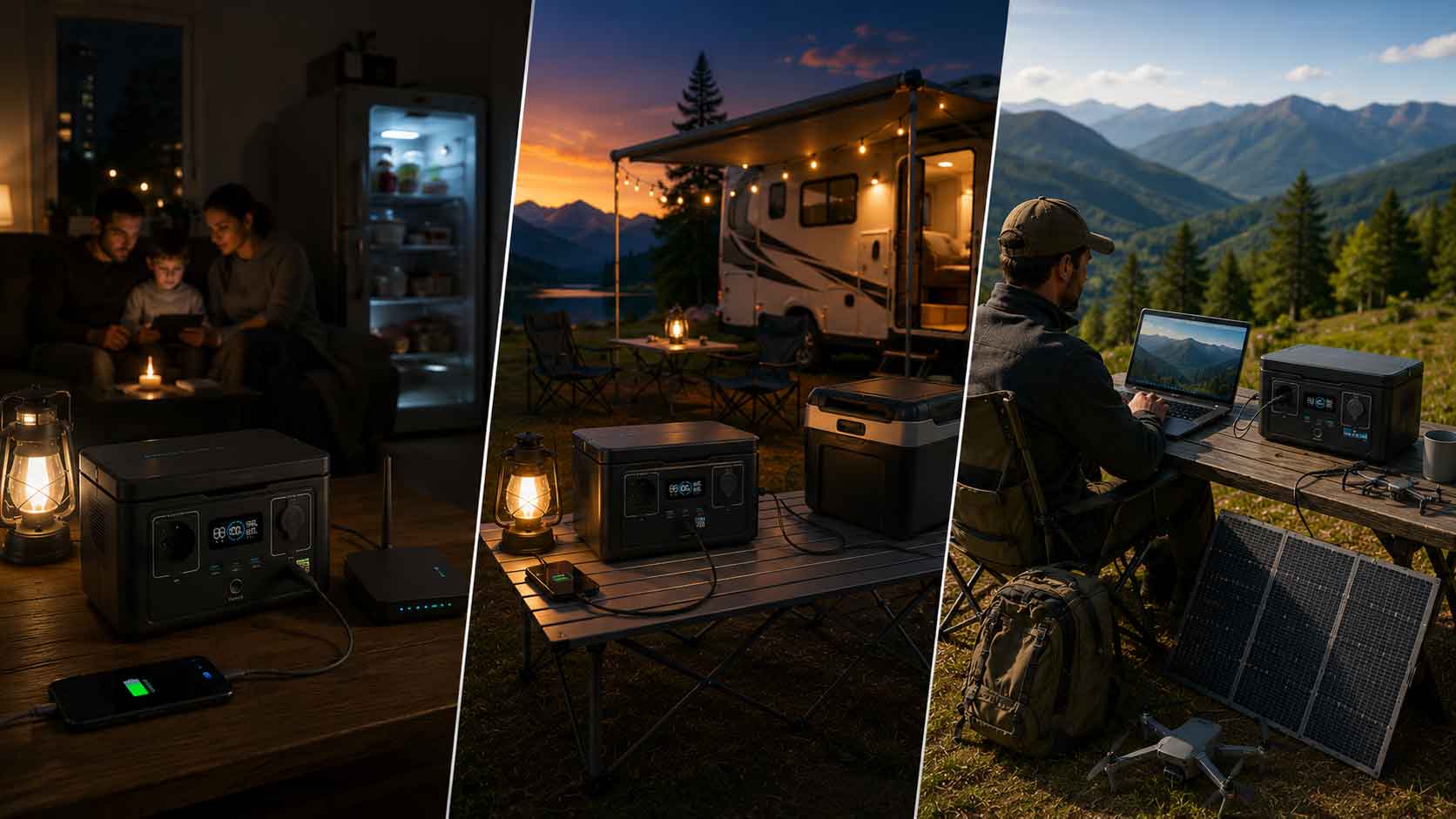
Una estación de energía portátil es un equipo diseñado para almacenar energía y suministrarla cuando no tienes un enchufe cerca. Puede usarse en casa durante un apagón, en camping, autocaravanas, trabajos al aire libre, viajes, emergencias o como apoyo para pequeños consumos.
A diferencia de una batería externa convencional, una estación portátil tiene mayor capacidad, más potencia y diferentes salidas. Por eso puede alimentar desde un móvil hasta un ordenador portátil, un router, una luz LED o una nevera portátil, siempre que el consumo del aparato no supere los límites del equipo.
Diferencia entre estación portátil, powerbank y generador eléctrico
Aunque a veces se confunden, no son lo mismo.
Equipo | Qué es | Uso habitual |
Powerbank | Batería pequeña para móviles o accesorios | Cargar smartphone, auriculares o tablet |
Estación de energía portátil | Batería grande con enchufes, USB y salidas DC | Camping, cortes de luz, portátiles, routers, luces |
Generador eléctrico | Equipo que produce electricidad usando combustible | Obras, emergencias largas, cargas más altas |
Una estación portátil almacena energía. Un generador eléctrico produce energía mientras tiene combustible. Esa diferencia es clave.
Para qué sirve en casa, camping o emergencias
Una estación portátil puede servir para:
- cargar móviles, tablets y portátiles;
- alimentar un router durante un corte de luz;
- encender luces LED;
- usar una nevera portátil;
- cargar cámaras, drones o herramientas pequeñas;
- alimentar equipos de camping;
- trabajar en remoto fuera de casa;
- tener respaldo básico ante apagones.
Una Estación de Energía Portátil encaja especialmente cuando se busca una solución transportable, sin emisiones directas durante el uso y más silenciosa que un generador de gasolina.
Cómo funciona una estación de energía portátil paso a paso
Para entender cómo funciona una estación de energía portátil, hay que seguir el camino de la energía desde que entra al equipo hasta que sale hacia tus dispositivos.
Primero, la estación se recarga desde una fuente externa. Después, almacena esa energía en su batería interna. Luego, el BMS controla la seguridad de la batería. Si conectas un aparato de enchufe, el inversor convierte la energía interna en corriente alterna. Si conectas un móvil o accesorio, la estación entrega corriente continua mediante USB o DC.
Recibe energía desde la red, panel solar o coche
La estación puede cargarse de varias formas:
- desde un enchufe de pared;
- mediante paneles solares compatibles;
- desde la toma del coche;
- en algunos modelos, combinando varias fuentes.
La carga desde red eléctrica suele ser la más rápida. La carga solar depende de la potencia de los paneles, la orientación, la radiación disponible y la compatibilidad de entrada de la estación. La carga desde coche suele ser útil en viajes, campers o emergencias, aunque normalmente es más lenta.
Almacena energía en una batería interna
La energía entra en la estación y se almacena en la batería. Esa batería puede ser de iones de litio o LiFePO4.
La energía queda guardada en forma de energía química. Cuando conectas un dispositivo, la estación transforma esa energía en electricidad utilizable.
La capacidad de la batería se mide normalmente en Wh, es decir, vatios hora. Cuantos más Wh tenga, más energía puede almacenar.
El BMS protege y gestiona la batería
El BMS, o sistema de gestión de batería, es una parte fundamental. Supervisa el estado de la batería para evitar problemas.
Controla aspectos como:
- carga;
- descarga;
- temperatura;
- voltaje;
- corriente;
- protección frente a sobrecarga;
- protección frente a descarga excesiva;
- protección frente a cortocircuito.
En otras palabras, el BMS ayuda a que la batería trabaje dentro de límites seguros.
El inversor convierte la energía para enchufes AC
La batería interna almacena energía en corriente continua. Pero muchos dispositivos domésticos usan corriente alterna de 230V, como la de un enchufe convencional.
Ahí entra el inversor interno. Su función es convertir la corriente continua de la batería en corriente alterna para alimentar aparatos con enchufe doméstico.
Por eso una estación portátil puede tener tomas AC similares a las de casa.
Las salidas USB, DC y AC alimentan dispositivos
Una estación portátil puede tener varios tipos de salida:
Salida | Para qué sirve |
AC / enchufe 230V | Portátiles, luces, pequeños electrodomésticos, cargadores |
USB-A | Móviles, tablets, accesorios |
USB-C | Portátiles compatibles, móviles, tablets, carga rápida |
DC | Dispositivos de corriente continua |
Mechero 12V | Neveras portátiles, accesorios de coche, infladores compatibles |
Cada salida tiene una potencia máxima. Por eso, antes de conectar un aparato, conviene revisar cuántos W consume.
Qué componentes lleva dentro
Una estación de energía portátil parece simple por fuera, pero por dentro combina varios elementos: batería, BMS, inversor, controlador de carga, pantalla, puertos, ventilación y protecciones.
Batería de litio o LiFePO4
La batería es el corazón de la estación. Es donde se almacena la energía.
Las baterías de iones de litio suelen destacar por su buena densidad energética, es decir, pueden almacenar bastante energía en poco espacio. Las baterías LiFePO4 suelen valorarse por su estabilidad, seguridad térmica y vida útil en ciclos de carga.
Si quieres profundizar en tecnologías de almacenamiento para sistemas solares, puedes revisar la guía sobre Mejores baterías para placas solares.
BMS o sistema de gestión de batería
El BMS protege la batería y ayuda a alargar su vida útil. Sin este sistema, la estación sería mucho menos segura.
Su trabajo es evitar que la batería se cargue demasiado, se descargue en exceso, se caliente demasiado o trabaje fuera de sus límites.
Inversor interno
El inversor interno permite usar enchufes de corriente alterna. Es una de las grandes diferencias entre una estación de energía portátil y una powerbank común.
Si el inversor es de buena calidad, la salida será más estable y adecuada para equipos sensibles.
Controlador de carga solar
Cuando la estación permite carga solar, necesita gestionar la energía que llega desde los paneles. El controlador regula esa entrada para cargar la batería de forma segura.
En sistemas más grandes o aislados, puede tener sentido valorar soluciones como un Inversor solar off grid, especialmente cuando se necesita una instalación autónoma más completa.
Puertos y salidas
Las salidas determinan qué puedes conectar. No basta con mirar la capacidad de la batería: también hay que revisar cuántos enchufes tiene, qué potencia soportan, si tiene USB-C, salida 12V, carga rápida o varias salidas simultáneas.
Cómo se recarga una estación de energía portátil
Una de las ventajas de estas estaciones es que pueden recargarse de diferentes formas. Esto las hace útiles tanto en casa como fuera de la red.
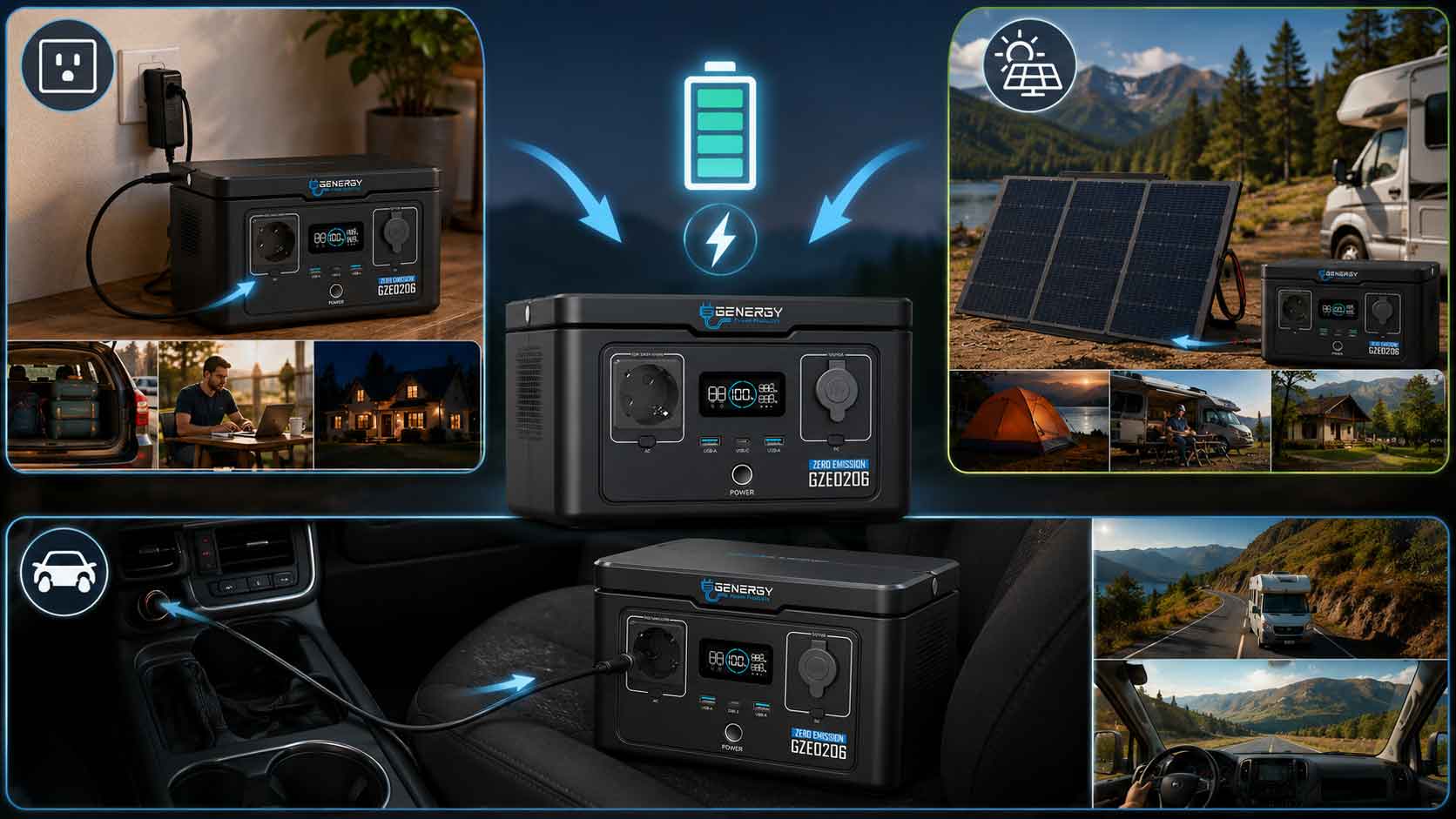
Carga desde enchufe de pared
La carga desde red eléctrica es la forma más sencilla. Conectas la estación a un enchufe y el cargador interno o externo recarga la batería.
Es ideal antes de salir de viaje, antes de una jornada de trabajo fuera de casa o para tenerla preparada ante cortes de luz.
Carga con paneles solares
Muchas estaciones permiten carga mediante paneles solares compatibles. En ese caso, la energía solar llega a la estación y se almacena en la batería.
Esto convierte la estación en una solución muy útil para camping, camper, autocaravanas, fincas, actividades al aire libre o situaciones donde no hay enchufe cerca.
Un Generador solar portátil puede ser una buena opción cuando se quiere combinar batería portátil y recarga solar en un formato práctico.
Carga desde el coche
Algunas estaciones pueden cargarse desde la toma del coche. Es una opción útil durante viajes, rutas en camper o desplazamientos largos.
Normalmente no es la carga más rápida, pero puede ayudar a mantener la estación disponible cuando no hay red eléctrica ni suficiente sol.
W, Wh y autonomía: cómo saber cuánto dura
Una de las dudas más comunes es cuánto dura una estación de energía portátil. Para responder, hay que entender dos conceptos: W y Wh.
Qué significan los vatios W
Los W, o vatios, indican potencia. Es decir, cuánta energía necesita un aparato para funcionar en un momento determinado.
Por ejemplo:
- un móvil puede necesitar pocos vatios;
- un portátil puede consumir más;
- una nevera portátil puede variar según el compresor;
- una herramienta eléctrica puede requerir bastante potencia;
- un calefactor o secador suele consumir demasiado para muchas estaciones pequeñas.
Si un aparato consume más potencia de la que la estación puede entregar, no deberías conectarlo.
Qué significan los vatios hora Wh
Los Wh, o vatios hora, indican capacidad energética. Es decir, cuánta energía almacena la batería.
Una estación de 600Wh almacena, en teoría, energía suficiente para alimentar un consumo de 60W durante unas 10 horas. En la práctica, habrá pérdidas por eficiencia, inversor, temperatura y tipo de salida.
Ejemplo sencillo de cálculo de autonomía
Fórmula aproximada:
autonomía = Wh de la estación / W del dispositivo
Ejemplo:
Estación | Dispositivo | Consumo | Autonomía teórica |
600Wh | Router | 15W | 40 horas |
600Wh | Portátil | 60W | 10 horas |
600Wh | Luz LED | 10W | 60 horas |
600Wh | Nevera portátil | 50W | 12 horas |
En la práctica, conviene restar un margen por pérdidas. Si usas salidas AC, el inversor consume parte de la energía.
Qué dispositivos puede alimentar
Una estación de energía portátil puede alimentar muchos dispositivos, pero no todos. Todo depende de la potencia máxima, la capacidad y el tipo de salida.
Móviles, portátiles, routers y luces
Estos son usos muy habituales. Normalmente son consumos relativamente bajos y encajan bien con estaciones portátiles.
Una estación puede servir para mantener operativo un router durante un apagón, cargar varios móviles, alimentar una lámpara LED o trabajar con un portátil durante horas.
Neveras portátiles, herramientas y pequeños electrodomésticos
También puede alimentar neveras portátiles, cámaras, drones, ventiladores, bombas pequeñas o herramientas de baja potencia.
Aquí hay que revisar bien la potencia de arranque. Algunos aparatos consumen más al arrancar que durante su funcionamiento normal.
Qué aparatos no conviene conectar
No conviene conectar aparatos que superen la potencia máxima de la estación.
Ejemplos que suelen ser problemáticos en estaciones pequeñas:
- calefactores eléctricos;
- hornos;
- secadores de pelo;
- placas de inducción;
- herramientas muy potentes;
- aire acondicionado grande;
- bombas de alto consumo.
Antes de conectar cualquier aparato, revisa los W que consume y la potencia máxima de la estación.
Estación de energía portátil vs generador eléctrico
Una estación portátil y un generador eléctrico pueden servir para tener energía fuera de la red, pero funcionan de forma distinta.
La estación portátil almacena energía en una batería. El generador eléctrico produce energía quemando combustible.
Diferencias frente a un generador de gasolina
Aspecto | Estación portátil | Generador gasolina |
Fuente de energía | Batería recargable | Combustible |
Ruido | Muy bajo | Más alto |
Emisiones directas | No durante el uso | Sí |
Mantenimiento | Bajo | Mayor |
Recarga/repostaje | Red, solar o coche | Gasolina |
Uso interior | Puede usarse con ventilación normal | No debe usarse en interior |
Autonomía prolongada | Limitada por batería | Depende del combustible disponible |
Potencia alta | Limitada según modelo | Más adecuada en muchos casos |
Un Generador Gasolina SVR puede tener sentido cuando se necesita mayor autonomía con combustible o alimentar cargas más exigentes. En cambio, una estación portátil destaca por comodidad, silencio y ausencia de emisiones directas durante el uso.
Cuándo conviene una estación portátil
Conviene una estación portátil cuando buscas:
- silencio;
- movilidad;
- respaldo para dispositivos esenciales;
- carga solar;
- uso en camping o camper;
- energía limpia durante el uso;
- bajo mantenimiento;
- facilidad de transporte.
Cuándo conviene un generador o grupo electrógeno
Un Generador Eléctrico o un Grupo electrógeno puede convenir cuando necesitas más potencia, uso prolongado, trabajo en obra, respaldo intensivo o alimentar cargas que una estación portátil no puede soportar.
En empresas o instalaciones con cargas trifásicas, puede ser más adecuado un Generador Trifásico.
Usos habituales de una estación de energía portátil
Una estación de energía portátil puede ser útil en muchas situaciones. La clave es elegir un modelo adecuado al uso real.
Camping, camper y autocaravana
En camping o autocaravana permite cargar móviles, luces, cámaras, neveras portátiles o pequeños accesorios sin depender siempre de un camping con conexión eléctrica.
Si se combina con paneles solares, puede aportar más autonomía durante viajes o estancias fuera de red.
Cortes de luz y respaldo en casa
En casa puede servir como respaldo para dispositivos esenciales durante un apagón:
- router;
- móvil;
- portátil;
- luz LED;
- pequeño ventilador;
- equipos de comunicación;
- nevera portátil.
No sustituye necesariamente a una instalación completa de respaldo, pero puede ser muy útil en cortes puntuales.
Para viviendas con mayor necesidad energética, puede valorarse un Kit solar con batería o un Kit Solar Autoconsumo, especialmente si se busca una solución más estable para producir y almacenar energía solar.
Trabajo remoto y actividades al aire libre
También sirve para trabajar en remoto desde lugares sin enchufe, alimentar cámaras, cargar herramientas pequeñas, usar iluminación exterior o mantener dispositivos durante eventos, rutas o actividades profesionales al aire libre.
Errores comunes y cuidados básicos
Una estación portátil es fácil de usar, pero conviene evitar algunos errores para alargar su vida útil y usarla con seguridad.
Sobrecargar la estación
No debes conectar aparatos que superen la potencia máxima de salida. Si lo haces, la estación puede apagarse, marcar error o activar protecciones.
No revisar potencia máxima y capacidad
Antes de comprar o usar una estación, revisa dos datos:
- potencia máxima en W;
- capacidad en Wh.
La potencia te dice qué aparatos puede alimentar. La capacidad te ayuda a estimar cuánto tiempo durará.
Guardarla descargada durante mucho tiempo
No es recomendable guardar una batería completamente descargada durante largos periodos. Lo ideal es seguir las indicaciones del fabricante sobre nivel de carga y almacenamiento.
También conviene evitar calor extremo, humedad, golpes y uso fuera de los límites recomendados.
Como lectura relacionada sobre funcionamiento interno de equipos, también puedes revisar Cómo funciona una hidrolimpiadora paso a paso.
Conclusión
Una estación de energía portátil funciona como una batería recargable de gran capacidad. Recibe energía desde la red, paneles solares o el coche, la almacena en una batería interna de litio o LiFePO4, la protege mediante un BMS y la entrega a tus dispositivos mediante salidas AC, DC, USB o USB-C.
La explicación más simple es esta: almacena energía cuando la tienes disponible y te permite usarla después cuando la necesitas.
Su gran ventaja es la comodidad: es silenciosa, transportable, recargable y útil para camping, apagones, trabajo remoto, autocaravanas o respaldo básico en casa. Pero también tiene límites: su autonomía depende de los Wh, la potencia máxima depende de los W y no todos los aparatos pueden conectarse.
Por eso, antes de elegir una, conviene mirar capacidad, potencia, tipo de batería, salidas disponibles, métodos de recarga y uso real.
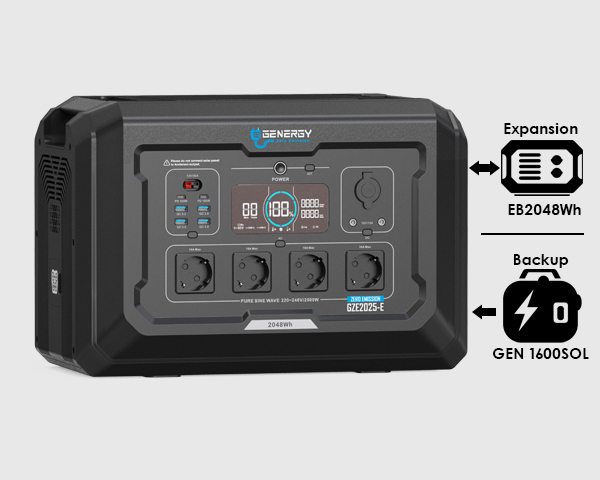
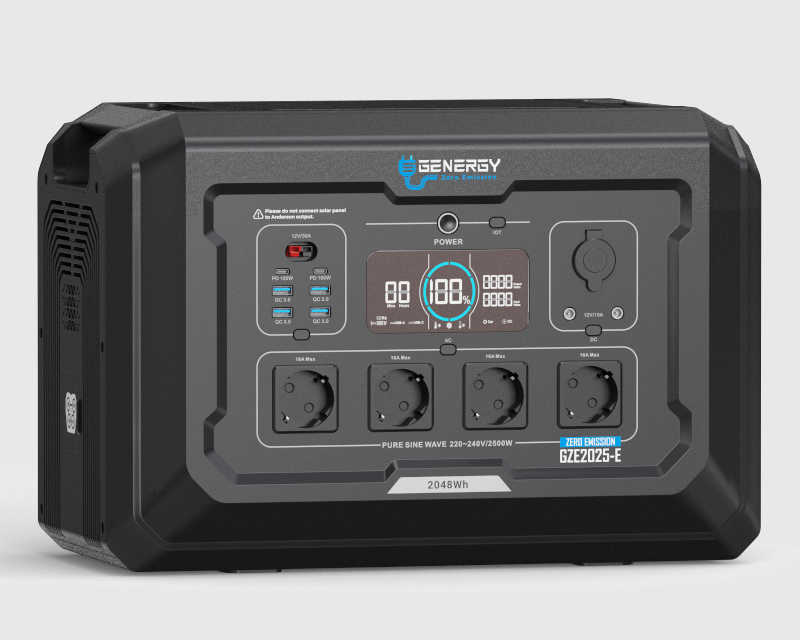
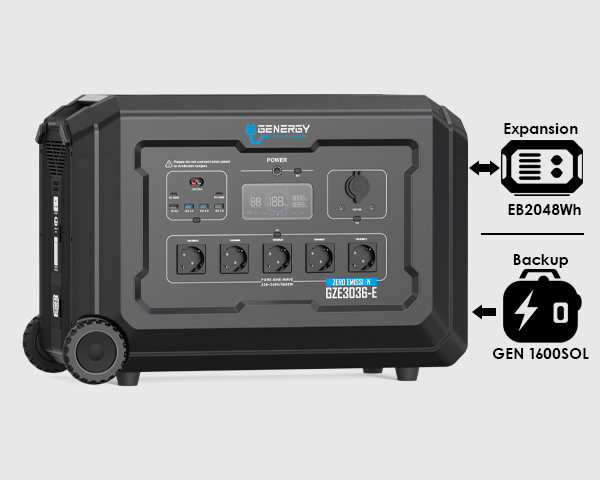
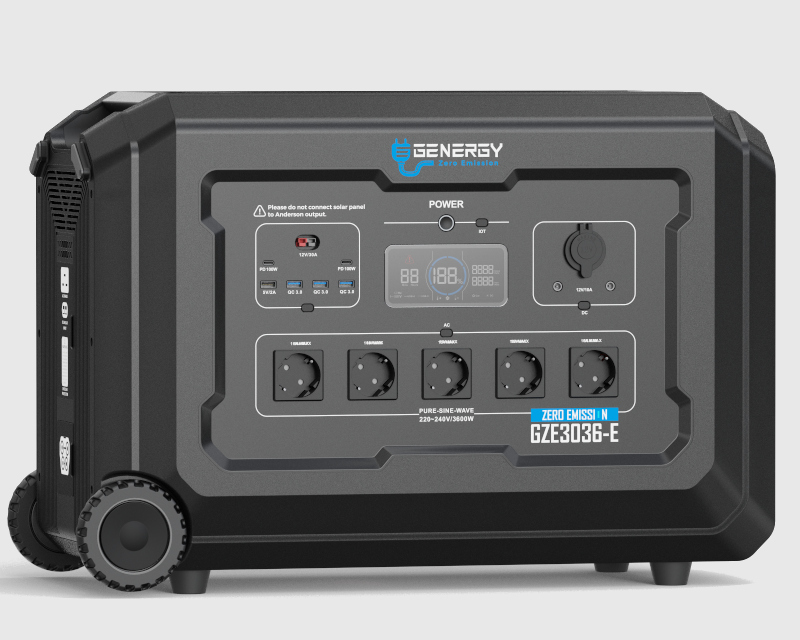
Productos que podrían interesarte
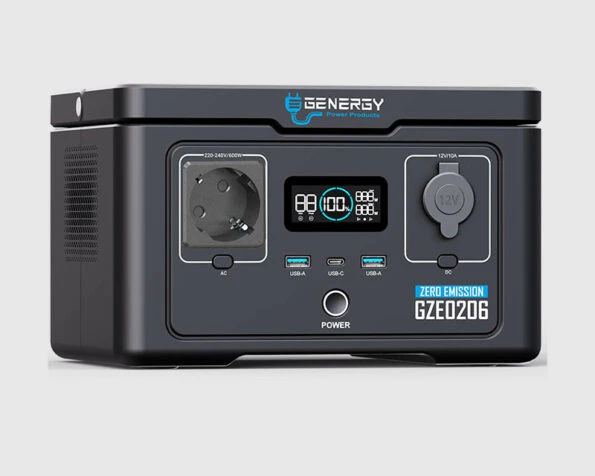
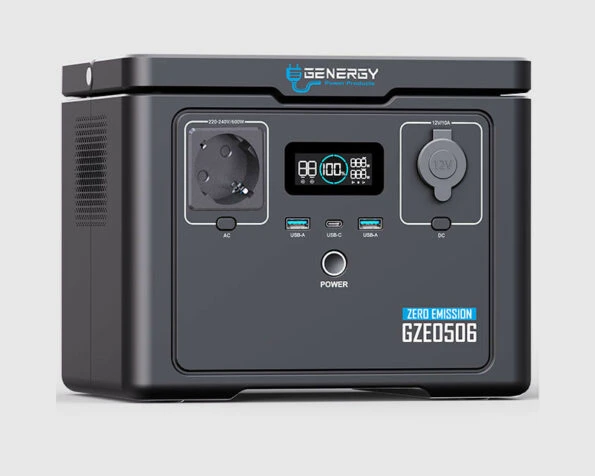
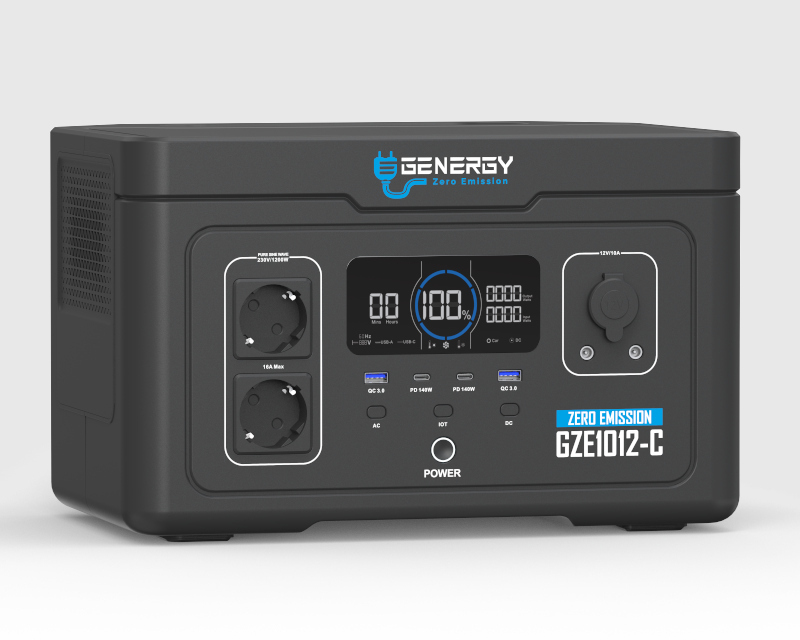
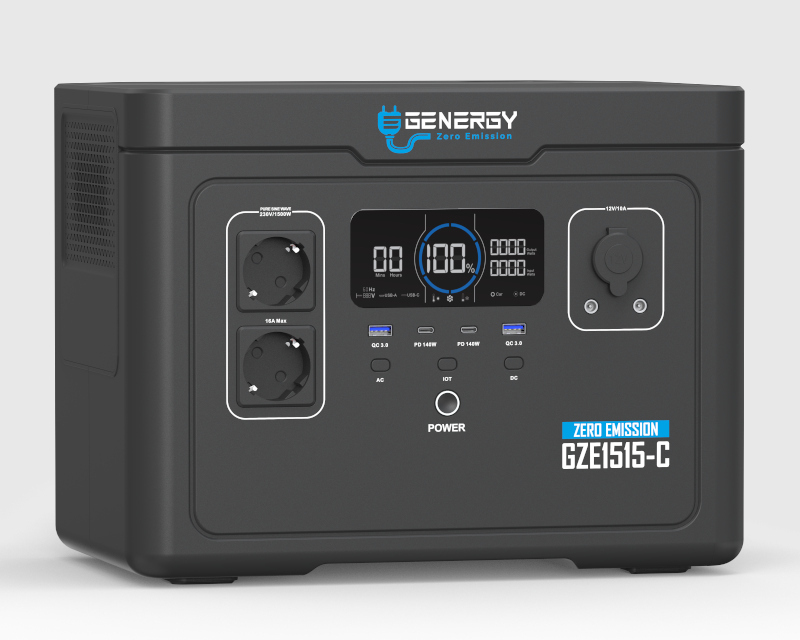
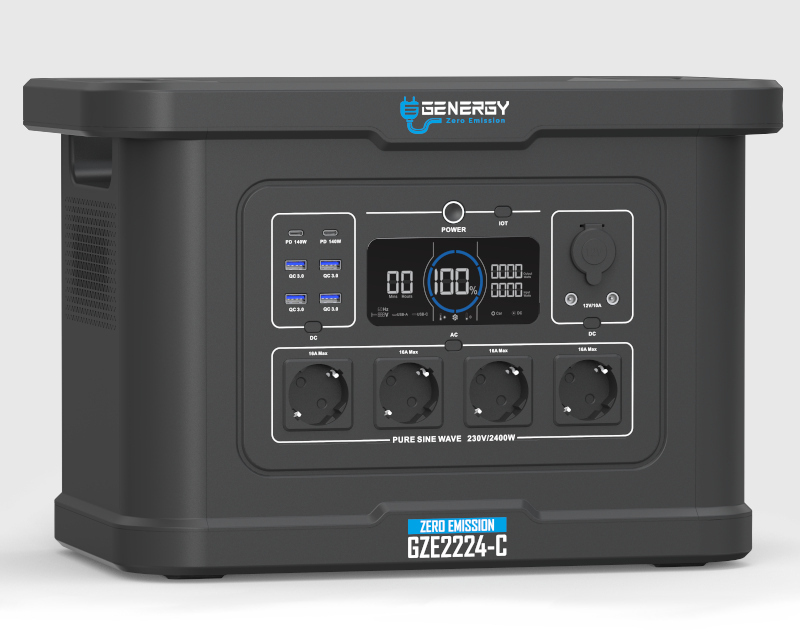
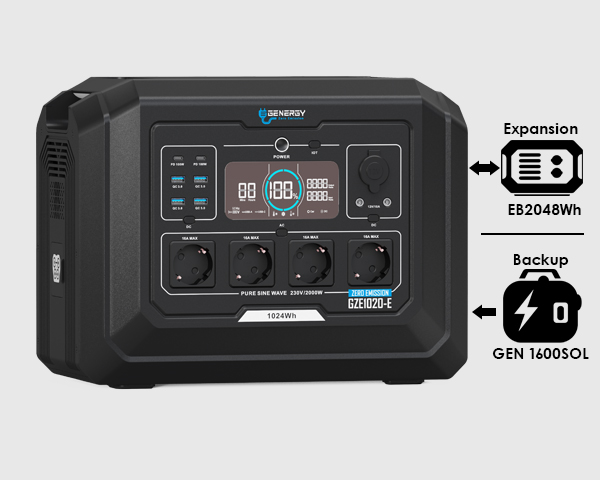
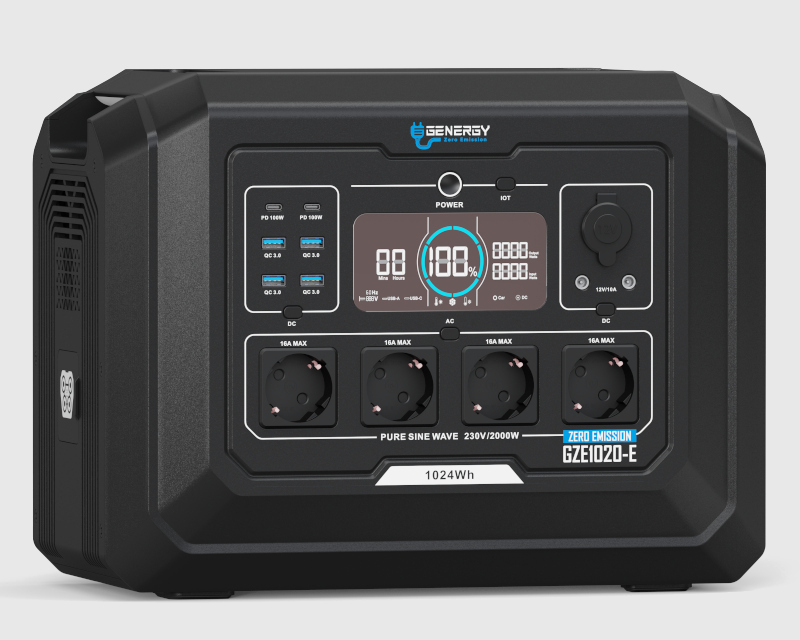
Preguntas frecuentes sobre cómo funciona una estación de energía portátil
¿Se puede cargar mientras se usa?
Algunos modelos permiten carga y descarga simultánea, pero depende del diseño del equipo. Conviene revisar las indicaciones del fabricante antes de usarla así de forma habitual.
¿Cuánto tarda en cargarse?
Depende de la capacidad de la batería, la potencia del cargador, la entrada solar o el método de carga. La carga por enchufe suele ser más rápida que la carga desde coche. La carga solar depende mucho del sol y la potencia de los paneles.
¿Sirve para una nevera?
Puede servir para una nevera portátil o una nevera pequeña si la potencia de arranque y consumo están dentro de los límites de la estación. Hay que revisar los W del aparato y la capacidad Wh de la estación.
¿Hace ruido?
Normalmente hace muy poco ruido. Puede activar ventiladores internos cuando carga, descarga o trabaja con cierta potencia, pero suele ser mucho más silenciosa que un generador de gasolina.
¿Cuánto dura la batería?
Depende de la química de la batería, ciclos de carga, temperatura, uso y mantenimiento. Las baterías LiFePO4 suelen destacar por su buena vida útil en ciclos.
¿Es lo mismo una estación portátil que un generador solar?
No exactamente. Una estación portátil es la batería con salidas. Un generador solar portátil suele referirse a un conjunto o solución que puede incluir estación y paneles solares para recargarla con energía solar.
¿Puede alimentar una casa entera?
Normalmente no, salvo modelos muy grandes o sistemas preparados específicamente. Para una casa entera suele hacer falta una instalación de mayor capacidad, baterías adecuadas y diseño eléctrico específico.
¿Puedo usarla en interior?
Sí, una estación de energía portátil puede usarse en interior porque no quema combustible mientras funciona. Aun así, debe mantenerse ventilada y lejos de calor, humedad o zonas donde pueda dañarse.

- Genergy