Tipos de soportes para placas solares: cuál elegir según el tipo de instalación
Elegir bien entre los distintos tipos de soportes para placas solares es mucho más importante de lo que parece. Al final, el soporte no solo sostiene el panel: también condiciona la inclinación, la orientación, la estabilidad y, en parte, el rendimiento que puede ofrecer la instalación.
Cuando hablo de soportes para placas solares, lo primero que miro no es el modelo concreto, sino la superficie donde se van a instalar los paneles. No necesita el mismo soporte una vivienda con tejado inclinado que una cubierta plana o una instalación sobre suelo. Y si además se busca ajustar el ángulo para exprimir mejor la captación solar, la movilidad o la regulación también entran en juego.
Por eso, la forma más útil de entender este tema es separar los soportes según dos criterios: la superficie de instalación y el tipo de ajuste o inclinación que permiten. Si además estás valorando una instalación completa, este tipo de elección tiene sentido dentro de un ecosistema energético más amplio como el de Generadores solares portátiles, donde estructura, panel y respaldo forman parte del mismo conjunto.
Qué es un soporte para placas solares y por qué es clave en una instalación
Un soporte para placas solares es la estructura que fija los paneles a una superficie concreta y los mantiene en la posición adecuada. Puede parecer un elemento secundario, pero no lo es. Una mala elección aquí puede complicar la instalación, reducir el rendimiento o limitar futuras ampliaciones.
El soporte determina cómo queda orientado el panel y con qué inclinación trabaja. Y esos dos factores influyen directamente en la captación solar. Por eso no basta con elegir un buen panel: también hay que pensar en la estructura que lo acompaña.
En instalaciones residenciales, este punto suele pasar desapercibido al principio. Pero en cuanto comparas distintas cubiertas, se ve claro que no existe un soporte universal. La estructura correcta depende del tipo de tejado, del espacio disponible, del sistema de fijación y del objetivo energético de la instalación.
Cómo influye en la orientación y la inclinación
La orientación define hacia dónde mira el panel, y la inclinación define el ángulo con el que capta la radiación solar. Un soporte adecuado ayuda a colocar los módulos en una posición eficiente, estable y compatible con la superficie.
En cubiertas que ya tienen una inclinación favorable, puede bastar una estructura sencilla. En cambio, en superficies planas o con mal ángulo, la estructura debe corregir esa posición para que el panel trabaje mejor.
Por qué no todos los soportes sirven para cualquier superficie
Este es el punto clave. No tiene sentido usar el mismo sistema de montaje en una cubierta inclinada de teja que en una azotea plana o una instalación en suelo. Cada superficie exige una forma distinta de fijación, reparto de cargas y ajuste del ángulo.
Por eso, si alguien me preguntara cómo elegir un soporte, mi respuesta empezaría siempre igual: primero mira dónde van a ir los paneles, y luego ya eliges la estructura.
Tipos de soportes para placas solares según la superficie
La forma más clara de clasificar los soportes es empezar por la superficie donde se instala el panel. Ahí es donde de verdad cambia la lógica de la estructura.
Soportes para tejado inclinado
En tejados inclinados, lo habitual es usar estructuras que aprovechan la inclinación natural de la cubierta. Si el tejado ya ofrece un buen ángulo, no siempre hace falta una estructura elevada. Muchas veces basta con una solución que fije el panel de forma segura y lo mantenga integrado sobre la cubierta.
Este tipo de soporte es muy común en viviendas unifamiliares y en instalaciones residenciales donde se busca una solución limpia, estable y bien adaptada al tejado existente.
Soportes para tejado plano
Aquí la lógica cambia bastante. En una cubierta plana, el panel no puede instalarse sin más sobre la superficie si se quiere optimizar su captación. En estos casos suele hacer falta una estructura inclinada que le dé al módulo el ángulo necesario para trabajar mejor.
Este es uno de los escenarios donde más peso tiene lo que me comentabas: la elección del soporte depende totalmente de la superficie y del ajuste que haga falta para maximizar el rendimiento energético. En un tejado plano, la estructura no solo sujeta: también corrige la geometría de la instalación.
Estructuras para placas solares sobre suelo
Cuando los paneles se instalan directamente en suelo, la estructura gana todavía más protagonismo. Aquí hay más libertad para orientar y angular los módulos, pero también hay que pensar en estabilidad, resistencia y adaptación al terreno.
Las estructuras sobre suelo suelen tener sentido cuando no se quiere o no se puede usar la cubierta, o cuando se busca una instalación más amplia y fácil de ampliar con el tiempo.
Soportes para fachada o instalaciones especiales
También existen estructuras pensadas para fachadas, pérgolas o instalaciones especiales. No son las más comunes en autoconsumo residencial estándar, pero pueden encajar en proyectos con limitaciones de espacio o requisitos concretos de diseño.
Tipos de estructuras según el ángulo de montaje
Además de clasificarlos por superficie, conviene entender los soportes según el ángulo que aportan al panel.
Soportes coplanares
Los soportes coplanares son los que colocan el panel siguiendo el mismo plano de la cubierta. Tienen mucho sentido cuando el tejado ya cuenta con una inclinación adecuada y no hace falta corregir el ángulo.
Su gran ventaja es la integración. Son una solución lógica cuando la cubierta ya juega a favor del rendimiento y lo importante es fijar los módulos de forma segura y ordenada.
Soportes inclinados
Los soportes inclinados se usan cuando la superficie no ofrece el ángulo adecuado por sí sola. Son muy habituales en cubiertas planas, donde la estructura debe levantar el panel y darle la inclinación necesaria para mejorar la captación solar.
Aquí el soporte deja de ser solo una base de fijación y pasa a ser una pieza activa del rendimiento de la instalación.
Estructuras regulables o con ajuste de inclinación
En algunos casos, el soporte permite cierto ajuste del ángulo. Este tipo de estructura puede ser interesante cuando se quiere optimizar la captación o adaptar mejor la instalación a unas condiciones concretas.
No siempre hace falta una solución regulable, pero cuando el objetivo es afinar el rendimiento o trabajar en un entorno más exigente, puede tener sentido valorar esta opción.
Qué soporte para placas solares conviene en cada caso
La mejor forma de elegir es bajar todo esto a escenarios reales.
Para viviendas con tejado inclinado
Si la vivienda ya tiene una cubierta inclinada y bien orientada, lo normal es optar por una estructura que aproveche esa geometría. En este caso, una solución coplanar suele tener mucho sentido por simplicidad, integración y estabilidad.
Si además estás montando una solución completa para vivienda, puede ser útil valorar el Kit Solar Autoconsumo, donde el sistema se plantea de forma global y no como piezas sueltas.
Para cubiertas planas
En cubiertas planas, lo razonable suele ser usar una estructura inclinada. Aquí la clave está en conseguir un buen ángulo de captación sin comprometer la estabilidad ni el espacio disponible.
Este tipo de instalación exige mirar bien la disposición de los paneles, el reparto de cargas y la separación entre filas si hay varias líneas de módulos.
Para instalaciones aisladas
En sistemas aislados, el soporte no debe pensarse solo por superficie, sino como parte del sistema completo. Si buscas autonomía, lo importante es que la estructura facilite una buena captación y encaje dentro de una instalación bien dimensionada.
En ese contexto, tiene mucho sentido pensar también en inversor solar OFF GRID y en soluciones donde estructura, paneles y almacenamiento respondan a un mismo objetivo de autonomía.
Para quien quiere optimizar el rendimiento
Si el objetivo es apurar al máximo el rendimiento, entonces la movilidad o la regulación del soporte pueden aportar valor. No siempre será la opción más necesaria ni la más rentable, pero en ciertas instalaciones sí puede marcar la diferencia.
Qué tener en cuenta antes de elegir una estructura solar
Antes de elegir un soporte para placas solares, yo revisaría estos puntos:
Tipo de cubierta
Es el criterio número uno. La superficie manda. No se instala igual sobre teja, chapa, cubierta plana o suelo.
Orientación y espacio disponible
El soporte debe ayudarte a trabajar bien con el espacio real, no con el ideal. A veces el problema no es el panel, sino cómo encaja la estructura en la cubierta disponible.
Resistencia, estabilidad y fijación
La estructura tiene que soportar bien la instalación y adaptarse a las condiciones del lugar. No conviene pensar solo en el precio del soporte, sino en la seguridad y la durabilidad del montaje.
Posibilidad de ampliación futura
Este punto es muy importante en instalaciones con recorrido. Si crees que el sistema puede crecer con el tiempo, tiene sentido valorar desde el principio cómo encaja esa ampliación. Ahí pueden ser útiles propuestas como sistemas escalables, que permiten pensar la instalación con más margen de evolución.
Errores comunes al elegir soportes para placas solares
Hay varios errores que se repiten mucho.
Elegir solo por precio
Es uno de los más frecuentes. Un soporte barato puede salir caro si no se adapta bien a la cubierta o complica el montaje.
No adaptar la estructura a la superficie
Cada superficie tiene su lógica. Forzar una estructura que no corresponde suele acabar en peor rendimiento o en una instalación más incómoda.
Ignorar la inclinación real del tejado
Muchas veces se da por hecho que cualquier tejado inclinado vale igual, y no es así. El ángulo real importa, y mucho.
No pensar en el sistema completo
En algunas instalaciones, el soporte no debería elegirse aislado del resto. Cuando el sistema busca más autonomía o continuidad de suministro, conviene pensar también en respaldo. Ahí pueden tener sentido soluciones como Generador Solar o incluso generador a batería como parte de una estrategia energética más completa.
Conclusión
Los tipos de soportes para placas solares se entienden mucho mejor cuando los ordenas según dos preguntas: dónde se van a instalar los paneles y qué ajuste de ángulo necesitas. A partir de ahí, todo se aclara bastante.
Si la instalación va en un tejado inclinado, lo habitual es aprovechar la pendiente de la cubierta. Si va en un tejado plano, lo normal es recurrir a una estructura inclinada. Si va en suelo, la estructura debe dar estabilidad y libertad de orientación. Y si lo que buscas es afinar el rendimiento, entonces entra en juego la posibilidad de regulación o ajuste.
En mi experiencia, la elección del soporte cambia por completo entre tejados planos, tejados inclinados y suelo. Y justo por eso no conviene tratar este tema como un catálogo cerrado, sino como una decisión técnica que influye directamente en el resultado final de la instalación.
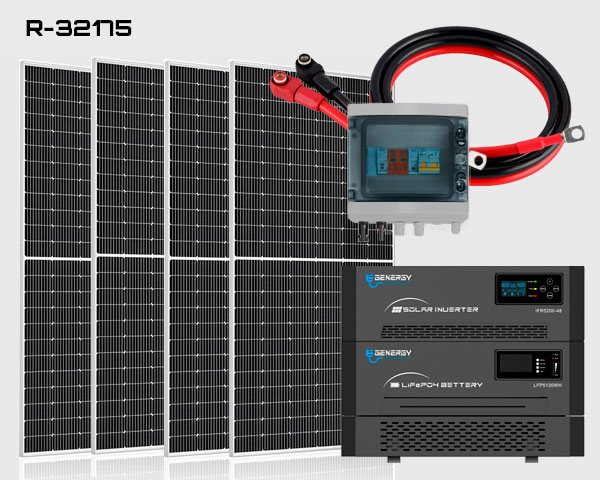
Paneles solares que podrian interesarte
Preguntas frecuentes sobre soportes para placas solares
¿Qué tipos de soportes para placas solares existen?
Los principales tipos de soportes para placas solares se pueden clasificar según la superficie de instalación: soportes para tejado inclinado, tejado plano, suelo y estructuras especiales como fachada. También se pueden diferenciar por el ángulo de montaje: coplanares, inclinados o regulables.
¿Qué diferencia hay entre un soporte coplanar y uno inclinado?
El soporte coplanar sigue el mismo plano de la cubierta y suele usarse cuando el tejado ya tiene una inclinación adecuada. El soporte inclinado corrige el ángulo del panel y suele ser más habitual en cubiertas planas o con poca inclinación.
¿Qué soporte conviene para un tejado plano?
En un tejado plano suele convenir una estructura inclinada, porque permite dar al panel un ángulo más favorable para captar radiación solar y mejorar el rendimiento.
¿Qué soporte se usa en un tejado inclinado?
En tejados inclinados suele ser habitual una estructura coplanar o una solución que aproveche la inclinación natural de la cubierta, siempre que el ángulo sea adecuado para la instalación.
¿Cuándo conviene una estructura sobre suelo?
Una estructura sobre suelo puede ser interesante cuando no se quiere usar la cubierta, cuando hay espacio disponible en terreno o cuando se busca una instalación más grande y fácil de ampliar.
¿Un soporte regulable mejora el rendimiento?
Puede ayudar en ciertos casos, sobre todo cuando interesa afinar el ángulo del panel. No siempre es necesario, pero sí puede aportar valor en instalaciones donde el ajuste influye mucho en la captación solar.