Qué aceite lleva un generador de gasolina: viscosidad recomendada y cómo elegirla

Cuando alguien busca qué aceite lleva un generador de gasolina, casi siempre quiere una respuesta rápida y útil, no una explicación técnica eterna. Y la realidad es que, en la mayoría de los casos, un generador de gasolina de 4 tiempos suele usar aceite SAE 10W-30 como opción general para clima templado y uso normal. Ahora bien, esa no es toda la historia.
Lo importante es entender que el aceite correcto no depende solo del tipo de generador, sino también de la temperatura ambiente, del nivel de exigencia al que va a trabajar y, sobre todo, de lo que indique el manual del fabricante. En mi experiencia, este es el punto donde más se equivoca la gente: se queda con un “usa 10W-30” como regla universal, cuando en realidad hay matices bastante importantes.
Por ejemplo, cuando el generador trabaja en climas cálidos o se va a usar de forma más intensa, puede tener más sentido un SAE 15W-40 o incluso un SAE 30, según el modelo. En cambio, en zonas de mucho frío, un 5W-30 suele facilitar mejor el arranque y la lubricación en los primeros segundos. Esa diferencia importa más de lo que parece, porque un aceite mal elegido puede afectar al arranque, al desgaste del motor y al rendimiento general del equipo.
Además, no solo cuenta la viscosidad. También influye si eliges un aceite sintético, semisintético o convencional. En muchos casos, el sintético ofrece una protección más estable, especialmente si el generador va a trabajar durante horas o bajo condiciones exigentes.
Así que, si quieres una respuesta corta, aquí la tienes: la mayoría de generadores de gasolina de 4 tiempos usan 10W-30, pero el clima, el uso y el manual del fabricante son los que mandan de verdad.
La respuesta corta: qué aceite usa la mayoría de generadores de gasolina
La respuesta más útil y más realista sería esta: la mayoría de generadores electricos de gasolina de 4 tiempos llevan aceite SAE 10W-30 para un uso general y temperaturas templadas. Ese es el punto de partida más habitual y, probablemente, la viscosidad que más te vas a encontrar.
Dicho esto, no conviene tratarlo como una verdad absoluta. En mi caso, cuando me preguntan qué aceite echar a un generador de gasolina, siempre aclaro lo mismo: 10W-30 suele ser la opción estándar, pero no siempre es la mejor para cualquier clima o cualquier nivel de exigencia.
Si el generador va a trabajar en verano, en ambientes muy calurosos o durante muchas horas seguidas, es normal que algunos fabricantes recomienden una viscosidad más robusta, como 15W-40 o SAE 30. Por el contrario, si el equipo se usa en invierno o en lugares donde hace mucho frío, el 5W-30 puede ser una mejor elección porque fluye mejor en arranque en frío.
Y aquí entra la advertencia más importante de todo el artículo: no hay que improvisar con el aceite. Puedes orientarte con recomendaciones generales, sí, pero el manual del fabricante siempre tiene la última palabra. Esa es la referencia que manda por encima de cualquier consejo genérico que veas en internet.
SAE 10W-30, SAE 30, 15W-40 o 5W-30: cuál te conviene según el clima
10W-30 para uso general y clima templado
Si tu generador de gasolina se usa en condiciones normales, sin temperaturas extremas y con un uso relativamente estándar, el SAE 10W-30 suele ser la opción más equilibrada. Por eso es la recomendación más común en generadores de gasolina de 4 tiempos.
A mí me gusta explicarlo así: es el aceite “comodín” para la mayoría de situaciones normales. Ofrece buen comportamiento tanto en arranque como en funcionamiento estable, y por eso tantos fabricantes lo recomiendan como base.
Si no tienes un contexto especial de calor extremo, frío extremo o uso especialmente duro, lo más probable es que 10W-30 sea la viscosidad correcta o, como mínimo, una de las más razonables para tu equipo.
15W-40 o SAE 30 para calor y uso intensivo
Cuando el generador va a trabajar con temperaturas altas o en jornadas exigentes, muchas veces conviene subir un escalón en la viscosidad. Aquí es donde entran 15W-40 y, en algunos casos, SAE 30.
Esto tiene sentido porque, en ambientes muy calurosos o con uso intensivo, el motor necesita mantener una película lubricante sólida sin volverse demasiado fluida por el calor. En otras palabras: el aceite tiene que seguir protegiendo bien aunque el generador esté trabajando duro.
En mi experiencia, este es un matiz muy importante para usuarios que no van a usar el generador de forma ocasional, sino durante horas, en exterior, en obra, en zonas cálidas o como respaldo frecuente. Ahí ya no basta con pensar solo en “qué aceite usa”, sino en qué aceite protege mejor según cómo lo voy a usar.
5W-30 para clima muy frío
Si el generador se utiliza en una zona donde hace bastante frío, el 5W-30 puede ser una mejor opción. La razón es simple: al arrancar en temperaturas bajas, este aceite fluye mejor y ayuda a que la lubricación llegue antes a las partes críticas del motor.
Esto no significa que haya que cambiar automáticamente a 5W-30 en cuanto llega el invierno. Significa que, si el fabricante lo contempla y el clima realmente lo justifica, puede ser la elección más adecuada. Es especialmente útil en arranques en frío, donde un aceite demasiado denso puede dificultar el funcionamiento inicial y aumentar el desgaste.
Qué tipo de motor lleva tu generador: por qué importa que sea de 4 tiempos
Cuando hablamos de aceite para generadores de gasolina, casi siempre nos referimos a motores de 4 tiempos, que son los más habituales en este tipo de equipos. Y esto importa porque no se gestionan igual que otros motores.
Generadores de gasolina de 4 tiempos: el caso más habitual
En un generador a gasolina de 4 tiempos, el aceite lubrica el motor desde su propio cárter, igual que en muchos motores pequeños de maquinaria o jardín. Por eso es tan importante elegir la viscosidad correcta y mantener el nivel adecuado.
La mayoría de dudas del usuario encajan aquí: qué aceite echar, si es mejor 10W-30 o 15W-40, si compensa usar sintético y cada cuánto hay que cambiarlo. Todo ese marco tiene sentido precisamente porque estamos hablando, casi siempre, de motores 4T.
Por qué no conviene improvisar con el aceite
Este es uno de esos errores que parecen pequeños y no lo son. Poner un aceite cualquiera “porque más o menos servirá” puede acabar saliendo caro. Un aceite con viscosidad incorrecta puede lubricar peor en frío, aguantar peor el calor o generar un funcionamiento menos fino del motor.
No es que el generador vaya a romperse en el acto por una elección puntual, pero sí puede trabajar peor, desgastarse antes o rendir de forma menos estable. Por eso, aunque las recomendaciones generales ayudan, el paso final siempre debe ser comprobar la ficha del fabricante.
Aceite sintético, semisintético o convencional: cuál merece más la pena
Una vez resuelta la viscosidad, llega la siguiente duda: qué tipo de aceite usar. Y aquí la respuesta cambia un poco según presupuesto, frecuencia de uso y exigencia.
Cuándo compensa usar sintético
En general, el aceite sintético suele ofrecer una protección más estable, especialmente cuando el generador trabaja muchas horas, en condiciones intensas o con cambios de temperatura. En mi experiencia, si el generador va a usarse con cierta frecuencia o bajo carga exigente, el sintético suele ser una opción más agradecida.
No porque el aceite convencional sea inútil, sino porque el sintético suele comportarse mejor frente al calor, la oxidación y el envejecimiento del lubricante. Eso se traduce en una protección más consistente del motor.
Qué ventajas ofrece frente al aceite convencional
La principal ventaja del sintético es que protege mejor en escenarios donde el generador no vive precisamente una vida fácil: arranques frecuentes, trabajo prolongado, calor, esfuerzo y uso continuado. También suele mantener mejor sus propiedades con el tiempo.
El aceite convencional puede seguir siendo válido si el fabricante lo permite y el uso es más esporádico, pero si buscas un plus de protección, especialmente en un generador que quieres cuidar a largo plazo, el sintético suele ser la opción más interesante.
Dónde comprobar el aceite correcto para tu generador
Aquí está la parte más importante de todo el contenido: el manual del fabricante manda. Puedes tener una orientación general, puedes saber que 10W-30 es el más común y puedes entender qué cambia con el clima. Pero quien realmente define qué aceite lleva tu generador es el fabricante del motor o del equipo.
Qué mirar en el manual del fabricante
Lo primero que deberías revisar es:
- la viscosidad recomendada,
- el rango de temperaturas para cada aceite,
- si admite sintético, semisintético o convencional,
- la capacidad de aceite,
- y el intervalo de cambio de aceite.
Con esos datos ya no te mueves por intuición, sino por especificación real.
Qué pasa si usas una viscosidad incorrecta
Usar un aceite demasiado denso o demasiado fluido para el contexto puede afectar al arranque, a la lubricación y al desgaste del motor. En frío, puede circular peor al principio. En calor, puede proteger menos de lo necesario si no mantiene bien la película lubricante.
No siempre vas a notar el problema de inmediato, y eso es precisamente lo peligroso. A veces el generador sigue funcionando, pero lo hace con una protección menos adecuada de la que debería tener.
Conclusión: qué aceite echar a un generador de gasolina sin equivocarte
Si tuviera que resumirlo en una sola idea, sería esta: la mayoría de generadores de gasolina de 4 tiempos usan SAE 10W-30, pero la elección final depende del clima, del tipo de uso y del manual del fabricante.
Si hace mucho calor o el generador trabaja duro, puede tener más sentido un 15W-40 o un SAE 30. Si el equipo se usa en frío intenso, un 5W-30 puede funcionar mejor. Y si quieres un extra de protección, el aceite sintético suele ser una apuesta muy sólida.
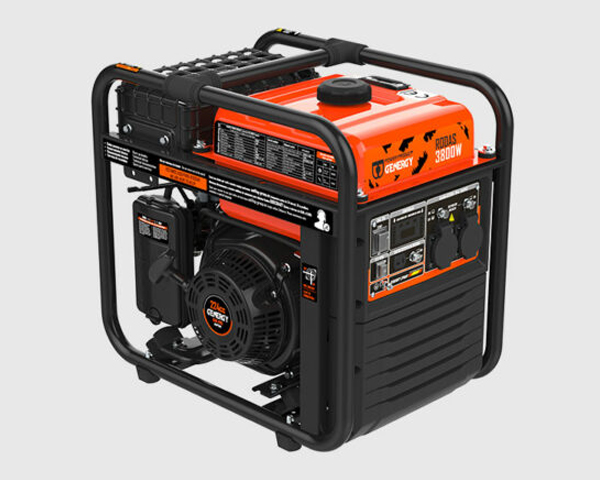
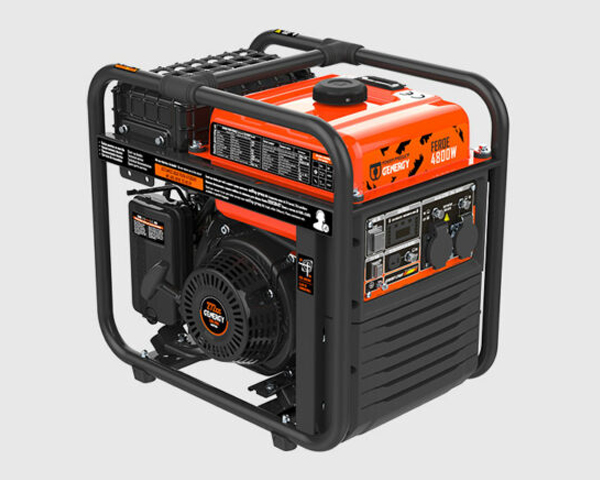
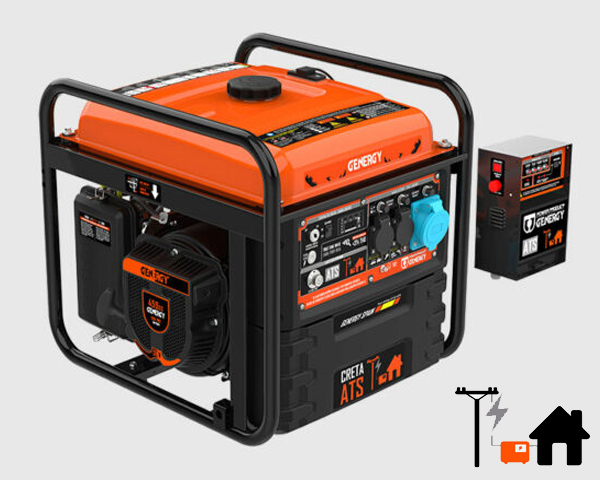
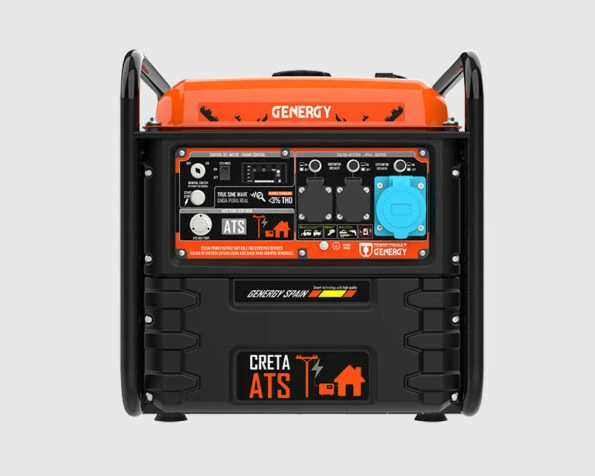
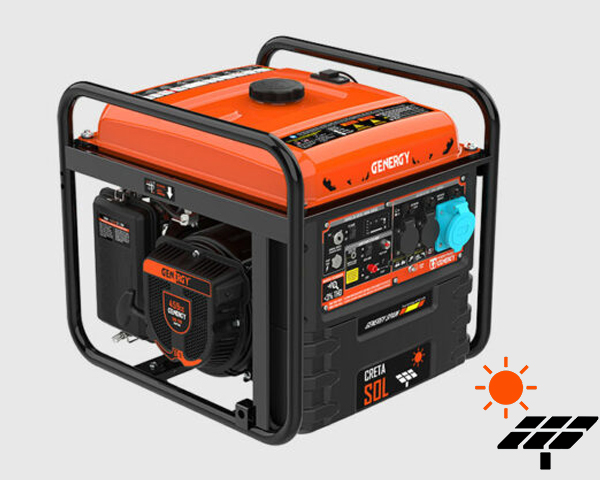
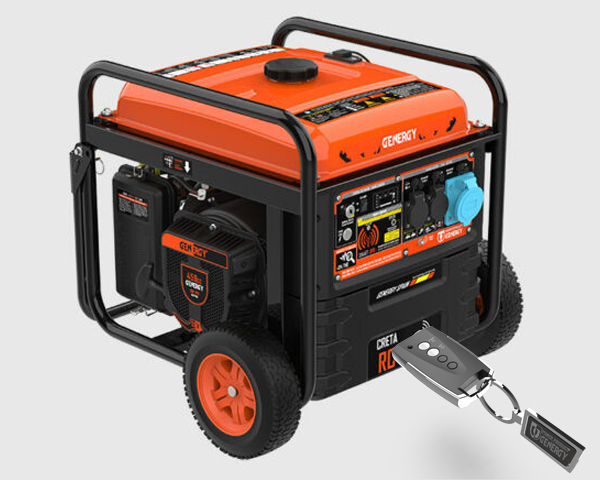
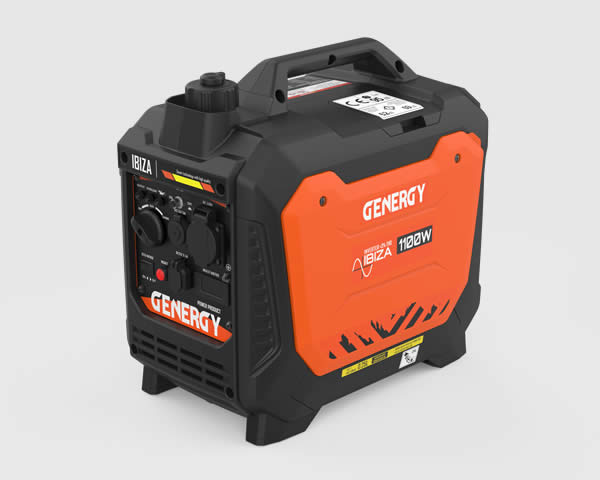
En mi caso, no me quedaría nunca solo con la recomendación genérica. La usaría como punto de partida, sí, pero siempre confirmaría la viscosidad exacta en el manual. Esa es la forma más sencilla de no equivocarte y de alargar la vida del generador. En Genergy somos fabricantes de Generadores electricos.
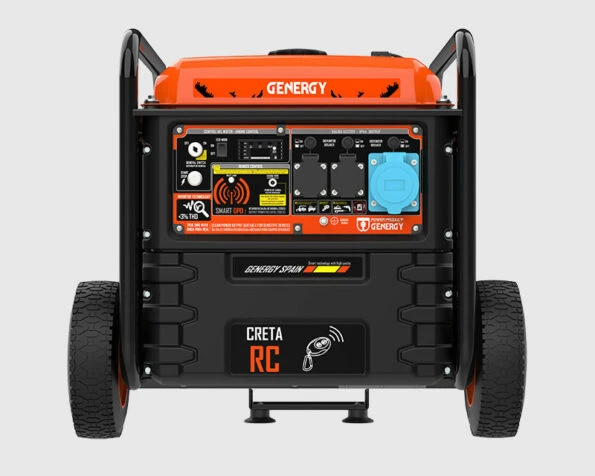
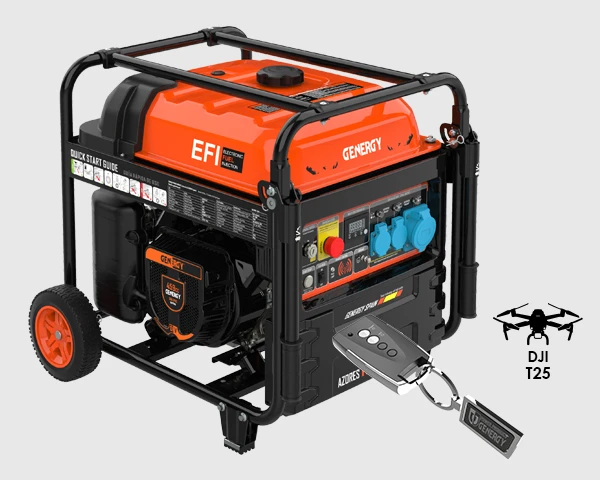
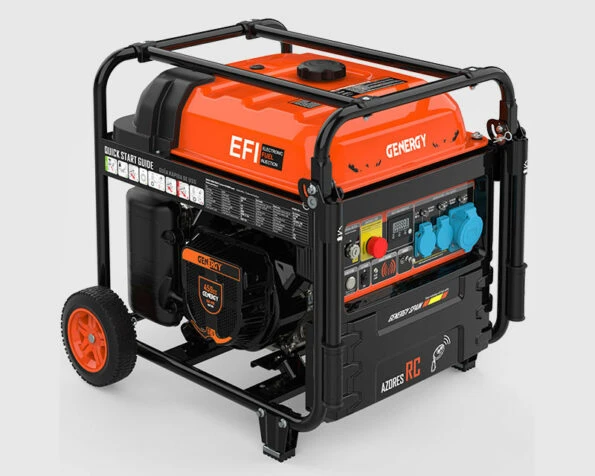
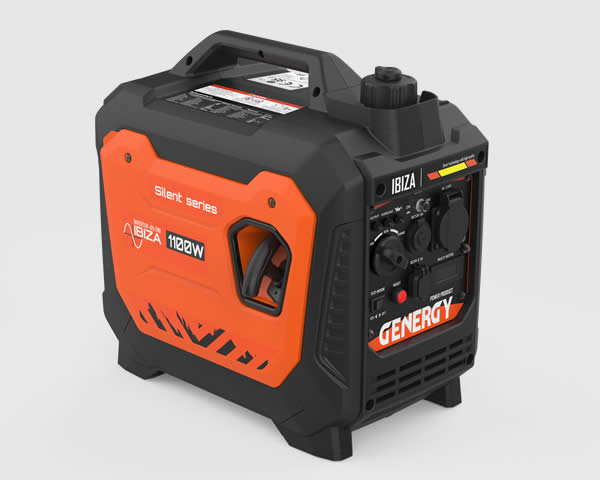
Generadores Genergy que podrian interesarte


Preguntas frecuentes sobre el aceite para generadores de gasolina
¿Qué aceite lleva normalmente un generador de gasolina?
Lo más habitual en generadores de gasolina de 4 tiempos es SAE 10W-30, especialmente para clima templado y uso general.
¿Puedo usar 15W-40 en un generador de gasolina?
Sí, en algunos casos puede ser adecuado, sobre todo en climas cálidos o uso intensivo, pero debes confirmarlo en el manual del fabricante.
¿Cuándo conviene usar SAE 30?
Suele tener sentido en condiciones de calor y en algunos motores concretos que lo admiten como opción recomendada.
¿Es mejor 5W-30 para invierno?
Puede ser una buena elección en climas muy fríos porque facilita mejor el arranque y la lubricación inicial.
¿Es mejor aceite sintético o convencional?
En general, el sintético ofrece mejor protección y más estabilidad, sobre todo si el generador trabaja mucho o en condiciones exigentes.
¿Qué pasa si pongo el aceite equivocado?
El motor puede lubricar peor, arrancar peor en frío, sufrir más desgaste o trabajar con menos protección de la adecuada.