Qué potencia de generador eléctrico necesita una casa (Guía completa 2026)
Una de las preguntas más frecuentes al comprar un generador es:
¿Qué potencia de generador eléctrico necesito para mi casa?
Elegir la potencia correcta es fundamental. Si el generador es demasiado pequeño no podrá alimentar los electrodomésticos necesarios. Si es demasiado grande, el consumo de combustible y el coste del equipo serán mayores de lo necesario.
Calcular la potencia adecuada depende principalmente de:
- los electrodomésticos que quieras utilizar
- el consumo simultáneo de la vivienda
- el tipo de instalación eléctrica
En esta guía explicamos cómo calcular la potencia necesaria y qué generador elegir según el tamaño de la vivienda.
Cómo calcular la potencia de un generador eléctrico
La forma más sencilla de calcular la potencia necesaria es sumar el consumo de los electrodomésticos que quieres alimentar al mismo tiempo.
Cada aparato tiene una potencia diferente.
Por ejemplo:
Electrodoméstico | Potencia aproximada |
nevera | 150–300 W |
televisión | 100–200 W |
microondas | 800–1200 W |
lavadora | 500–1000 W |
700–1500 W | |
aire acondicionado | 1000–2000 W |
Si sumamos varios electrodomésticos, obtenemos la potencia mínima necesaria del generador.
Por ejemplo:
- nevera → Generador 200W
- televisión → Generador 150W
- microondas → Generador 1000W
Total aproximado: 1350 W
En este caso sería recomendable un generador inverter 2000w para tener margen de seguridad.
Potencia recomendada según el tipo de vivienda
Dependiendo del tamaño de la vivienda y del número de equipos, la potencia recomendada puede variar.
Tipo de vivienda | Potencia recomendada |
casa pequeña | Generador 2000–3000W |
vivienda media | Generador 4000W – 6000W |
casa grande | Generador 7000–10000W |
Un generador entre 5000 y 7000 W suele ser suficiente para la mayoría de hogares.
Qué puede alimentar un generador de 3000W
Un generador electrico 3000W suele utilizarse para necesidades básicas.
Puede alimentar:
- iluminación
- nevera
- televisión
- pequeños electrodomésticos
Es una buena solución para emergencias o uso ocasional.
Qué puede alimentar un generador de 5000W
Los generadores de 5000 W permiten alimentar una mayor parte de la vivienda.
Por ejemplo:
- nevera
- iluminación
- televisión
- microondas
- pequeños electrodomésticos
Son una de las opciones más utilizadas para respaldo doméstico en apagones.
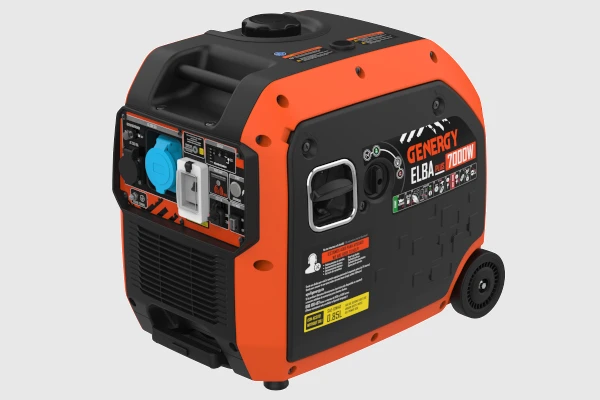
Qué puede alimentar un generador de 7000W
Un generador 7000W ofrece potencia suficiente para alimentar varios equipos simultáneamente.
Puede alimentar:
- electrodomésticos básicos
- bomba de agua
- varios equipos a la vez
Es una opción recomendada para viviendas completas o casas aisladas.
Comparativa de generadores Genergy según potencia
A continuación se muestran algunos ejemplos de generadores adecuados según la potencia necesaria.
Modelo | Potencia | Tipo | Uso recomendado | Ruido |
Limited 3000 Diesel | 3000 W | diésel | uso básico | medio |
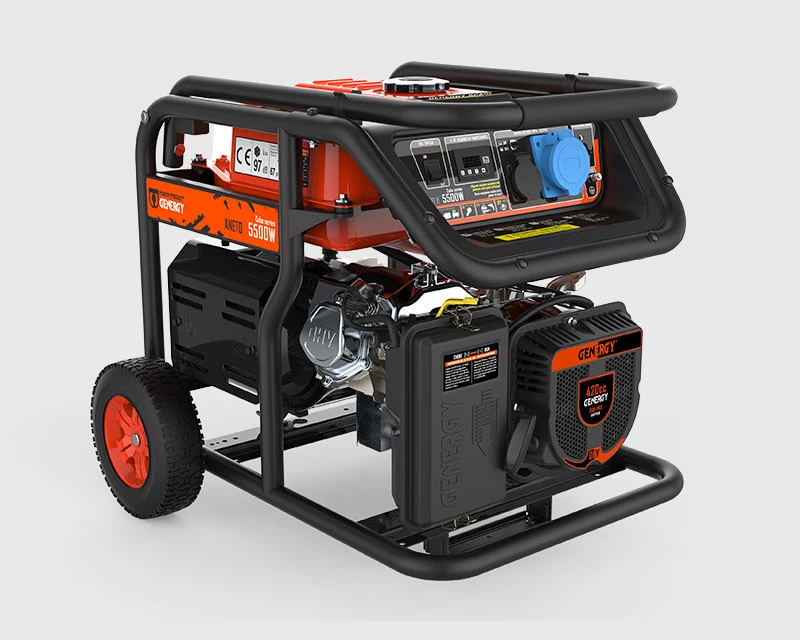
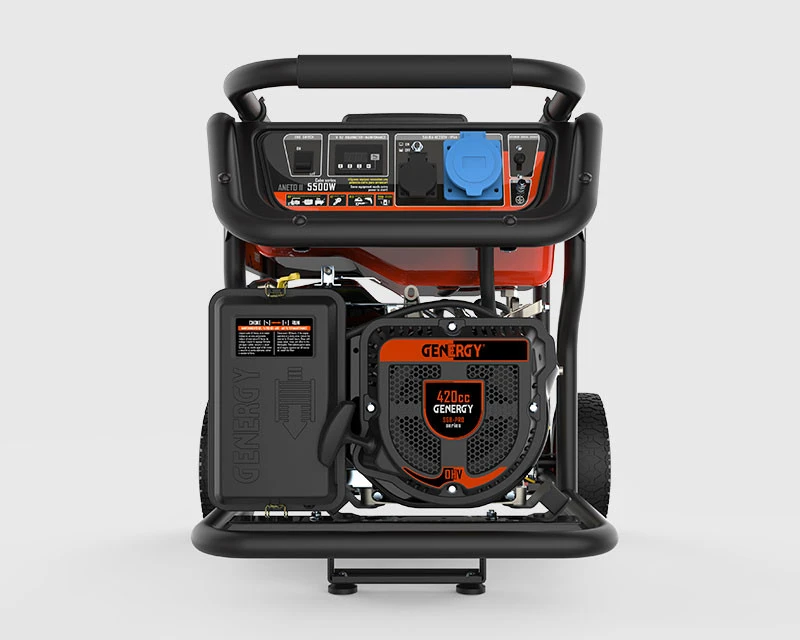
Limited 7000 | 5500 W | gasolina | vivienda media | medio |
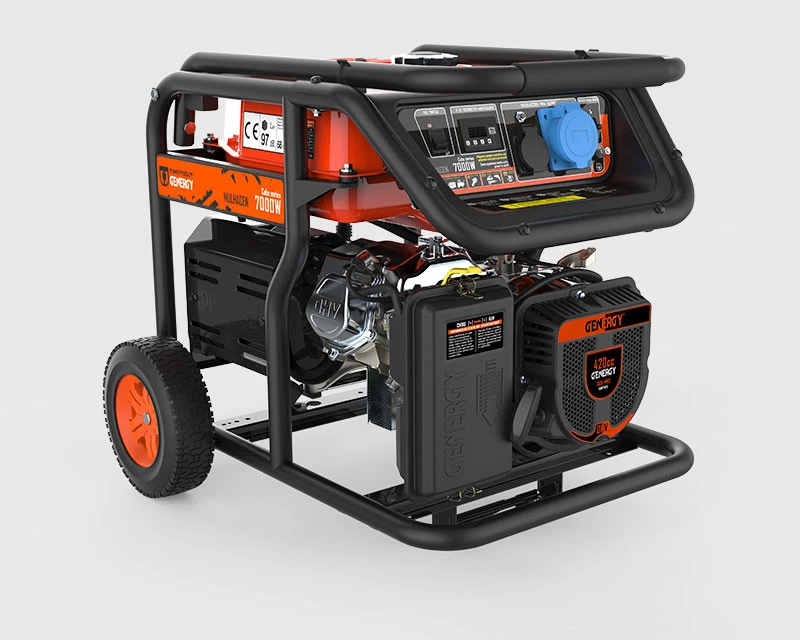
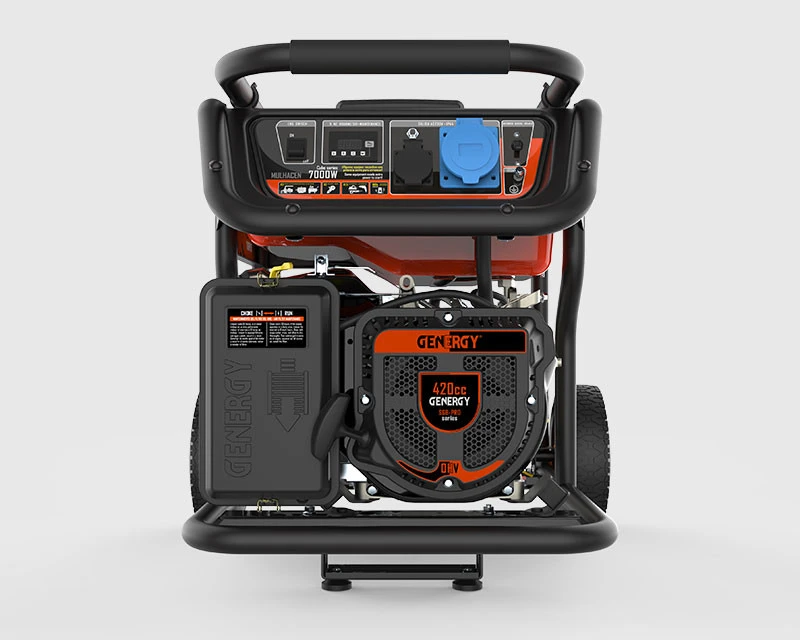
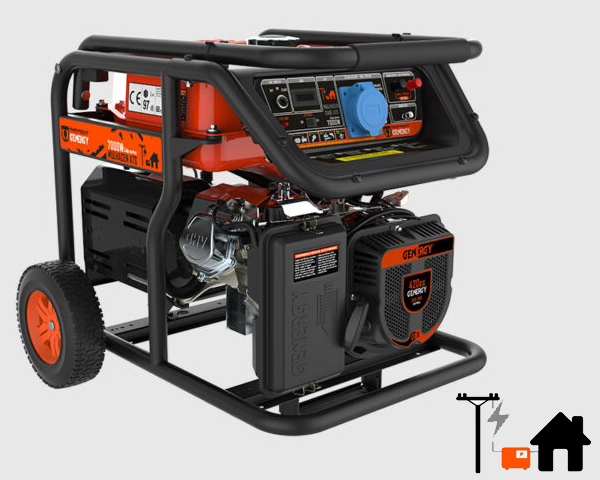
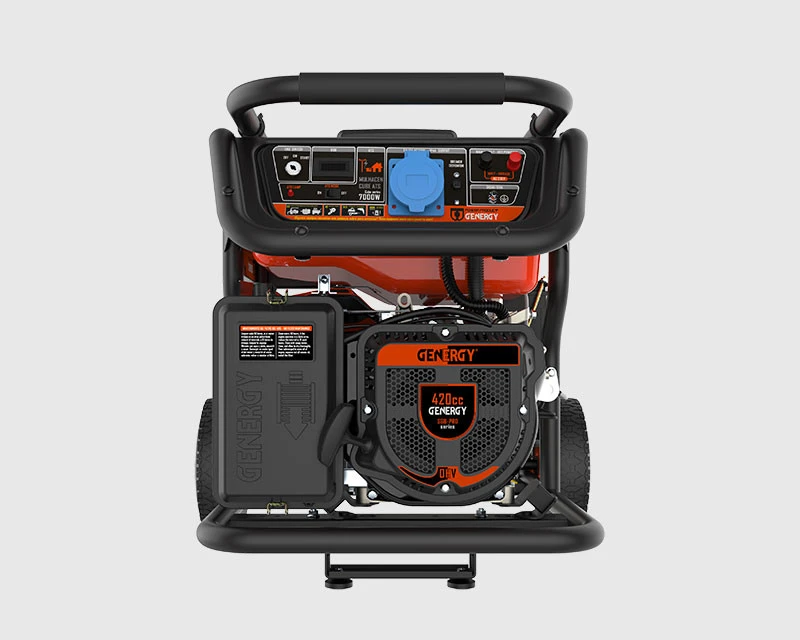
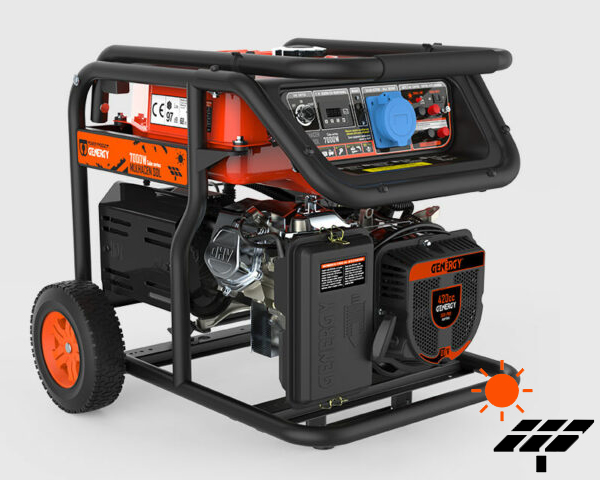
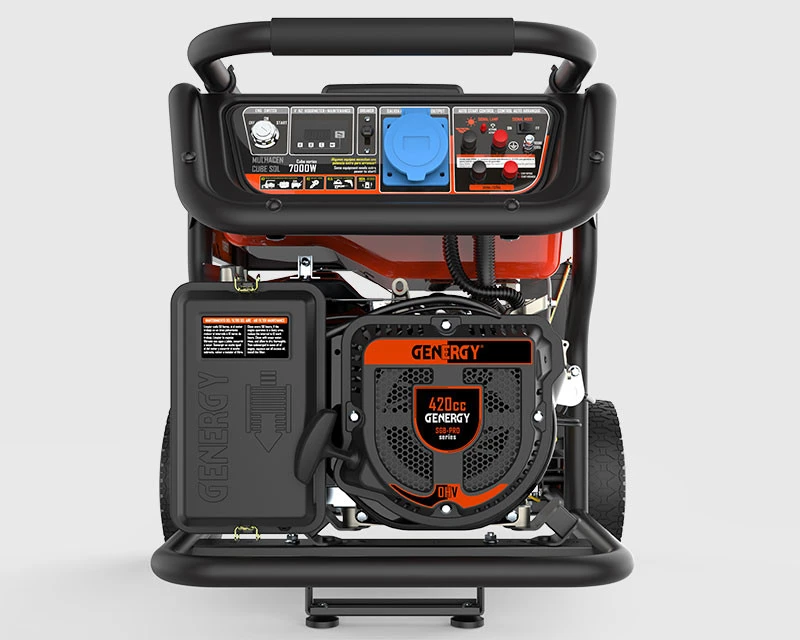
Mulhacén SOL 7000W | 7000 W | respaldo solar | casa con placas solares | medio |
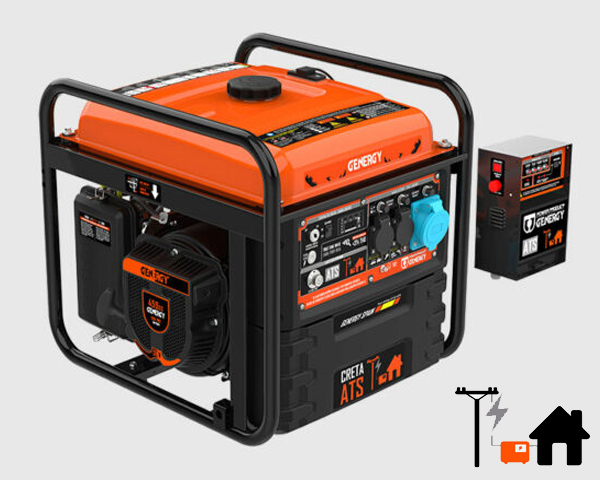
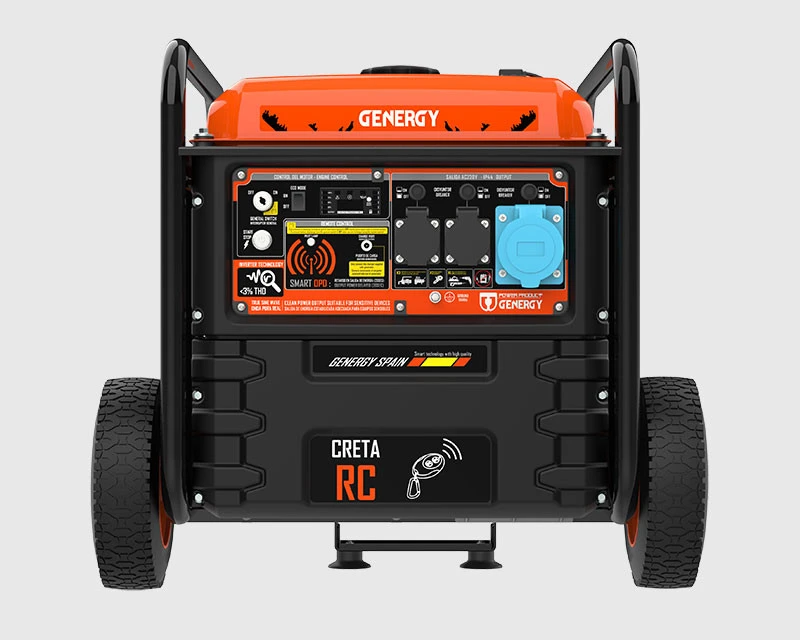
Creta SOL Silent 7500W | 7500 W | inverter | vivienda completa | bajo |
Estos modelos cubren la mayoría de necesidades domésticas.
Comparación rápida
Mejor generador según potencia:
mejor generador 3000W
→ Limited 3000 Diesel
mejor generador para vivienda media
→ Limited 7000
mejor generador para casa con placas solares
→ Mulhacén SOL 7000W
mejor generador doméstico avanzado
→ Creta SOL Silent 7500W
Consejos para elegir la potencia correcta
Al elegir un generador eléctrico para casa conviene tener en cuenta varios factores.
Primero, calcular el consumo de los electrodomésticos que se utilizarán al mismo tiempo.
Segundo, añadir un margen de seguridad del 20–30 % de potencia adicional.
Esto evita que el generador funcione siempre al máximo rendimiento.
También es recomendable considerar si el generador se utilizará para:
- apagones ocasionales
- viviendas aisladas
- sistemas solares
Cada uso puede requerir una potencia diferente.
Tabla orientativa de potencia para grupos electrógenos
| Potencia del grupo electrógeno | Uso recomendado | Equipos habituales |
|---|---|---|
| 1.000 – 2.000 W | Uso doméstico básico | Iluminación, TV, router, cargadores |
| 2.000 – 3.500 W | Hogar y camping | Nevera, microondas, herramientas pequeñas |
| 3.500 – 5.000 W | Viviendas y pequeños negocios | Aires acondicionados pequeños, bombas de agua, herramientas eléctricas |
| 5.000 – 8.000 W | Obras y uso profesional | Compresores, maquinaria ligera, soldadores pequeños |
| 8.000 – 15.000 W | Empresas y eventos | Oficinas, comercios, maquinaria industrial ligera |
| 15.000 – 30.000 W | Industria y construcción | Grandes herramientas, equipos trifásicos, sistemas de respaldo |
| 30.000 – 100.000 W | Aplicaciones industriales | Fábricas, hospitales, centros logísticos |
| Más de 100.000 W | Proyectos industriales de gran escala | Plantas industriales, minería, infraestructuras críticas |
Siempre se recomienda dimensionar el grupo electrógeno con un margen del 20-30% sobre la potencia grupo elctrogeno total de los equipos para soportar los picos de arranque de motores, bombas y compresores.
Generadores como respaldo para sistemas solares
Muchos hogares utilizan generadores como respaldo de sistemas fotovoltaicos.
En este caso el generador permite:
- cargar baterías solares
- mantener suministro energético
- garantizar electricidad en días nublados
Los generadores de respaldo solar están diseñados para trabajar junto a instalaciones fotovoltaicas.
Conclusión
Elegir la potencia correcta de un generador eléctrico es fundamental para garantizar el suministro energético de una vivienda.
Un generador demasiado pequeño no podrá alimentar los electrodomésticos necesarios, mientras que uno demasiado grande puede resultar innecesariamente costoso.
Para la mayoría de hogares, un generador entre 5000 y 7000 W ofrece el mejor equilibrio entre potencia, consumo y coste.
Generadores que podrian interesarte
Preguntas frecuentes
Qué potencia de generador necesita una casa
Para la mayoría de viviendas se recomienda un generador entre 5000 y 7000 W, dependiendo del número de electrodomésticos.
Cómo calcular la potencia de un generador
Se suman los consumos de los electrodomésticos que se utilizarán simultáneamente y se añade un margen de seguridad del 20 %.
Qué generador es mejor para una casa
Los generadores inverter o los generadores de 5000–7000 W suelen ser los más adecuados para uso doméstico.