How an Electric Generator Works: A Simple, Step-by-Step Explanation
When someone asks me how an electric generator works, I like to start with a simple idea: it doesn’t create energy out of thin air—it transforms it. In this case, it converts mechanical energy—that is, motion—into electrical energy. And it does so thanks to a key physical principle: electromagnetic induction.
Put that way, it might sound technical, but the mechanism is actually quite logical. In my case, the clearest way to understand it is to imagine a system in which a motor spins a moving part—the rotor, inside a fixed part, the stator, which contains coils of wire. That rotation alters the magnetic field and causes electrons to move. That is where the electric current comes from.
What’s interesting is that electric generators are found in a wide variety of settings: from emergency generators to large power plants. That’s why understanding how they work isn’t just about passing an exam or clearing up a specific doubt; it also helps you better understand how electricity is produced and used in practice.
What is an electric generator, and what exactly does it do?
What exactly is an electric generator? An electric generator is a machine that converts mechanical energy into electrical energy. Mechanical energy can come from various sources: an internal combustion engine, a hydraulic turbine, wind, or even pressurized steam. What matters is not so much where the motion comes from, but what happens to it next.
There’s a common misconception here: many people say that a generator “produces” energy. In reality, it doesn’t produce it, but rather converts. This is important because it explains why it always needs a prior source of motion. Without rotation, without mechanical force, no electricity is generated.
I usually summarize it this way: the generator takes mechanical motion and converts it into electrical current by changing the magnetic field. This explanation aligns well with the more technical one, but it also makes it easier to understand without getting too complicated right from the start.
What a generator does and what it doesn't do
A generator does not create energy or multiply it. What it does is take input energy and convert it into a different form of energy. In this case:
- Input: mechanical energy
- Output: electrical power
This also explains why there are losses during the process. Some of the energy is dissipated as heat, friction, or noise. In other words, no generator is 100% efficient. Even so, the operating principle remains the same: harnessing motion to induce a current in a conductor.
How an Electric Generator Works
Now, let's get to the heart of the matter. The operation of an electric generator is based on electromagnetic induction, a principle that explains how an electric current is generated when a conductor is exposed to a changing magnetic field.
In practice, the process usually works like this: a motor or mechanical force causes the rotor to spin. The rotor acts as a magnet or as an element that generates a magnetic field. As it spins inside the stator, where the stationary coils are located, the magnetic field changes. This change induces the movement of electrons in the wires, and this flow of electrons is what we know as electric current.
To me, this seems like the clearest way to explain it: motion + variable magnetic field + coils = electricity. It’s a simplification, yes, but a very useful one for understanding the system without losing accuracy.
Electromagnetic Induction Explained Simply
If I had to explain it as simply as possible, I would say that electricity is generated because the generator “forces” the electrons to move. How does it do that? By changing the magnetic field around the coils.
That change does not happen by chance. It occurs because a moving part rotates and continuously alters the position of the magnetic field relative to the conductors. When the field changes, the electrons react and begin to move. That orderly movement is the electric current.
So, when I tried to simplify this concept to make it easier to understand, I settled on this idea: a generator uses motion to create a changing magnetic field, and that change causes the electrons to move. It’s a pretty accurate way to summarize what happens inside.
What roles do the rotor and stator play?
Two key factors come into play here:
Rotor
The rotor is the part that rotates. It is usually connected to the mechanical power source. Depending on the generator's design, it may contain magnets or components that generate the magnetic field.
Stator
The stator is the stationary part. It typically contains the coils of conductive wire in which an electric current is induced.
The relationship between the two is the key to the system. In my experience explaining it, once you say that the rotor spins inside the stator, everything starts to make sense. It no longer seems like a black box or a mysterious machine; it looks like a fairly logical physical mechanism. The rotor provides the motion and the magnetic field; the stator picks up that variation in its coils and converts the phenomenon into usable electricity.
How a Generator Produces Electricity, Step by Step
A good way to really understand it is to break down the process into stages.
From mechanical motion to a magnetic field
It all starts with a source of mechanical energy. It could be a gasoline engine, a water-powered turbine, a wind-driven propeller, or any other system that generates rotation.
That motion is transmitted to the rotor. As it rotates, the rotor continuously changes the position of the magnetic field. In other words, it creates the conditions necessary for electromagnetic induction to occur.
To put it simply: if there is no rotation, there is no change in polarity; and if there is no change in polarity, no current is generated.
From the magnetic field to the electric current
Once the rotor is spinning, the varying magnetic field affects the stator coils. This induces an electric potential difference, which sets the flow of electrons in motion.
That’s the key point. I’d explain it this way: the changing magnetic field “pushes” the electrons in the conductor, causing a current to flow. That current can leave the generator and be used to power devices or electrical systems, or it can be stored, depending on the situation.
Seen this way, the sequence is quite clear:
- A mechanical fountain creates movement.
- The rotor is spinning.
- The magnetic field changes.
- The stator windings receive that variation.
- An electric current is induced.
This step-by-step guide is usually exactly what users are looking for when they type “how does an electric generator work” into Google.
Main components of an electric generator
To fully understand how it works, it’s also helpful to know its most important components.
Rotor
The rotor is the moving part of the generator. Its main function is to rotate and help create the magnetic field needed to induce electricity. In many cases, it is directly connected to the shaft of the motor or turbine that supplies the mechanical energy.
It is an essential component because it converts external motion into the internal phenomenon that triggers the entire electrical process.
Stator
The stator is the stationary part. This is where the coils or conductive windings are located, in which the current is generated. Although it does not move, it plays a key role: it is where mechanical energy, already converted into a varying magnetic field, is ultimately transformed into electrical energy.
I like to describe it as the “receiver” of the process. The rotor causes the change; the stator captures that change and converts it into electricity.
Coils, brushes, and commutator
Coils are the conductors in which current is induced. Their design has a significant impact on the generator's performance.
Some types of generators also include other components, such as brushes and commutators, which help transfer or rectify the current depending on the machine's design. This is where the differences between dynamos, alternators, and other systems begin.
You don't need to memorize every part to understand how it works overall, but it's worth keeping this in mind: without coils and without a changing magnetic field, there is no electricity generation.
Types of Electric Generators
Although the basic principle remains the same, not all generators work exactly the same way or produce the same type of current.
Alternator
The alternator normally generates alternating current (AC). It is very common in modern vehicles, installations, and power generation systems. Its operation follows the same principle of electromagnetic induction, but it is designed to efficiently deliver alternating current.
Dinamo
The dynamo generates direct current (DC). It has historically been very important and still serves as an excellent illustration of the concept of converting mechanical energy into electrical energy.
Single-phase and three-phase
Another important classification has to do with the type of electrical output. A generator can be:
- Single-Phase Generator, more commonly used in simple or residential applications.
- Three-Phase Generator, most commonly used in industrial settings or environments with higher demand.
For an SEO article like this, it’s worth mentioning because it addresses related questions, but without straying too far from the main focus, which remains understanding how it works.
Why understanding how it works matters in practice
Understanding how an electric generator works is not just a theoretical matter. It helps you choose the right equipment, understand its limitations, identify basic malfunctions, and grasp why it always relies on a source of motion.
In my experience, the most helpful way to look at it is this: it all revolves around a conversion. There is motion; that motion spins the rotor; the rotor alters the magnetic field inside the stator; and that change ultimately generates an electric current. Once you understand that sequence, everything else—types of generators, internal components, differences between AC and DC—becomes much easier to grasp.
Conclusion
An electric generator works by converting mechanical energy into electrical energy through electromagnetic induction. To do this, it uses a moving part, the rotor, and a stationary part, the stator. When the rotor spins, it creates a changing magnetic field that induces the movement of electrons in the stator coils, thereby generating an electric current.
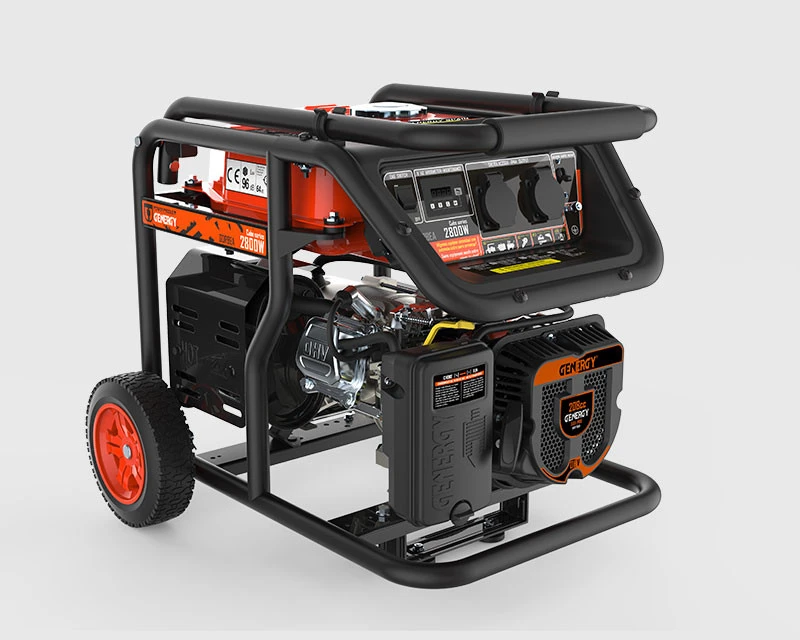
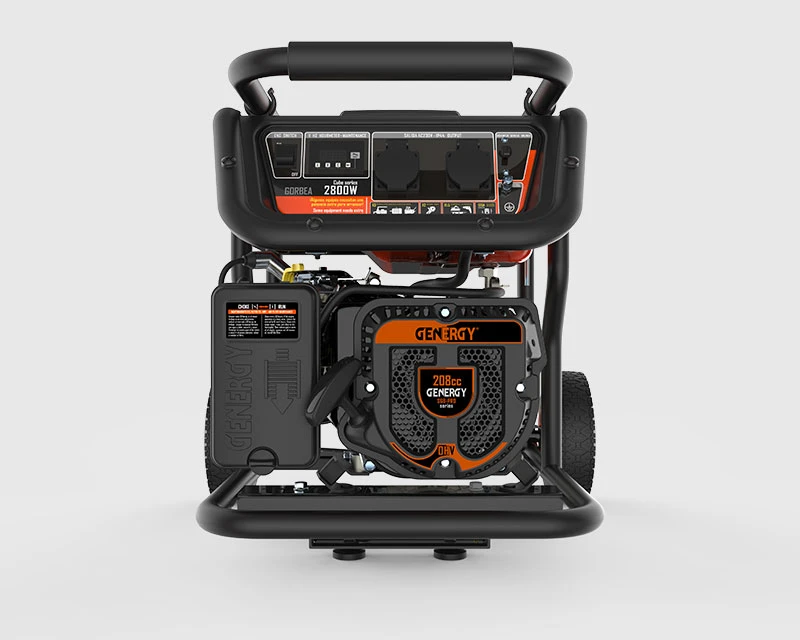
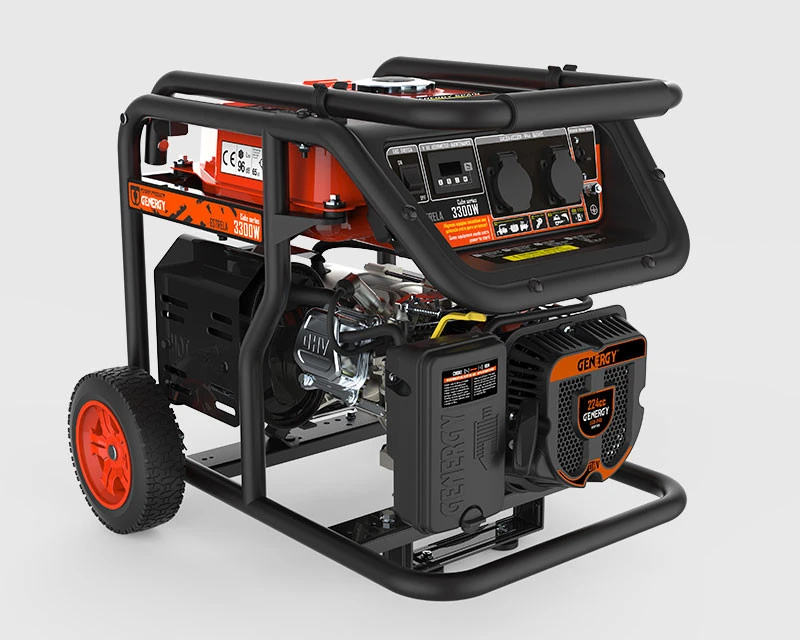
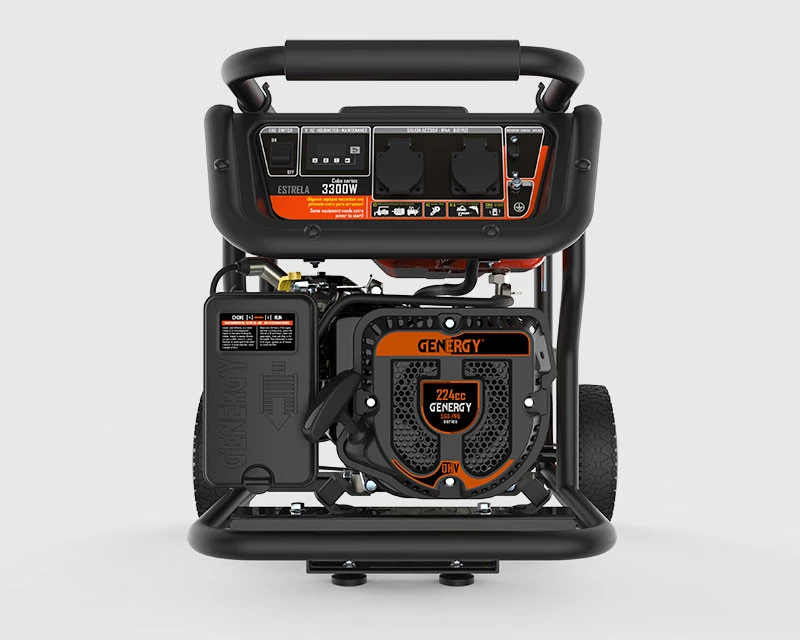
If I had to sum it up in a single sentence, it would be this: A generator converts motion into electricity through the interaction between magnetism and conductors. That is the basis of how they work. At Genergy, we are manufacturers of electric generators in Spain and we offer a wide variety of electric generators!
Genergy products you might be interested in
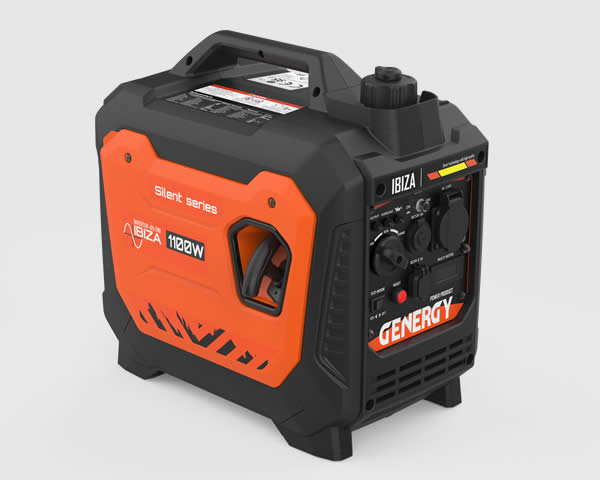
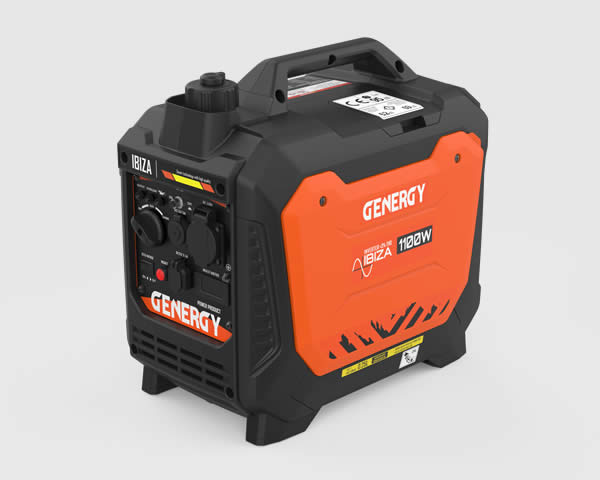
Frequently Asked Questions About How a Generator Works
How does an electric generator work? An easy explanation.
It works by converting motion into electricity. A rotor spins inside a stator, changing the magnetic field, and that change induces a current in the coils.
What does a generator need to produce electricity?
It requires a mechanical power source, a rotor, a stator, and a variable magnetic field.
Does it generate energy or convert it?
It converts it. This is probably the most important point in the entire article. An electric generator does not create energy out of thin air. It takes mechanical energy and converts it into electrical energy.
What is the most important part of an electric generator?
There isn't just one. The rotor and stator work together. Without the rotor spinning and without the stator coils, the system cannot generate current.
What is the difference between alternating current and direct current?
Alternating current changes direction periodically, while direct current flows in a single direction. Depending on the type of generator, the output will be one or the other.
Are an electric generator and an alternator the same thing?
Not exactly. An alternator is a type of generator, typically designed to produce alternating current.
Why is an electric current generated when the rotor spins?
Because the rotation of the rotor causes the magnetic field to change relative to the stator coils. This change induces the movement of electrons and, therefore, an electric current.
What roles do the rotor and stator play?
The rotor rotates and generates a changing magnetic field. The stator remains stationary and contains the coils in which electricity is induced.
Can an electric generator operate without a motor?
It can operate without a conventional motor, but not without a source of mechanical energy. Instead of a motor, it can use a turbine, wind, water, or any other system that causes rotation.