Types of solar panel mounts: which to choose based on the type of installation
By the Genergy technical team · Spanish manufacturer of generators and solar energy systems (+15 years) · updated in July 2026 · 8 min read.
Table of contents
Choosing well among the different types of solar panel mounts is more important than it seems. The mount doesn't just hold the panel: it also determines the tilt, the orientation, the stability and, in part, the performance of the whole installation. And note that choosing the mount is a different decision from choosing the type of panel (see the types of solar panels if you're still unsure which panel to use).
The first thing to consider is not the specific mount model, but the surface where the panels will be installed: a home with a pitched roof doesn't need the same mount as a flat roof or a ground-mounted installation. And if you also want to adjust the angle to get the most out of energy capture, adjustment and orientation come into play. That's why the most useful way to understand the topic is to separate mounts by installation surface and by the tilt adjustment they allow.
What a solar panel mount is and why it matters
A solar panel mount is the structure that fixes the panels to a specific surface and keeps them in the right position. It may seem like a secondary element, but it isn't: a poor choice can complicate the installation, reduce performance or limit future expansions.
How it affects orientation and tilt
Orientation defines which way the panel faces, and tilt defines the angle at which it captures solar radiation. A suitable mount places the modules in an efficient, stable position that is compatible with the surface. On roofs that already have a favorable pitch, a simple structure may be enough; on flat surfaces or with a poor angle, the structure must correct that position so the panel performs better.
Why not all mounts work for every surface
It makes no sense to use the same mounting system on a pitched tile roof as on a flat rooftop or a ground installation. Each surface requires a different way of fastening, distributing loads and adjusting the angle. The starting rule is always the same: first look at where the panels will go, then choose the structure.
Types of solar panel mounts by surface
Mounts for pitched roofs
On pitched roofs, the usual approach is to use structures that take advantage of the roof's natural slope. If the roof already offers a good angle, a raised structure is not always needed: often it is enough to fix the panel securely and integrated onto the roof. This is the most common case in single-family homes.
Mounts for flat roofs
Here the logic changes. On a flat roof, the panel can't be laid flat on the surface if you want to optimize energy capture: a tilted structure is usually needed to give the module the required angle. On a flat roof, the structure doesn't just hold the panel, it also corrects the geometry of the installation. It is common to use ballasted or counterweight mounts to avoid drilling into the roof.
Ground-mounted structures for solar panels
When panels are installed directly on the ground, the structure takes center stage: there is more freedom to orient and tilt, but you also have to consider stability, strength and adaptation to the terrain. They make sense when you don't want to or can't use the roof, or when you are looking for a larger installation that is easy to expand.
Mounts for facades or special installations
There are also structures for facades, pergolas or special installations. They are not the most common in standard residential self-consumption, but they fit projects with space limitations or specific design requirements.
Types of structures by mounting angle
Flush-mounted systems
They place the panel following the same plane as the roof. They make sense when the roof already has a suitable pitch and there is no need to correct the angle. Their advantage is integration: they fix the modules securely and neatly when the roof already works in favor of performance.
Tilted mounts
They are used when the surface doesn't offer the right angle on its own. They are very common on flat roofs, where the structure must raise the panel and give it the necessary tilt. Here the mount stops being just a fixing base and becomes an active component of performance.
Adjustable or tilt-adjustable structures
Some mounts allow the angle to be adjusted. This is useful when you want to optimize energy capture or adapt the installation to specific conditions. It isn't always necessary, but when the goal is to fine-tune performance or work in a demanding environment, it may be worth considering.
Summary table of mount types
| Surface | Usual mount | Key point |
|---|---|---|
| Pitched roof | Flush-mounted (integrated into the roof) | Takes advantage of the slope; secure fastening |
| Flat roof | Tilted, often ballasted/counterweighted | Provides the angle; watch load distribution and shading between rows |
| Ground | Driven-pile or base-mounted structure | Freedom of orientation; stability and terrain |
| Facade / pergola | Special structure | Limited space or design requirements |
Which solar panel mount suits each case
For homes with a pitched roof
If the roof is pitched and well oriented, the usual choice is a structure that takes advantage of that geometry. A flush-mounted solution usually makes sense for its simplicity, integration and stability. If you are also installing a complete system, it's worth considering it as a whole rather than as separate parts: see the all-inclusive photovoltaic systems.
For flat roofs
The sensible choice is a tilted structure. The key is to achieve a good capture angle without compromising stability or space, taking care of load distribution and the spacing between rows to avoid shading.
For off-grid installations
In off-grid systems, the mount is designed as part of the complete system. What matters is that it facilitates good energy capture and fits into a properly sized installation, together with the off-grid inverter and storage.
For those who want to optimize performance
If the goal is to maximize energy capture, adjustment or regulation of the mount can add value. It is not always the most cost-effective option, but in certain installations it makes the difference.
What to consider before choosing a solar structure
Before choosing a mount, it's worth reviewing four points: the type of roof (the surface rules: installation differs on tile, sheet metal, flat roof or ground); the real orientation and available space, not the ideal; the strength, stability and fastening, thinking about safety and durability, not just price; and the possibility of future expansion, important if the system may grow over time (scalable systems help here).
Common mistakes when choosing solar panel mounts
Several are repeated: choosing only on price (a cheap mount ends up expensive if it doesn't fit well or complicates assembly); not adapting the structure to the surface (forcing one that doesn't suit it ends in worse performance); ignoring the real pitch of the roof (not all pitched roofs are equal, the angle matters); and not thinking about the complete system, when the mount is part of an installation that may also need backup, such as a solar backup generator.
Genergy solar solutions
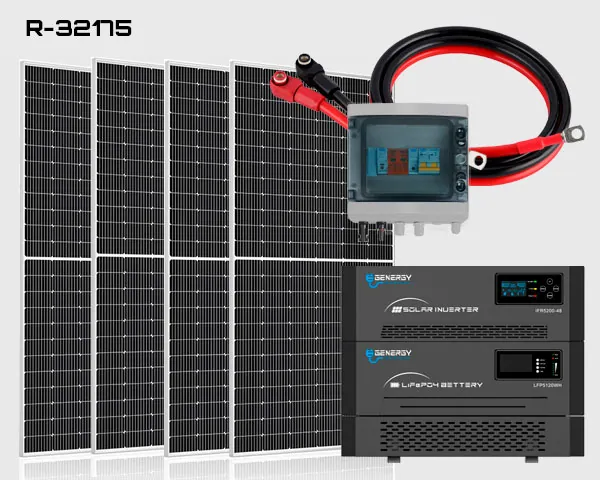
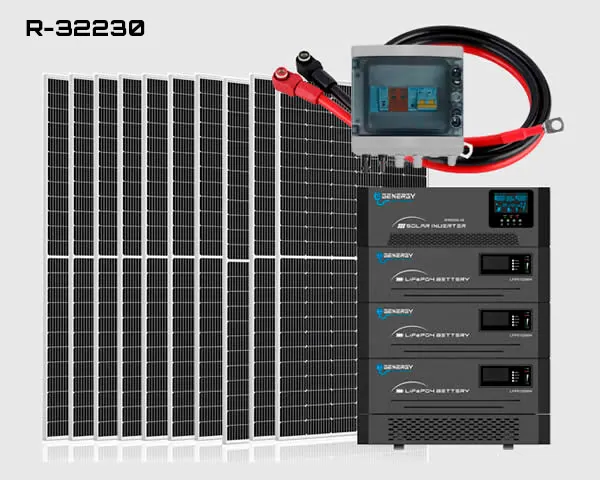
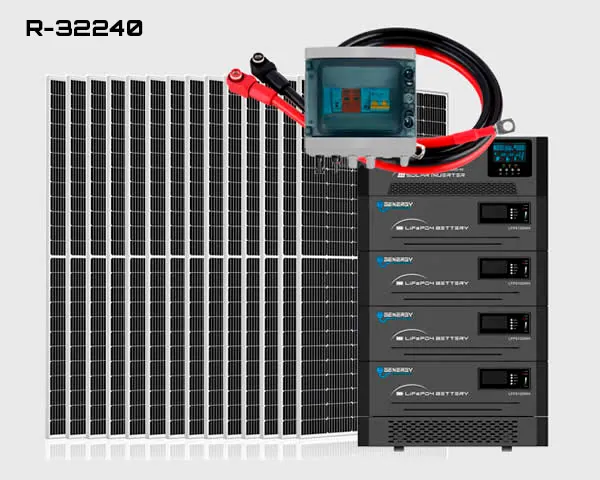
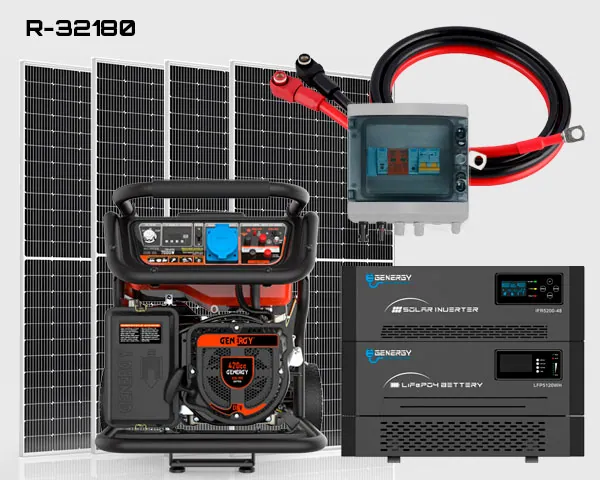
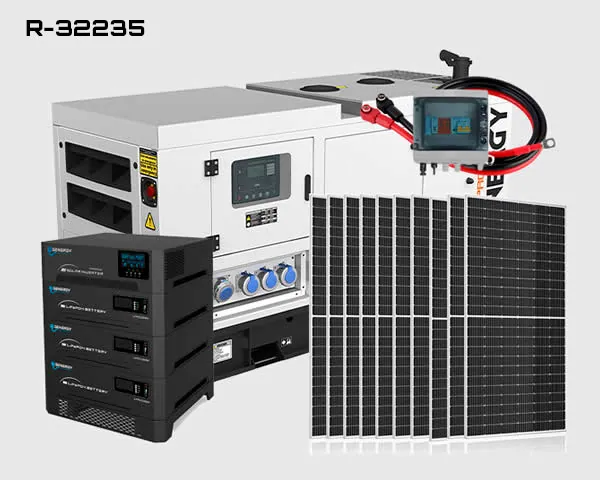
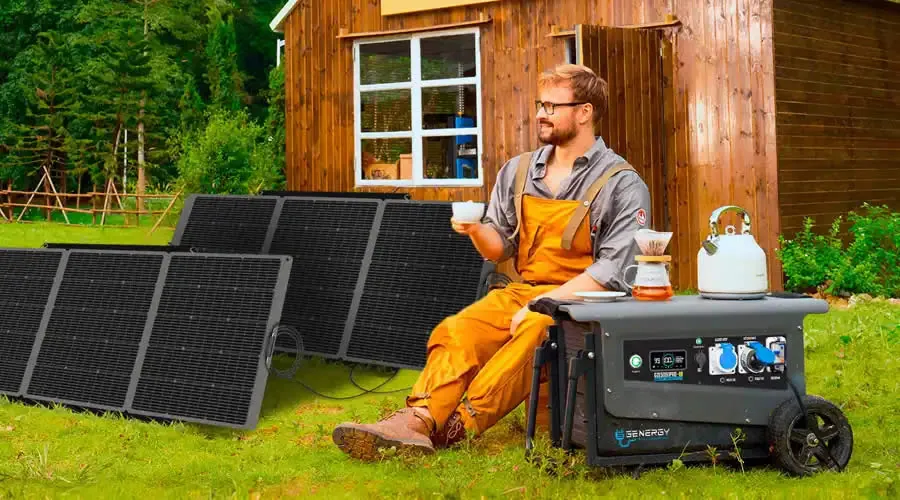
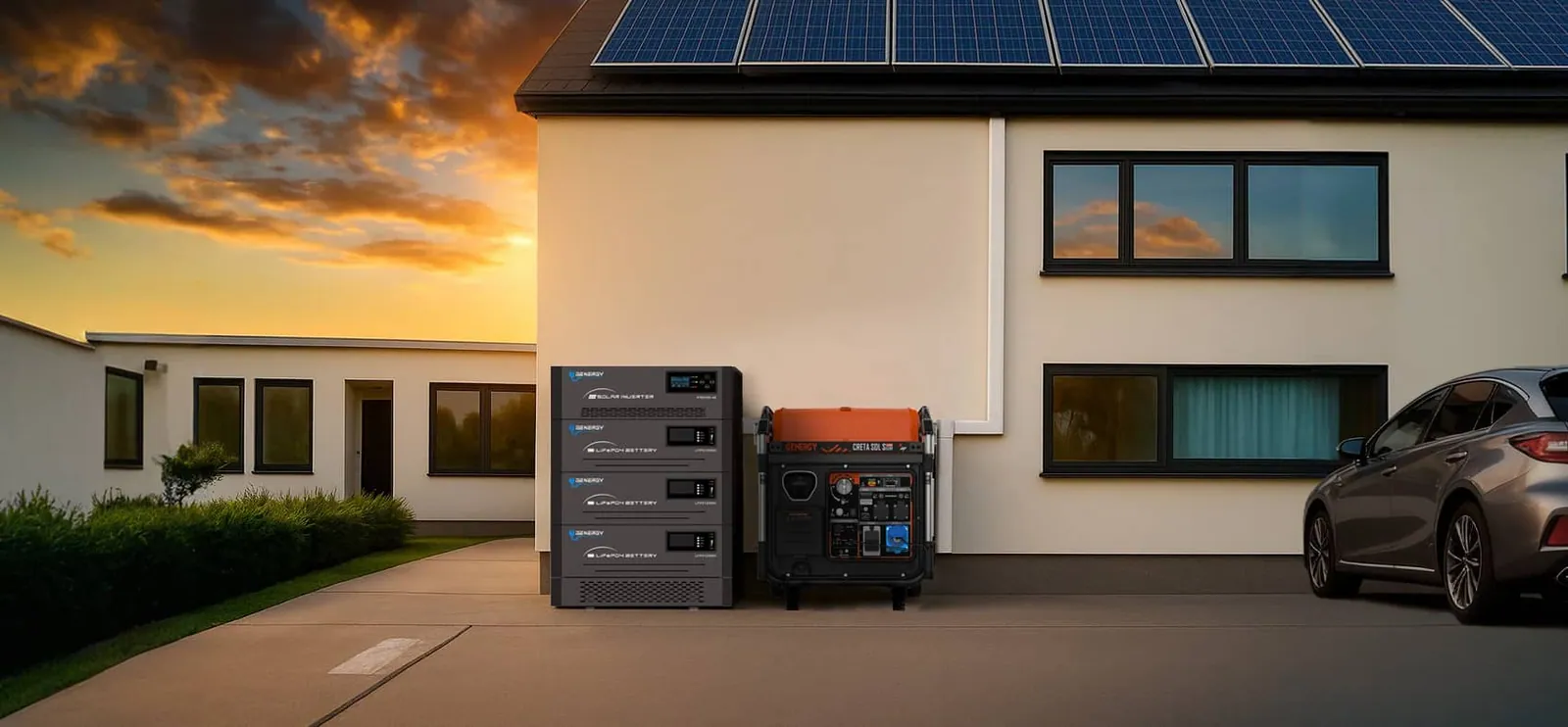
Genergy manufactures ready-to-use solar systems (all-inclusive kits and power stations), with or without a backup generator. If you're setting up your installation, these kits approach the system as a whole. Filter by what you're looking for:
Plan Solar Rigel
Plan Solar Sigma
Plan Solar Pegasus
Plan Solar Rigel Backup-A
Plan Solar Sigma Backup-A
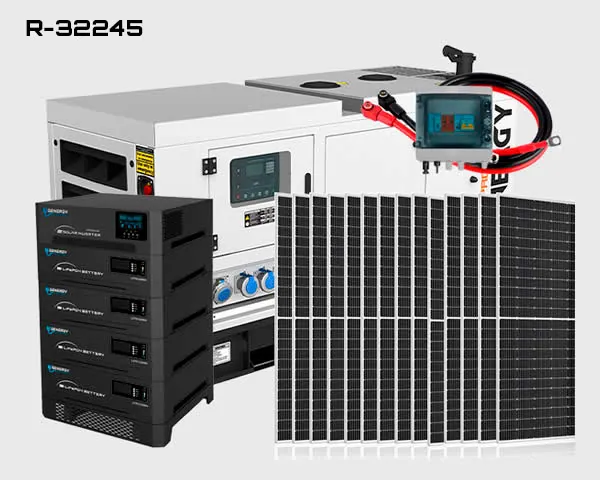
Plan Solar Pegasus Backup-A
👉 See the full solar range: All-inclusive systems · Portable solar panels · Off-grid inverter · Questions? talk to a technician.
Setting up a solar installation and have questions?
Genergy manufactures solar kits and photovoltaic backup systems. Tell us about your roof and your consumption and we'll help you design the complete system. No obligation.
Talk to a Genergy technicianConclusion
The types of solar panel mounts are best understood by sorting them with two questions: where the panels are installed and what angle adjustment you need. On a pitched roof, the slope is used (flush-mounted); on a flat roof, a tilted structure is used, often ballasted; on the ground, a stable structure with freedom of orientation; and if you want to fine-tune performance, adjustment comes into play. The choice of mount changes completely depending on the surface, so it should be treated as a technical decision that directly influences the final result of the installation.
Related categories
Related topics
Frequently asked questions about solar panel mounts
What types of solar panel mounts are there?
They are classified by installation surface (pitched roof, flat roof, ground and special structures such as facade or pergola) and by mounting angle (flush-mounted, tilted or adjustable).
What is the difference between a flush-mounted and a tilted mount?
The flush-mounted type follows the same plane as the roof and is used when the roof already has a suitable pitch. The tilted type corrects the panel's angle and is more common on flat roofs or roofs with little slope.
Which mount suits a flat roof?
A tilted structure is usually the right choice, because it gives the panel a more favorable angle to capture radiation and improve performance. On a flat roof, it is common to use ballasted or counterweight mounts to avoid drilling into the roof.
Which mount is used on a pitched roof?
The usual choice is a flush-mounted structure or a solution that takes advantage of the roof's natural slope, as long as the angle is suitable. It is the most common option in single-family homes.
What are counterweight or ballasted mounts?
They are structures stabilized with weight (blocks or ballast) instead of drilling into the roof. They are common on flat roofs where you don't want to or can't drill, as they prevent leaks and preserve the roof's warranty.
What types of anchors are there for solar panels?
They depend on the roof: hooks or screws for tile, self-drilling screws or profiles for sheet metal, and ballasted bases for flat roofs. The right anchor is the one that fastens securely without compromising watertightness or the structure.
When is a ground-mounted structure a good idea?
When you don't want to use the roof, when there is space available on the ground, or when you are looking for a larger installation that is easy to expand. On the ground there is more freedom of orientation, but you have to take care of stability and adaptation to the terrain.
Can a solar pergola be built?
Yes. Pergola or canopy-type structures are a special installation that integrates the panels as the cover of an area (parking, terrace). They fit when roof space is limited or when you want a dual aesthetic and shade function.
Does an adjustable mount improve performance?
It can help when you want to fine-tune the panel's angle according to the time of year. It isn't always necessary, but it adds value in installations where the adjustment greatly influences energy capture.
What material are solar panel mounts made of?
The most common is aluminum (lightweight and corrosion-resistant) and stainless or galvanized steel for the fasteners and more demanding parts. The goal is for them to withstand years outdoors without degrading.