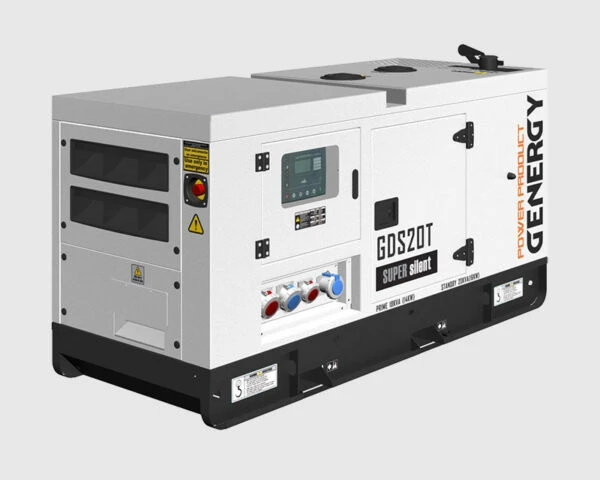
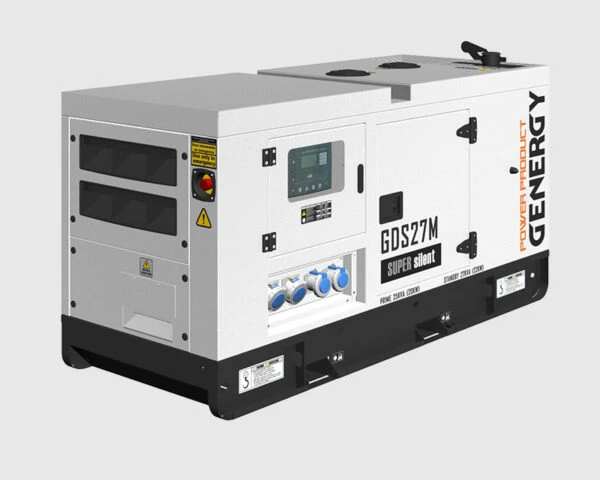
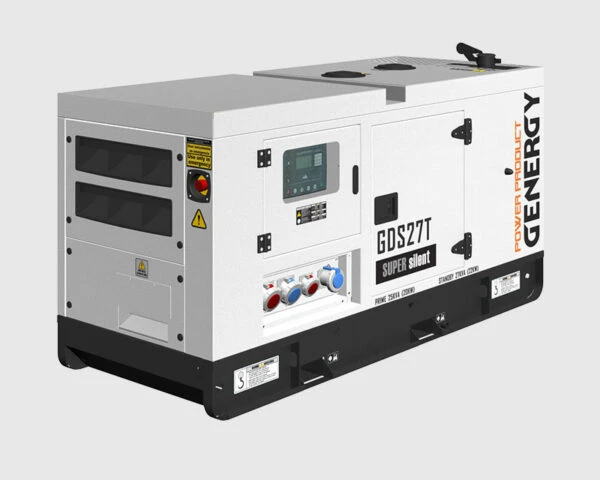
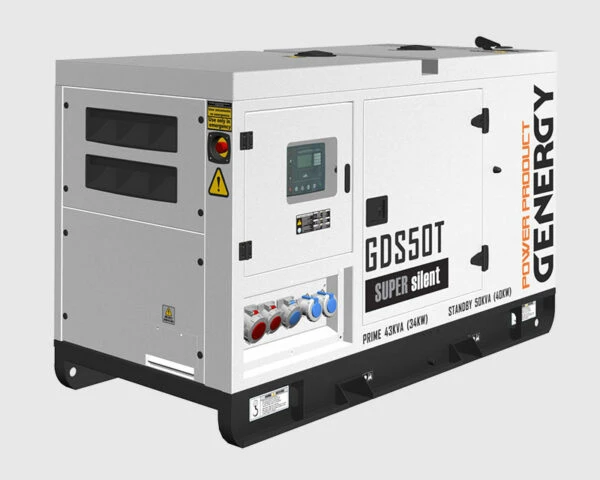
Solar Generator

Photovoltaic backup generator: continuous power for your home or business

A photovoltaic backup solar generator is the cleanest, quietest, and most efficient alternative for ensuring continuous power in the event of power outages. Unlike traditional generators, these systems work by combining solar panels, lithium batteries, and smart inverters, providing a sustainable energy source that is completely independent of fossil fuels.

The growing demand for solar generators is driven by the need to protect household appliances, sensitive equipment, and entire facilities from prolonged power outages without compromising comfort or safety. In both homes and businesses, these solar-powered generators have become a key investment for ensuring operational continuity.

How does a solar backup generator work?

The solar backup generator is simple to operate, yet highly technological. During daylight hours, the panels charge the batteries, which store energy for use at any time. When a power outage occurs, the system automatically switches to battery power, keeping essential devices running immediately.

The most advanced solar power generator models incorporate hybrid inverters capable of prioritizing the use of solar energy; this generator with solar panels can optimize charging based on actual consumption and even allow for grid feed-in at specific installations. This versatility is one of the reasons why leading brands and retailers are increasingly highlighting these types of solutions.

Key advantages of solar generators compared to traditional generators

The main difference between a gasoline or diesel generator and a photovoltaic generator is their environmental and operational impact. Photovoltaic generators do not require fuel, do not generate annoying noise, do not emit gases, and require minimal maintenance. In addition, they have a much longer service life and do not depend on access to fuel in emergency situations.

Another significant advantage of solar power generators is their scalability. You can start with a basic system and expand it with more batteries or panels as your needs grow. This level of flexibility allows you to adapt the backup power to small homes, businesses, workshops, shops, and even industrial facilities.

Functions of a photovoltaic backup generator

  • Activate automatically when the solar battery charge drops below a certain level
  • Generating electricity to supplement the photovoltaic system
  • Charge batteries when solar power generation is insufficient
  • Ensure uninterrupted power supply in off-grid or isolated systems
  • The solar power generator can be integrated with the solar inverter for automatic operation
  • Prevent power outages
  • Turn off automatically when the system regains power

These generators function as smart backup for the solar system, activating only when necessary.

Uses of a photovoltaic backup solar generator

  • Off-grid homes
  • Residential solar systems and self-consumption
  • Rural, agricultural, or remote facilities
  • Off-grid businesses or those with energy independence
  • Hybrid solar systems with batteries
  • Facilities with occasional high energy consumption
  • Places with low solar radiation during certain periods

They are used when solar energy alone does not meet the entire demand.

Benefits of a solar backup generator

  • Ensures a continuous power supply even when the sun isn't shining
  • Avoid oversizing your solar system
  • Reduce costs by supplementing your existing solar power system
  • Automatic operation without user intervention
  • Greater energy security in off-grid systems
  • Optimizes battery usage and extends battery life
  • It allows you to meet peak demand without expanding the system

It is the key to achieving true and stable energy independence.

Integrations of a photovoltaic backup generator

  • Solar inverters (automatic system management)
  • Battery systems (lithium or other)
  • Off-grid installations and hybrid systems
  • Household and professional electrical equipment
  • Energy control and monitoring systems
  • Isolated or independent power grids
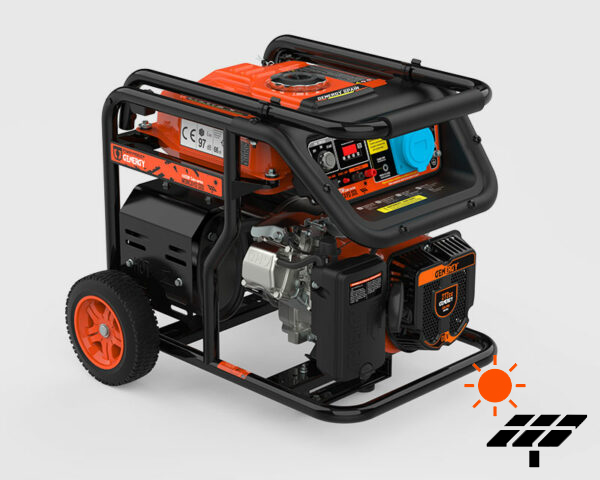
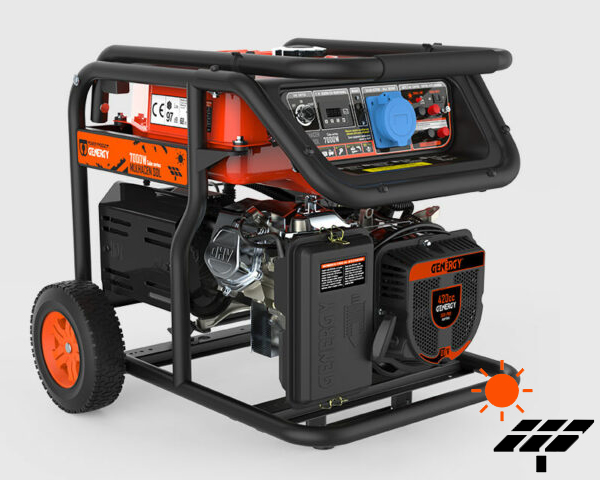
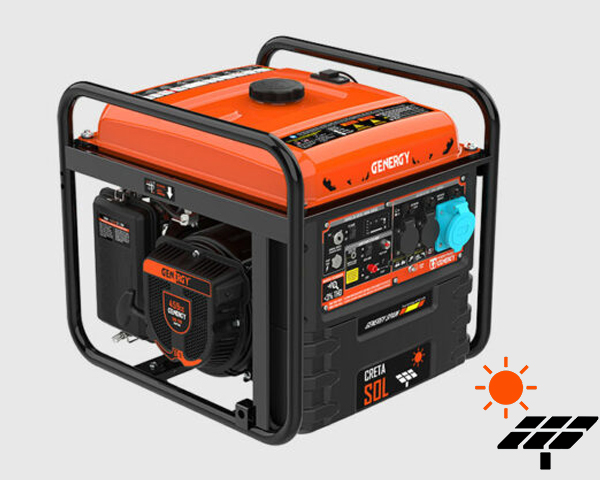
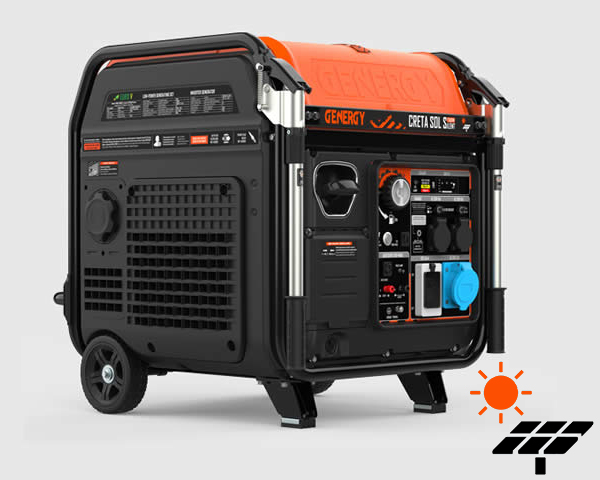
  • Low-distortioninverter generators compatible withsolar panels

It is part of a complete hybrid energy system (solar + generator).

What capacity does your solar generator system need?

The ideal capacity will depend on the type of consumption you want to cover. For a standard home, a system capable of powering lighting, cooling, small appliances, and chargers is usually sought. On the other hand, for businesses or industries, it is common to size photovoltaic backup generators with more than 5 kW of continuous power to ensure operational performance.

Market references show solutions that deliver between 1 kW and 55 kW of annual generation, offering alternatives for all types of projects. These figures allow for the design of an energy backup system that covers essential, strategic, or total consumption, depending on the user's needs.

What should you consider before choosing a photovoltaic backup generator?

When comparing options, it is advisable to evaluate technical characteristics such as output power, battery life, compatibility with existing solar panels, type of integrated inverter, and remote monitoring capabilities. It is also important to consider the installation and quality of the electrical and storage components of the solar panel generator.

The main industry guidelines recommend checking whether the solar generator allows automatic switching in the event of power outages, whether it supports future expansion, and whether the brand offers specialized technical support. These aspects are crucial to ensuring a long-lasting and efficient investment.

Photovoltaic backup: security, savings, and operational continuity

Choosing a solar backup system not only means being protected against power failures; it also helps reduce energy dependence, lower long-term costs, and improve the overall efficiency of the installation. During prolonged outages, having a solar generator makes a noticeable difference in comfort and productivity.

For professional facilities, a solar-powered backup generator provides operational stability, protects critical equipment, and prevents financial losses associated with unexpected power outages. As a result, its use is growing among retail businesses, small and medium-sized enterprises, offices, and sectors that require uninterrupted power.

Why choose a photovoltaic generator as your primary backup option?

If you are looking for a reliable, quiet, and low-maintenance system, a solar electric generator is clearly superior. Its self-sufficiency, smart technology, and low environmental impact make the photovoltaic generator the most recommended choice for modern homes and advanced energy projects.

The current trend in the energy sector is toward sustainable solutions with high autonomy and the ability to integrate with existing photovoltaic systems. As a result, more and more users are replacing traditional generators with solar generators that ensure clean energy in any scenario.

Find the ideal solar generator for your needs

Today, there is a wide variety of equipment designed to suit domestic, commercial, and industrial consumption. Whether you are looking for a solar generator for your home or a higher-capacity solution for demanding installations, you will find robust, efficient options that are ready to provide continuous power throughout the year.

Explore our alternatives to select the system that best suits your current photovoltaic installation, always guaranteeing safety, autonomy, and optimal performance even in critical conditions.

Frequently asked questions about solar generators

What are solar generators and what are they used for?

A solar generator is a device that converts solar energy into electricity to power electronic devices and appliances in a clean, portable, and sustainable way.

 Clear explanation

These devices store energy in an internal battery and supply it through different outputs (USB, AC, DC). They are a silent, emission-free alternative to traditional generators.

What can a solar generator be used for?

A solar generator can be used for camping, caravans, boats, emergency situations, or as a basic electrical backup in the home.

 Most common uses

  • Charging cell phones, tablets, and computers
  • Power supply for small appliances
  • Backup power in case of power outages
  • Use in environments without access to the electrical grid

Its main advantage is mobility and versatility.

How much power do I need in a solar generator?

The power required depends on the devices you want to connect.

Guidance recommendations

  • 500–700 W: cell phones, laptops, routers, lighting
  • 1,500 W or more: appliances, tools, or higher consumption

It is always recommended to add a safety margin based on simultaneous use.

What is the difference between a solar generator and a traditional electric generator?

Solar generators use renewable energy, produce no emissions or noise, while traditional electric generators run on fossil fuels and generate gases and noise pollution.

Key comparison

  • Solar: clean, quiet, sustainable
  • Traditional: higher continuous power, but with higher fuel consumption and more demanding maintenance

What maintenance does a solar generator require?

Proper maintenance allows you to maintain the efficiency of the system, extend its useful life, and avoid unnecessary breakdowns.

Device maintenance and cleaning

 Keep clean and well ventilated

  • Ensure proper ventilation to prevent overheating.
  • Place the equipment in a clean, dust-free environment.
  • Verify that the cooling system is functioning correctly.

 Do not use water directly

  • Avoid using water for cleaning
  • Use slightly damp microfiber cloths.
  • Remove dust and dirt manually

 Proper storage

  • Keep the equipment turned off
  • Avoid extreme temperatures
  • Keep it in a dry place away from moisture.

 How to care for the solar generator battery?

To keep the battery in good condition, it is recommended to avoid complete discharges and to recharge it periodically.

Best practices

  • Recharge the battery at least every 6 months if not in use.
  • Maintain charge levels between 50% and 75%.
  • Avoid both overloading and total discharge.

How are photovoltaic modules cleaned?

Solar panels should be cleaned at least twice a year to maintain their performance.

Cleaning recommendations

  • Frequency: at least twice a year (more often in dusty areas)
  • Materials: clean water, sponge, and soft bristle brush
  • Avoid: soaps, abrasive products, and pressurized water
Scroll al inicio