Diesel or Gasoline Generator: Which One to Choose Based on Usage, Fuel Consumption, and Operating Hours
If someone is wondering which is better, a diesel or gasoline generator, they’re not usually looking for a definitive answer. What they want to know is which option suits them best based on how they’ll use the equipment: whether they need it for occasional or intensive use, if it will run for many hours at a time, if noise is a concern, if they’ll move it frequently, or if they’re looking for a more serious backup solution.
The most practical way to look at it is this: if you’ll be using it only occasionally—starting it up from time to time without many continuous hours of operation —a gasoline generator is usually the more convenient and practical choice. On the other hand, if the goal is to work for many hours, with more demanding and continuous use, diesel is usually the most logical choice. In other words, the difference lies not only in the fuel but also in the workload the equipment will have to handle.
That's why, when someone asks which is better, a gasoline or diesel generator, I wouldn’t start by talking about the engine, but rather about actual use. Because a unit may seem perfect on paper, yet not work well at all in everyday use if the environment, load, or frequency of use are different.
Which generator is better: gasoline or diesel?
If you need equipment for occasional use, occasional support, short jobs, or a solution that’s easier to move, a gasoline-powered generator usually makes more sense. It’s often a very reasonable option when you’re looking for a more modest initial investment and don’t need the equipment to run continuously for too many hours.
If, on the other hand, you need equipment for long hours, long shifts, or much more demanding use, diesel engines usually start to gain an edge. In that case, the priority is no longer just starting up when needed, but withstanding the strain better and performing more reliably in intensive applications.
It seems to me that this is the best way to answer the question : which is better, a diesel or gasoline generator : gasoline for occasional and mobile use; diesel for heavier, more frequent, and prolonged use.
Differences between a diesel generator and a gasoline generator
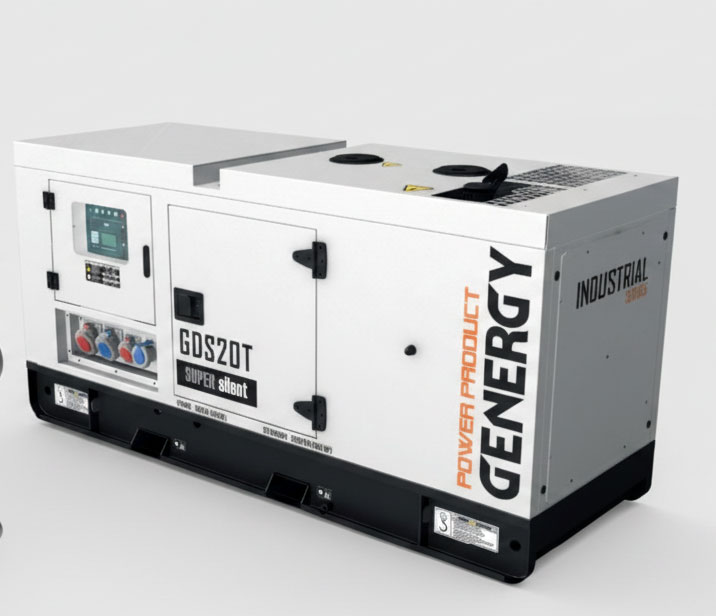
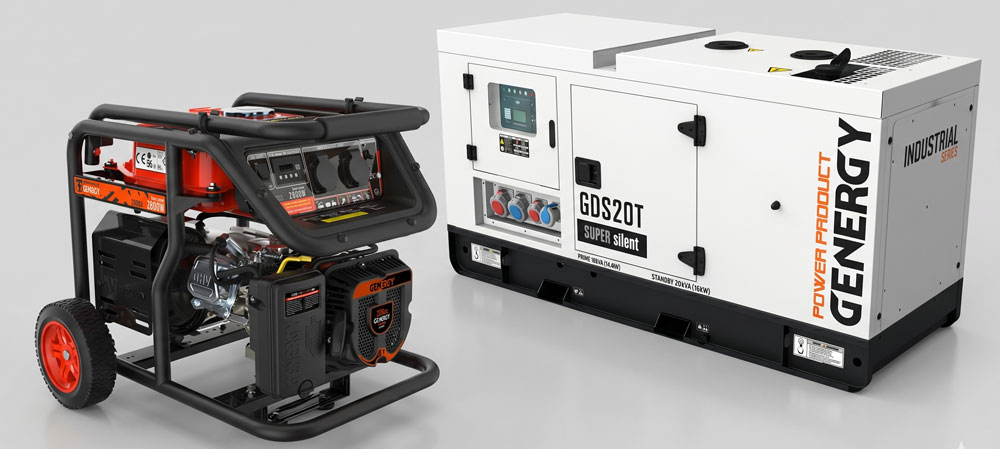
The most significant difference between the two lies in their performance over extended periods of use. A gasoline generator is generally better suited for intermittent use, while a diesel generator is typically preferred when equipment needs to run for longer periods or in more demanding environments.
The user experience also varies greatly. With gasoline-powered models, it’s common to find more practical options for transportation, support applications, and tasks where the equipment needs to be versatile. Therefore, for those just starting to compare solutions, it may make sense to first look at the general category of electric generator and, from there, see what type of equipment fits best.
With diesel, on the other hand, the conversation tends to take on a whole new level. It’s no longer just about having power; it’s about having a solution that’s better suited for continuous operation, more demanding installations, or applications where uptime is a major factor in the decision-making process.
When to Choose a Gasoline Generator
Gasoline generators typically work very well when there is a temporary need for power. For example, on a farm, at a vacation home, for maintenance tasks, small professional jobs, events, powering tools, or occasional power needs.
In these cases, many people don't need equipment designed for extremely long runs, but rather a practical, quick, and easy-to-use solution. That's where the range of gasoline generatorsfits the bill perfectly, especially when the priority is to address a specific need without overspending.
In addition, if the environment requires lower noise levels or a cleaner power supply for sensitive equipment, it may also be a good idea to consider a gasoline inverter. This type of equipment usually makes a lot of sense when you’re looking not only for power, but also for ease of use, lower noise levels, and better performance with sensitive electronics.
When to Choose a Diesel Generator
When work goes beyond occasional use and becomes frequent or demanding, diesel is usually the better choice. This is the case, for example, in professional applications, extended operations, industrial uses, high-load installations, or environments where equipment needs to perform for many hours.
The question here isn't so much which is better, a gasoline or diesel generator, but rather which one is better suited to your actual needs. If the generator is going to be running for many hours, if continuous operation is important, or if the demand increases, diesel usually makes more sense.
In these types of situations, other factors also become very important, such as the level of soundproofing or the type of installation. That’s why it might make sense to consider a soundproof generator if noise is a major concern, or even consider a three-phase generator when the installation or machinery requires it.
What about fuel consumption, maintenance, and price?
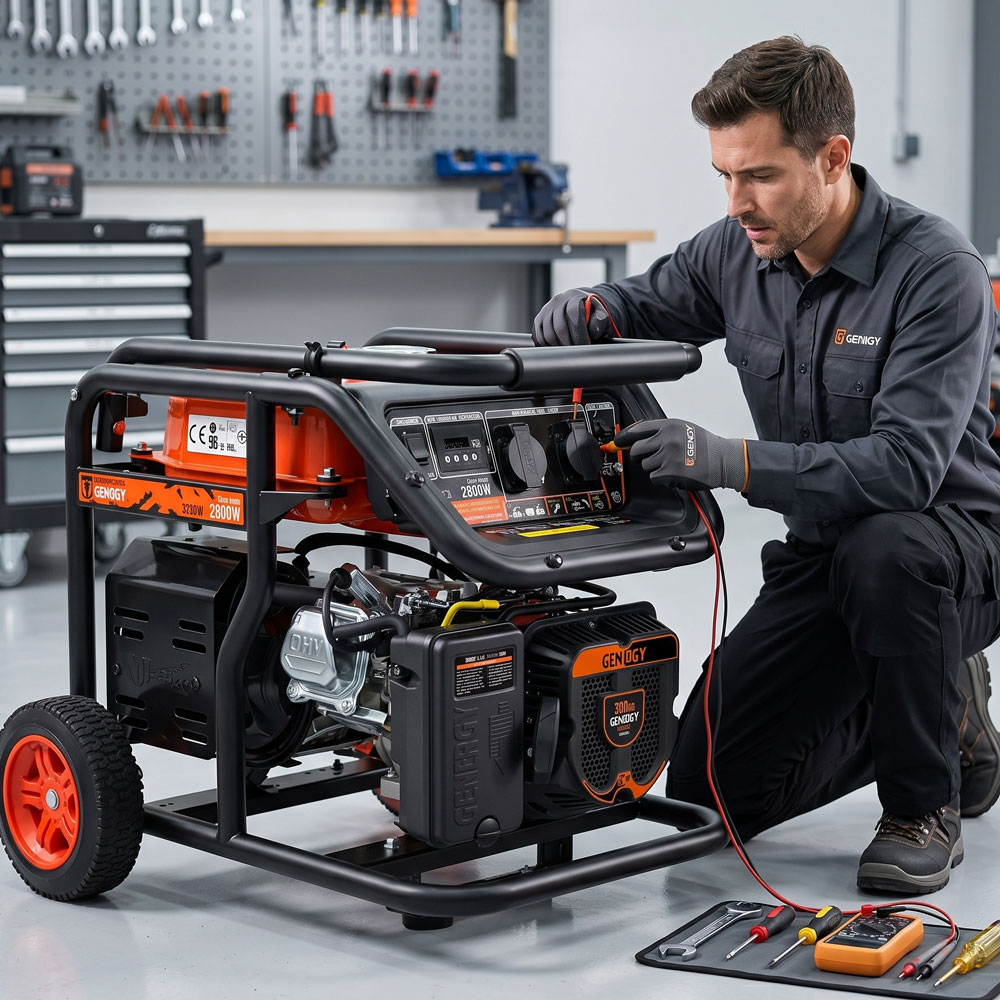
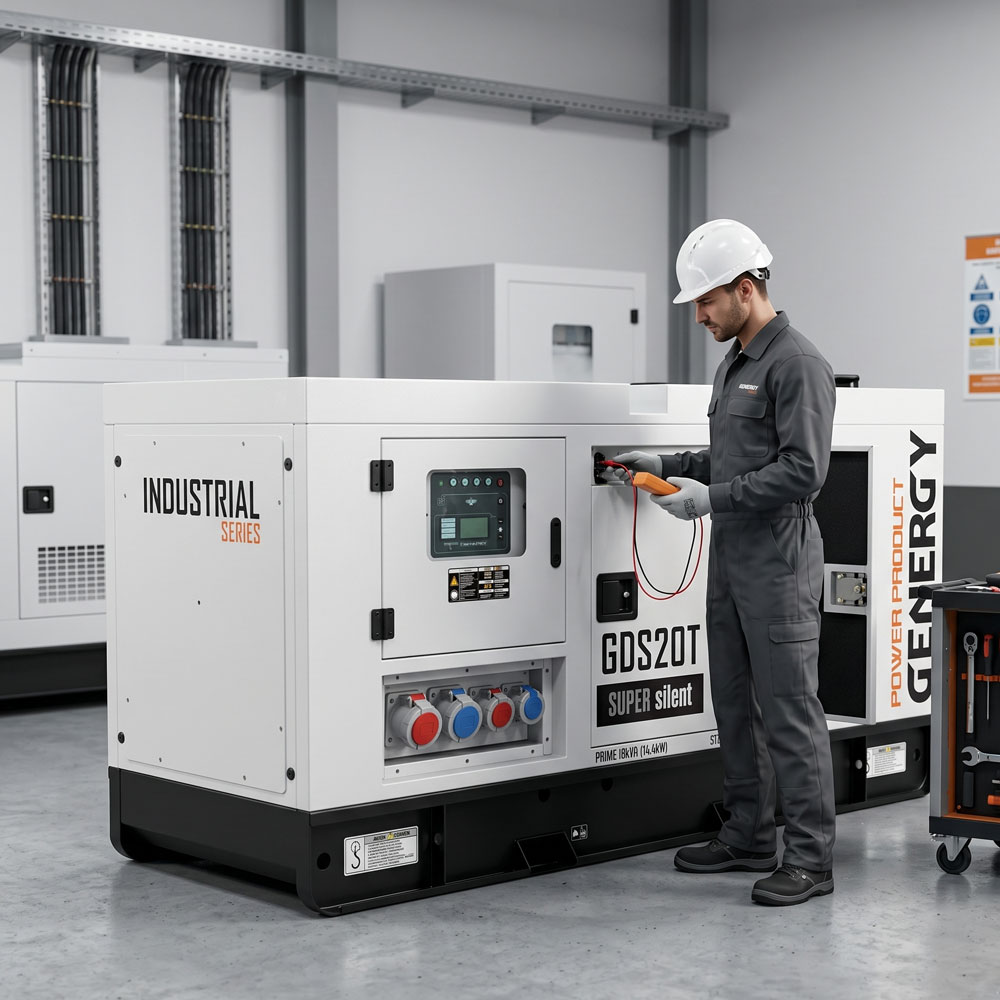
One of the most common questions is whether it’s better to buy the cheapest option upfront or to focus more on the total cost of ownership. For me, this is one of the most important factors. If the equipment will be used only occasionally and for short periods, gasoline-powered models are usually a good fit. But if the equipment will be used frequently or for long hours, the decision shouldn’t be based solely on the purchase price.
This is where the question "which is the best diesel generator" begins to make sense for certain user profiles. Not because diesel is automatically better for everyone, but because when the work is harder and more continuous, the robustness and practicality of use change completely.
Maintenance plays a role, of course. It’s not the same to fire up a machine every now and then as it is to push it to its limits for weeks or months on end. The more intensive the use, the more important it is to make the right choice from the start.
Noise, power type, and ease of use
Many decisions are made poorly because they focus solely on fuel. And then the real problem arises: noise, discomfort, the type of starter, or an electrical current that isn't suitable for what you want to plug in.
If the generator will be operating near people, homes, or areas where comfort is a priority, it might be wiser to opt for a solution such as a silent generator. In many cases, this factor outweighs the difference between gasoline and diesel.
It’s also important to consider what equipment you’ll be powering. Powering a simple tool is different from powering sensitive equipment or a system that requires greater stability. That’s why making a good purchase isn’t just about comparing fuel types, but also about weighing factors such as usage, noise, load, and power quality.
Diesel or gasoline generator for home, business, or backup power
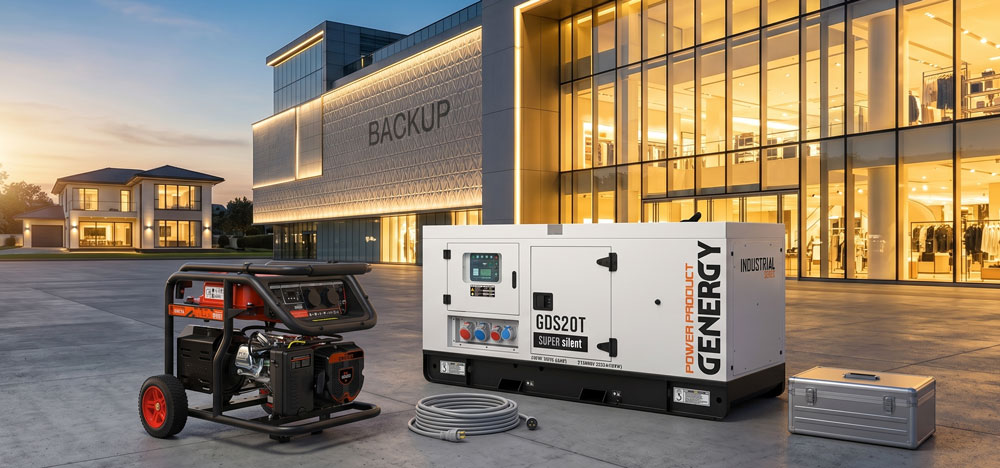
At home, gasoline is usually a great solution for one-off uses, power outages, or occasional needs. In businesses, construction sites, or professional settings, the decision depends much more on the load and runtime. And when we talk about more advanced backup power solutions, the conversation shifts even further.
For example, if the goal is to support or supplement a solar installation, you’re no longer just choosing between diesel and gasoline. It may also make sense to consider a Solar Generator, where the system is designed in a more integrated way and not just as a standalone unit.
I think this is important because often the initial question is fine, but it doesn't go far enough. It's not always a matter of choosing between two engines. Sometimes the actual context of use leads you to a different category of solution.
So, which is better: a diesel generator or a gasoline generator?
The short answer is: it depends on how you use it.
If you're looking for equipment for occasional use, mobility, and non-continuous tasks, gasoline is usually the most practical option. If you need many hours of operation, higher performance, and more reliable performance for continuous work, diesel is typically the most logical choice.
That's why, when someone asks me which is better, a diesel or gasoline generator, I would answer like this: “better” doesn’t mean “universal”; “better” means “better for your specific situation.” And your specific situation is defined by three very clear factors: how many hours it will run, how often you’ll use it, and what kind of load you need to power.
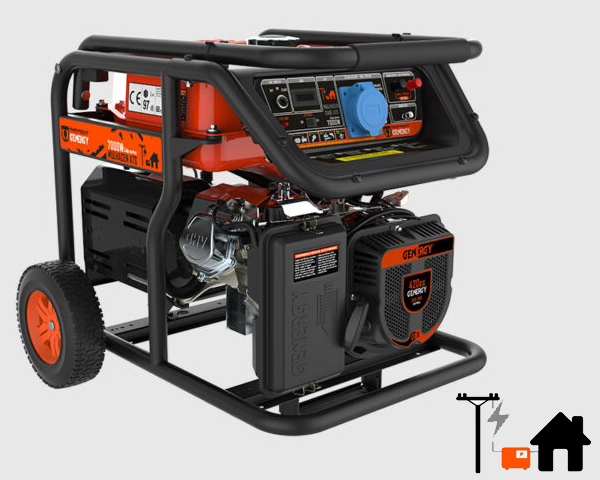
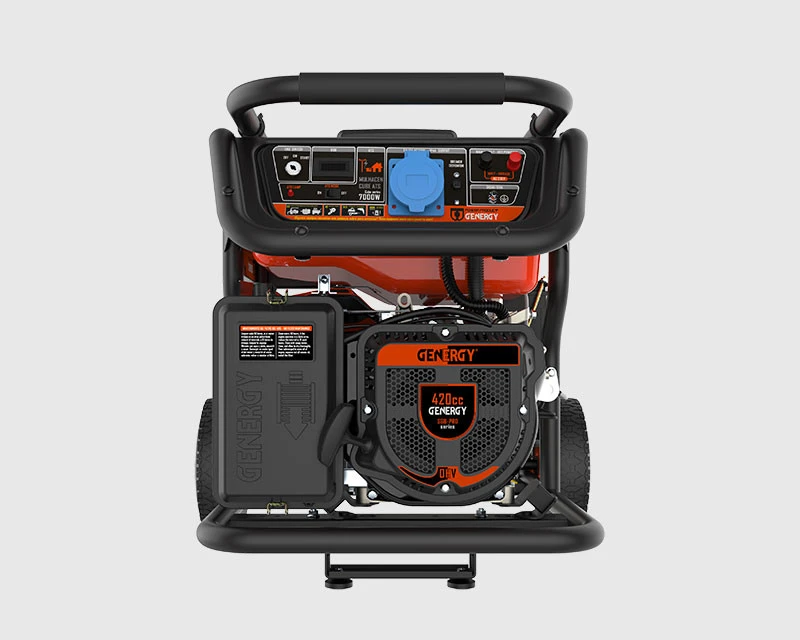
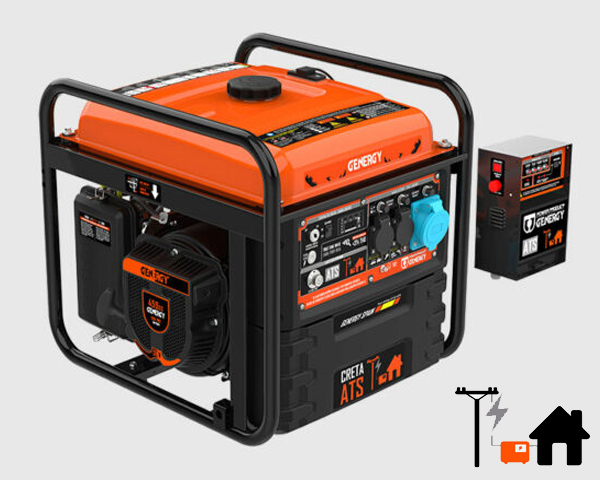
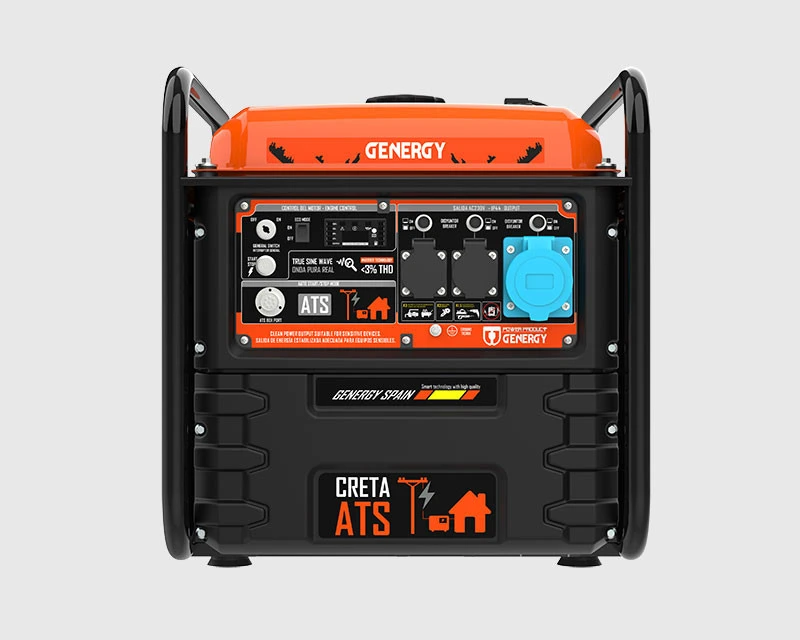
Generators you might be interested in
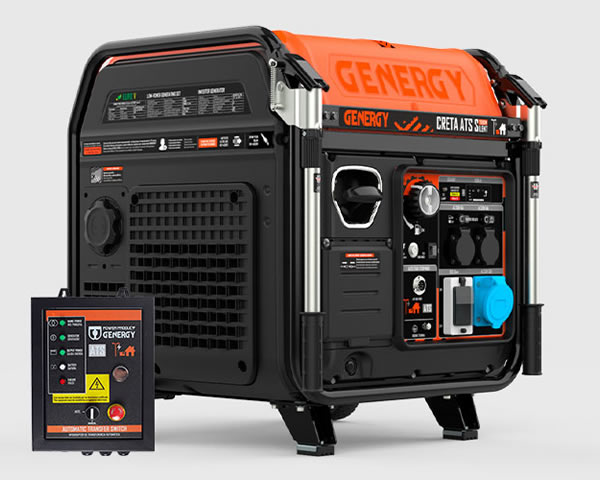
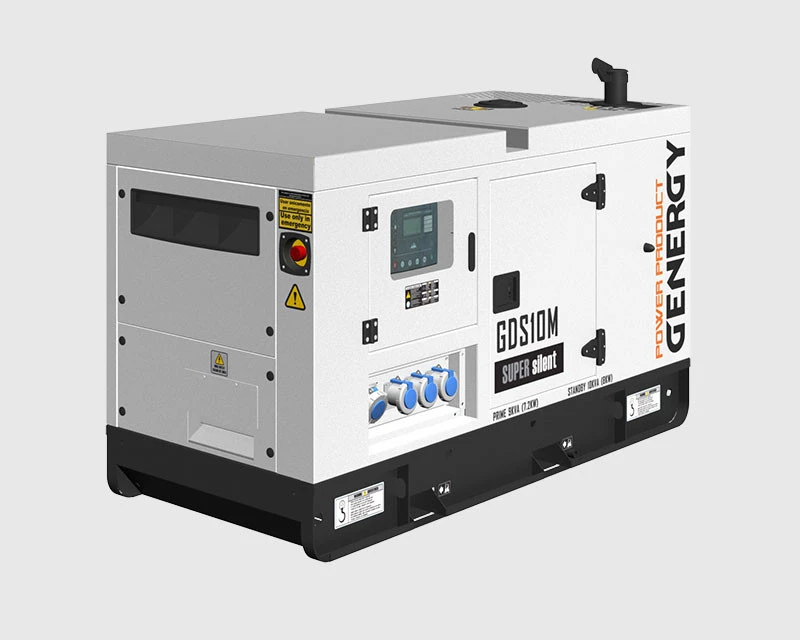
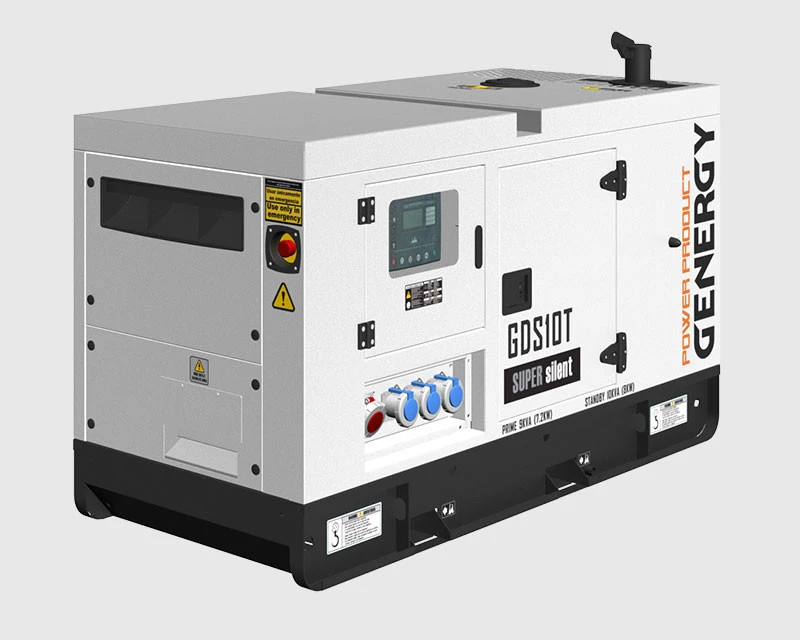
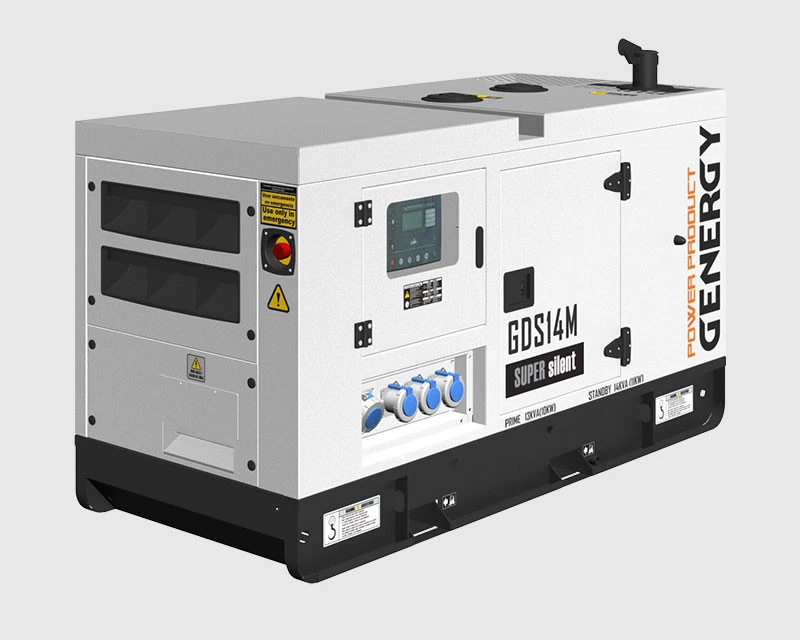
Frequently Asked Questions About Diesel and Gasoline Generators
Which is better, a diesel or a gasoline generator?
It depends on how you use it. For occasional use and getting around, gasoline is usually more practical. For heavy use and long stretches of driving, diesel usually makes more sense.
Which is better, a gasoline or a diesel generator?
If you need something to start up every now and then or for occasional use, gasoline is usually the way to go. If you're looking for more consistent and demanding work, diesel is usually the better choice.
What is the best diesel generator?
There isn't one that's best for everything. The best diesel generator will be the one that matches the power you need, the operating hours, the environment, and the demands of your setup.
Which generator uses less power?
The answer depends on the load, power consumption, and hours of use. Rather than looking solely at power consumption on its own, it’s better to consider how long the device will be running and under what conditions.
Which generator is quieter?
If noise is a top priority, it’s best to look directly at quiet or soundproofed solutions, as they significantly improve user comfort.
Which generator is best for home use?
For occasional use at home, a gasoline-powered model is often sufficient. If you plan to use it more intensively or frequently, it’s best to take a closer look at the setup and the actual load.
Which generator is best suited for professional use?
When there are long working hours or high demands, a more robust solution designed for continuous operation usually makes more sense.