
AVR Electronic regulation generator
Mostrando los 16 resultadosOrdenado por los últimos
-
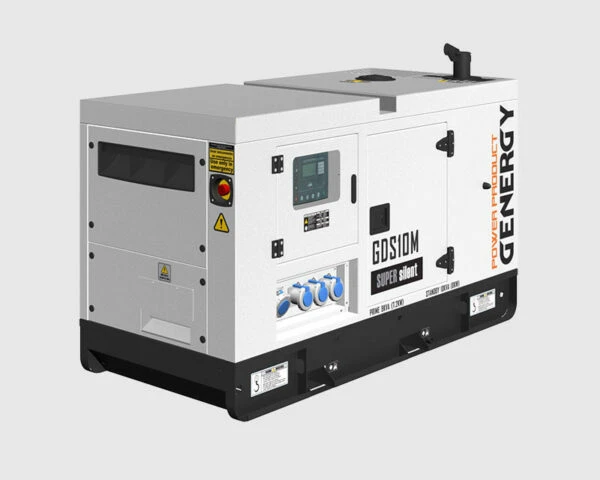 10KVA 8KW 230V
 -
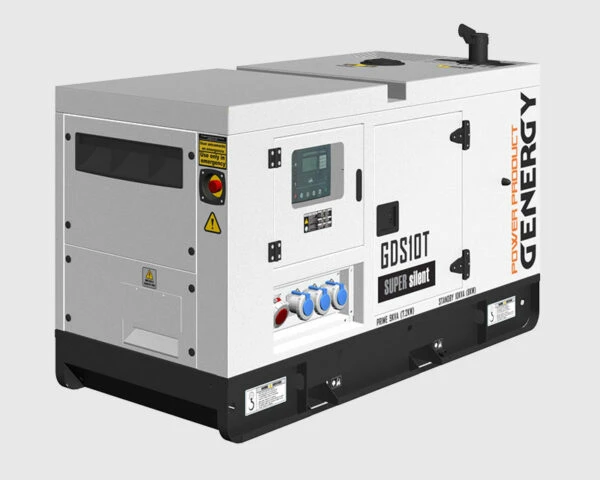 10KVA 8KW 400/230V
 -
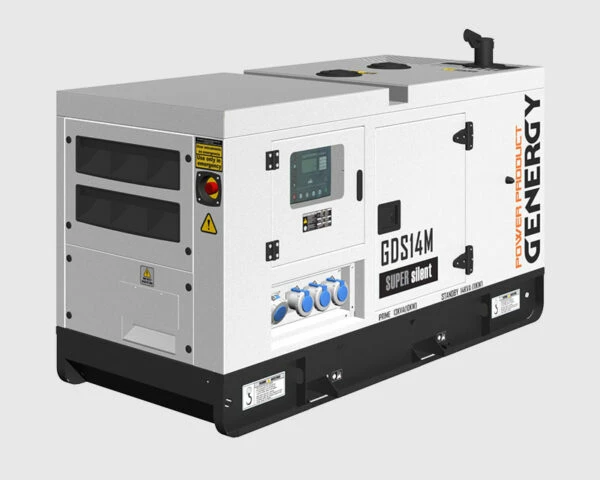 14KVA 11KW 230V
 -
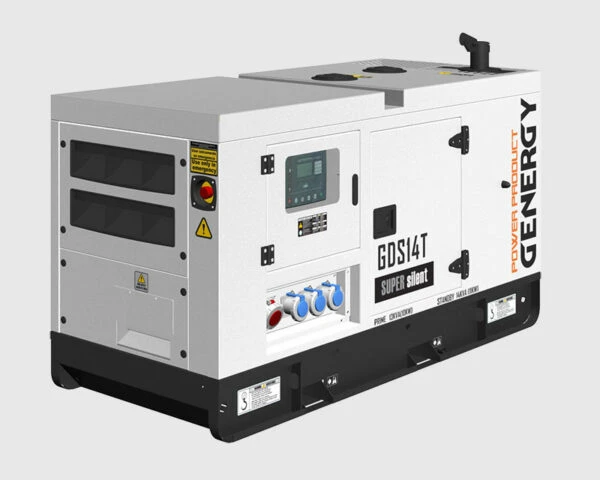 14KVA 11KW 400/230V
 -
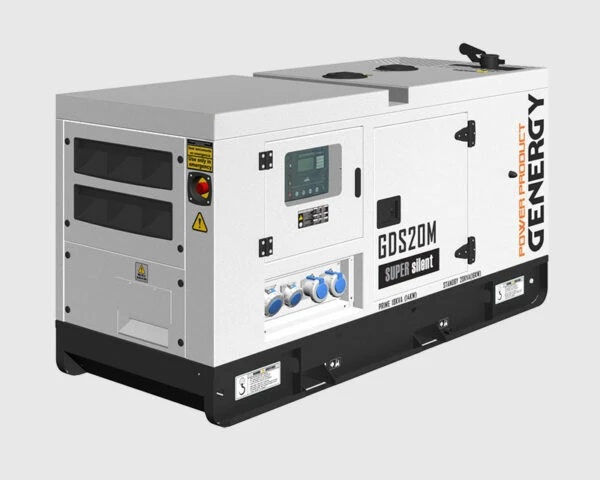 20KVA 16KW 230V
 -
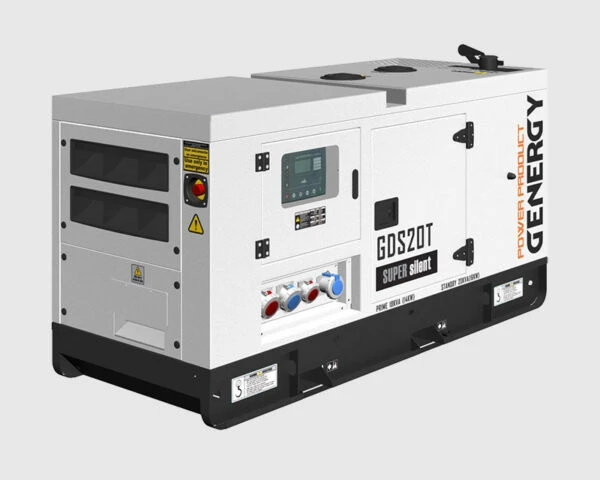 20KVA 16KW 400/230V
 -
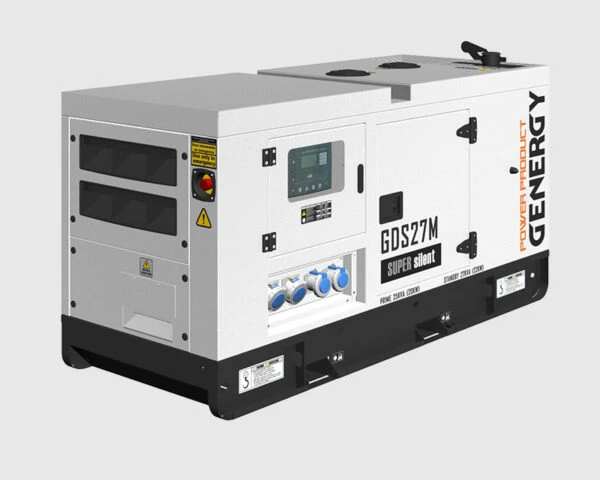 27KVA 22KW 230V
 -
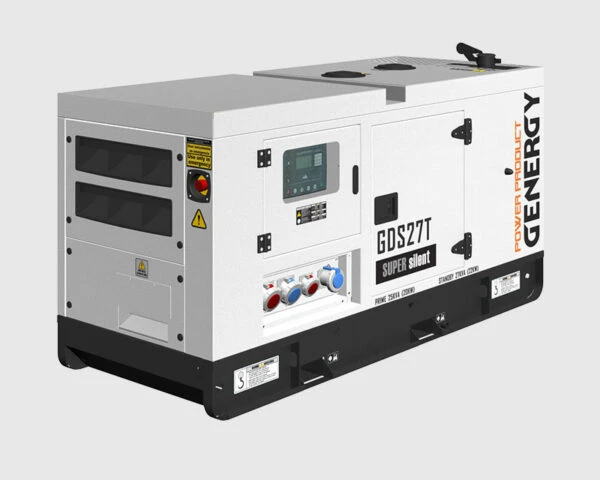 27KVA 22KW 400/230V
 -
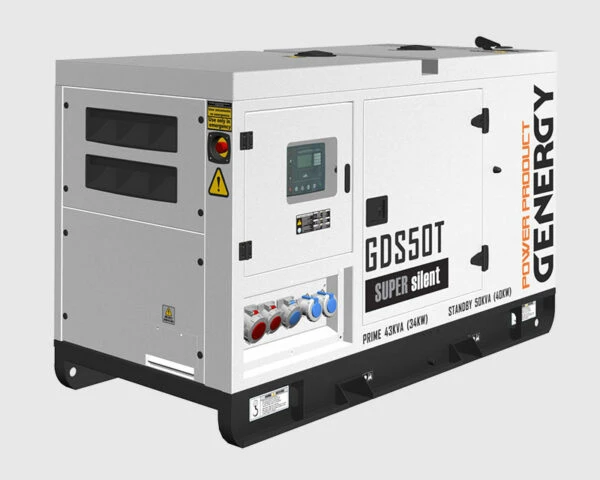 47KVA 37KW 400/230V
 -
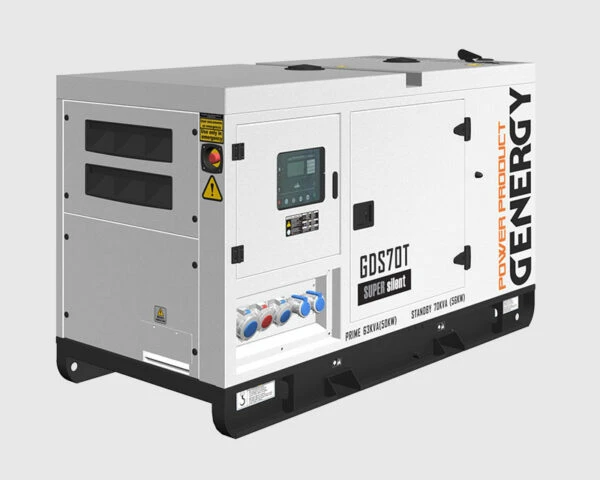 69KVA 55KW 400/230V
 -
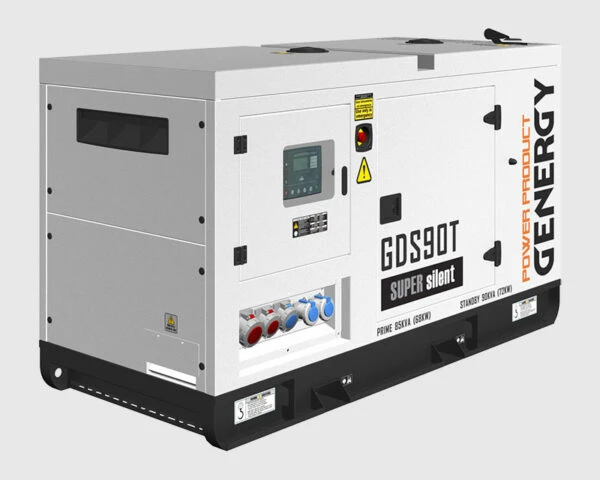 94KVA 75KW 400/230V
 -
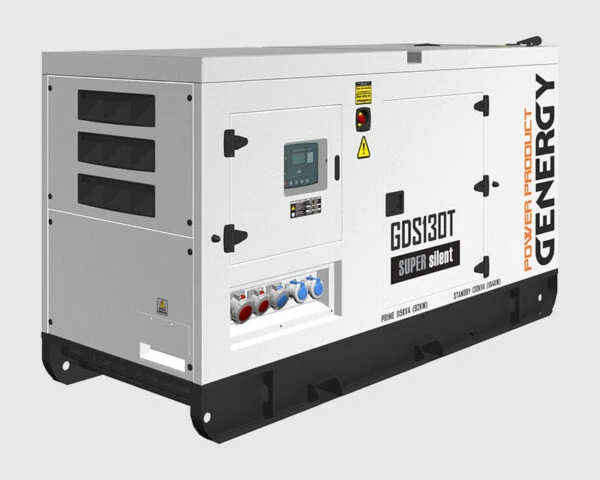 127KVA 101KW 400/230V
 -
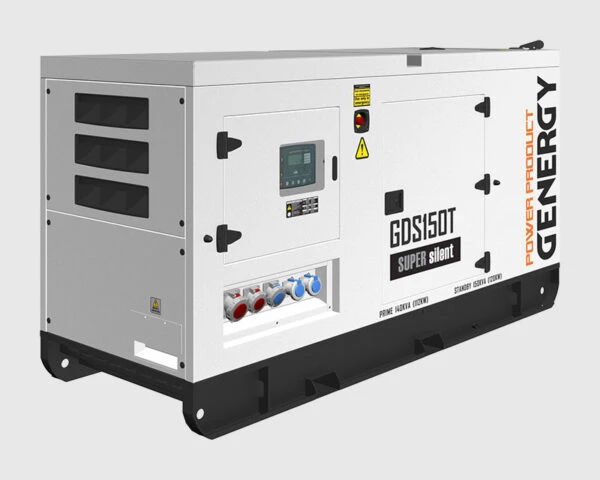 158KVA 123KW 400/230V
 -
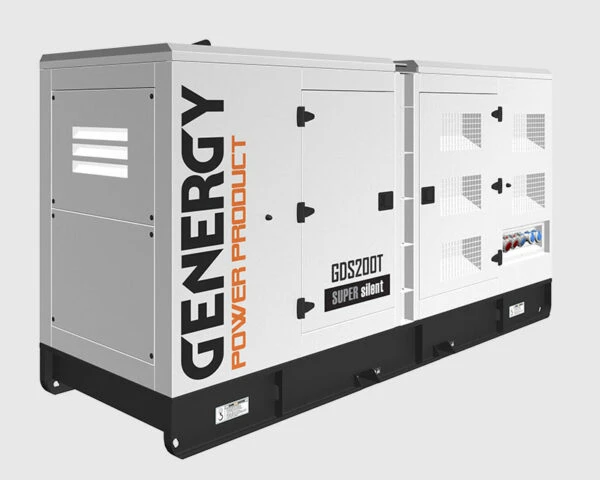 204KVA 163KW 400/230V
 -
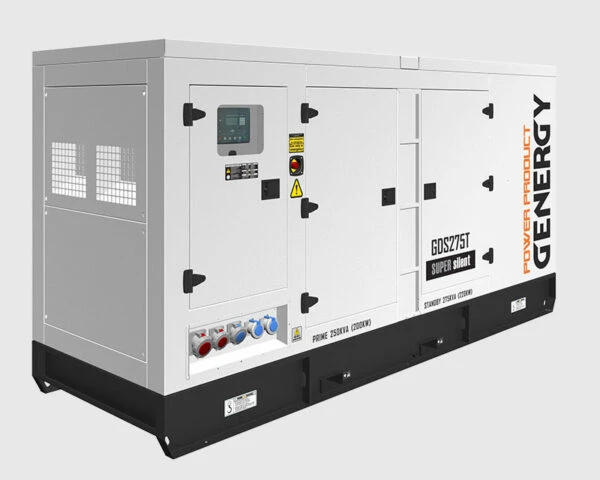 275KVA 220KW 400/230V
 -
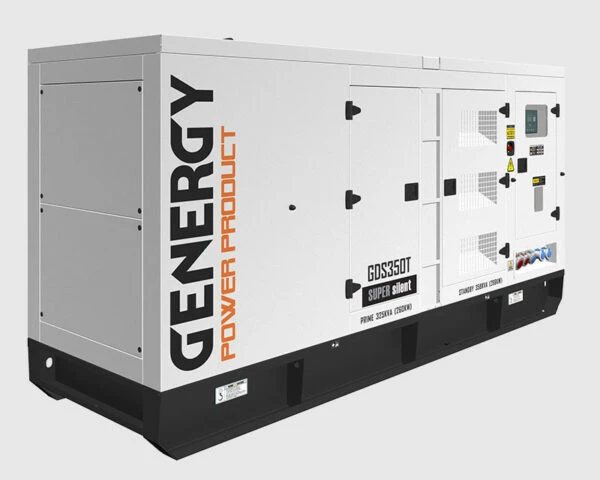 358KVA 286KW 400/230V
AVR Electronic regulation generator
Stability, protection, and professional performance
AVR electronic voltage regulators are essential components for ensuring that an electric generator operates at a stable and safe voltage. Whether you use a generator for domestic, professional, industrial, or emergency purposes, having a high-quality automatic voltage regulator ensures a constant current, prevents alternator failures, and protects connected equipment from dangerous fluctuations.
What is an AVR and why is it so important?
The AVR (Automatic Voltage Regulator) is a device responsible for maintaining the voltage output within safe levels. Thanks to its electronic regulation, it automatically corrects fluctuations that occur during load changes, starting tools, machinery, or even sensitive appliances. With a suitable AVR generator, the generator works more efficiently and stably, reducing the risk of overload and extending its service life.
Advantages of using an AVR Electronic regulation generator
An automatic voltage regulator ( AVR) generator provides benefits in terms of both performance and safety:
-
Maintains a constant voltage, even in high-demand situations.
-
Protects electrical devices from sudden surges or drops.
-
Optimizes generator performance, avoiding unnecessary strain.
-
Reduces wear on the alternator and other internal components.
-
Offers greater precision and stability, especially in continuous or professional use.
Most common types of AVR generators
There are different types of automatic regulators available on the market:
-
4-wireAVR, widely used in domestic generators.
-
6-wire AVR, commonly found in work generators and professional machinery.
-
Three-phase AVRs, designed for high-capacity alternators.
-
Hybrid AVRs with rectification, ideal for demanding loads.
Benefits of updating your AVR
Replacing an old regulator with a more modern model offers improvements such as:
-
Greater precision in voltage regulation.
-
Improved energy efficiency.
-
Superior stability for sensitive electronic equipment.
-
Less risk of electrical faults and greater protection for the generator.
An AVR electronic regulation generator is the key to obtaining reliable and safe performance from any generator. Choosing the right model and keeping it in good condition ensures electrical stability, greater durability, and protection for all your equipment. It is an essential investment to ensure optimal generator performance, both in domestic and professional environments.
Frequently Asked Questions about AVR Generators
What is an AVR in an electric generator?
The AVR (Automatic Voltage Regulator) is an electronic system that keeps the generator voltage stable.
It prevents voltage surges and drops, protecting connected equipment and ensuring a safe power supply.
What is the purpose of AVR electronic regulation?
AVR regulation serves to protect sensitive electrical devices and improve the quality of the power generated.
It is essential for household appliances, electronic tools, computer equipment, and control systems.
What is the difference between a generator with AVR and one without AVR?
A generator with AVR provides a more stable voltage than one without electronic regulation.
Models without AVR can generate voltage spikes that damage sensitive equipment.
Is a generator with AVR sufficient for electronic equipment?
A generator with AVR is suitable for most standard appliances and equipment.
For highly sensitive devices (computers, servers, or medical equipment), an inverter generator is recommended.
How much does a generator with AVR cost?
The price of a generator with AVR usually starts at around €600 and increases depending on power and quality.
They are cheaper than inverters and more stable than conventional generators.