




Hand-cranked generator
Showing 8results, sorted by most recent
-
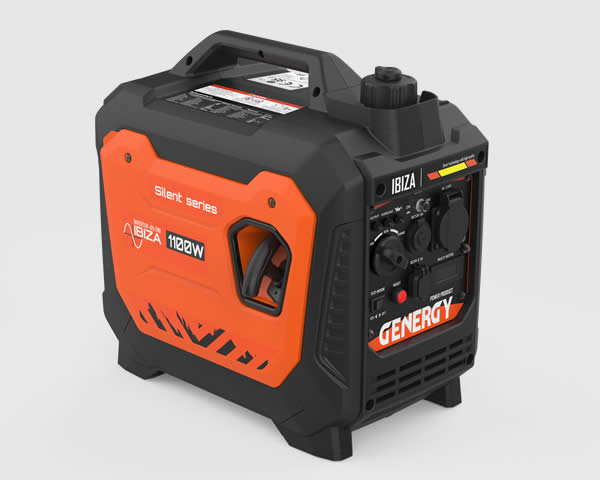 1100W/ 230VMANUAL START
 -
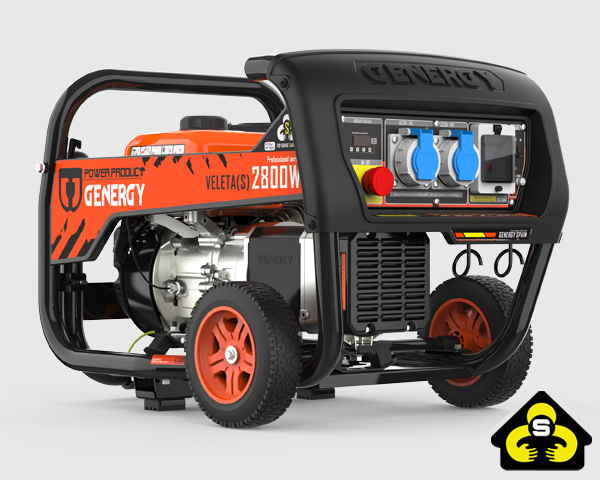 2800W/ 230VMANUAL START - IP67
 -
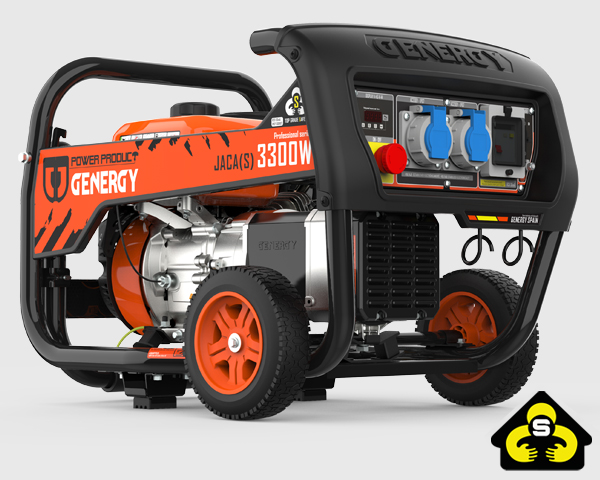 3300W/ 230VMANUAL START - IP67
 -
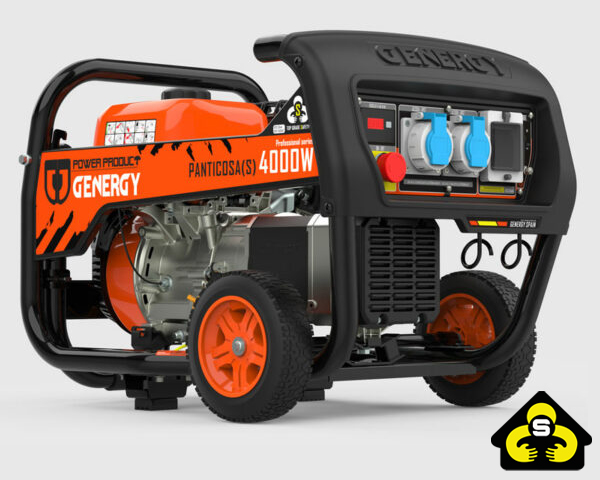 4000W/ 230VMANUAL START - IP67
 -
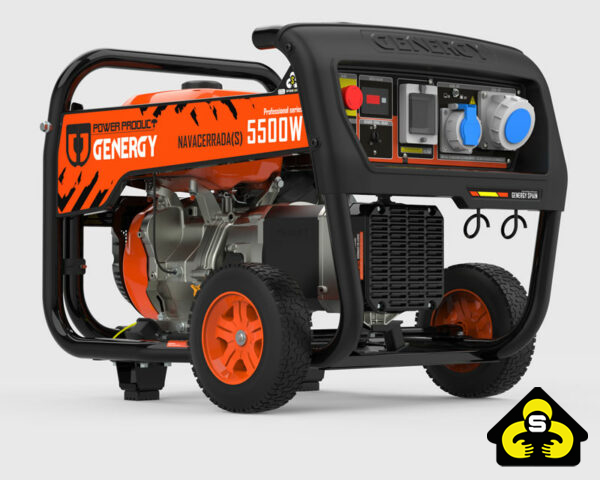 5500W/ 230VMANUAL START - IP67
 -
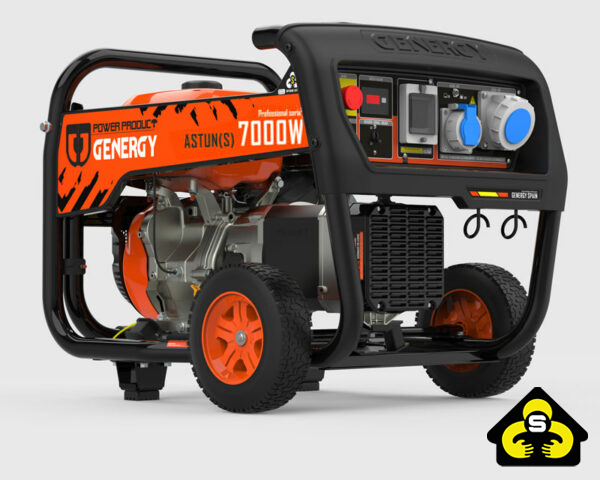 7000W/ 230VMANUAL START - IP67
 -
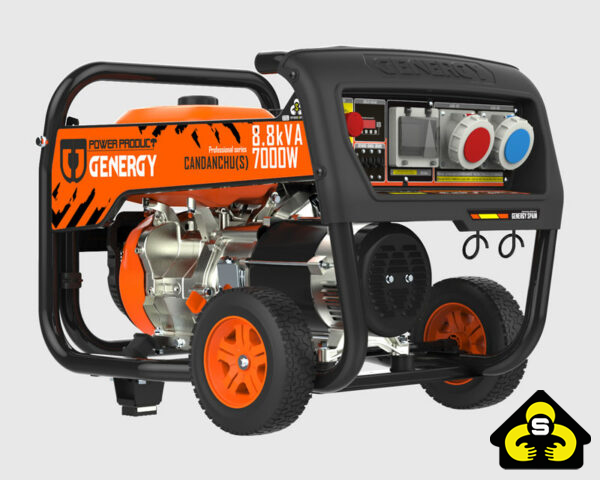 7kW 400V / 6,5kW 230VMANUAL START - IP67
 -
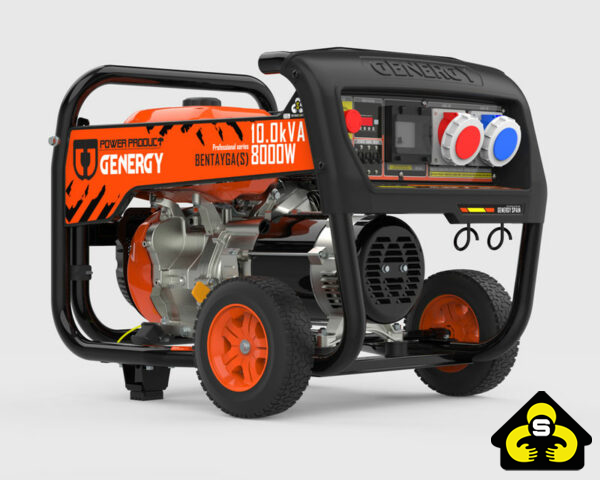 8kW 400V / 7kW 230VMANUAL START - IP67
A hand-cranked electricity generator is a simple, self-contained solution for producing electricity without relying on fuel or the power grid. It is powered by human effort—usually a crank—and is designed for very specific situations: emergencies, occasional use, or environments where no other energy source is available.
Although it does not replace a conventional generator, more and more people are considering it as a backup power source, especially because of its mechanical reliability and total independence.
What is a manual electricity generator?
A hand-crank generator is a device that converts mechanical energy into electrical energy using a gear system and an internal alternator. When the crank is turned, electricity is generated that can be stored or used directly.
How a Hand-Cranked Electric Generator Works
It works simply:
- The user turns the crank.
- The movement drives an internal rotor.
- An electric current (usually of low power) is generated.
- The energy is either delivered directly or stored in a battery.
This system eliminates common problems associated with internal combustion engines: there is no combustion, no filters, and no complex maintenance.
Differences Compared to Other Generators
Unlike gasoline or diesel generators:
- They don't make any noise.
- They do not emit gases.
- They do not rely on fuel.
- Its power is much more limited.
What is a manual electric generator used for?
The manual electric generator is not designed to power a home, but rather to meet basic, occasional needs.
Use in emergencies
It is especially useful for:
- Prolonged power outages.
- Civil protection situations.
- Home Emergency Kits.
Allows you to upload:
- Cell phones.
- Flashlights.
- Radios.
- Small USB devices.
Camping, the Outdoors, and Self-Sufficiency
It is highly valued in outdoor activities because:
- It doesn't depend on the sun (unlike solar power).
- It works anytime.
- It's portable and durable.
Real limitations
Let's be clear:
- It requires constant physical effort.
- The amount of energy produced is limited.
- It is not suitable for large appliances.
How much energy does a hand-cranked generator produce?
The power output of a hand-cranked electric generator typically ranges from 10 to 100 watts, depending on the model and the amount of force applied.
Average power and required effort
The more power you want to get:
- You have to turn the crank faster.
- The fatigue is greater.
- The realistic continuous usage time is shorter.
For this reason, many models include backup batteries.
Which devices can be powered
Realistically:
- Smartphones
- GPS
- Power banks
- LED Lights
- Portable radios
It is not feasible for:
- Refrigerators
- Microwave
- Large Power Tools
Advantages and Disadvantages of Manual Generators
Advantages
- Complete energy independence.
- They work as long as there is human effort.
- Very low maintenance.
- Long service life.
- Quiet and eco-friendly.
Disadvantages
- Very limited power.
- Dependence on physical exertion.
- Prolonged use is impractical.
Genergy Manual Generators
Genergy stands out for:
- Good-quality materials.
- Robust mechanical components.
- Focus on durability and reliability.
When it comes to a manual electric generator, a reputable brand like Genergy makes the difference between a product that works well and one that breaks down quickly.
What to Consider When Choosing a Brand
- Gear quality.
- Ergonomics of the crank.
- Electrical Protection Systems.
- Manufacturer's reputation.
How to Choose the Best Hand-Crank Generator
Before making a purchase, it's a good idea to consider several factors.
Power
Don't look for unrealistic figures. Real, stable power is better than inflated numbers.
Build Quality
A sturdy housing, a durable crank, and secure connections are essential.
Portability and Real-World Use
Weight, size, and ease of use determine whether or not you'll actually end up using it.
Prices of Manual Electric Generators
The price is usually between:
- Basic models: such as the mini manual electric generator, which are inexpensive and designed for occasional emergencies.
- Higher-quality models: more expensive, but more reliable and durable.
With this type of product, paying a little more usually means a better experience and a longer lifespan.
Conclusion
A manual electricity generator is a reliable solution for anyone seeking basic energy independence, without relying on fuel or external conditions. It is not a substitute for a conventional generator, but it works perfectly well in emergencies, for outdoor use, and for occasional use—especially if you choose a high-quality model from a reputable brand.




