Electric Generator

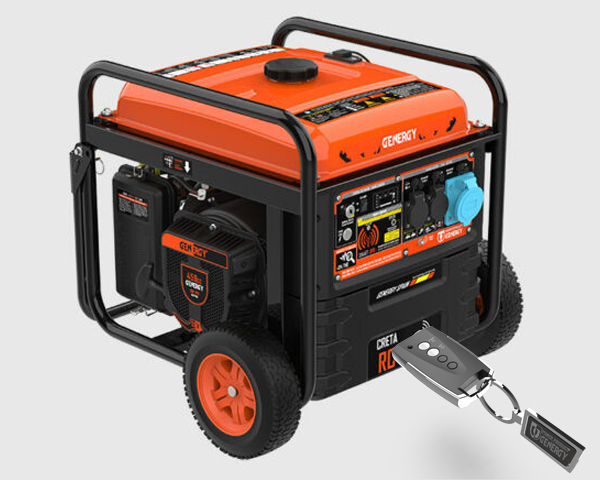
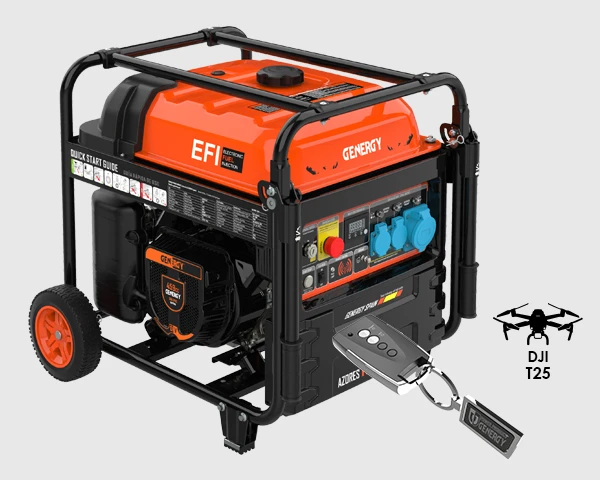
Find the right Genergy generator for your home, construction site, business, or professional use. We offer gasoline, inverter, and diesel generators, as well as quiet models and those with automatic start, in a range of power ratings to meet your energy needs.

Showing 86results, sorted by most recent

GENERGY Electric Generators: Reliable Power Solutions for Every Need

At GENERGY, we specialize in high-performance electric generators designed to provide power where and when it is needed most. Our catalog covers a wide range of applications, from residential uses such as home generators to professional requirements, with a clear focus on quality, reliability, and efficiency. We categorize our product lines by fuel type: diesel, gasoline, gasoline inverter and solar. Below, we explain their main features and how GENERGY makes a difference. We offer everything from home generators to portable units.

Videos of Genergy electricity generator:

https://www.youtube.com/watch?v=7g53MfmvB3A
https://www.youtube.com/watch?v=FdyMlQIkZ8M
https://www.youtube.com/watch?v=5KOyu5GN02g
https://www.youtube.com/watch?v=VzQvfcifX-k
https://www.youtube.com/watch?v=uEwYPO7xGGc
https://www.youtube.com/watch?v=W0EvNduyyZw
https://www.youtube.com/watch?v=FdyMlQIkZ8M

GENERGY Diesel Generators

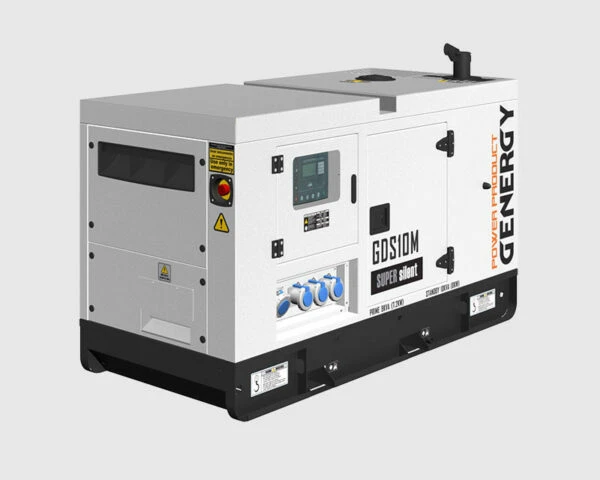
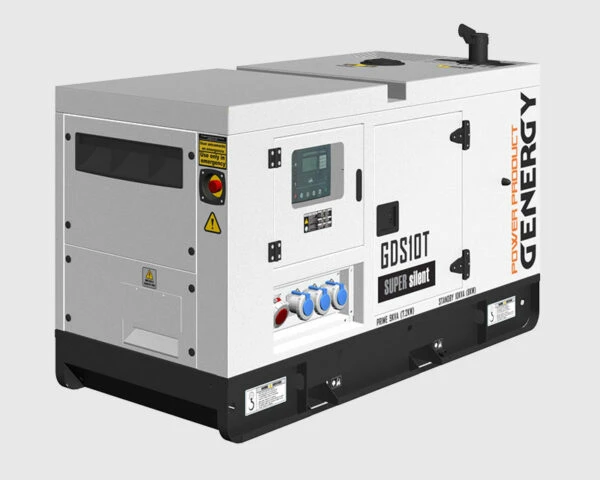
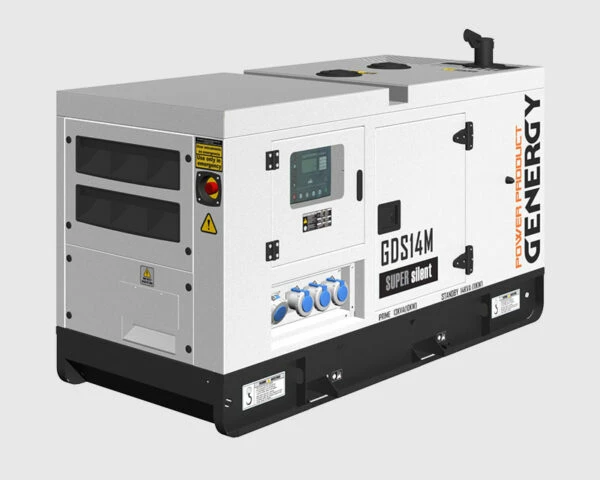
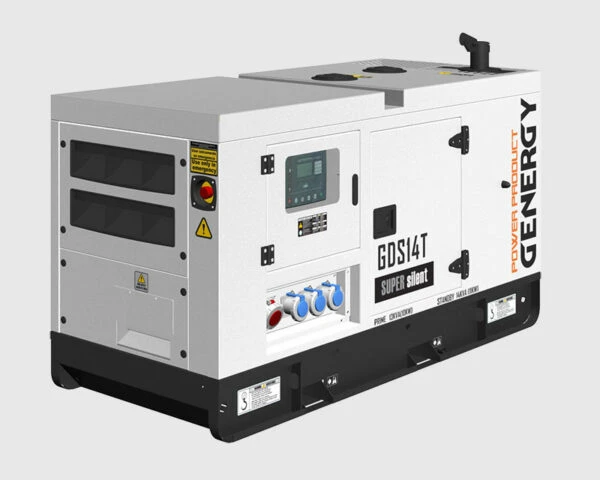
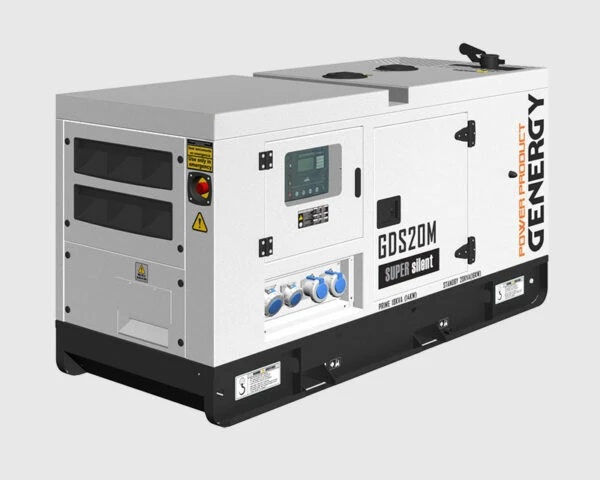
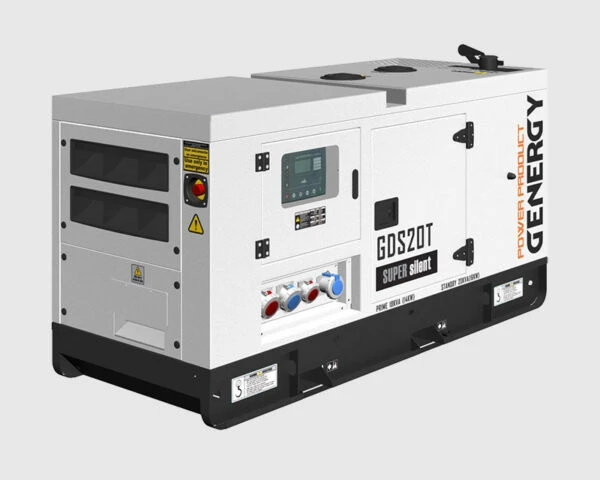
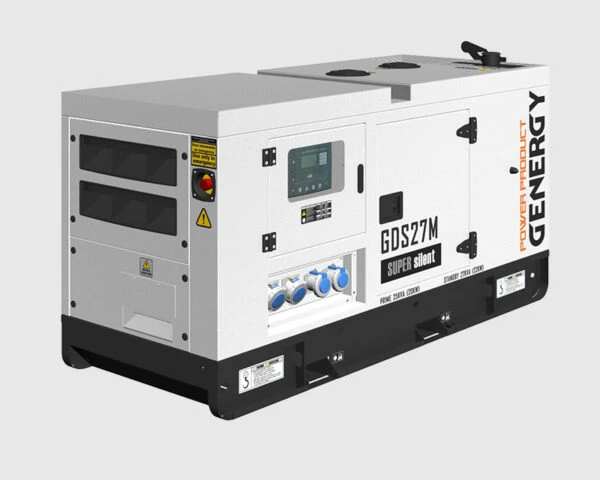
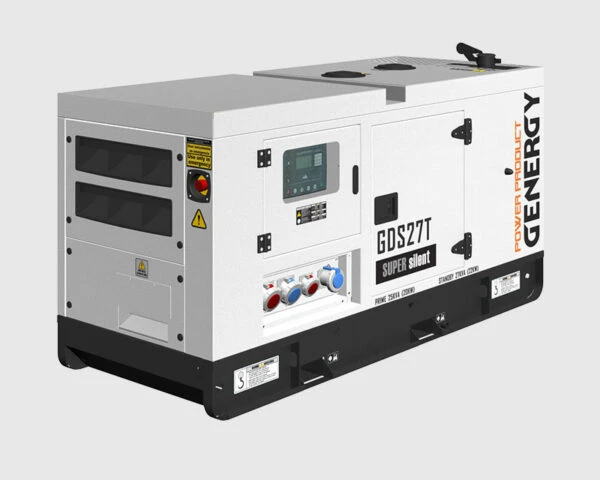
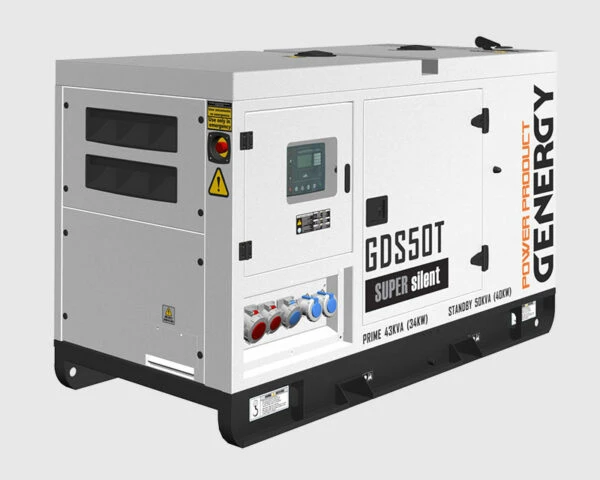
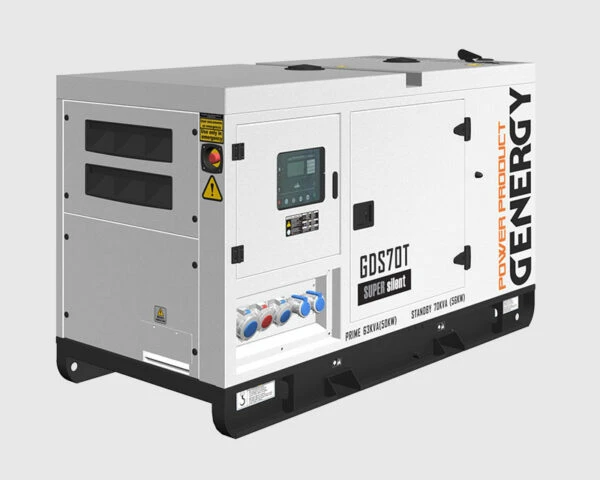
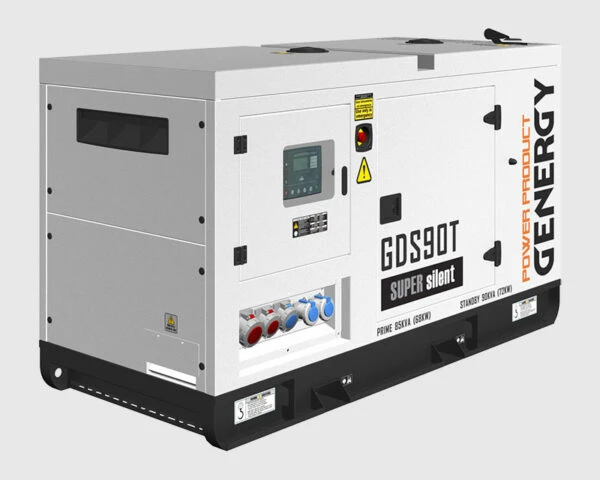
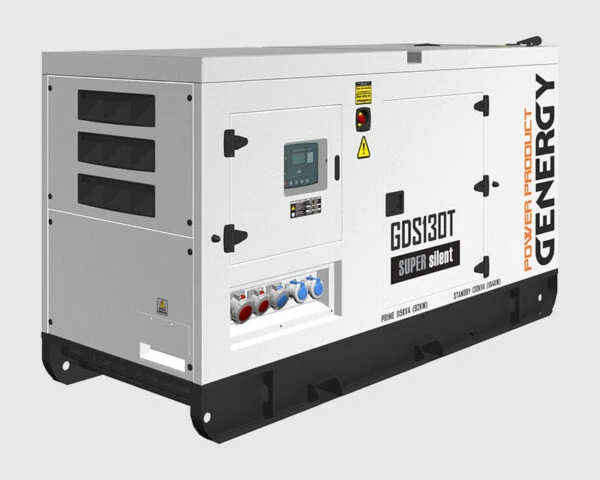
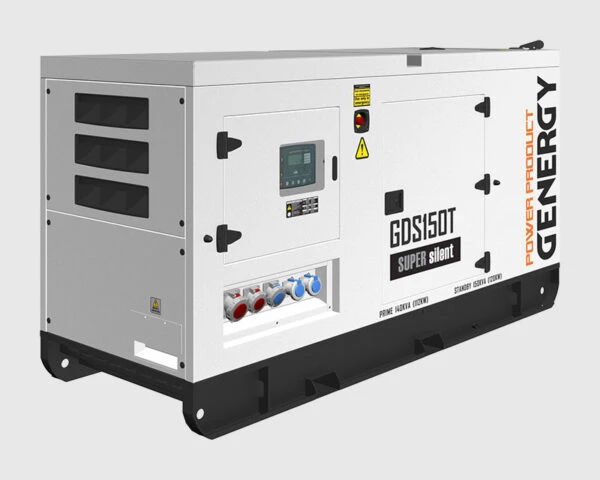
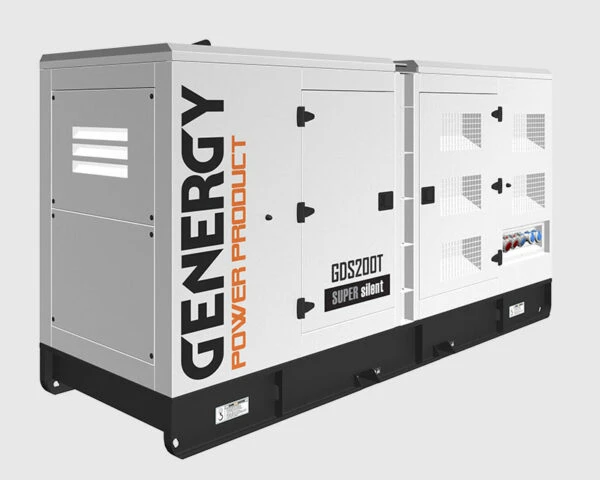
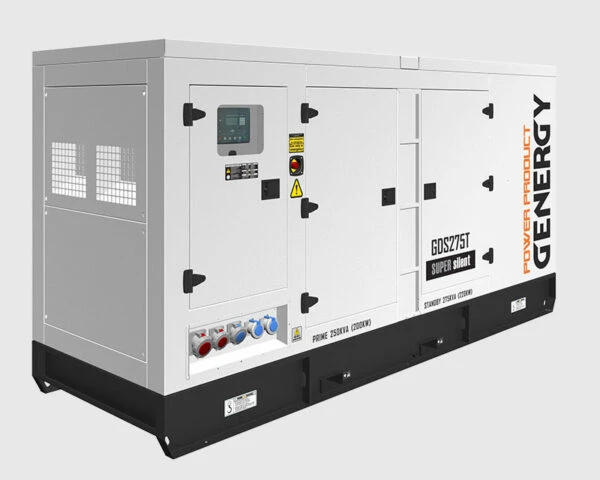
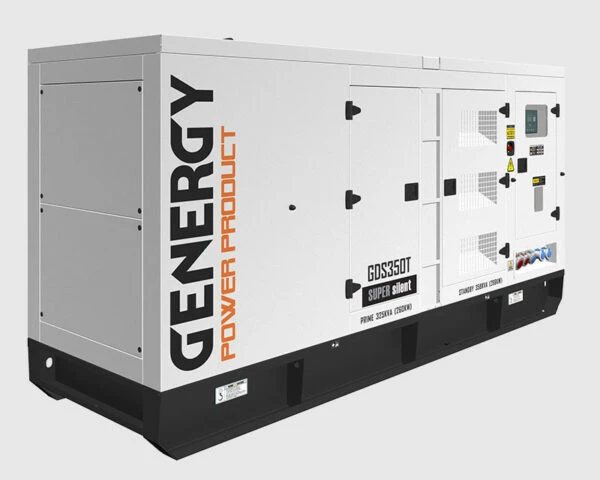
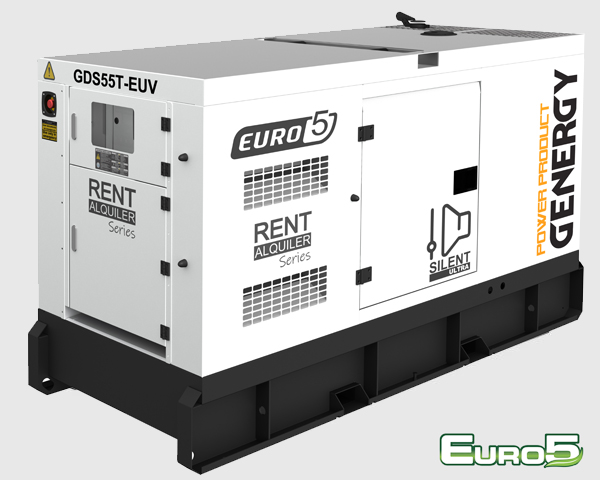
At GENERGY, we exclusively offersoundproofed diesel generators—a strategic choice that prioritizes user comfort. Soundproofing significantly reduces noise levels without adding a significant cost compared to open models, making it an idealgenerator for home use. This decision results in a better customer experience without compromising functionality.

3000 RPM Diesel Generator – For Occasional Use or Emergencies

These electric generator models are designed for intermittent use, such as occasional power outages or backup power. Their 3000 RPM engine speed makes them lighter and more economical, ideal for situations where they are not used for extended periods.

1500 RPM Diesel Generators – For Heavy-Duty or Continuous Use

Designed for continuous, heavy-duty operation, these 1500 RPM diesel generators are known for their durability and efficiency. They are ideal for professional applications that require an uninterrupted power supply.

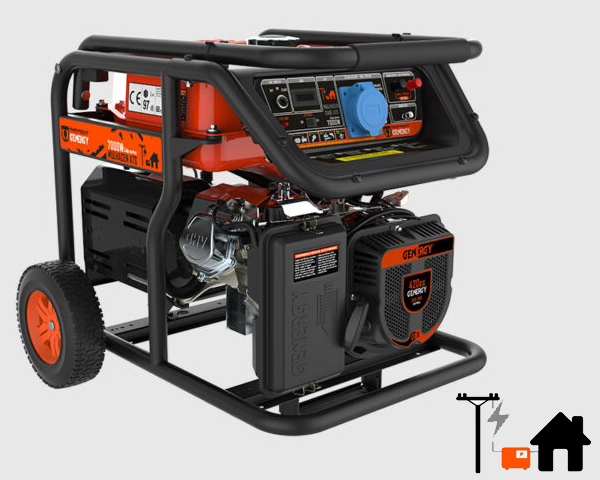
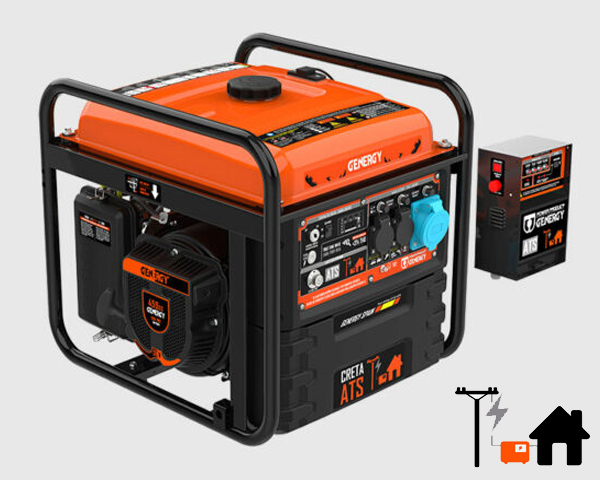
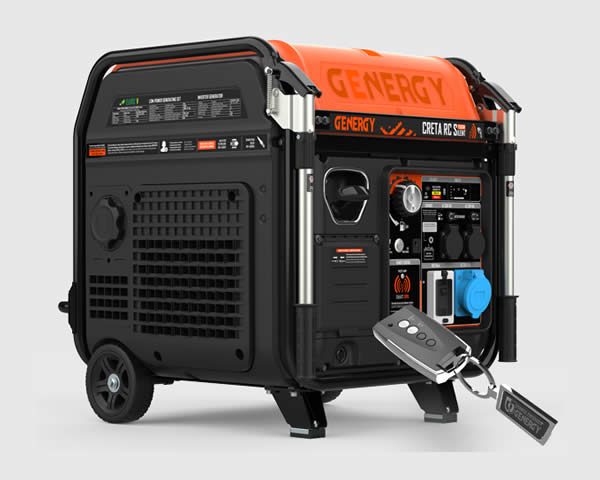
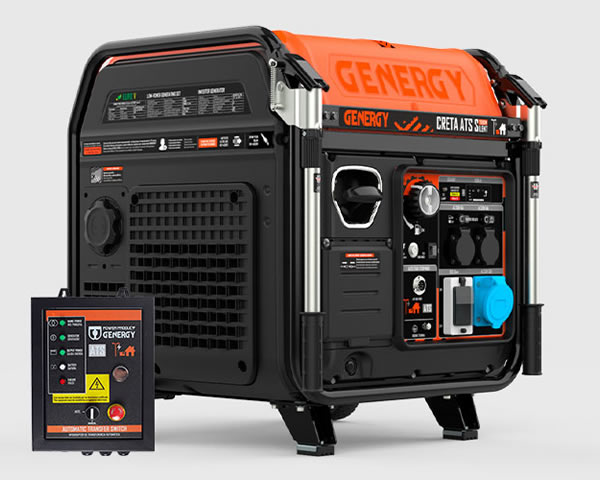
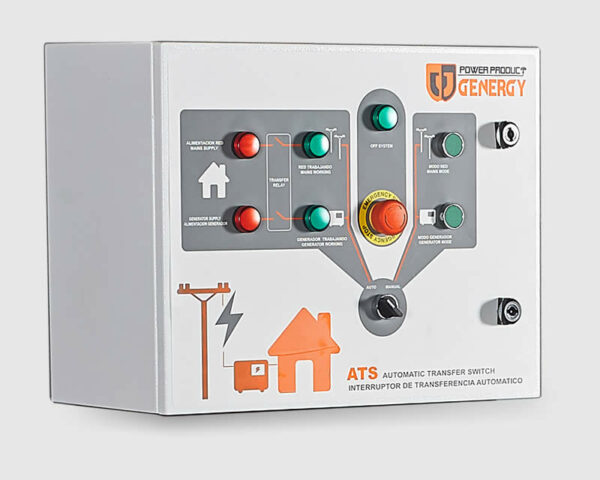
All of our diesel generators offermanual or automatic startoptions,such asthe10,000-watt diesel generator, whether due to a power outage, as a backup for photovoltaic systems, or via a scheduled timer.Buying a portable electric generatorfrom Genergy ensures post-purchase support and quality!

GENERGY Gasoline Generators

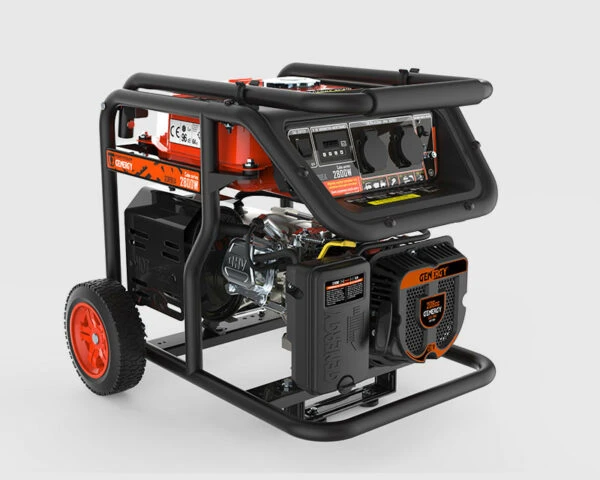
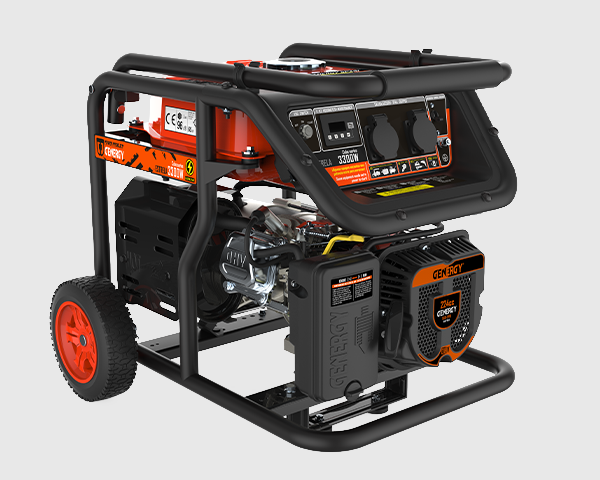
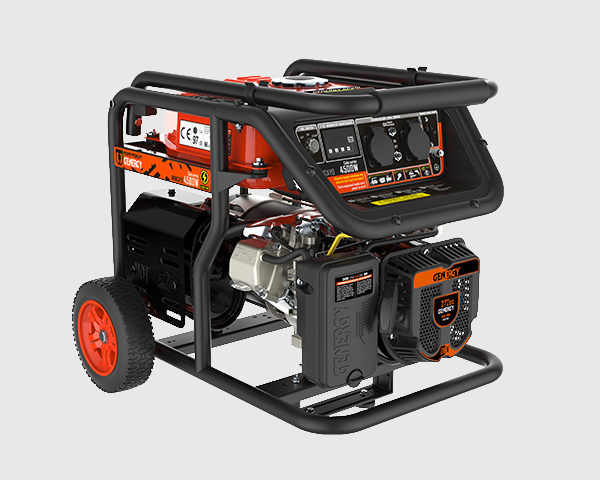
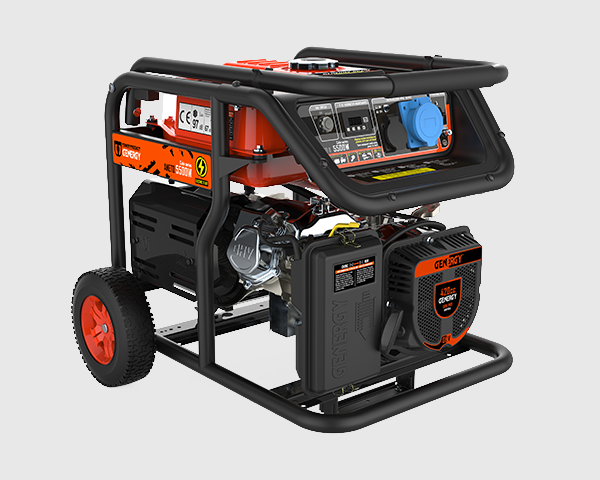
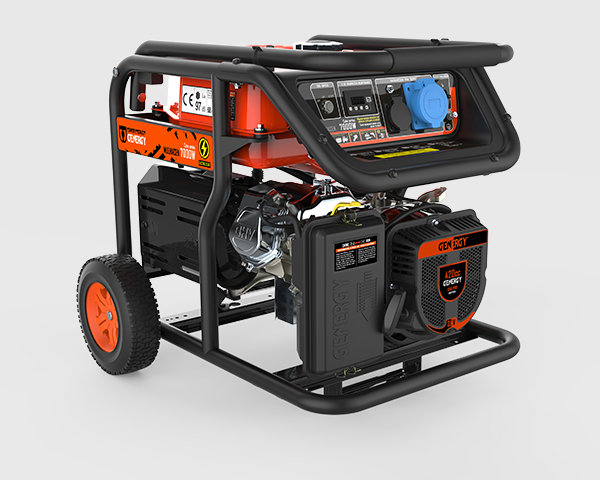
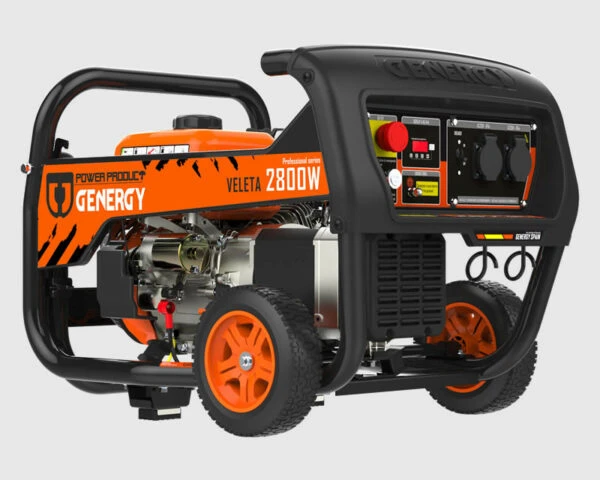
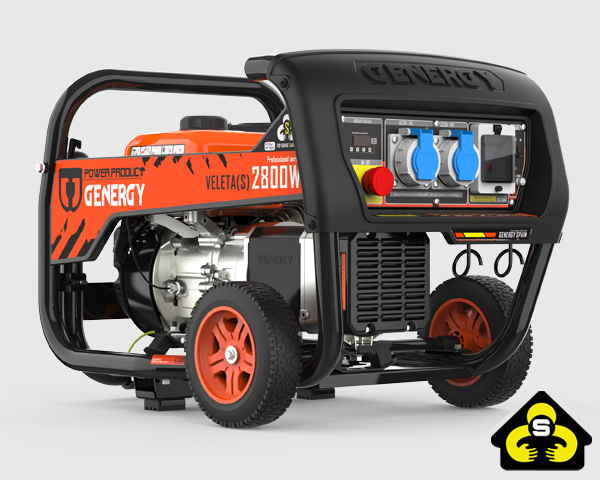
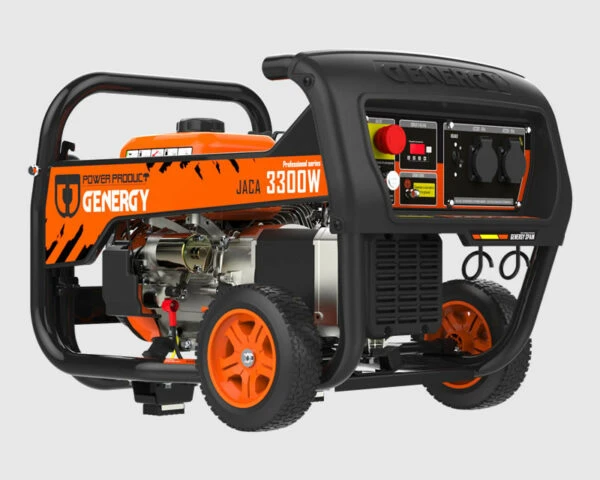
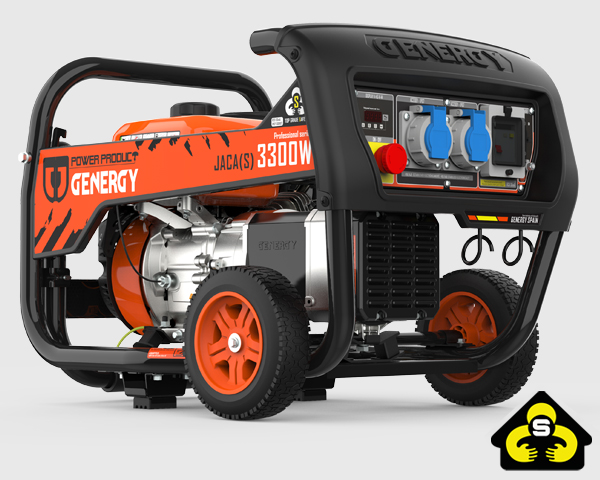
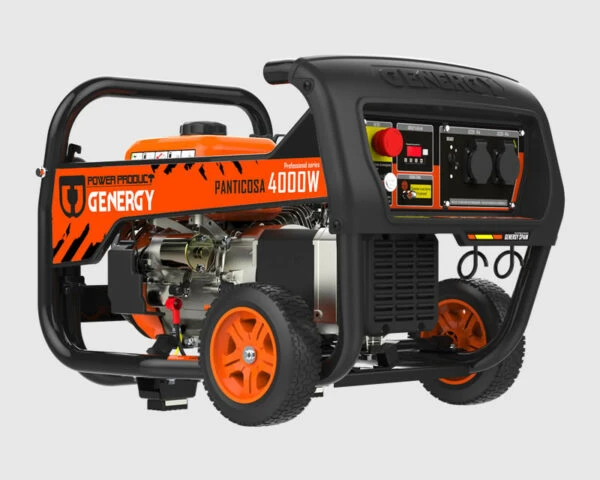
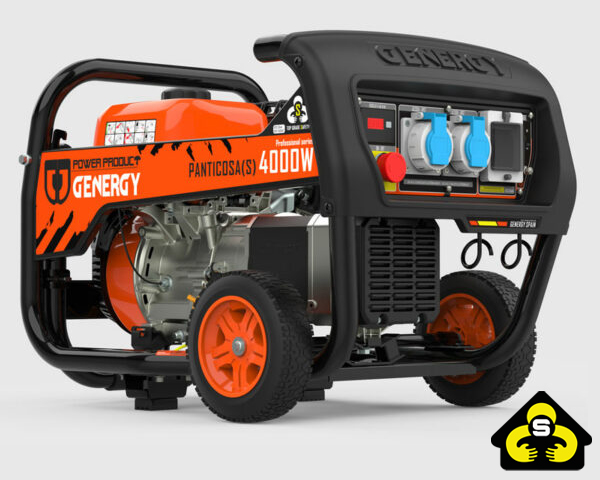
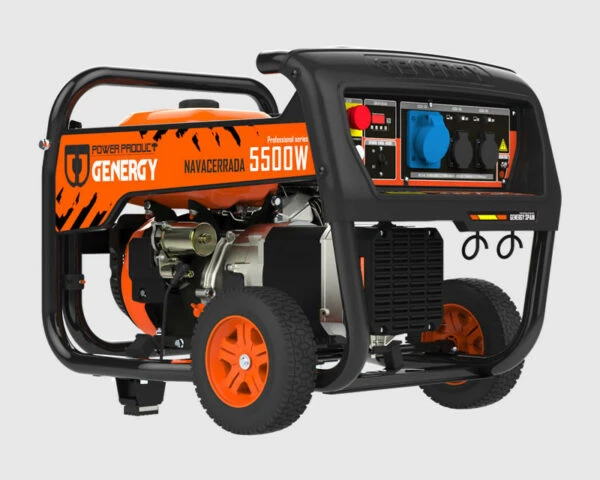
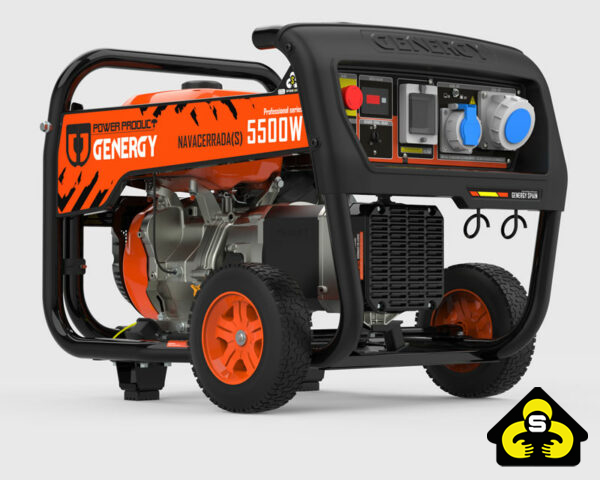
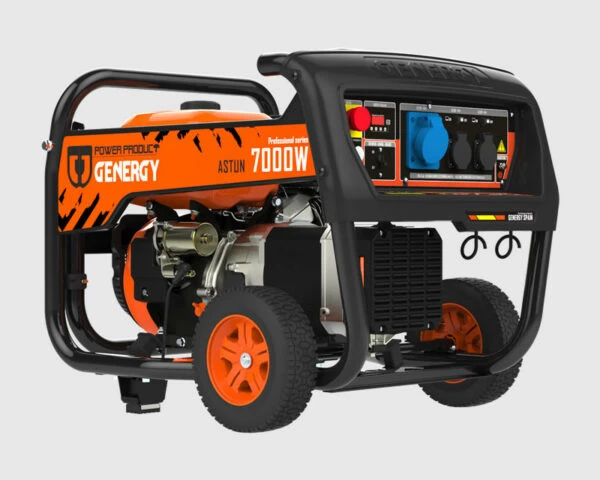
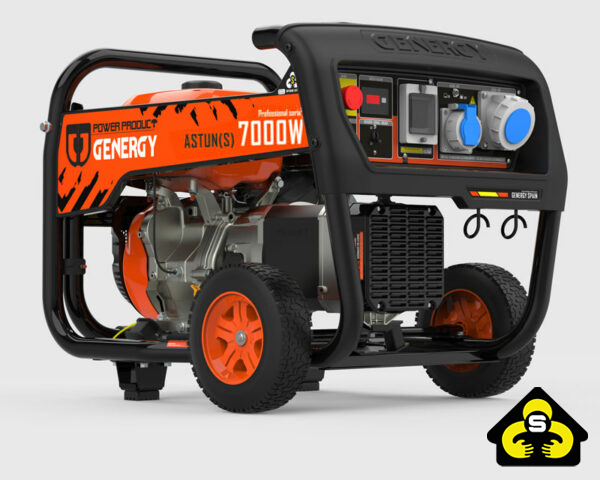
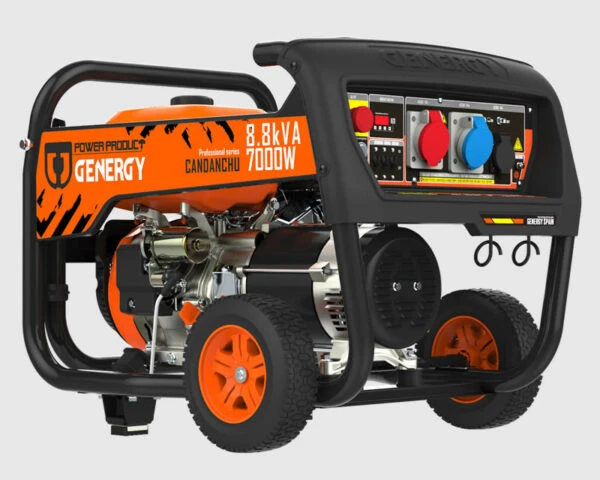
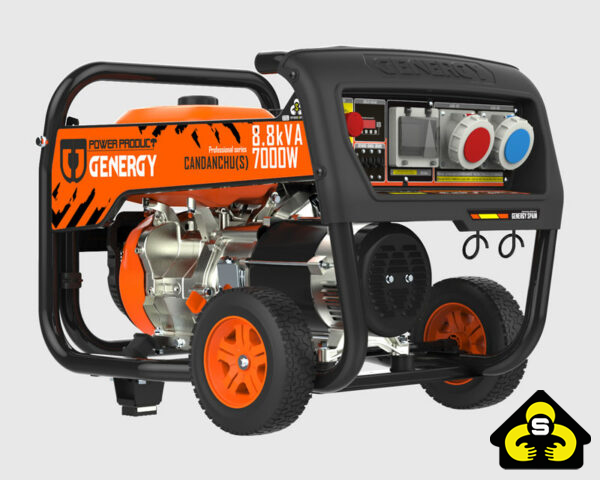
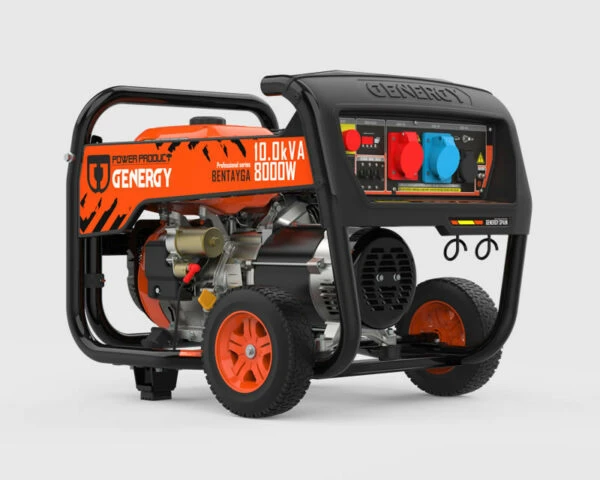
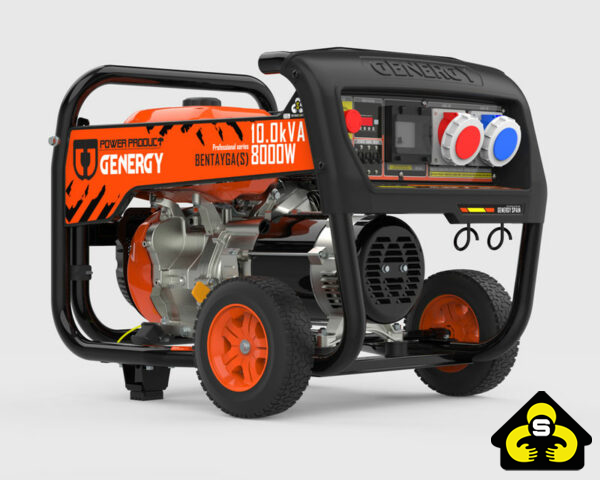
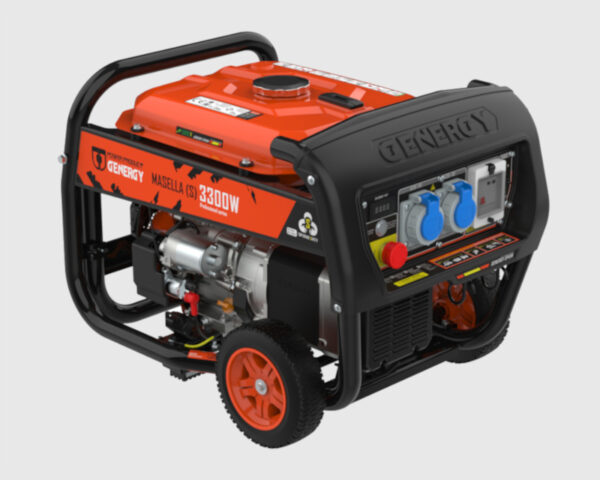
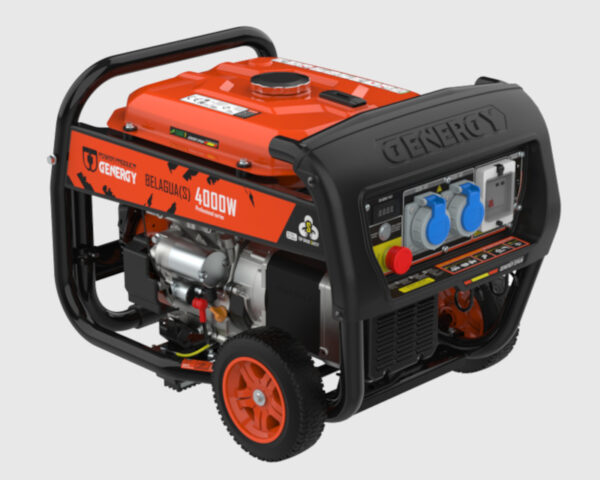
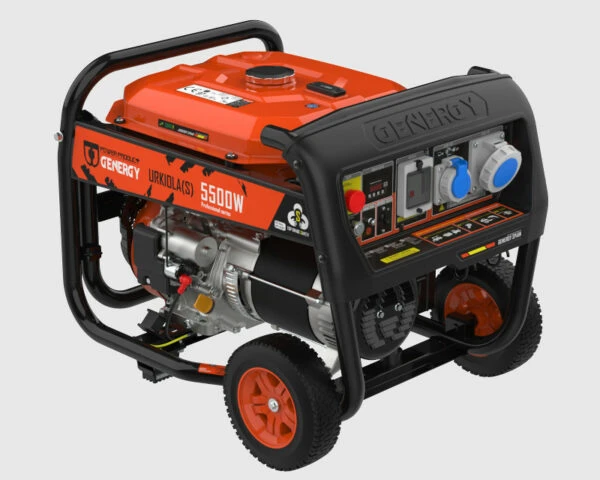
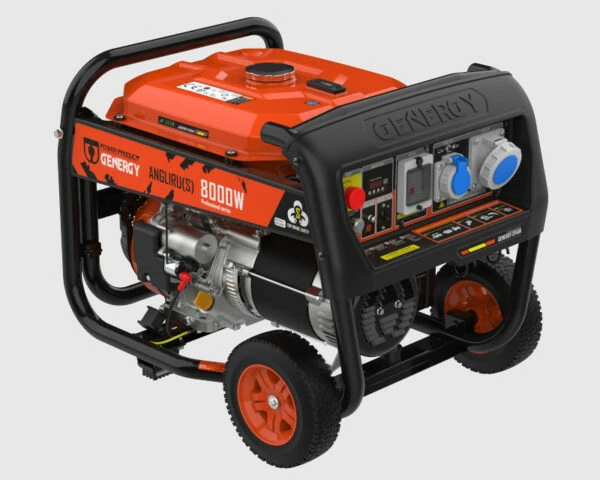
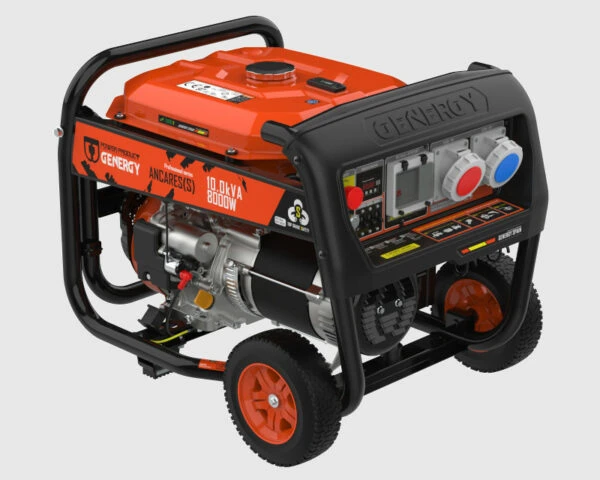
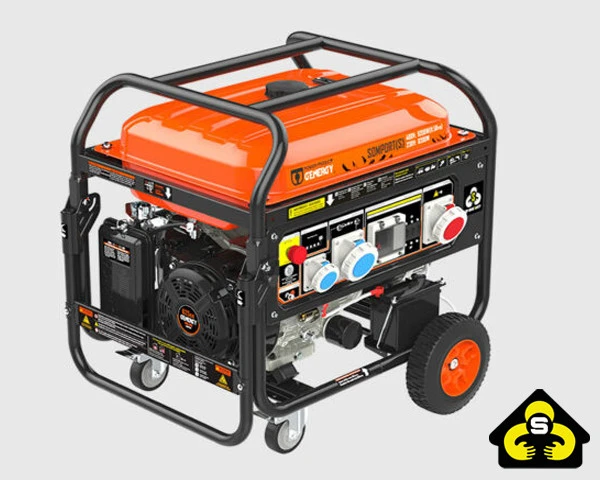
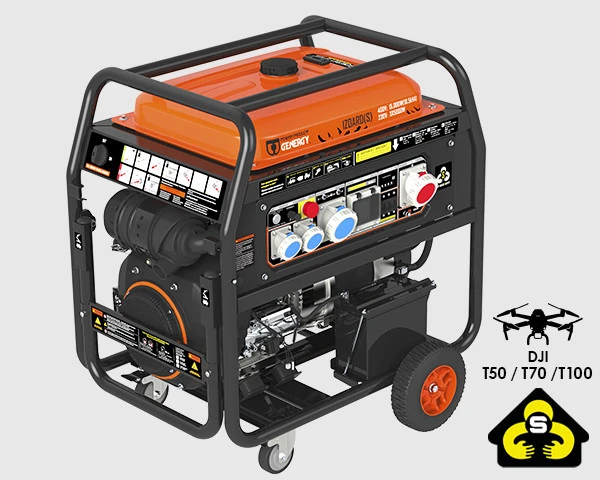
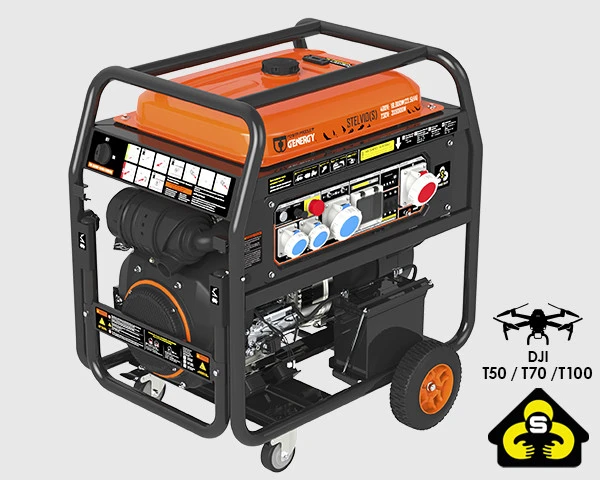
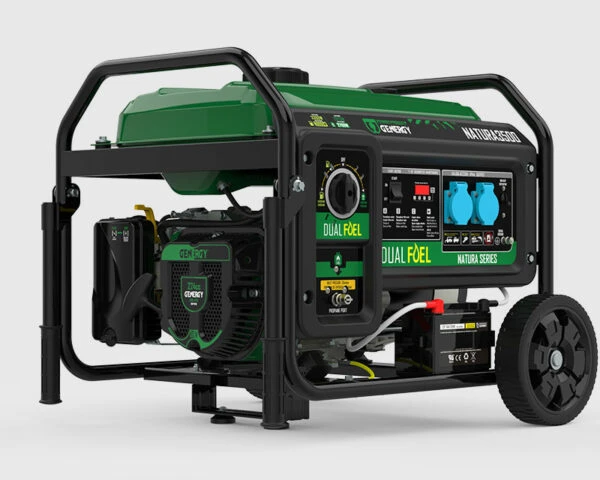
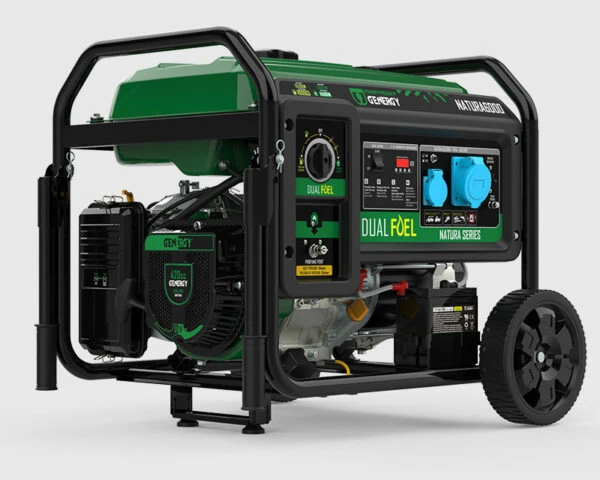
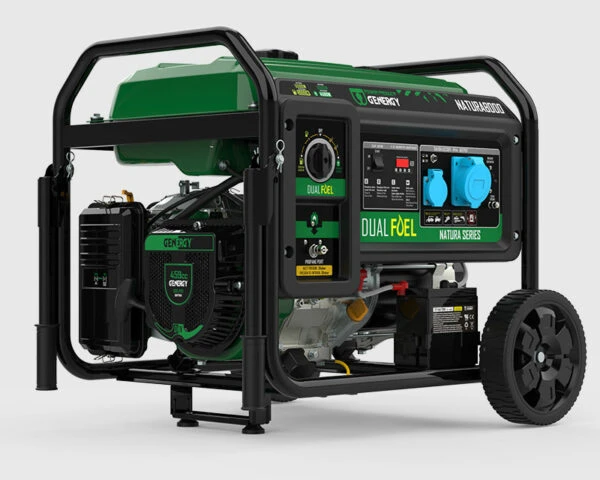
GENERGY’s line of gasoline-powered generators includes solutions for all types of users, with power outputs ranging from small 1,000-watt generators to 18,000-watt generators. They are especially popular for their excellent value and versatility in sectors such as construction, landscaping, and maintenance.

Our traditional portable gasoline-powered generator operates with a 3,000 RPM engine and features an SVR (Smart Voltage Regulator) system—an evolution of conventional AVRs—which improves current stability during continuous operation and allows for the starting of larger, higher-load induction motors. 

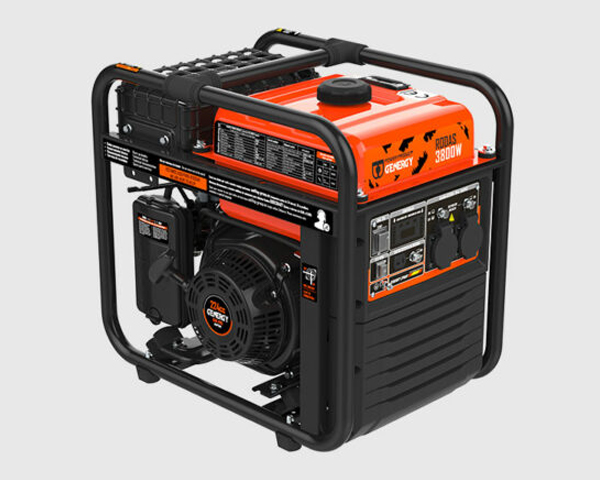
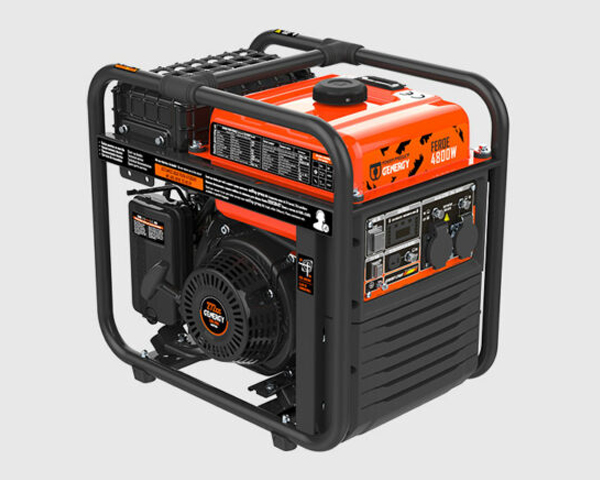
Gasoline Inverter Generators - High Current Quality

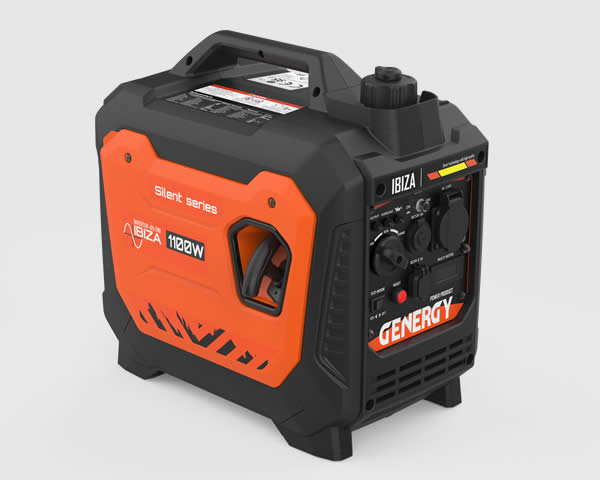
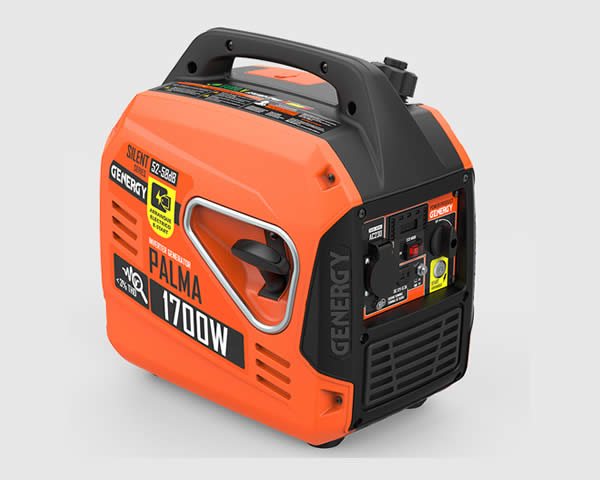
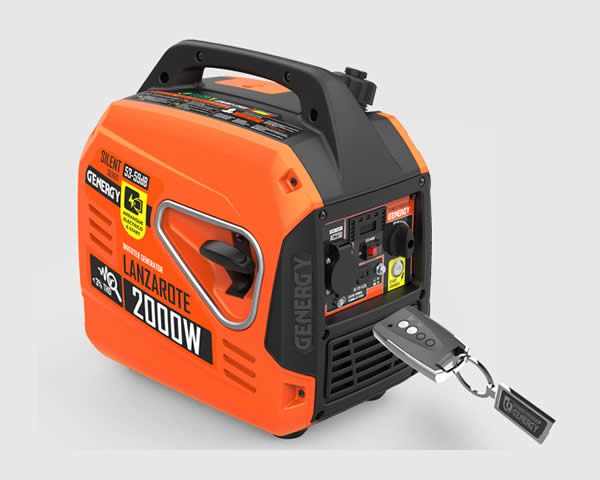
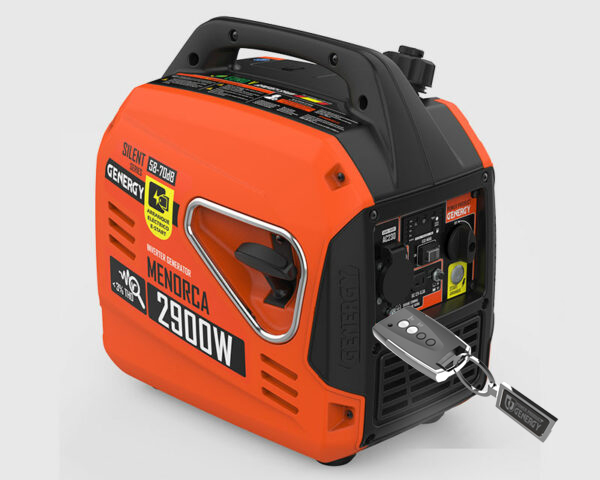
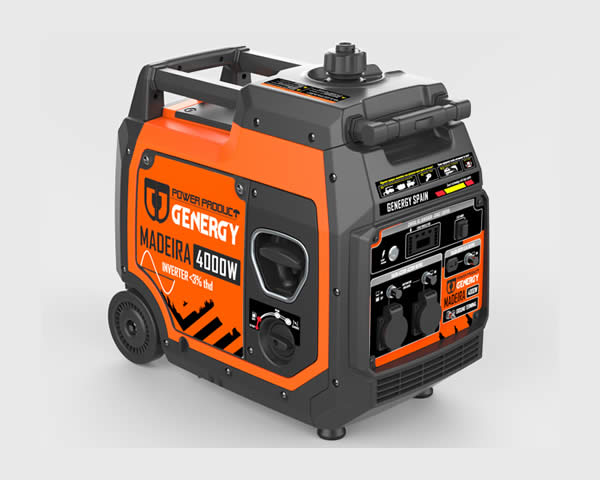
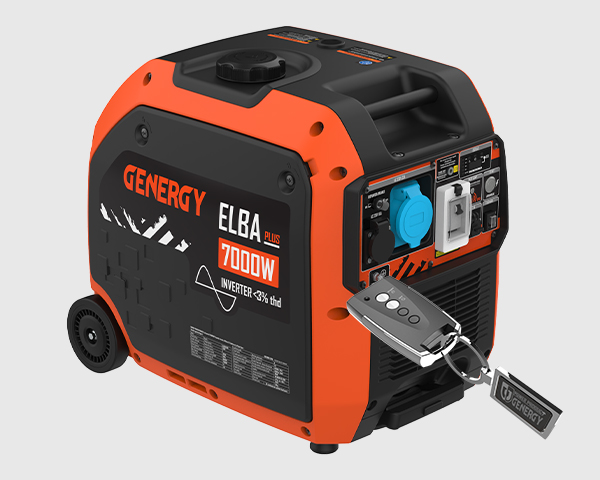
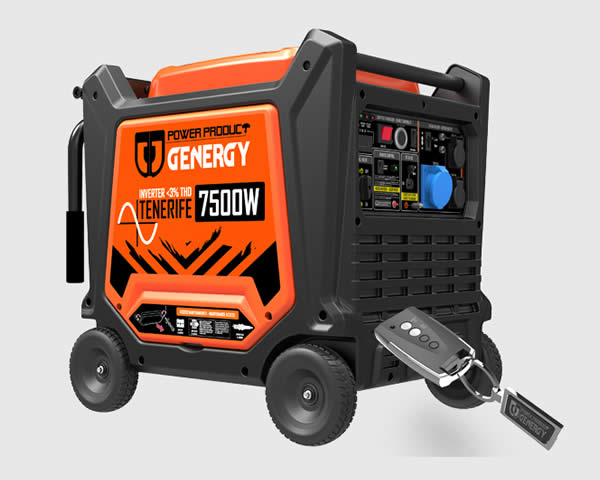
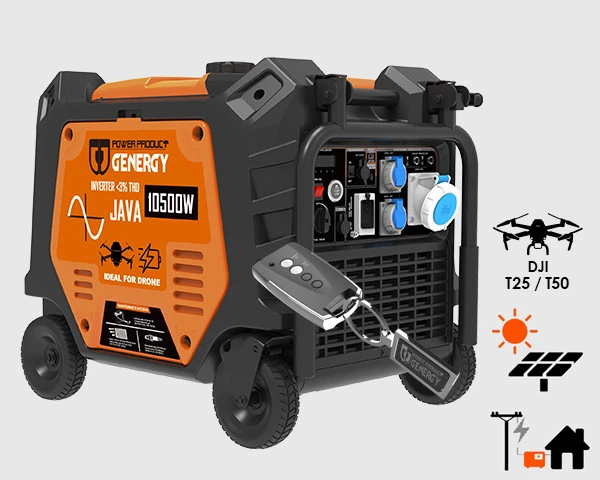
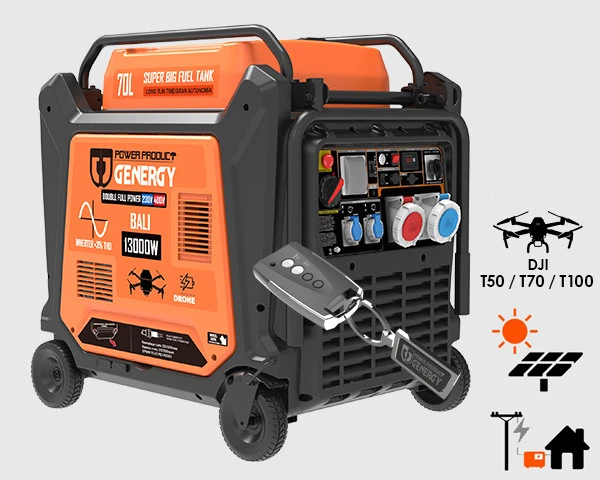
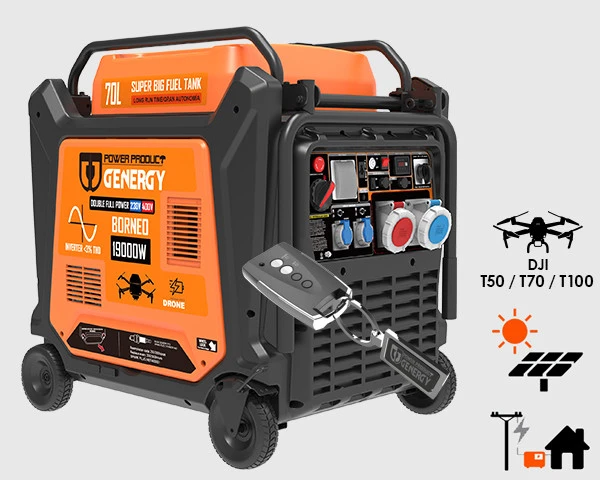
Inverter-type generators represent the most advanced range ofpower generators, offering an extremely stable and clean power output with harmonic levels below 3% THD. This makes them theideal choice for sensitive electronic equipment, such as communication systems, solar inverters, and, in general, equipment that relies heavily on electronics or features interactive displays. 

Thanks to theirlightweight, compactdesign andECO function,inverter generatorsadjust engine speed based on the load, resulting inlower fuel consumption, reduced noise, and continuous operation.

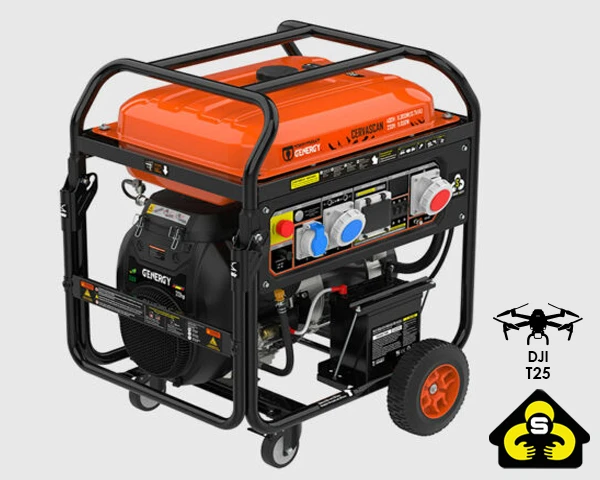
In addition, at GENERGY, we have made ourhigh-power generatorsavailable in inverter versions as well, with small electric generator models capable of powering everything frommortar sprayerstoagricultural drones for field use—tasks that were previously only possible with large diesel generators.

GENERGY Solar Generators

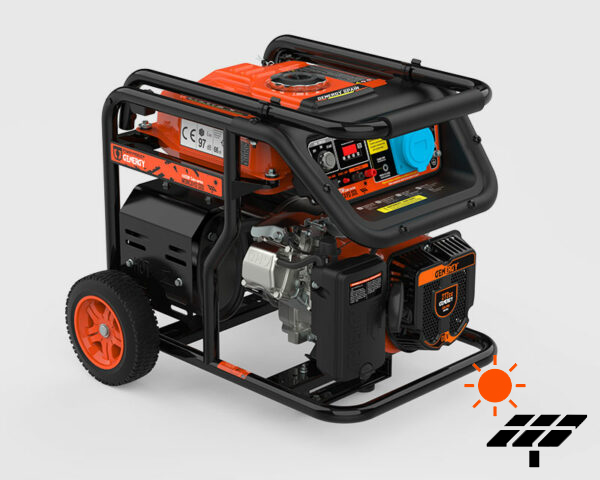
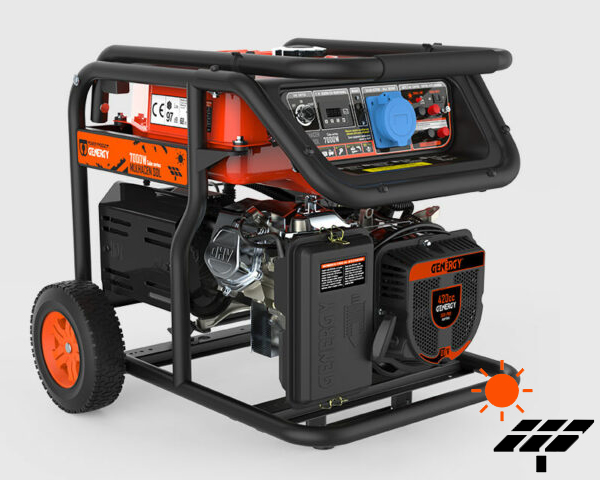
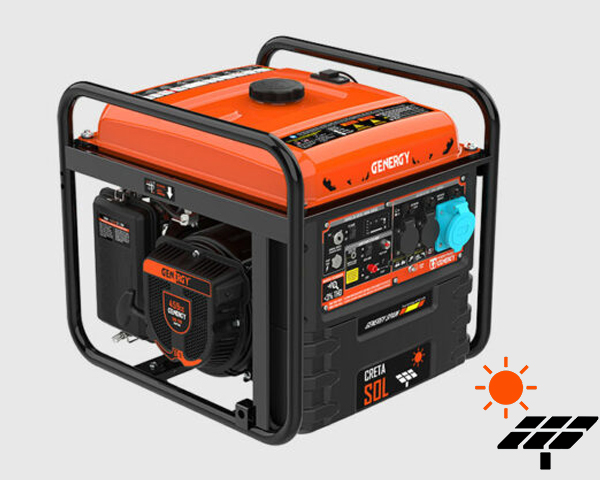
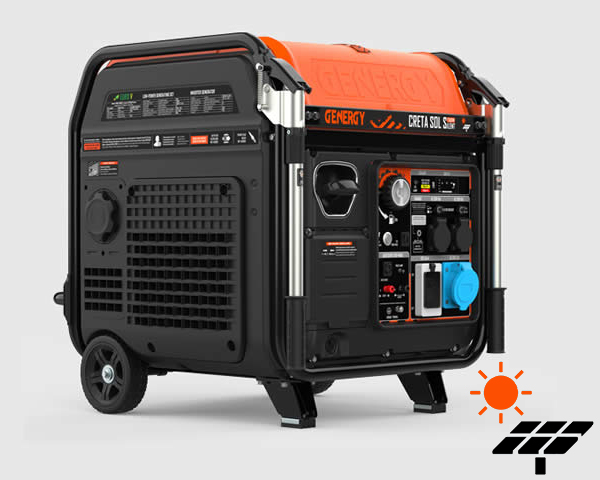
Solar generatorsare becoming increasingly popular; they offer aneco-friendly, quiet, and portable alternative that’s perfect for occasional use or moderate loads. Our models can be charged via solar panels, the electrical grid, or traditional generators, making them suitable for any situation. It’s the idealhome generator!

With high-quality power output andstate-of-the-art batteries, GENERGY solar generators offer alifespan of up to 10 yearsor more. They are compatible with all types of devices, including those with sensitive electronics. If you needto buy a solar generator,you've come to the right place!

Functions of an electric power generator

Uses of an electric generator

Benefits of an Electric Generator

Components of a small generator set

Why Choose GENERGY?

Buy a generator

AtGENERGY, we work every day to ensure you havethe power you need at your fingertips, backed by the reliability and support of a national brand committed to innovation and customer service.Buying an electric generatorhas never been easier! Contact ourelectric generator sales team!

Difference Between an Electric Generator and a Generator Set

Although they are often used interchangeably, there are technical differences between an electric generator and a generator set.

The electric generator is the component responsible for converting mechanical energy into electrical energy.

For its part, a generator set is the complete system consisting of:

  • Internal combustion engine.
  • Alternator or electric generator.
  • Cooling system.
  • Fuel tank.
  • Dashboard.
  • Chassis and protective components.

In practice, when people talk about buying equipment to generate electricity independently, they are usually referring to a complete generator set. However, the term “electric generator” is the one most commonly used by users in Google searches, which is why the two terms are often used interchangeably.

Thanks to Genergy's wide range of solutions, you can find both inverter-type electric generators and gasoline- and diesel-powered generator sets tailored to any energy need.

How to Choose the Power Rating of an Electric Generator

Power is one of the most important factors to consider when buying an electric generator.

To calculate the required power, add up the power consumption of all the devices you will be using at the same time and add a safety margin of 20% to 30%.

Approximate power rating

Usage

Recommended power

Basic Lighting and Small Appliances

2,000–3,000 W

Apartment with a refrigerator, television, and essential appliances

3.000 – 5.000 W

A full-sized home or a small business

5.000 – 8.000 W

Workshops, Projects, and Professional Applications

8,000 W or more

It is also important to consider the starting power of electric motors, compressors, water pumps, or professional machinery, as they may require power spikes that exceed their rated power consumption.

What kind of electric generator do you need?

Choosing the right electric generator depends mainly on how you plan to use it, the power required, and how often you’ll use it. At Genergy, we offer solutions for residential, commercial, and industrial applications, ranging from compact emergency units to high-power generators for continuous operation.

If you need to power basic appliances during a power outage, an inverter generator or a portable model may be sufficient. For construction sites, businesses, events, or facilities with higher energy demands, it is advisable to choose units with greater power and runtime.

Before purchasing an electric generator, it is a good idea to calculate the total power consumption of the equipment you plan to connect and allow for an additional margin to account for peak power demands during the startup of motors, pumps, or power tools.

A home generator helps maintain a power supply during power outages or grid failures. Depending on the power rating you choose, it can power lights, refrigerators, freezers, routers, heating systems, televisions, and other essential appliances.

Inverter models are often particularly recommended for home use because of their low noise levels and the quality of the power they generate.

For primary residences, home generators typically range from 2,000 W to 8,000 W, although each installation must be sized according to actual consumption needs.

Types of Electric Generators

Inverter-type electric generators

Inverter generators produce a more stable and cleaner current, making them ideal for sensitive electronic devices such as computers, televisions, routers, medical equipment, and telecommunications systems. In addition, they tend to be quieter and more fuel-efficient.

Gasoline-powered generators

They are one of the most popular choices for home use and occasional professional applications. They stand out for their ease of use, lower initial cost, and simple maintenance.

Diesel-powered generators

Designed for heavy-duty use and long workdays. They offer long battery life, lower power consumption during continuous operation, and exceptional durability.

Portable Electric Generators

Ideal for users who need mobility. They are widely used for outdoor activities, RV trips, events, and small construction projects.

Backup Electric Generators

Designed to serve as an emergency power system in the event of a power outage in homes, businesses, or industrial facilities.

Frequently asked questions about light and electricity generators

To calculatea generator's power output, add up the power consumption of all the appliances that will be running at the same time and add an extra 20–30% to account for startup surges.

  1. Identify the electrical equipment
    Make a list of all the appliances you’re going to plug in (refrigerator, lights, air conditioner, pumps, tools, etc.).
  2. Add up the rated power of the electrical appliances (W)
    Each appliance lists its power consumption in watts (W). Add only those that will be running at the same time.
  3. Keep in mind the starting current spikes
    Some motor-driven equipment may require2 or even 3 times more power when starting up.
  4. Add a safety margin
    Add anadditional 20–30%to prevent the generator from operating at full capacity.

Practical example
Total power consumption: 2,400 W
30% margin: +720 W
Recommended generator:minimum 3,000–3,200 W

A generator's consumption depends on its power, the type of fuel, and the connected load.

  • Gasoline generators:
    Smaller models consume between0.5 and 1.5 liters per hour.
  • Diesel generators:
    More efficient at medium and high power levels.
  • Factors influencing consumption:
    • Connected load
    • 100% or partial operation
    • Direct or alternating current

Conclusion:The heavier the load, the higher the fuel consumption.

A small portable electric generator requires periodic oil changes for continuous operation, filter inspections, and regular cleaning to ensure proper functioning and a long service life.

Recommended maintenance

  • Oil change
    • First change: at8 p.m.
    • After that: every100 hoursor every6 months
  • Oil filter
    • Check every 50 hours
    • Replace if damaged
  • Filtro de aire
    • Review when the equipment indicates
  • Oil level
    • Check with the equipment on a flat surface
  • Cleaning
    • Clean with a soft cloth and a brush
  • Long-term storage
    • Drain fuel
    • Disconnect battery
    • Store in a dry, protected place.

The installation ofelectric generatorsmust comply with the Low-Voltage Electrotechnical Regulations (REBT).

Applicable regulations

  • REBT – Royal Decree 842/2002
  • Regulations on:
    • Electrical safety
    • Emissions
    • Noise
    • Consumption
  • Certifications:
    • ISO
    • UNE
    • European directives

Indoors,noise and emissionstandardsare stricterthan outdoors.

For a home, it is recommendedto purchase a home generator with a capacity ofbetween 3,000 and 6,000 watts, depending on electricity consumption.

Recommendations

  • Basic housing:3,000–6,000 W
  • Sensitive appliances:inverter generator
  • Photovoltaic system:generator withautomatic start

Theprice of anelectricgeneratorranges from €500 to over €2,500, depending on its power output and technology.

Approximateprice ranges forelectric generators:

  • Basic models: starting at€500
  • Silent inverter generators:€1,200–€2,500
  • High power or professional use: can cost over€2,500

Mostelectric generatorsdo not exceed 75 dB, but silent inverters significantly reduce noise.

Comparison

  • 75 dB ≈ powerful vacuum cleaner
  • Inverter generators: much quieter

Perfect forhomes, RVs, and residential settings

Yes, generators can be integrated as backup power in solar photovoltaic systems.

 When is it recommended?

  • Low solar radiation
  • Peak consumption
  • Power outages

Ideally, you'll need apower generator:

  • Withautomatic start
  • Withinverter technology
Scroll al inicio