
Solar Generator
Mostrando los 20 resultadosOrdenado por los últimos
-
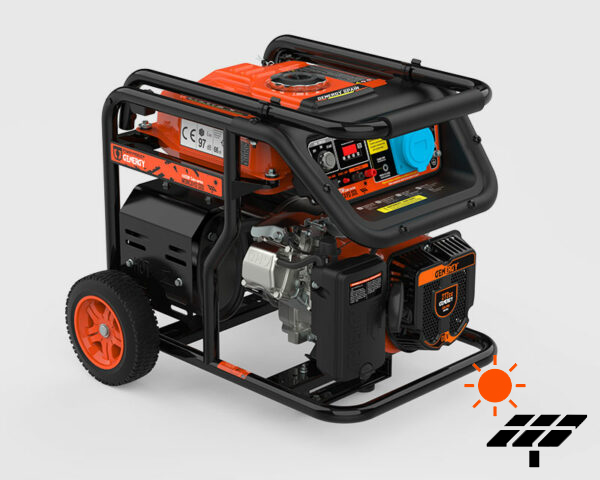 4500W / 230VCONTACT (SOLAR SUPPORT)
 -
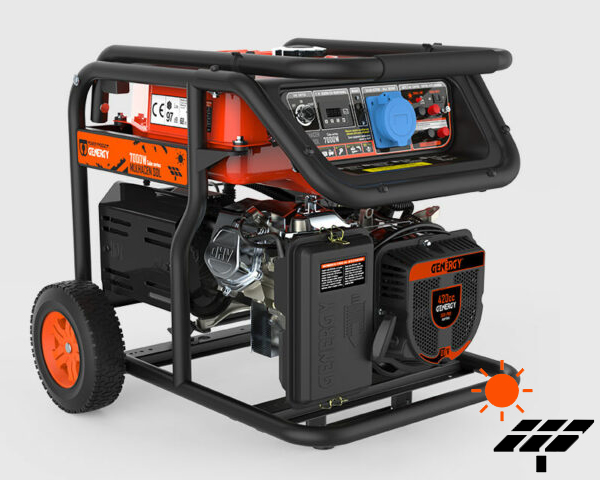 7000W / 230VCONTACT (SOLAR SUPPORT)
 -
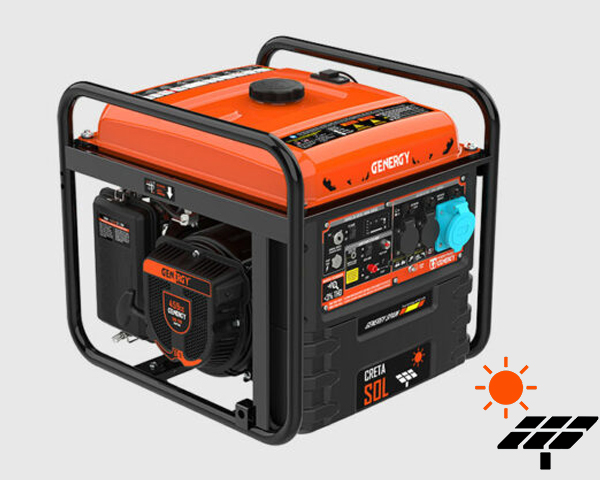 7500W / 230VCONTACT (SOLAR SUPPORT)
 -
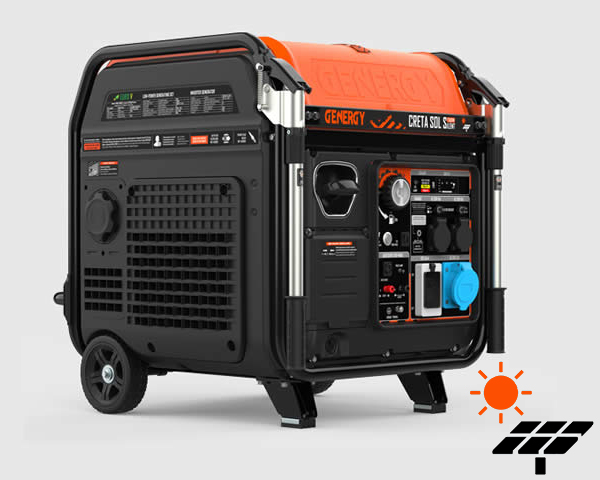 7500W / 230VCONTACT (SOLAR SUPPORT)
 -
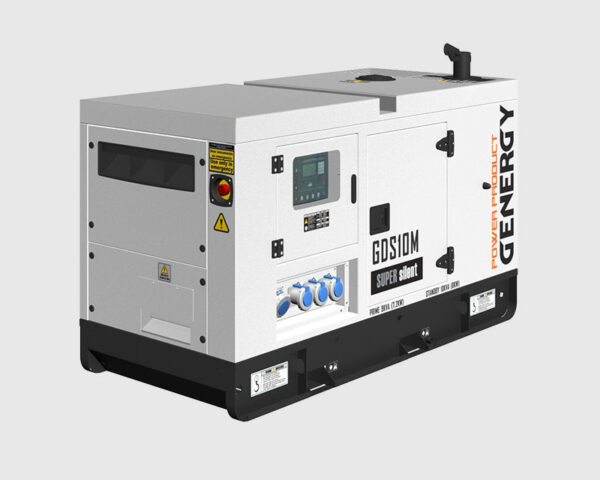 10KVA 8KW 230V
 -
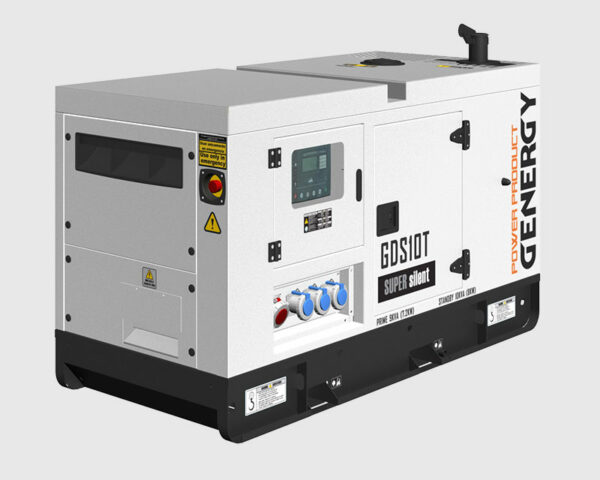 10KVA 8KW 400/230V
 -
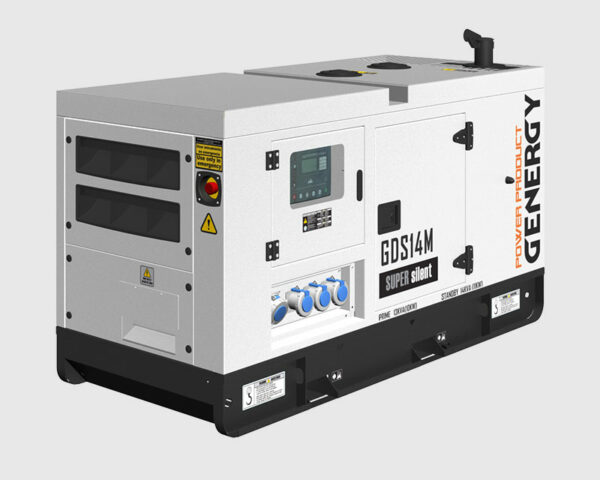 14KVA 11KW 230V
 -
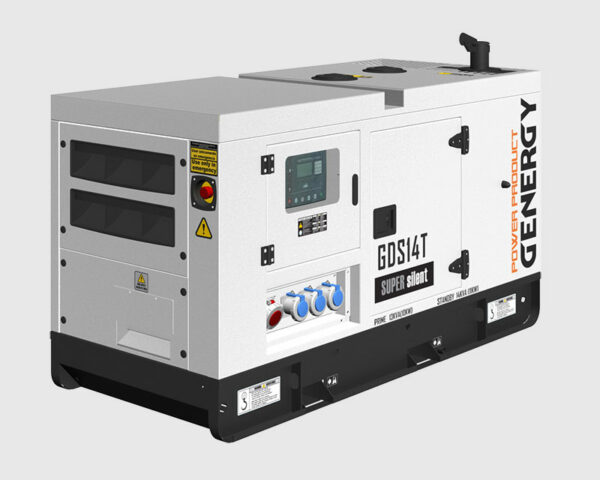 14KVA 11KW 400/230V
 -
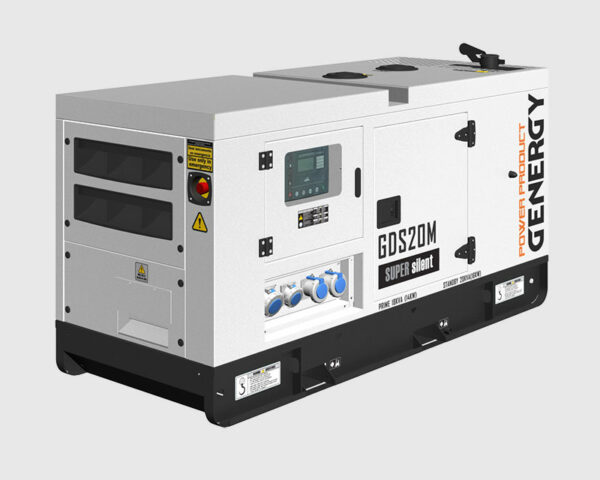 20KVA 16KW 230V
 -
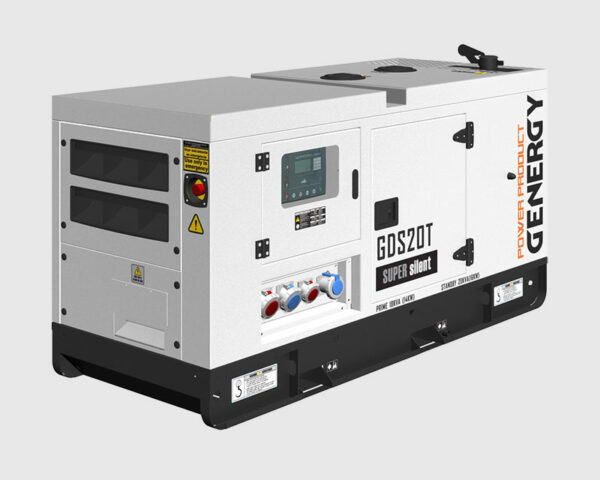 20KVA 16KW 400/230V
 -
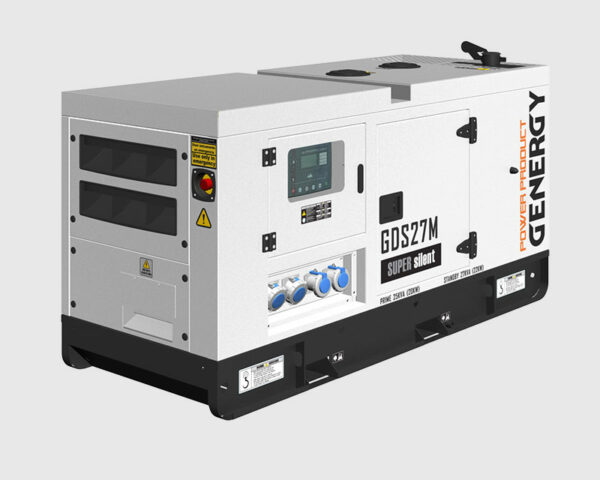 27KVA 22KW 230V
 -
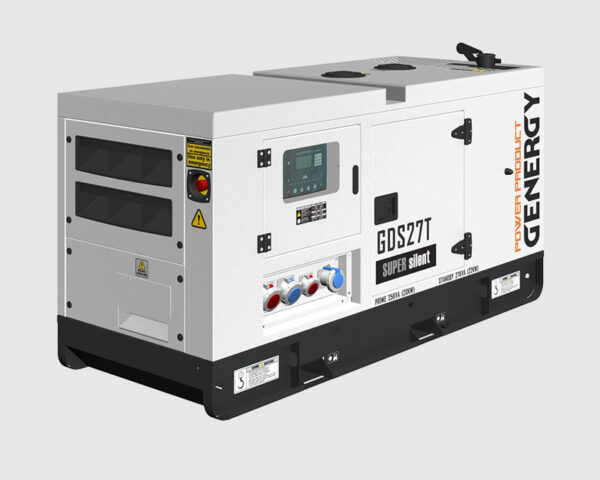 27KVA 22KW 400/230V
 -
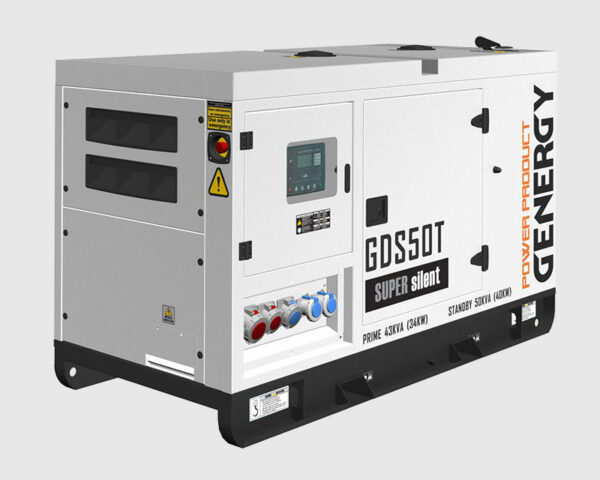 47KVA 37KW 400/230V
 -
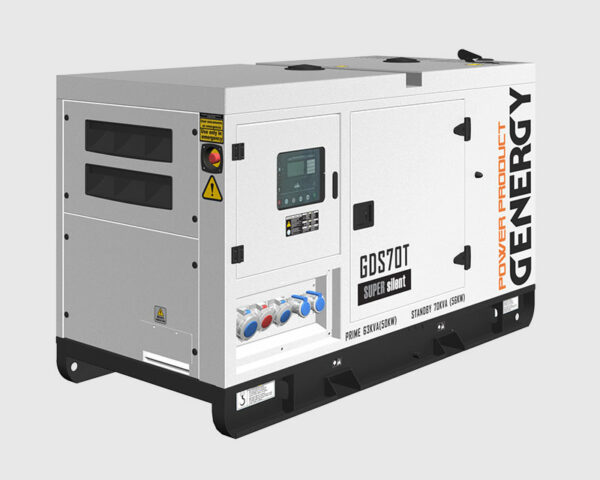 69KVA 55KW 400/230V
 -
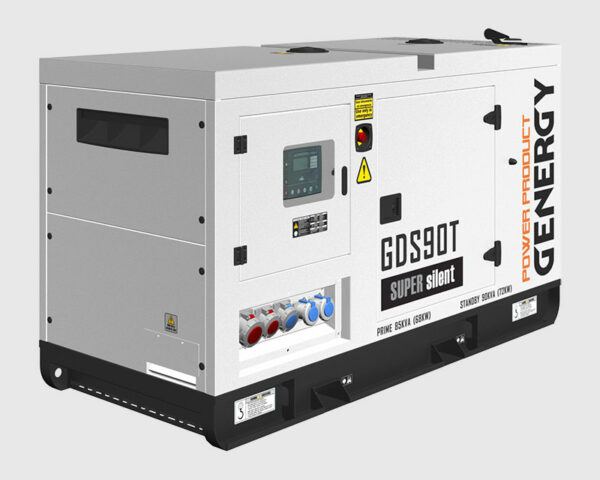 94KVA 75KW 400/230V
 -
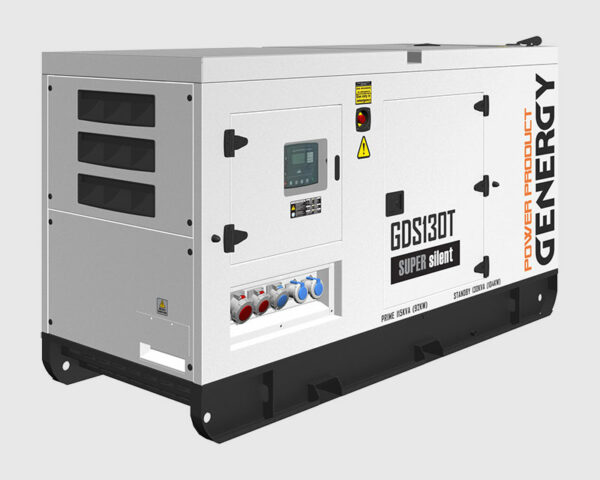 127KVA 101KW 400/230V
 -
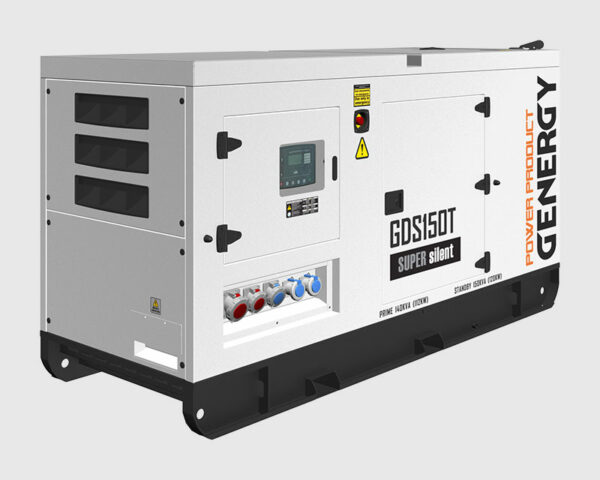 158KVA 123KW 400/230V
 -
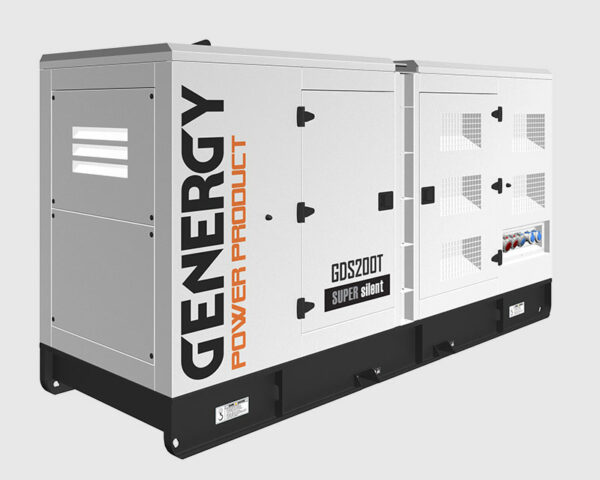 204KVA 163KW 400/230V
 -
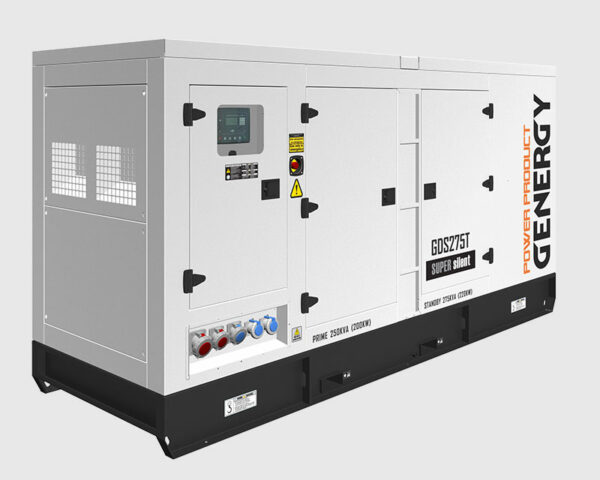 275KVA 220KW 400/230V
 -
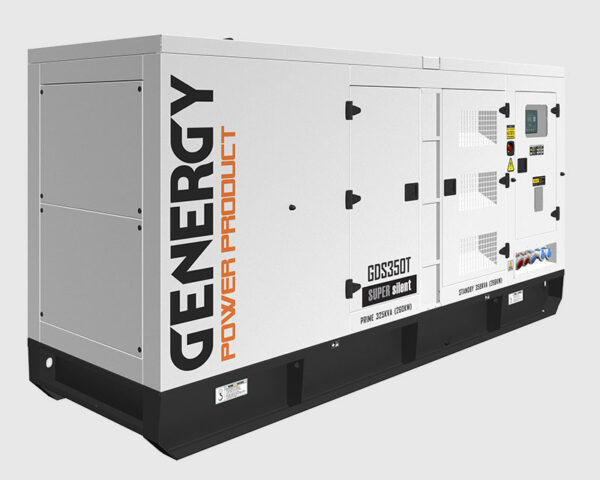 358KVA 286KW 400/230V
Photovoltaic backup generator: continuous power for your home or business
A photovoltaic backup solar generator is the cleanest, quietest, and most efficient alternative for ensuring continuous power in the event of power outages. Unlike traditional generators, these systems work by combining solar panels, lithium batteries, and smart inverters, providing a sustainable energy source that is completely independent of fossil fuels.
The growing demand for solar generators is due to the need to protect appliances, sensitive equipment, and entire facilities from prolonged power outages without sacrificing comfort or safety. In both homes and businesses, these generators have become a key investment in ensuring operational continuity.
How does a photovoltaic backup generator work?
The operation is simple, but highly technological. During daylight hours, the panels charge the batteries, which store energy to be used at any time. When a power outage occurs, the system automatically switches to the battery supply, keeping essential devices running immediately.
The most advanced models integrate hybrid inverters capable of prioritizing the use of solar energy, optimizing charging according to actual consumption, and even allowing grid injection in specific installations. This versatility is part of the reason why leading brands and retailers are increasingly highlighting these types of solutions.
Key advantages of solar generators compared to traditional generators
La principal diferencia con un generador electrico a gasolina o diésel es el impacto medioambiental y operativo. Los generadores fotovoltaicos no requieren combustible, no generan ruidos molestos, no emiten gases y su mantenimiento es mínimo. Además, su vida útil es muy superior y no depende del acceso a combustibles en situaciones de emergencia.
Another significant advantage is its scalability. You can start with a basic system and expand it with more batteries or panels as your needs grow. This level of flexibility allows the backup to be adapted to small homes, businesses, workshops, shops, and even industrial facilities.
What capacity does your solar generator system need?
La capacidad ideal dependerá del tipo de consumo que deseas cubrir. Para una vivienda estándar, suele buscarse un sistema capaz de alimentar iluminación, refrigeración, pequeños electrodomésticos y cargadores. En cambio, para negocios o industrias, es frecuente dimensionar generadores de respaldo fotovoltaico con más de 5 kW de potencia continua para asegurar funcionamiento operativo.
Market references show solutions that deliver between 1 kW and 55 kW of annual generation, offering alternatives for all types of projects. These figures allow for the design of an energy backup system that covers essential, strategic, or total consumption, depending on the user's needs.
What should you consider before choosing a photovoltaic backup generator?
Al comparar opciones, conviene evaluar características técnicas como potencia de salida, autonomía de las baterías, compatibilidad con paneles solares existentes, tipo de inversor integrado y posibilidad de monitorización remota. También es importante considerar la instalación y la calidad de los componentes eléctricos y de almacenamiento del generador para placas solares.
The main industry guidelines recommend checking whether the solar generator allows automatic switching in the event of power outages, whether it supports future expansion, and whether the brand offers specialized technical support. These aspects are crucial to ensuring a long-lasting and efficient investment.
Photovoltaic backup: security, savings, and operational continuity
Choosing a solar backup system not only means being protected against power failures; it also helps reduce energy dependence, lower long-term costs, and improve the overall efficiency of the installation. During prolonged outages, having a solar generator makes a noticeable difference in comfort and productivity.
For professional installations, a photovoltaic backup solar generator adds operational stability, protects critical machinery, and prevents economic losses associated with unexpected power outages. That is why its adoption is growing in businesses, SMEs, offices, and sectors that require constant continuity.
Why choose a photovoltaic generator as your primary backup option?
If you are looking for a reliable, quiet, and low-maintenance system, this option is clearly superior. Its self-sufficiency, smart technology, and low environmental impact make it the most recommended choice for modern homes and advanced energy projects.
The current trend in the energy sector is toward sustainable solutions with high autonomy and the ability to integrate with existing photovoltaic systems. As a result, more and more users are replacing traditional generators with solar generators that ensure clean energy in any scenario.
Find the ideal photovoltaic backup generator for your needs
Today, there is a wide variety of equipment designed to suit domestic, commercial, and industrial consumption. Whether you are looking for a compact backup for your home or a higher-capacity solution for demanding installations, you will find robust, efficient options that are ready to provide continuous power throughout the year.
Explore our alternatives to select the system that best suits your current photovoltaic installation, always guaranteeing safety, autonomy, and optimal performance even in critical conditions.
Frequently asked questions about solar generators
What are solar generators and what are they used for?
A solar generator is a device that converts solar energy into electricity to power electronic devices and appliances in a clean, portable, and sustainable way.
Clear explanation
These devices store energy in an internal battery and supply it through different outputs (USB, AC, DC). They are a silent, emission-free alternative to traditional generators.
What can a solar generator be used for?
A solar generator can be used for camping, caravans, boats, emergency situations, or as a basic electrical backup in the home.
Most common uses
- Charging cell phones, tablets, and computers
- Power supply for small appliances
- Backup power in case of power outages
- Use in environments without access to the electrical grid
Its main advantage is mobility and versatility.
How much power do I need in a solar generator?
The power required depends on the devices you want to connect.
Guidance recommendations
- 500–700 W: cell phones, laptops, routers, lighting
- 1,500 W or more: appliances, tools, or higher consumption
It is always recommended to add a safety margin based on simultaneous use.
What is the difference between a solar generator and a traditional electric generator?
Solar generators use renewable energy, produce no emissions or noise, while traditional electric generators run on fossil fuels and generate gases and noise pollution.
Key comparison
- Solar: clean, quiet, sustainable
- Traditional: higher continuous power, but with higher fuel consumption and more demanding maintenance
What maintenance does a solar generator require?
Proper maintenance allows you to maintain the efficiency of the system, extend its useful life, and avoid unnecessary breakdowns.
Device maintenance and cleaning
Keep clean and well ventilated
- Ensure proper ventilation to prevent overheating.
- Place the equipment in a clean, dust-free environment.
- Verify that the cooling system is functioning correctly.
Do not use water directly
- Avoid using water for cleaning
- Use slightly damp microfiber cloths.
- Remove dust and dirt manually
Proper storage
- Keep the equipment turned off
- Avoid extreme temperatures
- Keep it in a dry place away from moisture.
How to care for the solar generator battery?
To keep the battery in good condition, it is recommended to avoid complete discharges and to recharge it periodically.
Best practices
- Recharge the battery at least every 6 months if not in use.
- Maintain charge levels between 50% and 75%.
- Avoid both overloading and total discharge.
How are photovoltaic modules cleaned?
Solar panels should be cleaned at least twice a year to maintain their performance.
Cleaning recommendations
- Frequency: at least twice a year (more often in dusty areas)
- Materials: clean water, sponge, and soft bristle brush
- Avoid: soaps, abrasive products, and pressurized water