How a Generator Works: From Fuel to Electricity
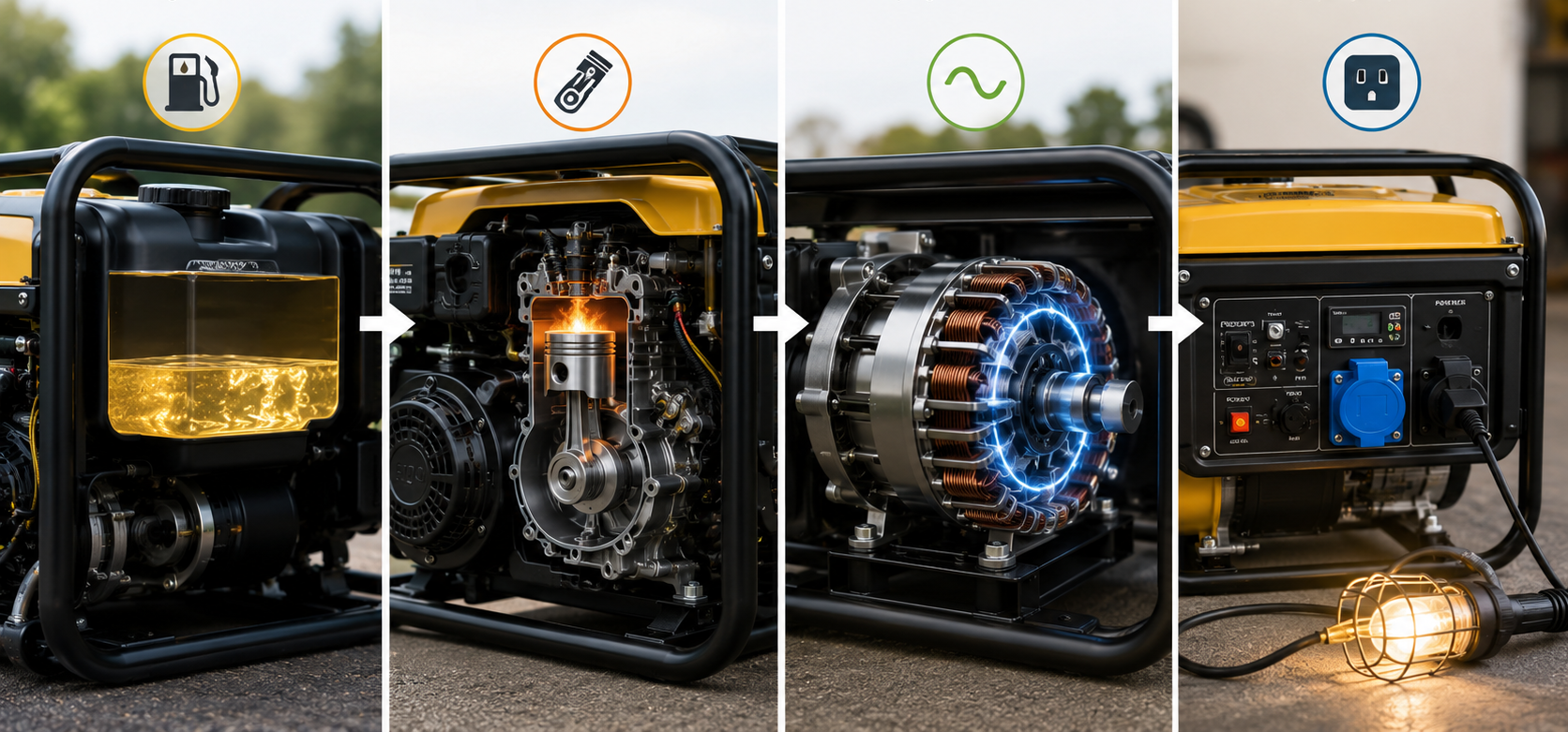
A generator set works by converting the chemical energy of a fuel—usually diesel or gasoline—into mechanical energy using an internal combustion engine. That motion drives an alternator, which converts that rotation into electrical energy that can be used to power equipment, tools, homes, businesses, or industrial facilities.
In my case, the easiest way to understand this is to think of the generator as not “creating” electricity out of thin air. First, it converts fuel into motion. Then, that motion is converted into electrical current by the alternator. Inside the alternator, the rotor spins within a magnetic field, inducing a current in the stator.
That is why, when we talk about a generator set, we’re not just talking about an engine. We’re talking about a complete unit consisting of an engine, alternator, fuel tank, cooling system, exhaust, control panel, starter battery, and electrical control systems.
What is a generator set and what is it used for?
A generator set is a piece of equipment designed to produce electricity independently. It is used when there is no power grid available, when backup power is needed during power outages, or when machinery, tools, critical equipment, or temporary facilities need to be powered.
Its main function is to convert fuel into electricity. To do this, it combines two basic components: an internal combustion engine and an alternator.
The engine generates motion. The alternator converts that motion into electricity. Other systems then help regulate the voltage, protect the equipment, cool the engine, and ensure safe operation.
A generator set can be used in many different situations:
- Homes that experience frequent power outages.
- Projects without electrical connections.
- Workshops and businesses.
- Industries.
- Events.
- Rural properties or remote areas.
- Emergency systems.
- Medical equipment, servers, or critical facilities.
The basic idea is simple: if you need electricity and the grid is unavailable or insufficient, a generator can serve as your primary or backup power source.
Difference between a power generator set and an electric generator
In everyday language, many people use the terms “power generator” and “electric generator” as if they were exactly the same thing. And in practice, they are generally understood to mean the same thing. However, there is a slight technical difference.
A generator set is the complete unit: engine, alternator, fuel tank, exhaust, cooling system, control panel, and safety devices.
An electric generator can refer to the entire unit or, more specifically, to the part that generates electricity. That is why, when someone searches for an electric generator, they are usually looking for a solution capable of producing electricity independently, whether portable, residential, commercial, or industrial.
Term | What does it mean? |
Generator set | Complete system that generates electricity using an engine and alternator |
Electric generator | Common name for equipment that generates electricity |
Alternator | A component that converts motion into electricity |
Engine | A component that converts fuel into motion |
Control Panel | The area from which the equipment is started, monitored, and protected |
Common uses: home, construction sites, businesses, and industry
A generator can have a wide variety of uses depending on its power output, fuel type, size, and type of electrical output.
In a home, it can be used to power lights, a refrigerator, a router, a water pump, or certain appliances during a power outage. In that case, people are usually interested in Home Generatorsare usually the best choice, as they are designed for household needs and basic backup power.
On a construction site, it can power tools, lighting, compressors, or light machinery. In a business, it can prevent downtime. In industry, it can handle more demanding loads, heavy machinery, or critical systems. In these cases, a Professional High-Power Industrial Generator.
How a Generator Works, Step by Step
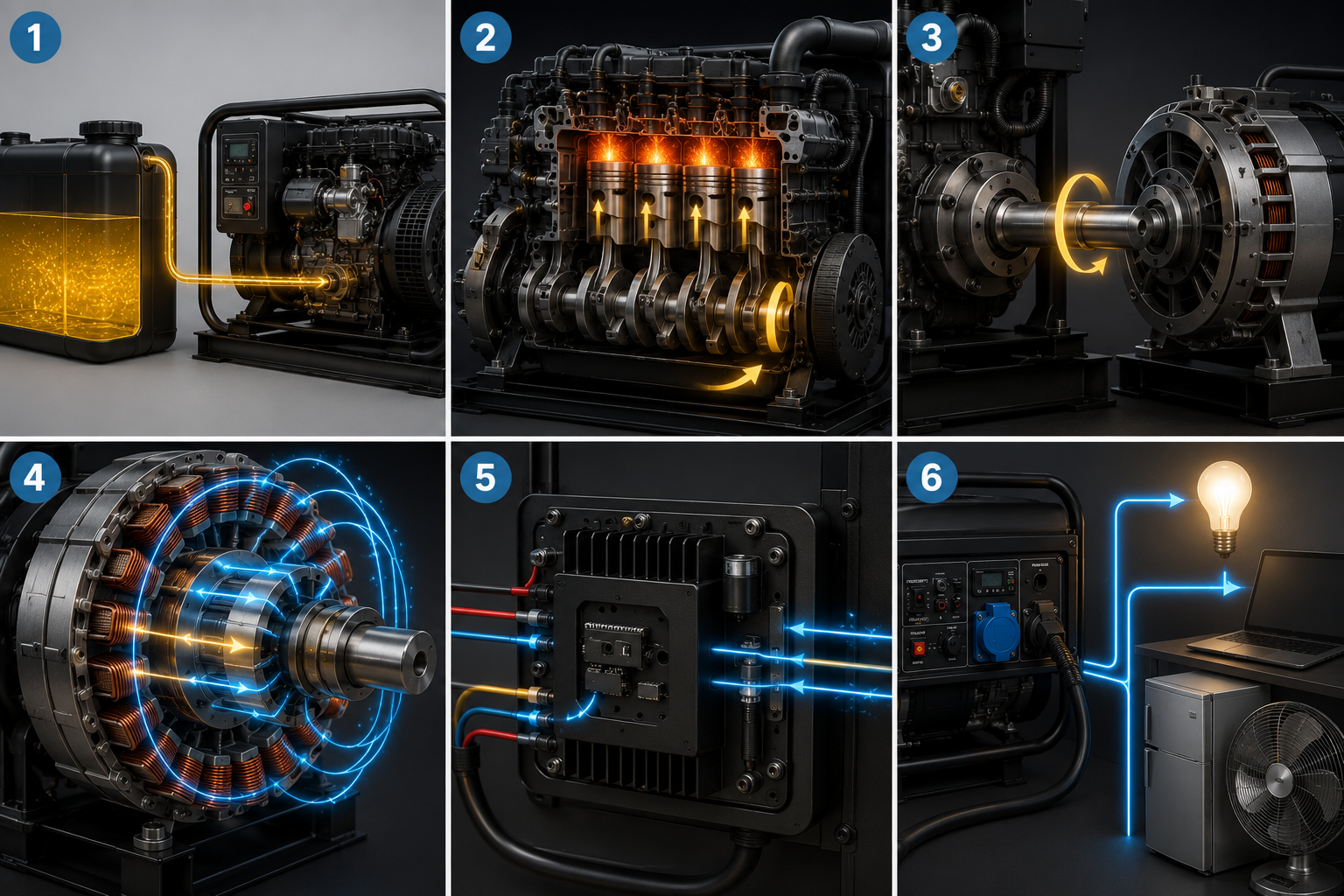
To understand how a generator works on the inside, it’s helpful to follow the process from fuel to the final electricity.
The system relies on a chemical energy source: gasoline, diesel, gas, or another fuel. The engine burns that fuel and generates mechanical motion. That motion turns a shaft connected to the alternator. Inside the alternator, the rotor spins and creates a magnetic interaction that induces a current in the stator. The system then regulates the voltage and supplies electricity to the connected devices.
1. Fuel powers the engine
It all starts with the fuel. In most standard generators, the fuel tank supplies an internal combustion engine. That engine can be gasoline or diesel-powered, although there are also gas-powered models.
Fuel contains chemical energy. When it burns inside the engine, that energy is released and generates motion.
Here’s the first key step: fuel isn’t converted directly into electricity. It’s first converted into mechanical energy.
2. The engine converts chemical energy into motion
An internal combustion engine converts the chemical energy in fuel into motion. Inside the engine, combustion drives the pistons, crankshaft, and drive shaft.
That rotating shaft serves as the link between the engine and the alternator.
In my case, I would explain it this way: the engine is responsible for “generating the power.” Without that mechanical motion, the alternator wouldn’t be able to produce electricity.
3. The shaft rotates the alternator rotor
The engine's motion is transmitted to the alternator via a shaft. That shaft rotates an internal component called rotor.
The rotor is the moving part of the alternator. Its rotation is essential because it creates the conditions necessary to induce an electric current.
This is where the second major transformation begins: we are no longer converting fuel into motion, but motion into electricity.
4. The magnetic field induces a current in the stator
Inside the alternator is also the stator, which is the stationary part. When the rotor spins within a magnetic field, an electric current is induced in the stator.
This is the basis of how a generator set works. The motor drives the rotor, the rotor interacts with the magnetic field, and the stator receives the induced current.
The simple version would be:
motor rotates → rotor rotates → magnetic field acts → stator generates current
5. The regulator stabilizes the voltage
Generating electricity isn't enough. It also needs to be supplied at a stable voltage. If the voltage rises or drops too much, it can damage tools, appliances, or electronic equipment.
This is where the voltage regulator comes in. Many generators are equipped with an AVR, or automatic voltage regulator. Its function is to help maintain a more stable electrical output.
This is especially important if you're connecting sensitive equipment. In those cases, an Generator with electronic voltage regulation may be a more suitable option than a basic generator without precise regulation.
6. Electricity powers the connected devices
Once generated and regulated, electricity can power connected devices: lights, refrigerators, tools, water pumps, machinery, computers, or emergency systems.
Of course, the unit must have sufficient power. If you connect more of a load than it can handle, it may lose stability, overheat, shut down, or operate under excessive strain.
What parts does a generator set have?
A generator isn't just an engine with power outlets. It's a complete system. Each part plays a specific role in converting fuel into electricity safely and reliably.
Internal combustion engine
The engine is the part that burns fuel and generates mechanical motion. It can be gasoline, diesel, or gas-powered, depending on the model.
Gasoline engines are typically used in smaller or portable equipment. Diesel engines are commonly found in higher-powered units, heavy-duty applications, or professional settings.
Alternator: rotor and stator
The alternator is the component that converts the engine's motion into electricity.
There are two key components inside the alternator:
- Rotor: a moving part that rotates.
- Stator: the stationary part where the electric current is induced.
The rotor rotates within a magnetic field, and this motion induces a current in the stator.
Fuel system
The fuel system includes the fuel tank, fuel lines, filters, and components responsible for delivering fuel to the engine.
Poor-quality fuel, a dirty filter, or a faulty fuel supply can cause starting problems, loss of power, or unexpected stalling.
Voltage Regulator or AVR
The voltage regulator helps maintain a stable electrical output. The AVR adjusts the alternator's excitation to reduce voltage fluctuations.
It is an important component when connecting equipment that is sensitive to voltage spikes or drops.
Control panel and starter battery
The control panel allows you to start, stop, and monitor the equipment. Depending on the model, it can display voltage, frequency, operating hours, fuel level, alarms, or charge status.
The starter battery provides the initial power needed to start the engine in models with an electric starter.
Cooling and Exhaust System
The engine generates heat, so it needs to be cooled. This can be done using air or liquid, depending on the type of engine.
The exhaust system expels the gases produced during combustion. This component is critical to safety, because exhaust gases can be hazardous if the unit is used in enclosed or poorly ventilated spaces.
Types of generator sets by application
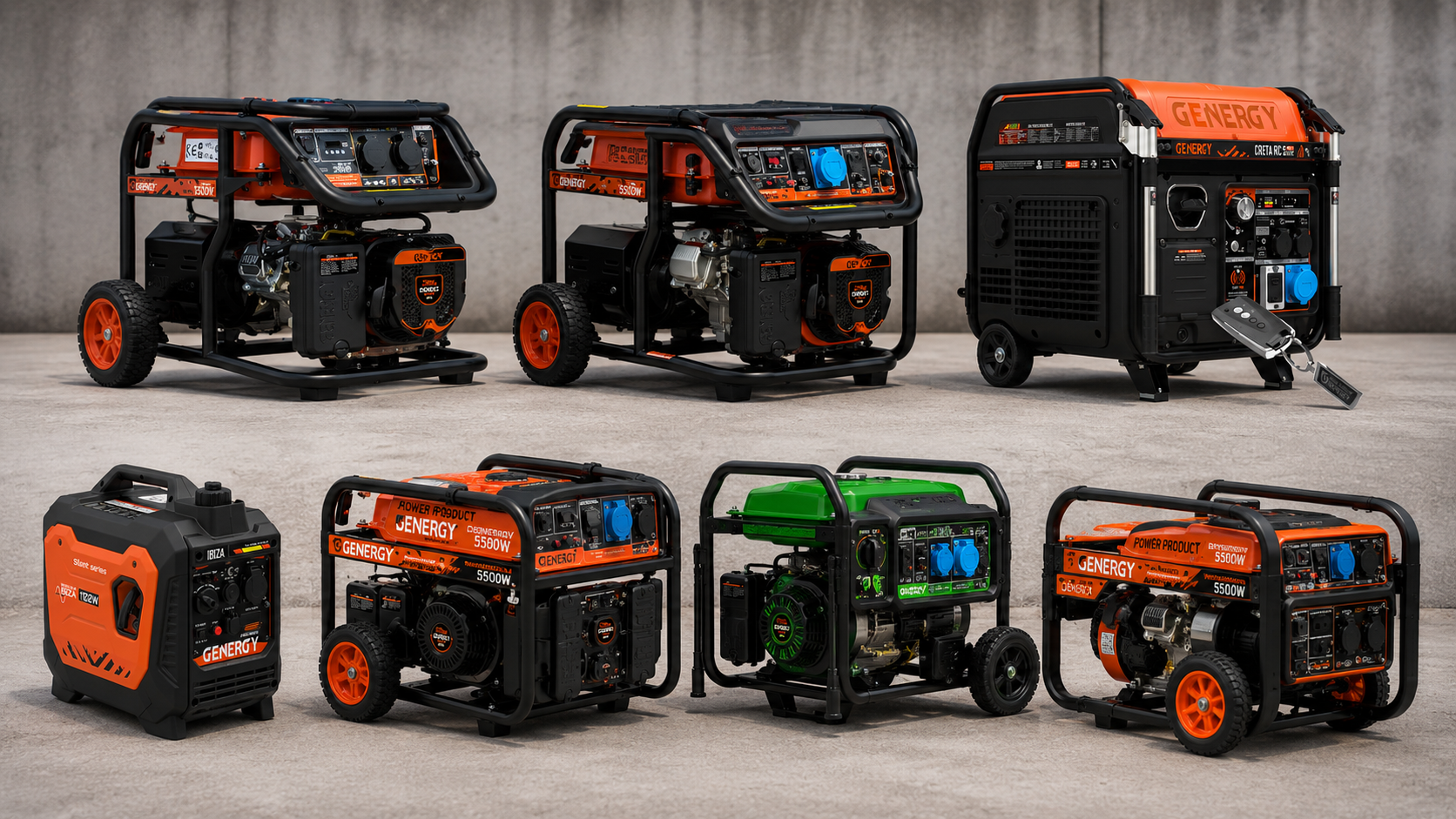
Not all generators are suitable for the same purposes. Making the right choice depends on what you want to power, for how long, at what power level, and in what environment.
Home generators
A home power supply unit is often used as a backup in case of power outages. Depending on its power rating, it can power lights, a refrigerator, a router, a television, small appliances, or a water pump.
For home use, it is important to consider noise level, runtime, ease of starting, power consumption, and voltage stability.
Small generators and mini generators
For light use, small tools, camping, or occasional needs, a compact generator may be sufficient. A 1000W to 3kW generator meets basic needs where there is no need to power large loads.
If you're looking for something even more portable, a Mini Portable and Quiet Electric Generator can be useful for light use, mobility, or occasional backup.
Industrial generators
These industrial units are designed for demanding loads, long operating hours, or situations where uninterrupted power is critical.
They can power machinery, production facilities, emergency systems, large construction sites, events, or businesses that cannot afford a power outage.
Single-phase and three-phase generators
A single-phase generator is typically used in homes, small businesses, and for everyday needs.
A three-phase generator is used when machinery or equipment requires a three-phase power supply. In businesses, workshops, industrial settings, or for high-power equipment, a three-phase generator.
Don't base your choice solely on power. You also need to consider what type of current the devices you're going to plug in require.
Portable and stationary generators
Laptops are designed to be easily portable. They are useful for temporary jobs, camping, DIY projects, small businesses, or emergencies.
Fixed systems are typically installed permanently and can be connected to automatic backup systems in the event of a power outage. They are commonly found in businesses, residential complexes, industrial facilities, and critical infrastructure.
Power, fuel consumption, and range: what you need to know
One of the most common mistakes is choosing a generator based solely on price or size. The important thing is to calculate how much power you need and how long you’ll be using it.
The difference between kW, kVA, and watts
Watts, kilowatts, and kVA are used to describe electrical power.
- W: watts.
- kW: kilowatts, equivalent to 1,000 W.
- kVA: kilovolt-amperes, a unit commonly used for generators.
The difference between kW and kVA depends on the power factor. For non-technical users, the important thing is not to mix up these values without checking the equipment specifications and the load to be connected.
Rated power vs. maximum power
The rated power is the amount of power the generator can deliver continuously.
Maximum or peak power is the amount of power it can handle for a short period of time.
This matters because some equipment, such as pumps, compressors, or electric motors, may require more power when starting up than during normal operation.
Fuel consumption and operating hours
Fuel consumption depends on the generator's power output, the connected load, the type of engine, and the fuel.
A generator doesn't always consume the same amount of power. If it's running at 30% capacity, it will consume less power than if it's running near maximum capacity. That said, using a generator that's too large for a very small load isn't usually efficient either.
The range depends on the tank size and hourly fuel consumption.
Manual and automatic start-up, and backup power
A generator can be started in various ways. Some models are started manually, others have an electric start, and still others can be activated automatically when the power grid fails.
How it works during a power outage
In facilities with automatic start-up, the system detects a power outage. It then starts the generator and transfers the load so that the equipment continues to receive power.
When power is restored, the system can switch back to the normal power supply and shut down the generator after a safety delay.
This type of operation is common in places where long outages are not an option: businesses, pumping systems, critical facilities, communities, or commercial establishments.
What is an automatic transfer switch (ATS)?
The ATS (automatic transfer switch) is the system that switches between the utility grid and the generator set.
Its purpose is to prevent incorrect connections and ensure that the load receives power from the correct source at all times.
In professional settings, this element is key to security and business continuity.
When to combine a generator with solar power or batteries
A generator set can be part of a broader energy strategy. For example, in an off-grid installation or a home where self-consumption is a priority, solar power, batteries, and a backup generator can be combined.
A Self-Consumption Solar Kit can cover daytime production, while a Solar Kit with Battery allows you to store energy for later use.
If you're considering a storage solution, you might also find it helpful to check out a guide on the Best Batteries for Solar Panels.
In addition, for portable use or as a backup power source with no direct emissions during operation, a Portable Power Station can supplement or replace a combustion generator in certain scenarios.
Safety and Basic Maintenance
A generator runs on fuel, electricity, heat, and exhaust gases. That is why it must be used with care.
Ventilation and Exhaust Gases
Never use a generator inside a house, enclosed garage, or unventilated space. Internal combustion engines produce hazardous gases, including carbon monoxide.
It should be placed in a well-ventilated, stable, dry location away from windows, doors, or air inlets.
Oil, filter, and fuel check
Basic maintenance includes checking the oil, filters, fuel, battery, spark plugs (on gasoline models), cooling system, and connections.
If the group is used for backup purposes, it is a good idea to start it up periodically to verify that it is operational.
A generator that sits idle for months without maintenance may fail just when you need it most.
Common mistakes that shorten the service life
Some common mistakes are:
- Overload the unit.
- Use indoors.
- Do not check the oil.
- Using old fuel.
- Do not clean the filters.
- Connecting sensitive equipment without proper regulation.
- Failure to adhere to maintenance schedules.
- Shutting it down abruptly after heavy use without allowing the system to stabilize.
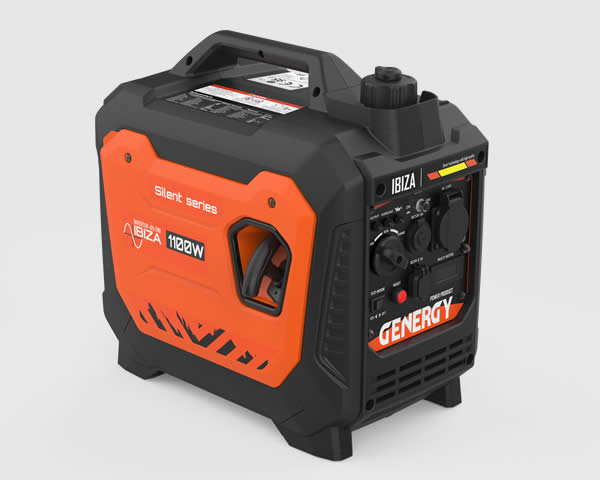
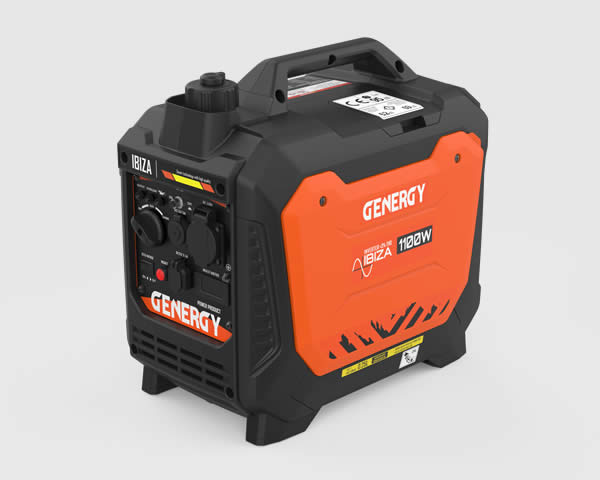
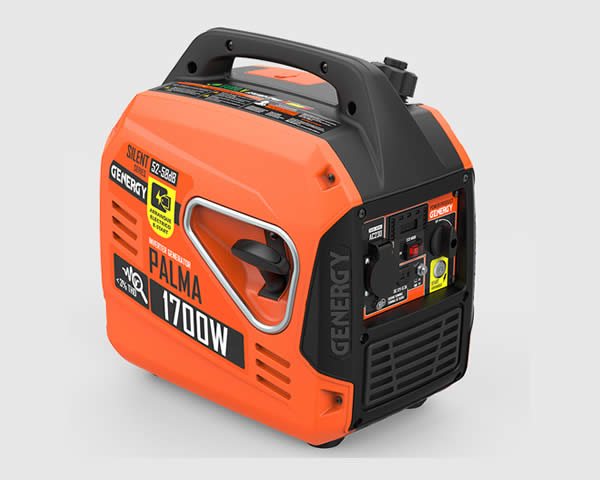
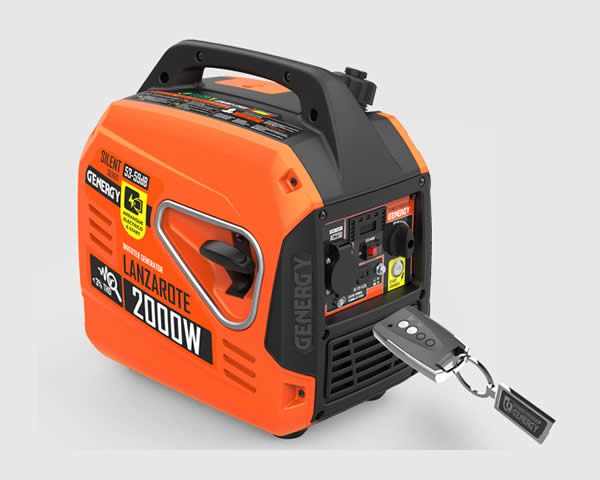
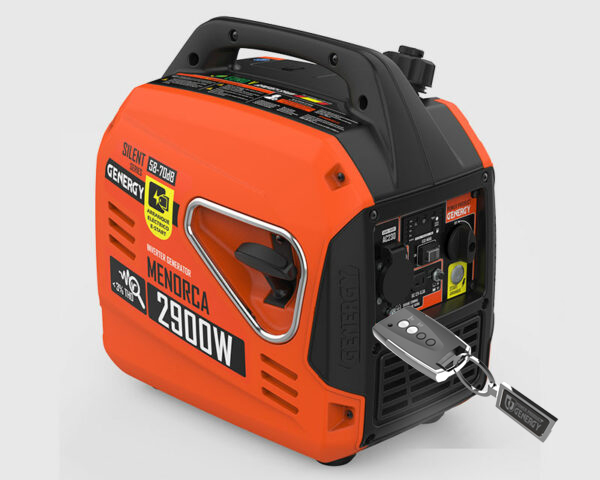
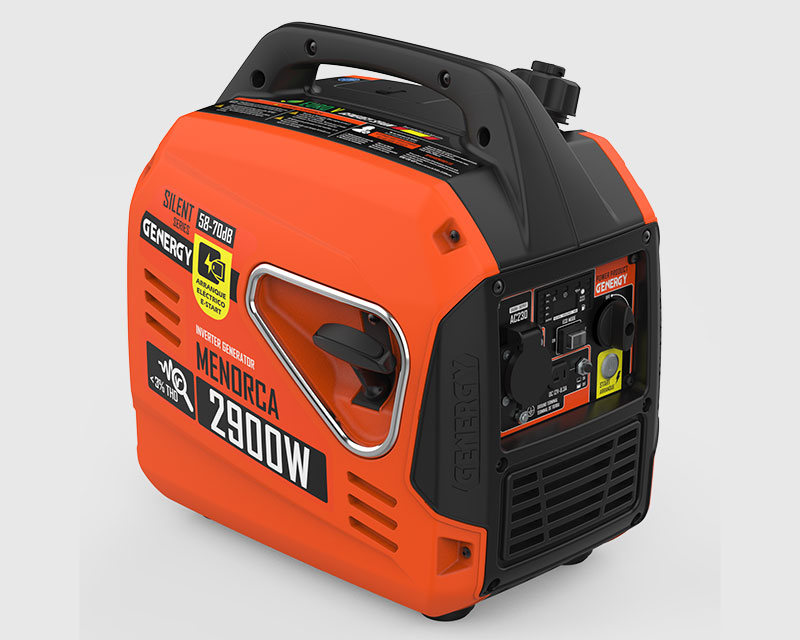
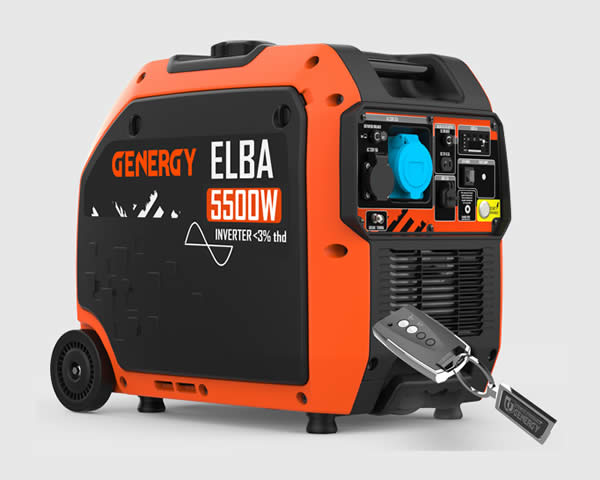
Products you might be interested in
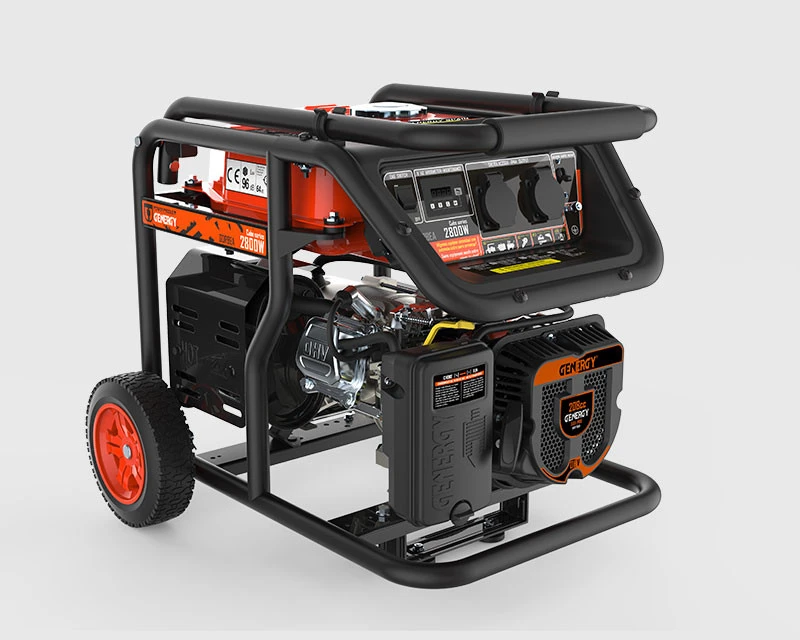
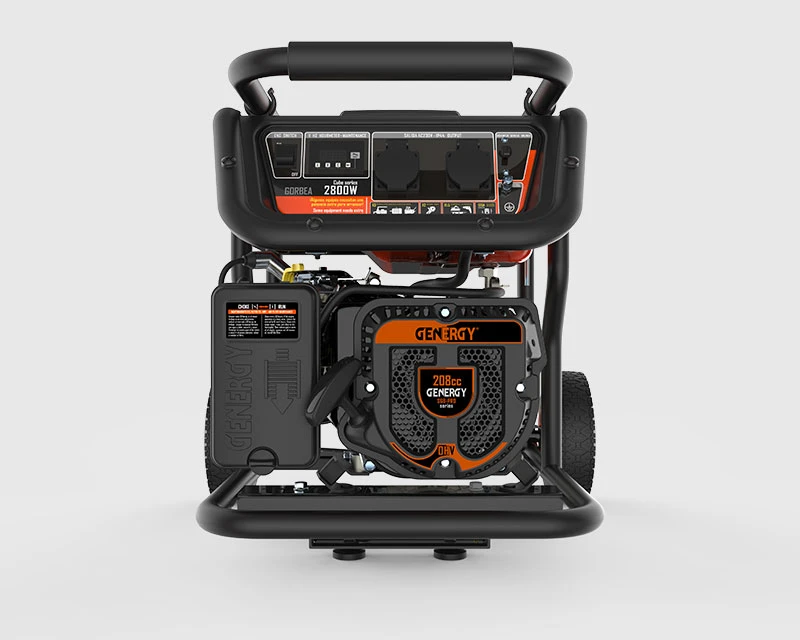
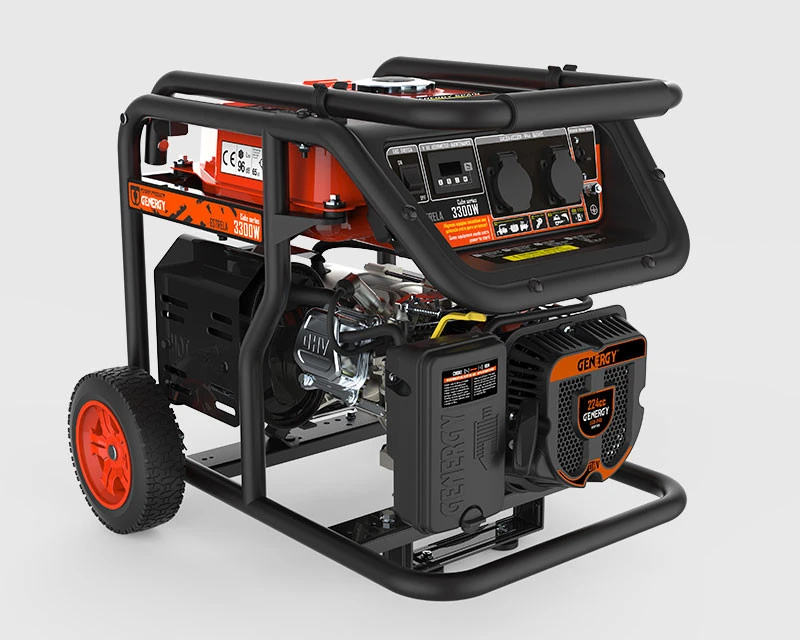
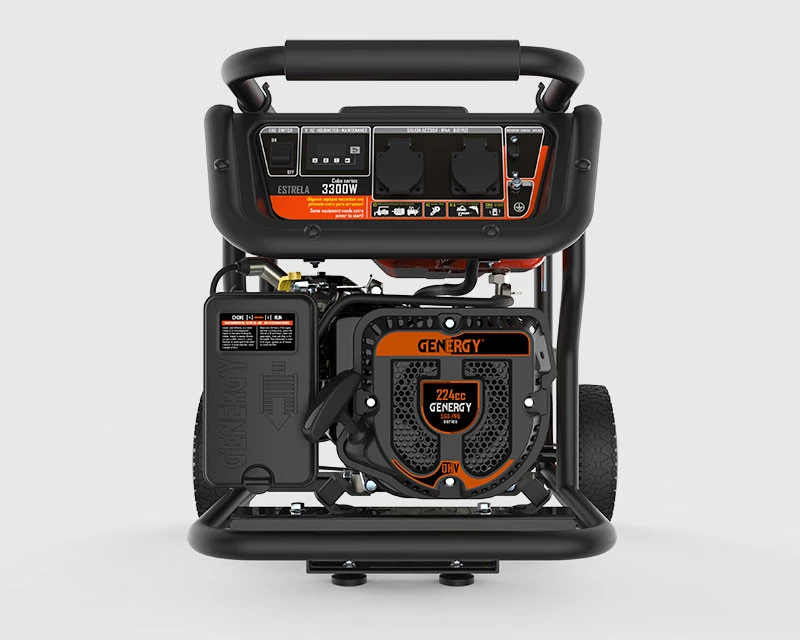

Conclusion
A generator set works by converting fuel into electricity. First, the engine converts the chemical energy of diesel, gasoline, or gas into mechanical motion. Next, that motion causes the alternator’s rotor to spin within a magnetic field, inducing an electric current in the stator. Finally, the system regulates that electricity to power connected equipment.
The simplest explanation is this:
The engine generates motion, and the alternator converts that motion into electricity.
To choose and use a generator properly, it’s not enough to simply know that it “provides power.” You need to understand its power output, fuel type, runtime, output type, voltage regulation, maintenance requirements, and safety guidelines.
A well-chosen generator can be a very useful solution for power outages, construction sites, homes, businesses, events, or industrial applications. However, it must be properly sized, safely installed, and maintained in good working order to function when it’s truly needed.
Frequently Asked Questions About How a Generator Works
Which part actually generates the electricity?
Electricity is generated by the alternator. The engine produces mechanical motion, but the alternator converts that motion into electrical energy using a rotor, a stator, and electromagnetic induction.
What type of fuel does a generator use?
Depending on the model, they can run on gasoline, diesel, natural gas, or other fuels. Small generators are typically gasoline-powered, while industrial generators are usually diesel-powered for their longer runtime and higher performance.
What is an AVR in a generator?
The AVR is an automatic voltage regulator. Its function is to help maintain a stable voltage so that connected equipment receives a safer and more consistent power supply.
Can it power an entire house?
Yes, but it depends on the generator's power output and the home's energy consumption. Powering lights and a refrigerator is not the same as running an air conditioner, an oven, a water pump, and several appliances at the same time.
When it comes to a home, it's a good idea to calculate the required power before choosing the equipment.
How often should maintenance be performed?
This depends on the model, hours of use, and the manufacturer's instructions. As a general rule, you should periodically check the oil, filters, fuel, battery, and overall condition.
If you use it as a backup, you should also start it up from time to time to make sure it's working properly.
What is the difference between a single-phase and a three-phase system?
A single-phase generator is typically used for residential or small business applications. A three-phase generator is used for machinery, industrial applications, or facilities that require three-phase power.
Can a generator be used indoors?
No. It must be used outdoors or in well-ventilated areas. Exhaust fumes can be hazardous and must not be allowed to accumulate in enclosed spaces.