How a solar panel works: a simple explanation from panel to plug
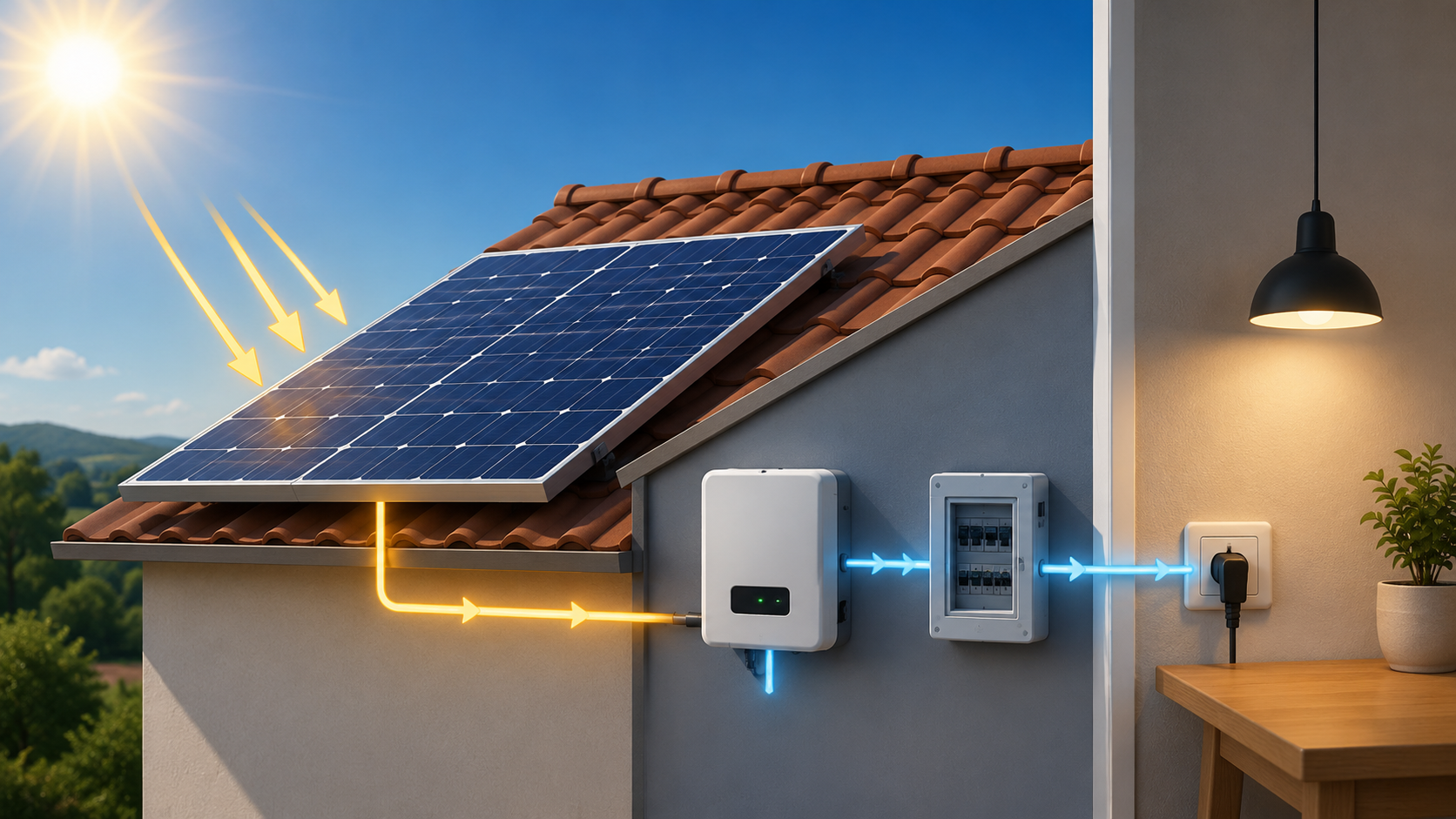
A solar panel works by converting sunlight into electricity. Put that way, it almost sounds like magic, but the process is actually quite logical: light hits the panel, the photovoltaic cells react, direct current is generated, and an inverter converts it into alternating current so it can be used in a home, a business, or a grid-connected facility.
In my case, the easiest way to understand it is to imagine the entire energy flow: sun → solar panel → direct current → solar inverter → alternating current → electricity consumption. This path clearly summarizes what happens from the moment light hits the panel until you can turn on a light, charge a cell phone, or power an electrical device.
The key lies in the photovoltaic effect, a phenomenon whereby certain materials, such as silicon, are capable of generating electricity when exposed to light. Silicon cells absorb photons, which are particles of light, and that energy releases electrons. When those electrons move, an electric current is generated.
However, there is one important detail: the electricity generated by a solar panel is not ready for use in most homes. It is first produced as direct current using the electric generator, also known as DC. Then, a device called a solar inverter converts that current into alternating current, or AC, which is the electricity typically used by homes and businesses.
That’s why, when we talk about how a solar panel works, we’re actually talking about an entire system. The panel is the most visible component, but the system also includes the inverter, wiring, electrical safety devices, mounting structure, meter, and, in some cases, solar batteries.
What is a solar panel and what is it used for?
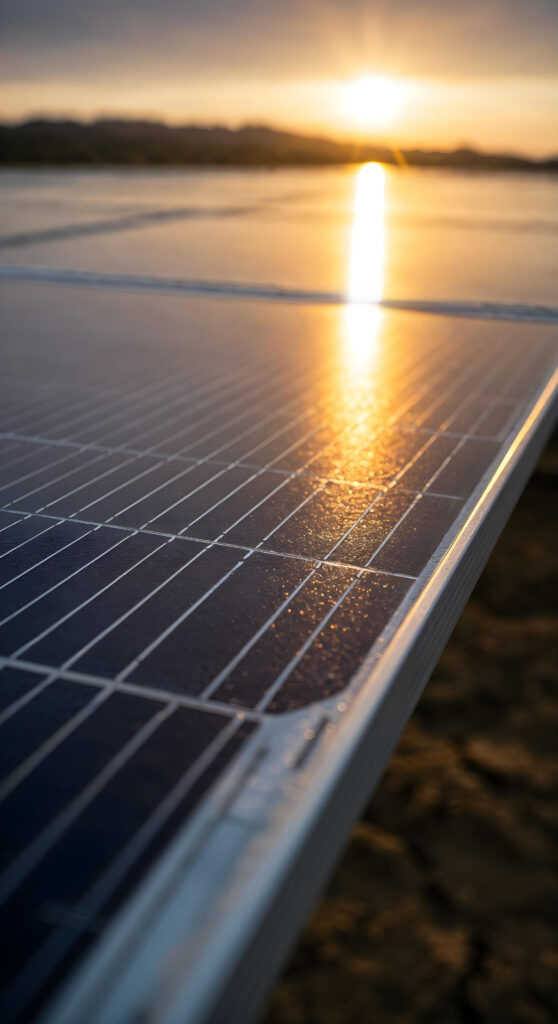
A solar panel is a device designed to harness the sun’s energy. Its main function, in the case of photovoltaic panels, is to convert sunlight into electricity. That electricity can be used to power a home, reduce consumption from the grid, charge batteries, or meet part of a business’s energy needs.
The important thing is not to stop at the idea that “the panel absorbs sunlight and generates energy with the solar generator.” That is true, but incomplete. A photovoltaic solar panel is made up of many solar cells connected to one another. Each of these cells works on a small scale, capturing light and generating electricity. When they are all combined, they produce a significant amount of usable energy.
In my case, I like to explain it this way: a solar panel doesn't create electricity out of thin air; it converts sunlight into electricity through the photovoltaic effect. That sentence sums up how it actually works without getting into unnecessary technical jargon.
The solar panels serve various purposes. In a home, they can power lighting, appliances, outlets, or HVAC systems, depending on the size of the installation. In a business, they can reduce electricity consumption during daylight hours. In remote areas, they can work in conjunction with batteries to provide electricity where the grid does not reach.
It’s also important to note that a single solar panel isn’t always enough to cover all energy needs. Energy production depends on the panel’s orientation, tilt, the amount of sunlight available, shading, the type of panel, and the electricity consumption at each location. Even so, its basic function remains the same: to convert solar energy into usable electricity.
The difference between a solar panel, a solar module, and a photovoltaic system
In everyday language, many people use “solar panel” and “solar module” as if they were the same thing. And, in practice, they are almost always understood to mean the same thing. Both terms generally refer to the module that is installed on a roof, terrace, ground, or structure to capture sunlight.
However, there is one small but useful difference:
Term | What does it mean? |
Solar panel | A common term for a panel that captures solar energy |
Solar panel | Module consisting of interconnected solar cells |
Photovoltaic module | A more technical name for a solar panel |
Photovoltaic system | Complete system: panels, inverter, wiring, safety devices, and other components |
Solar installation | System installed and ready to generate electricity |
So, if someone asks how a solar panel works, they usually want to know how a photovoltaic panel works. But if we’re talking about how that energy gets to a home, we’re getting into how the entire solar system works.
Photovoltaic solar panel vs. solar thermal panel
Not all solar panels are the same. There are two main types that are often confused:
The photovoltaic solar panels convert sunlight into electricity. They are used for self-consumption, residential solar installations, and grid-connected systems.
The solar thermal panels, on the other hand, use the sun’s heat to heat water or other fluids. They are used, for example, for domestic hot water or to supplement heating systems.
The key difference is this:
- Photovoltaic: produces electricity.
- Thermal: produces heat.
For the keyword “how does a solar panel work,” users typically search for information about photovoltaic panels because they want to understand how light is converted into electricity.
How a Solar Panel Works, Step by Step
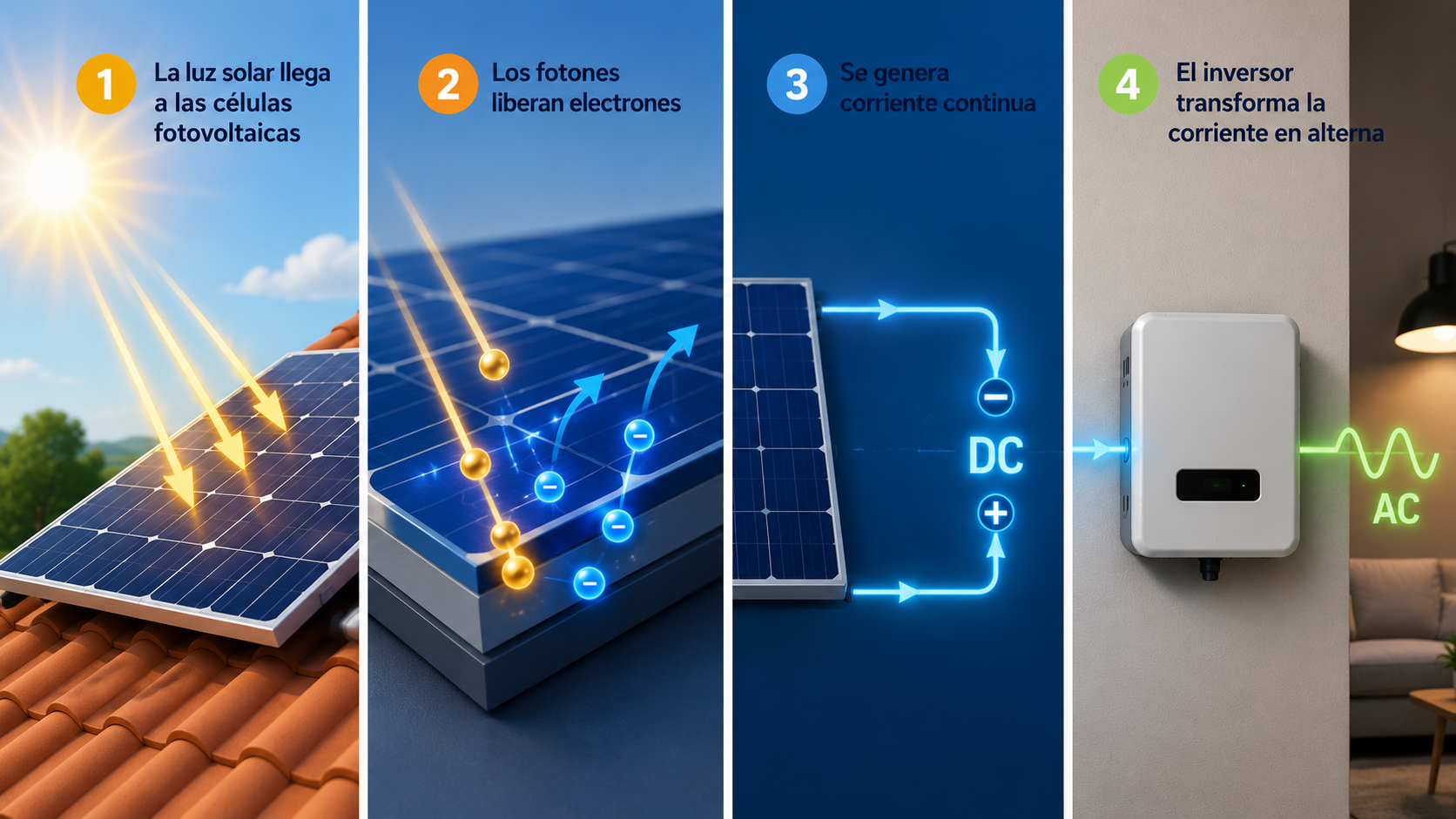
To understand how a solar panel works, it’s best to trace the path of the energy from the very beginning: when sunlight hits the panel. From there, everything happens in a fairly orderly sequence.
First, sunlight hits the surface of the panel. That light contains photons, which are particles of energy. Next, the photovoltaic cells—usually made of silicon—absorb those photons. When they receive that energy, electrons are released within the semiconductor material. When those electrons begin to move in an orderly fashion, an electric current is generated.
So far, we have electricity, but it’s not yet the kind of electricity we usually use at home. What the panel generates is direct current. That’s where the solar inverter comes in, transforming that direct current into alternating current.
In a nutshell: the panel captures light, generates direct current, and the inverter adapts it for actual consumption.
This is important because many people think that solar panels simply plug directly into outlets and that's it. In reality, a system is needed to safely convert, control, and distribute that energy.
1. Sunlight hits the photovoltaic cells
The process begins when sunlight hits the panel. The panel doesn't need to "heat up" to work. All it really needs is light.
That is why a solar panel can still generate electricity on cloudy days, although at a lower output. If there is light, photons reach the panel. If there is less light, there is less electricity generated.
Photovoltaic cells are designed to capture that light energy. They are typically made of silicon, a widely used semiconductor material because it allows electrons to be released and moved when exposed to light.
2. Photons release electrons
This is where the photovoltaic effect comes into play. Photons from sunlight strike the silicon cells and transfer energy to the electrons in the material. Upon receiving this energy, some electrons are released and begin to move.
In my case, this is the part that helps me understand the process the most: photons aren’t electricity themselves, but they trigger the movement of electrons that generates electricity.
That movement does not occur randomly. The internal structure of the solar cell is designed to guide those electrons and generate an electric current.
3. Direct current is generated
When electrons move within the photovoltaic cell, an electric current is generated. This current is direct current, also known as DC.
Direct current flows in only one direction. It is the type of electricity produced by solar panels, batteries, and many internal electronic devices.
But homes and businesses typically use alternating current, which changes direction many times per second. For this reason, the electricity generated by the panel needs to be converted before it can power most appliances.
4. The inverter converts the current to alternating current
The solar inverter is one of the most important components of the entire system. Its job is to convert the direct current generated by the panels into alternating current.
Simply put: the inverter makes solar power compatible with the electrical system of a home or business.
Without an inverter, the energy generated by the panels would not be suitable for powering most standard outlets, lights, appliances, or electrical equipment.
5. Electricity is used at home or in a business, or fed into the grid
Once converted to alternating current, the electricity can be used directly. If there is a demand for power at that moment, the solar energy powers the connected devices.
If more energy is generated than is consumed, several things may happen depending on the type of facility:
- Excess energy is fed into the power grid.
- It is stored in solar batteries.
- Production is limited if the system is configured that way.
This point is key to understanding self-consumption. Solar panels generate the most power during the day, so the more your electricity usage aligns with daylight hours, the more you’ll get out of your system.
What is the photovoltaic effect?
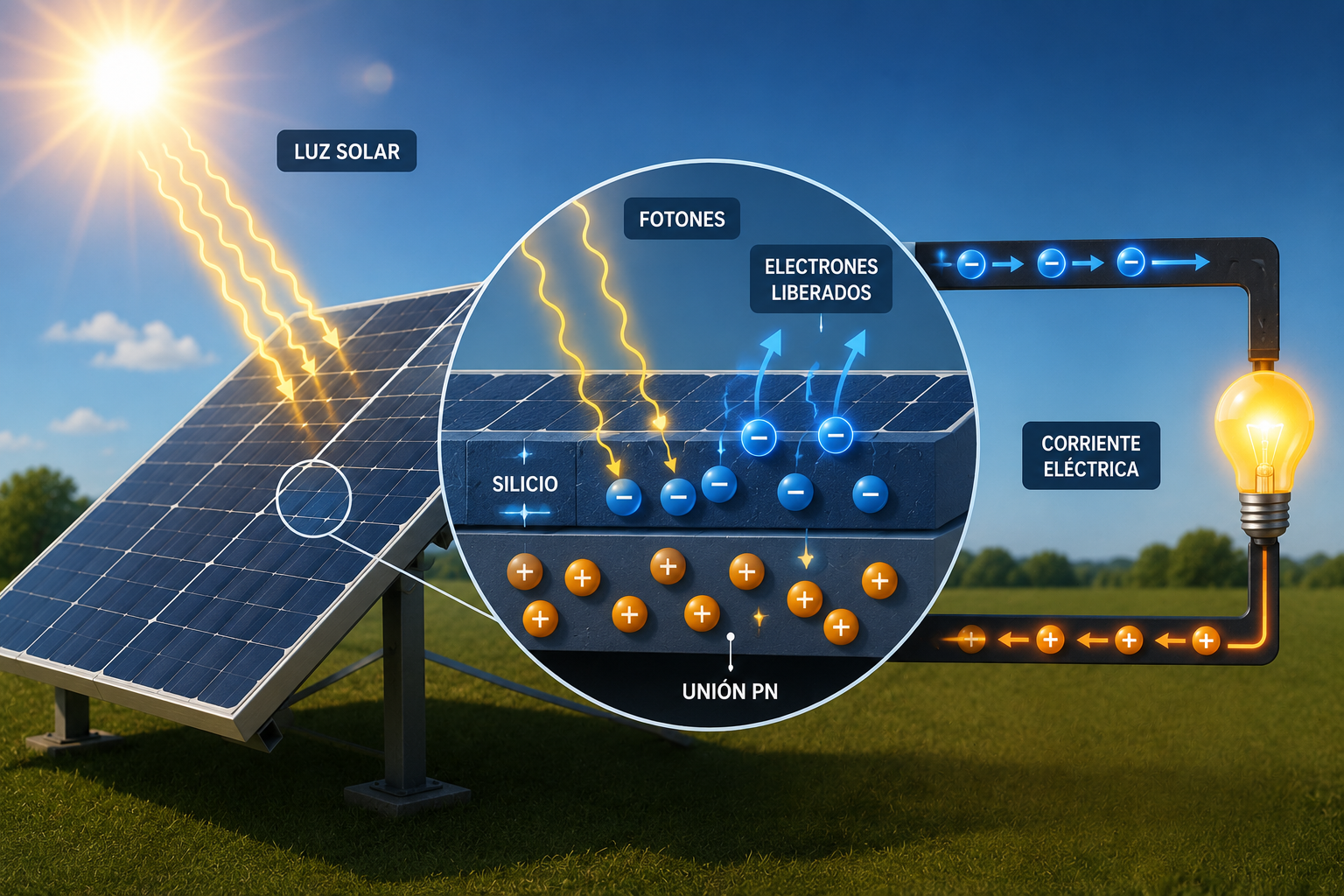
The photovoltaic effect is the phenomenon that allows a solar panel to generate electricity from light. It is the basis for the entire operation of a photovoltaic solar panel.
The term may sound technical, but the concept is quite simple: certain materials are capable of generating an electric current when exposed to light. In a solar panel, that material is usually silicon.
When sunlight hits the cells in the panel, photons transfer energy to the electrons in the silicon. That energy causes the electrons to be released and move. By directing that movement, an electric current is generated.
That's why, when someone asks how a photovoltaic solar panel works, the short answer is: it works thanks to the photovoltaic effect. The full answer is: it captures photons of light, releases electrons, generates direct current, and then an inverter converts that current into alternating current.
An easy way to understand this is to compare the solar panel to a small power plant. Sunlight is the raw material. The photovoltaic cells are the machinery. The moving electrons are the output. And the inverter is the equipment that adapts that output so it can be used in the building.
Why is silicon so important?
Silicon is important because it is a semiconductor. That means it does not conduct electricity like a metal, but it also does not block it completely like an insulator. It lies somewhere in between, which allows us to control the movement of electrons.
This property makes it ideal for manufacturing photovoltaic cells. When silicon is exposed to light, it can release electrons and facilitate the generation of an electric current.
Most solar panels today use silicon cells, although there are various technologies and compositions. In the most common panels, the silicon may be arranged in monocrystalline or polycrystalline cells.
In my case, whenever I explain how a solar panel works, I always come back to this point: what matters isn’t just that the sun hits the panel, but that the silicon cells react to that light and set the electrons in motion.
What role do photons and electrons play?
Photons are particles of light. When they strike the solar cell, they release energy. Electrons, on the other hand, are particles found in the atoms of the semiconductor material.
Here's how it works:
- The photons come from sunlight.
- The photovoltaic cell absorbs them.
- That energy releases electrons.
- Electrons move.
- That movement generates an electric current.
This explanation helps us understand why solar panels rely on light rather than simply heat. A very hot day does not guarantee higher output if there isn't sufficient sunlight. In fact, excessive heat can reduce the performance of some panels.
What are the components of a solar photovoltaic system?
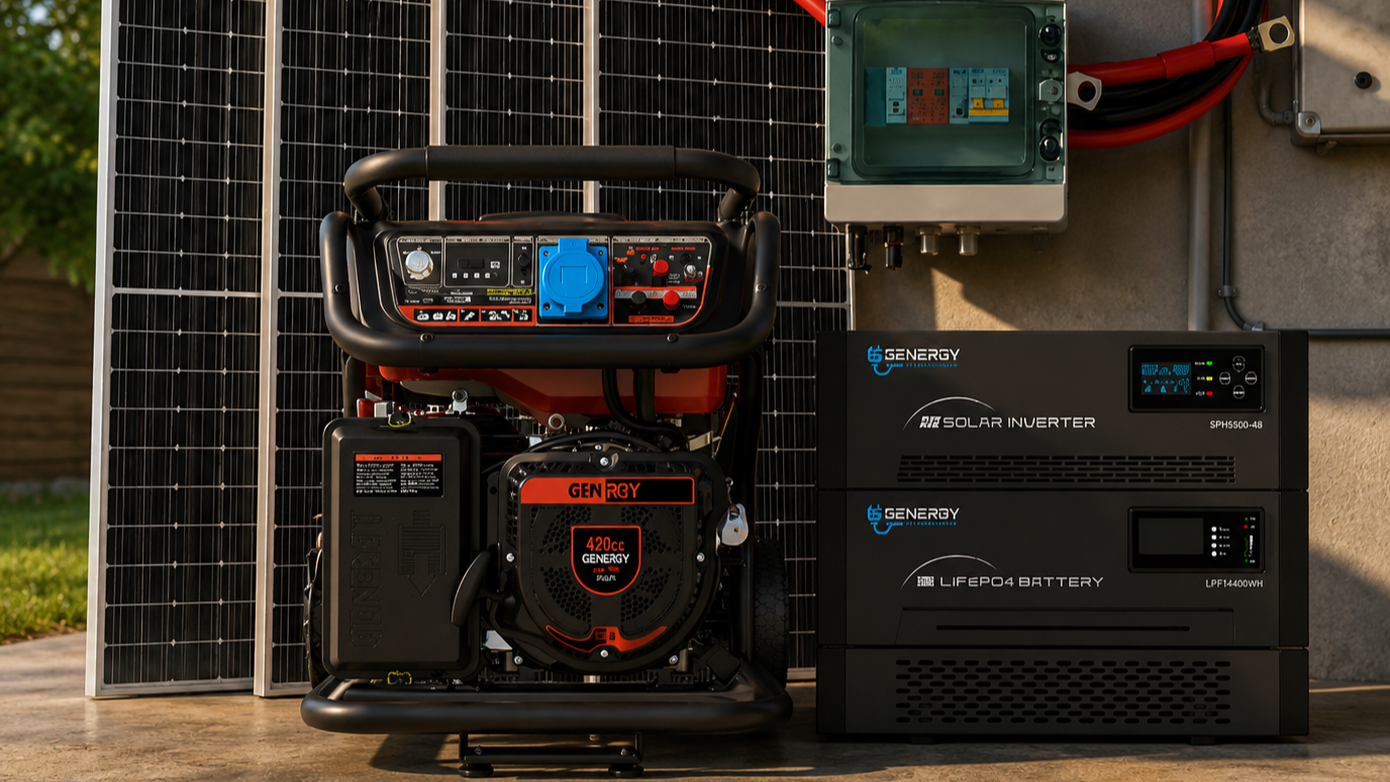
Although we tend to focus only on the panels, a solar photovoltaic system consists of several components. Each one plays a role in ensuring that electricity is generated, converted, and used safely.
The panel is the component that captures sunlight. The inverter converts the electricity. The wiring carries the energy. Electrical safety devices help prevent problems. The mounting structure supports the modules. The meter measures the energy. And the batteries, if present, store some of the electricity generated.
That's why talking about how a solar panel works also means understanding how the entire system works.
Solar panels or modules
Solar panels are responsible for capturing light and generating direct current. They consist of interconnected photovoltaic cells protected by layers of glass, encapsulants, a frame, and other components.
Its production depends on several factors:
- Amount of sunlight.
- Orientation.
- Slope.
- Shadows.
- Cleaning solar panels.
- Temperature.
- Cell type.
- Panel power.
A panel that is properly oriented and free of shadows can generate more energy than one installed in an area with obstacles or a poor tilt angle.
Solar inverter
The inverter serves as the link between the panels' output and actual electricity consumption. It converts direct current into alternating current.
In addition, many modern investors also monitor production, manage system security, and provide access to generation data through an app or platform.
In a nutshell: Without an inverter, the electricity from the panels wouldn’t be directly usable for most homes or businesses.
Structure, wiring, and protective measures
The structure keeps the panels securely in place and properly aligned. It can be installed on sloped roofs, flat roofs, the ground, or special solar panel mounts.
The wiring carries electricity from the panels to the inverter and from the inverter to the electrical system.
Electrical safeguards are essential for reducing risks. They include components that help protect against overloads, short circuits, or ground faults.
This point isn't always mentioned in simple explanations, but it's important: installing a solar system isn't just a matter of "putting up panels." It has to be designed to operate safely.
Solar batteries and storage
Solar panels do not store energy on their own. They generate electricity when exposed to light, but if you want to save that energy for later use, you need a solar battery.
Batteries allow you to store electricity overnight, during periods of low production, or when you want to reduce your reliance on the grid.
Without a battery, solar energy is either consumed immediately or managed as surplus, depending on the type of system.
Bidirectional meter
In grid-connected systems, the meter measures the energy flowing in and out. If you draw electricity from the grid, it records it. If your system sends surplus energy back to the grid, it can record that as well.
This feature is important when there is self-consumption with surplus offset, or when you want to monitor how much energy the system produces and uses.
Do solar panels always work?
Solar panels work when they receive light. That’s the simple answer. But it’s worth elaborating on this, because many questions arise precisely from this: what happens when it’s cloudy, what happens at night, or what happens if more electricity is generated than is consumed.
A solar panel does not produce the same amount of electricity every day or at all times. Its output varies depending on the amount of sunlight available. In the morning, it begins to generate electricity when there is enough light. At midday, it usually reaches its peak output. In the afternoon, output decreases. And at night, it stops generating electricity.
This doesn't mean that a solar system is useless when there's no direct sunlight. It means you need to understand its limitations and integrate it effectively with the grid, Battery-powered generator or consumption habits.
What happens when it's cloudy?
When it's cloudy, solar panels can still generate electricity, but they usually produce less. This is because diffused light continues to reach them, even when there is no direct sunlight.
The reduction depends on cloud cover, the time of day, panel technology, and installation conditions. A slightly overcast sky is not the same as a dark storm.
A simple idea: less light means fewer photons reaching the cells, and therefore less electricity generation.
What happens at night
At night, solar panels do not generate electricity because there is no sunlight. Without photons, the photovoltaic effect does not occur.
If you need power at night, there are two main options:
- Use electricity from the grid.
- Use energy stored in solar batteries.
That is why it is important not to confuse production with storage. The panel generates power when there is sunlight. The battery stores excess energy and releases it when needed.
What happens if you produce more energy than you consume?
If a solar installation generates more electricity than is currently being consumed, the excess energy can be managed in various ways.
In grid-connected systems, it can be fed into the grid as excess power. In battery-backed systems, it can be stored. In off-grid systems, management depends on the controller, the battery, and the system configuration.
That’s why a well-designed system isn’t just about how many panels you can fit, but also about when you use energy and how you’ll make the most of it.
Types of photovoltaic solar panels
There are several types of photovoltaic solar panels. They all share the same overall goal—to convert sunlight into electricity—but they do not all do so with the same efficiency, cost, appearance, or performance.
The most common types are monocrystalline, polycrystalline, and thin-film panels. For the average user, the most important thing is to understand that each technology has its own advantages and limitations.
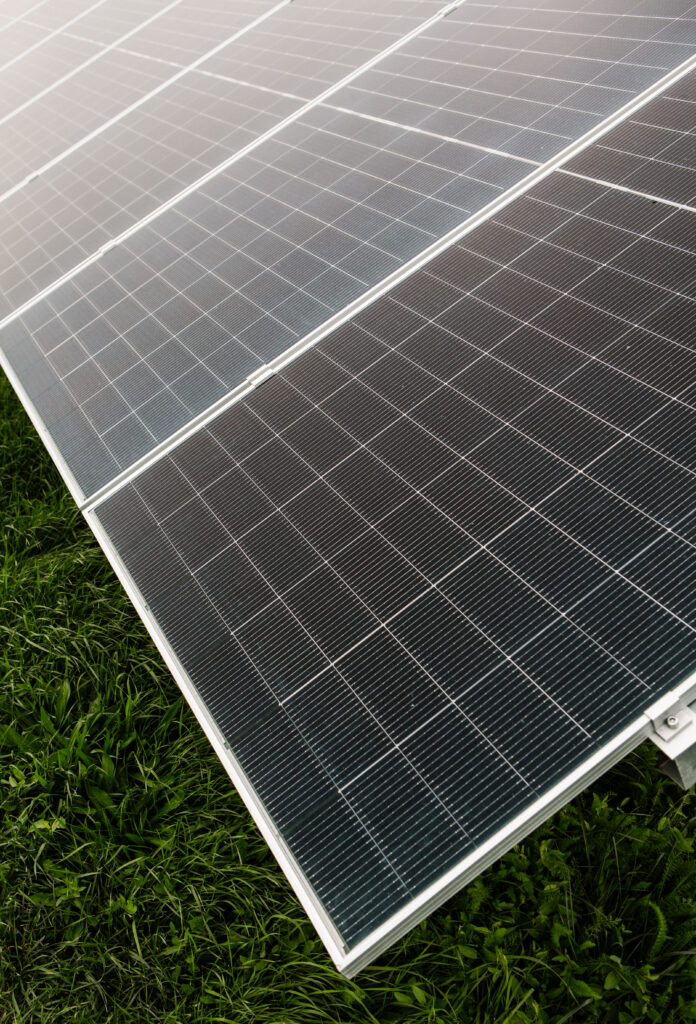
Monocrystalline panels
Monocrystalline panels are typically made from higher-purity silicon cells. They are usually recognizable by their uniform dark color.
They tend to be highly efficient and perform well in tight spaces, as they can generate more energy per square meter than other, less efficient options.
They are widely used in residential and commercial settings where high performance is required.
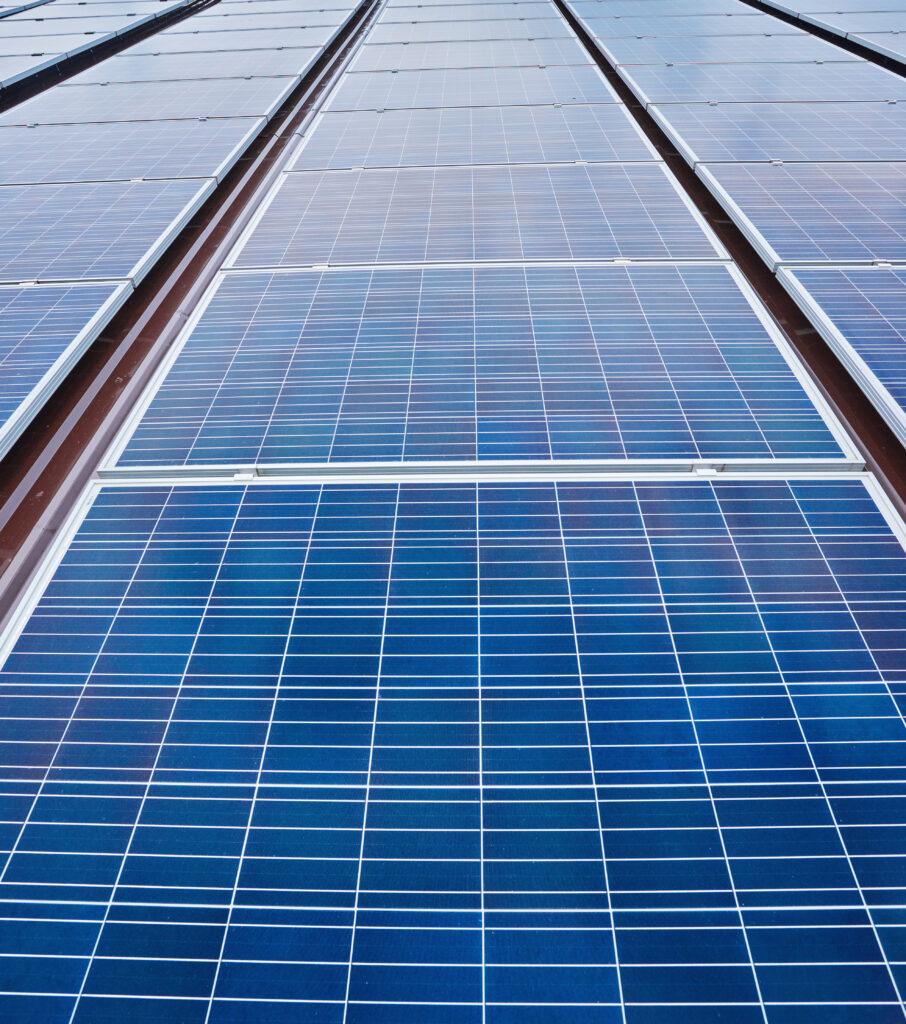
Polycrystalline panels
Polycrystalline panels also use silicon, but their manufacturing process is different. They usually have a bluish tint and a less uniform appearance.
For years, they were a popular choice because of their balance between price and performance. Although monocrystalline panels have gained a lot of ground today, polycrystalline panels are still used in many installations.

Thin-film panels
Thin-film panels use very thin layers of photovoltaic material. They can be lighter and more flexible, although they typically have lower efficiency per square meter than crystalline silicon panels.
They are used in specific applications where weight, flexibility, or surface type are important factors.
Advantages and limitations of a solar panel
Solar panels have many advantages, but they also have limitations that are worth understanding before getting too carried away. Understanding both sides helps you make better decisions and avoids unrealistic expectations.
Their main advantage is that they harness a renewable energy source: the sun. Once installed, they can generate electricity for many years and help reduce grid consumption. They also allow for better use of daylight hours and help move toward more efficient energy consumption.
But they aren't a magic solution. They generate power based on the available light, don't produce energy at night, can be affected by shadows, and require proper installation to function properly.
Key Benefits
Among its most important advantages are:
- They generate electricity from a renewable source.
- They reduce energy consumption from the grid.
- They can help lower your electricity bill.
- They have a long service life.
- They require little maintenance.
- They can be used with batteries.
- They are suitable for homes, businesses, and remote locations.
- They reduce dependence on conventional energy sources.
In addition, a well-designed system can adapt to actual energy consumption. A home with high daytime energy consumption is different from one that uses more energy at night. That’s why design matters.
Limitations You Should Be Aware Of
The main limitations are:
- They do not generate electricity at night.
- They produce less when there are clouds, shadows, or poor orientation.
- They require an initial investment.
- They require available space.
- They work best when electricity use aligns with daylight hours.
- You need a battery to store energy.
- The system must be properly sized.
The key is to understand that a solar panel doesn't work on its own. It's part of a system that must be designed based on the location, energy consumption, and the goal: saving money, self-consumption, storing energy, or supplying power to a remote area.
Conclusion
A solar panel works thanks to the photovoltaic effect: it absorbs sunlight, its silicon cells absorb photons, electrons are released, and direct current is generated. An inverter then converts that current into alternating current so it can be used in a home, a business, or any other suitable facility.
The simplest explanation is this: the panel converts light into electricity, but the entire system makes that electricity usable.
That’s why, to truly understand how a solar panel works, it’s not enough to just look at the panel itself. You also need to consider the inverter, the wiring, the safety devices, the meter, the batteries (if any), and how the energy is used.
In short: the panel captures light, the solar cells generate electricity, the inverter converts it, and the system distributes it. From the sun to the outlet—that’s the process.
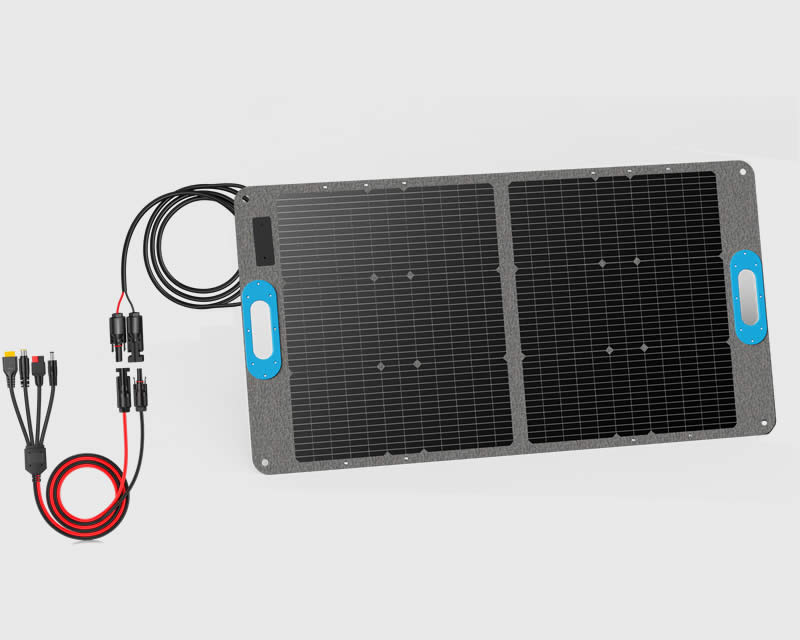
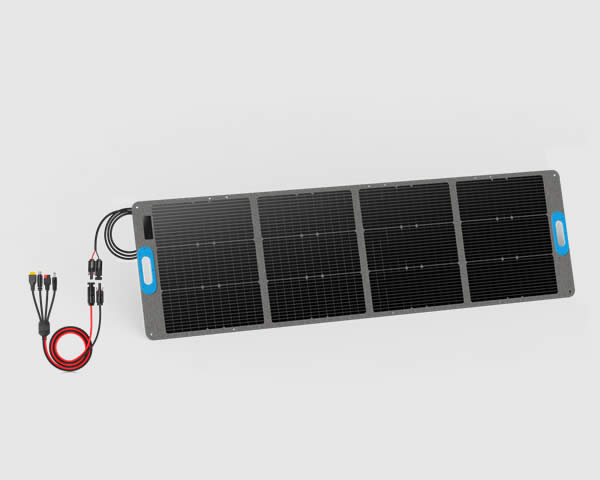
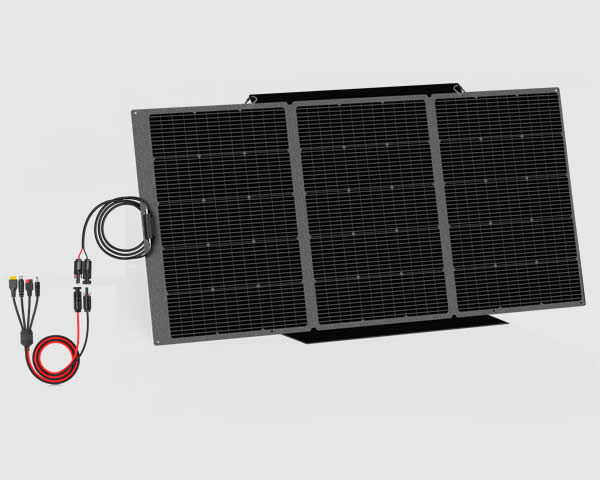
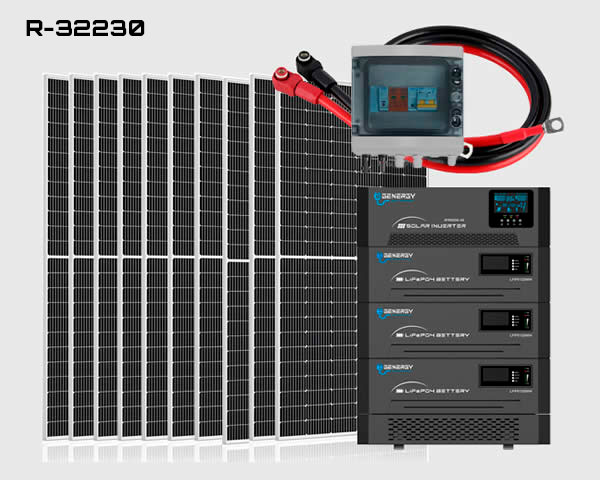
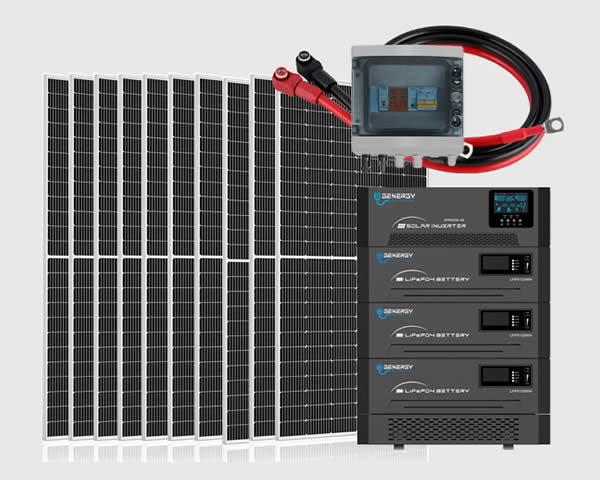
Products you might be interested in
Frequently Asked Questions About How a Solar Panel Works
Does a solar panel work using light or heat?
A photovoltaic solar panel operates primarily using light, not heat. The process is triggered when photons from sunlight strike the photovoltaic cells.
Heat is not what generates electricity. In fact, very high temperatures can actually reduce the performance of some panels. That is why the amount of available sunlight is what matters.
How much current does a solar panel produce?
A solar panel produces direct current. This current is generated when electrons move within the photovoltaic cells.
Next, the off grid solar inverter converts that direct current into alternating current, which is the type of electricity commonly used in homes, shops, and businesses.
Can a single solar panel power an entire house?
Yes, a solar system can cover a significant portion—or even all—of a home’s energy needs, but this depends on the size of the system, the amount of sunlight, electricity consumption, the orientation of the panels, and whether there are batteries.
A single panel is usually not enough to power an entire house. It is common to install several panels connected together as part of a photovoltaic system.
Do solar panels store energy?
No. Solar panels generate electricity, but they do not store it themselves.
To store energy for later use, you need a solar battery. Without a battery, the energy is consumed immediately or fed into the grid if the system is set up to do so
How long does a solar panel last?
A solar panel can last for many years. Most panels are designed to operate for decades, although their performance may gradually decline over time.
They should continue to generate electricity for a long time, provided they are properly installed and receive basic maintenance.