Generator for power outages at home: complete guide and comparison
Power outages can occur due to storms, overloads on the electrical grid, or supply failures. In many areas, especially rural areas or isolated homes, blackouts can last for hours or even days.
A home electric generator is one of the most effective solutions for ensuring power supply during a blackout.
Allow:
- keep the refrigerator running
- have lighting at home
- charge electronic devices
- power essential appliances
Choosing the right generator is essential to ensure that your home can continue to function normally during a power outage.
In this guide, we explain which generator you need for power outages at home, what power to choose, and what equipment you can power.
What generator do you need for a power outage at home?
The power of the generator depends on the number of devices you want to keep running during the power outage.
In most homes, only essential appliances are used during a power outage.
These are usually:
- lighting
- refrigerator
- television
- internet router
- small appliances
For this type of use, a generator between 3000 W and 5000 W is usually sufficient.
If you want to power more equipment or an entire home, it is advisable to use generators with 5000 W to 7000 W.
Which appliances to power during a power outage
Not all appliances are equally important during a power outage.
A good practice is to prioritize essential equipment.
Appliance | Priority |
refrigerator | high |
lighting | high |
internet router | high |
television | average |
microwave | average |
air conditioning | low |
By reducing the number of devices connected to the generator, a generator with lower power and lower consumption can be used.
What generator power to choose for blackouts
Depending on the level of use, these are the most common power ratings.
Usage | Recommended power |
basic emergency | 2000–3000 W |
partial domestic use | 3000–5000 W |
entire home | 5000–7000 W |
For most households, a 5000 W generator offers a good balance between power, consumption, and price. offers a good balance between power, consumption, and price.
Types of generators for home emergencies
There are different types of generators that can be used as backup power during blackouts.
Gasoline generators
Gasoline generators are the most common in homes.
Advantages:
- more affordable price
- easy maintenance
- good power for home use
They are ideal for occasional power outages.
Diesel generators
Diesel light generators are designed for longer use.
Advantages:
- greater efficiency
- lower consumption during intensive use
- increased engine durability
They are suitable for isolated homes or prolonged power outages.
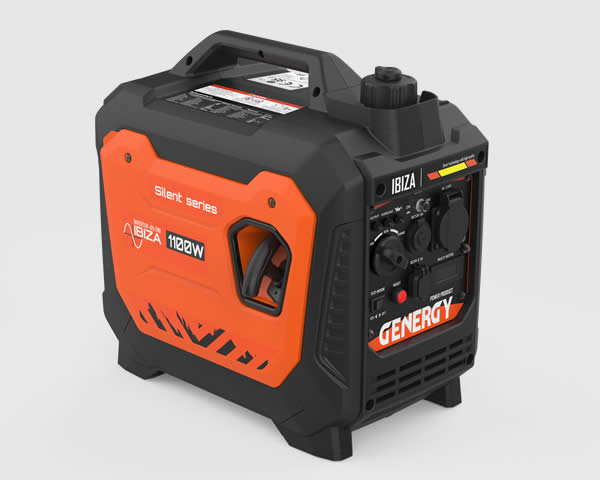
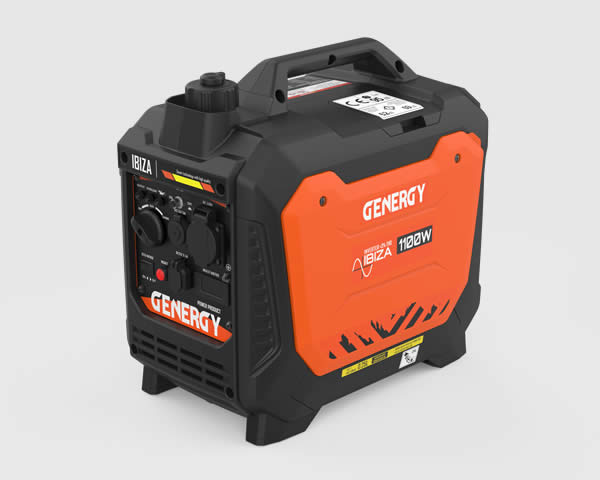
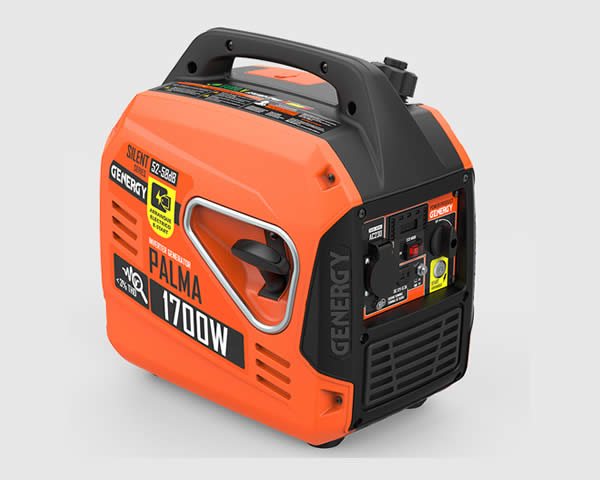
Silent inverter generators
Inverter generators produce more stable power and less noise.
Advantages:
- stable current
- lower consumption
- quiet operation
They are a good option if you need a generator for your home in residential areas.
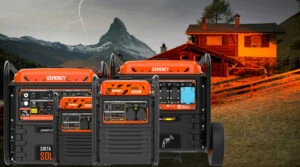
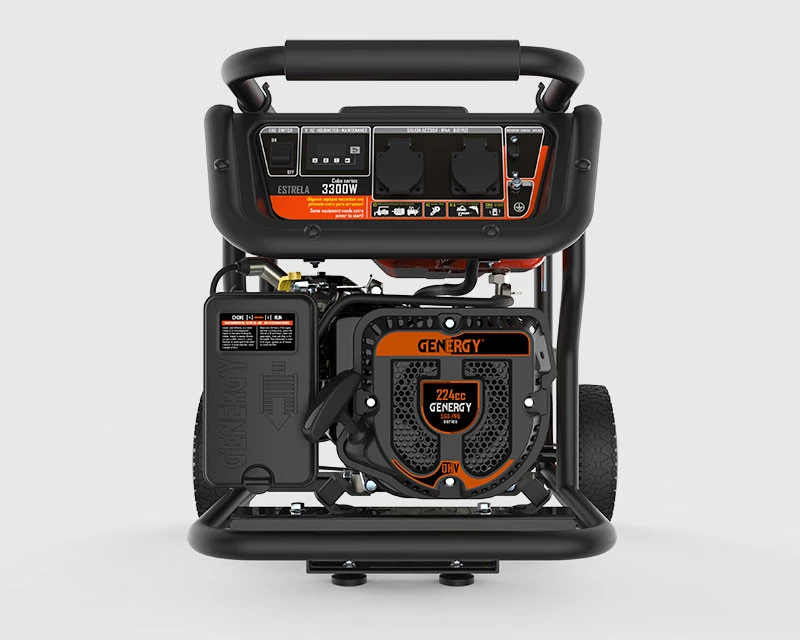
Comparison of Genergy generators for domestic power outages
Below are some examples of generators suitable for power outages at home.
Model | Power | Type | Recommended use | Noise |
Limited 3000 Diesel | 3000 W | diesel | basic emergency | medium |
Limited 7000 | 5500 W | gasoline | average housing | medium |
Mulhacén SOL 7000W | 7000 W | sunshade | house with solar panels | medium |
Creta SOL Silent 7500W | 7500 W | inverter | entire home | low |
These generators can handle everything from basic emergencies to full household power. They are not cheap generators.
Quick comparison
Best generator based on usage:
best basic emergency generator
→ Limited 3000 Diesel
Best generator for average homes
→ Limited 7000
Best generator for homes with solar panels
→ Mulhacén SOL 7000W
best quiet home generator
→ Creta SOL Silent 7500W
Tips for using a generator during a power outage
To use a generator safely during a power outage, it is important to follow some recommendations.
First, do not plug in all appliances at the same time.
Second, use appropriate cables that are in good condition.
Third, install the generator in a well-ventilated area outside the home.
It is also advisable to always keep fuel available to avoid running out of supply during a power outage.
Generators with automatic start-up
Some generators can be equipped with automatic transfer switches (ATS).
This automatic start generator system allows it to activate automatically when there is a power outage.
This is especially useful in:
- isolated dwellings
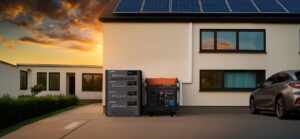
- solar systems
- facilities where a continuous supply is required.
Conclusion
Electric generators are an effective solution for ensuring energy supply during power outages.
They allow essential appliances to continue functioning and ensure comfort in the home even when there is a power outage.
Choosing a generator with the right power rating and using it correctly will enable you to deal with any power outage safely.
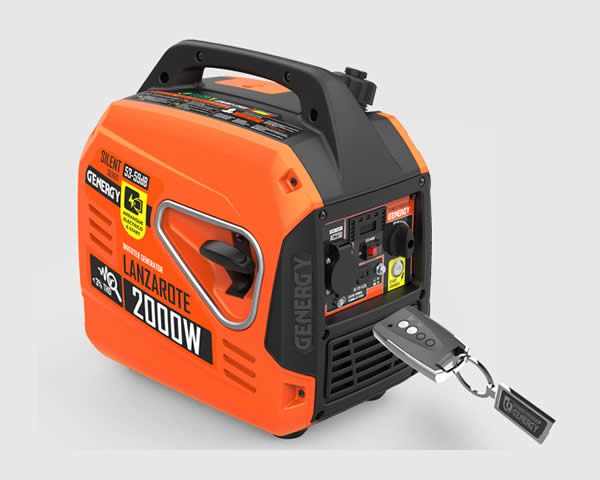
Electric generators you might be interested in
Frequently Asked Questions
What generator do I need for a power outage at home?
For most homes, a generator between 3000W and 5000W to power essential appliances.
How much does a generator consume during a power outage?
A 5000W generator typically consumes between 1 and 2 liters of fuel per hour, depending on the load.
A generator can be connected to the house's electrical system.
Yes, but it must be done using a suitable system or transfer box to avoid electrical problems.