What Can I Plug Into a 3000W Generator: Appliances, Tools, and Real-World Limits
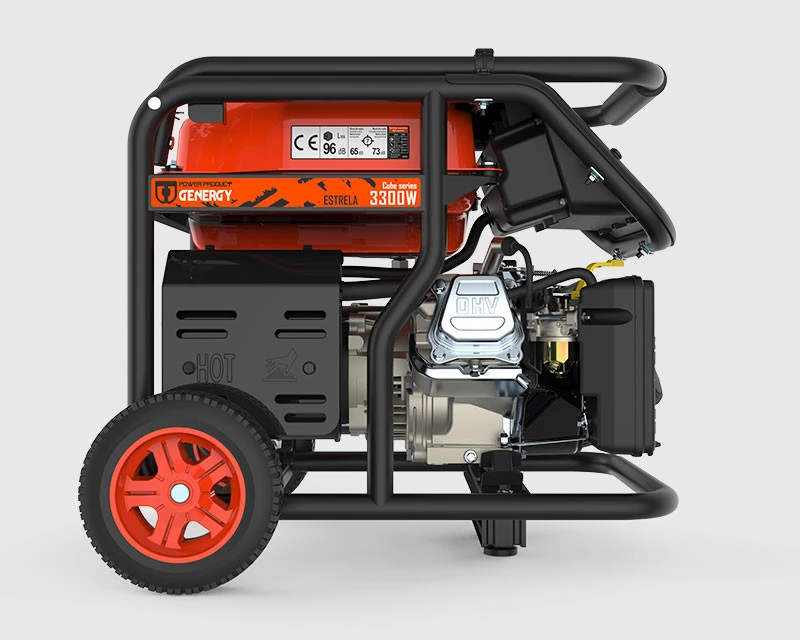
When someone is looking for what I can connect to a 3000W generator, they usually don’t want a theoretical answer. They want to know if that generator will actually work for a refrigerator, a microwave, some tools, a water pump, or as a backup during a power outage. And the reality is that a 3000W generator is already in a pretty serious range, but you have to understand its limits well so you don’t overdo it.
In my experience, this type of generator isn't just meant to be a stopgap solution. A 3000W generator is usually aimed at users who need real power, electrical stability, and consistent performance. That’s why it’s a great fit for construction sites, light industry, professional machinery, home backup power, or heavy-duty outdoor use. However, just because it’s 3000W doesn’t mean you can plug in anything without considering power consumption, startup surges, and simultaneous use.
Here’s the key: a 3000W generator can power quite a few appliances and tools, but not all at once or in just any combination. What matters isn’t just the number “3000,” but how that power is distributed between continuous loads and high-surge loads.
That’s why the best way to address this topic isn’t with a simple list, but with a practical guide. First, you need to understand how much actual power you have available. Next, you need to figure out which appliances and tools fall within that range. And finally, you need to know which devices to avoid or use with great care.
The short answer: What can a 3000W generator power?
A 3000W electric generator can easily power LED lights, a router, a TV, a laptop, chargers, a refrigerator, small appliances, light power tools, and some modest pumps or construction equipment, provided that the total power consumption does not exceed its actual capacity.
Simply put: with 3000W, you can power basic household needs during a power outage, outdoor portable use, or even light professional use, but you shouldn’t think of it as a device capable of powering an entire home or heavy machinery indiscriminately.
In my case, I find it more useful to think of it as a generator with a margin of safety, rather than a bare-bones model. In other words, we’re no longer just talking about powering four light bulbs and charging a cell phone. We’re talking about a unit that can run for hours and handle demanding loads, provided those loads are properly calculated. That’s the difference between using it wisely and ending up overloading it.
The most commonly overlooked point is this: not all appliances consume the same amount of power when starting up as they do when running. A refrigerator, a pump, or a compressor may draw significantly more power for a few seconds. And if the generator doesn’t have that margin, the problem isn’t just that it won’t start—it may also be overworked, trigger safety shut-offs, or have its lifespan shortened.
How to calculate it correctly: continuous power vs. peak power
If you really want to know what you can plug into a 3000W generator, there are two concepts you need to understand: continuous power and peak power.
Continuous power is the amount of power a generator can deliver on a sustained basis. Peak power is the maximum power it can handle for a brief moment, typically to assist in starting engines or devices that have a higher initial power draw. This distinction completely changes the answer to the keyword.
What does continuous power mean in a 3000W generator?
Even if the generator is advertised as 3000W, it’s not always advisable to run it at a constant 3000W. In fact, to ensure safe operation, it often makes more sense to leave a margin and aim for a slightly lower power range. This margin helps the unit run more smoothly, generates less heat, and better handles startup surges.
This aligns perfectly with your approach: when someone is looking for a 3000W generator that can run for hours, handle demanding loads, and always deliver, what they really need isn't just rated power, but electrical stability and consistent performance. And that stability is achieved by avoiding pushing the unit to its limits.
What is the startup spike, and why does it change everything?
Some appliances use very little power once they're running, but they draw significantly more power when starting up. This is typically the case with refrigerators, pumps, compressors, and certain motor-driven devices. If you only look at the rated power consumption, you might be mistaken.
For example, a refrigerator may seem like a light load when running, but its startup surge can force the generator to work hard for a few seconds. If you have other appliances plugged in at the same time, that startup surge could be the factor that causes the system to fail or break down.
How much leeway should you allow to work safely?
It seems reasonable to me to put it this way: a 3000W generator shouldn't be used as if it were an endless power strip. It makes sense to leave some headroom so it can operate comfortably, especially if you're connecting motor-driven equipment or if it will be in use for an extended period. This is particularly important in construction, backup, or continuous-operation scenarios, where the generator needs to perform consistently and not just last a few minutes.
What appliances can you plug into a 3000W generator?
For home or emergency use, a 3000W generator can power quite a few useful appliances. It can't power an entire house as if nothing were wrong, but it can power a very functional selection of essential appliances.
Refrigerator, freezer, lights, and router
This is probably the most common setup during a power outage. A 3000W generator is usually a very practical option for keeping a refrigerator, several LED lights, the router and a few other small appliances. This is a real backup solution, not just a token effort.
In practice, this setup is often one of the most useful because it covers the essentials: preserving food, staying in touch, and providing basic lighting. And during a power outage, that goes a long way.
TVs, chargers, and small appliances
You can also easily connect a TV, laptops, cell phone chargers, small electronic devices, fans, and appliances with moderate power consumption. All of these fit quite well within the scope of a 3000W generator.
The interesting thing is that these loads tend to be stable and relatively easy to manage. In other words, they don’t usually cause sudden spikes or put too much strain on the equipment. That’s why, for home use or in a second home, a generator of this power rating can be very useful.
Microwave, coffee maker, and other occasional-use appliances
Here, it’s best to be more careful. A microwave, an electric coffee maker or certain kitchen appliances can be used, but not always in combination with other high-power loads. The problem is usually not the appliance on its own, but rather simultaneous use.
This is a key point: a 3000W generator can power several devices, yes, but not all at once. If you want to plug in electric heaters or other high-power appliances, it’s best to do so on an as-needed basis and in a controlled manner, rather than adding them to an already high base load.
What professional tools and equipment can you transport?
This is where a 3000W generator begins to stand out from more basic models. Your experience works very well in this section, because it conveys exactly the right idea: this range is designed for users who need real power, torque, range and the ability to perform in demanding conditions.
Drills, saws, and grinders
A 3000-watt generator is usually perfectly adequate for powering tools such as drills, saws or grinders, as long as you don’t have too many of them running at once. For assembly, maintenance, advanced DIY, or light construction work, this power range makes a lot of sense.
We're not talking about a bare-bones solution. We're talking about a device that, when used properly, can handle real work. That makes it very appealing to professionals who need portability without sacrificing a certain level of processing power.
Pumps, compressors, and light machinery
Here we’re getting into territory where the starting torque is key. Some gasoline-powered water pumps and certain modest compressors can run on a 3000W generator, but it depends heavily on the specific model. With this type of equipment, looking only at “normal” power consumption usually falls short.
When the generator is used to construction or light industry, what matters isn’t just whether the unit starts up, but whether the system can operate with a margin of capacity and stability. That’s a key point for this article: 3000W isn’t just a number, but a dividing line between basic use and fairly serious use.
When a welder needs more power
A welding generator is a classic example of a device that can put a 3000W generator to the test. Some very small ones might be suitable for specific situations, but in general, we’re talking about a demanding load, with requirements that can exceed the equipment’s comfortable operating range.
Let's be clear about this: if the user plans to work with heavy-duty machinery or tools that run continuously at high power, 3000W may start to fall short. And it's best to put it that way, plain and simple.
Safe combinations: real-life examples of loads you can use
One of the things that helps users the most isn't a list of individual devices, but seeing realistic combinations. Because the real question isn’t usually “Can I plug in a light?”, but rather “What combination of devices can I have running at the same time?”.
Basic household use during a power outage
A reasonable example would be:
- refrigerator,
- router,
- several LED lights,
- television,
- cell phone and laptop chargers.
This combination is well suited to the typical needs of a family in an emergency situation. It allows for basic comfort and continuity of essential services without overloading the generator.
For use on construction sites or in light industry
Another real-life scenario:
- a drill or a saw,
- professional lighting support,
- battery charger,
- some small auxiliary equipment.
This really highlights the value of a 3000W generator as a mobile work tool. It’s not a behemoth, but it is a reliable solution for tasks that require consistent performance and a certain degree of ruggedness.
For use while camping, in a motorhome, or as a portable backup power source
In mobile environments, it also works very well for:
- lights,
- chargers,
- small appliances,
- a portable or compact refrigerator,
- everyday electronics.
Once again, the most important thing is not to think of it as a device for “plugging everything into,” but rather as a reliable backup power source for carefully selected devices.
What You Shouldn't Plug Into a 3000W Generator
It's just as important to know what you can plug in as it is to know what you shouldn't plug in.
Equipment with excessively high starting currents
This includes certain air conditioners, motor compressor large, more demanding pumps, and machinery with engines that are hard to start. Even if the rated power consumption seems manageable, the initial surge can push the generator beyond its comfort zone.
Electric heating appliances and high-power devices
Electric hot plates, ovens, water heaters, large space heaters, and other high-power appliances tend to use up all the power very quickly. This kind of power consumption is particularly hard on a 3000W generator, because it leaves almost no room for anything else.
Common mistakes when adding powers
The classic mistake is to estimate power requirements “by eye” or assume that if each piece of equipment works on its own, they’ll all work together. It doesn’t work that way. As soon as you factor in continuous loads, startup surges, and simultaneous power consumption, the picture changes. And that’s when the generator starts to seem “insufficient”—not because of the equipment itself, but because of poor planning.
When a 3000W generator isn't enough
A 3000W generator isn't enough when you want to power many devices at once, when you’re trying to power nearly an entire house or when you rely on equipment with very high starting surges. It also falls short if professional use shifts from light tools to significantly more demanding machinery.
That doesn't make it a bad choice. On the contrary: it makes it a very good choice for anyone who understands its true capabilities. In my experience, the problem isn't usually buying a bad generator, but buying the right one for the wrong purpose.
Conclusion: Who Should Consider a 3000W Generator?
A 3000W generator is well worth it if you're looking for a powerful, stable, and versatile mid-range solution. It's great for home backup power, outdoor use, light construction, moderate professional equipment, and situations where you need something more robust than a basic generator.
What you can plug in depends on the type of appliance, how many you use at once, and whether they have high startup power requirements. In general, you can plug in a refrigerator, lights, a router, a TV, chargers, small appliances, and light power tools. However, you need to be more careful with pumps, compressors, welders, and appliances that generate intense heat.
To put it simply: A 3000W generator is very versatile, but it performs best when used wisely. And that’s the difference between a unit that lasts for hours and one that’s pushed to its limits from the very start.
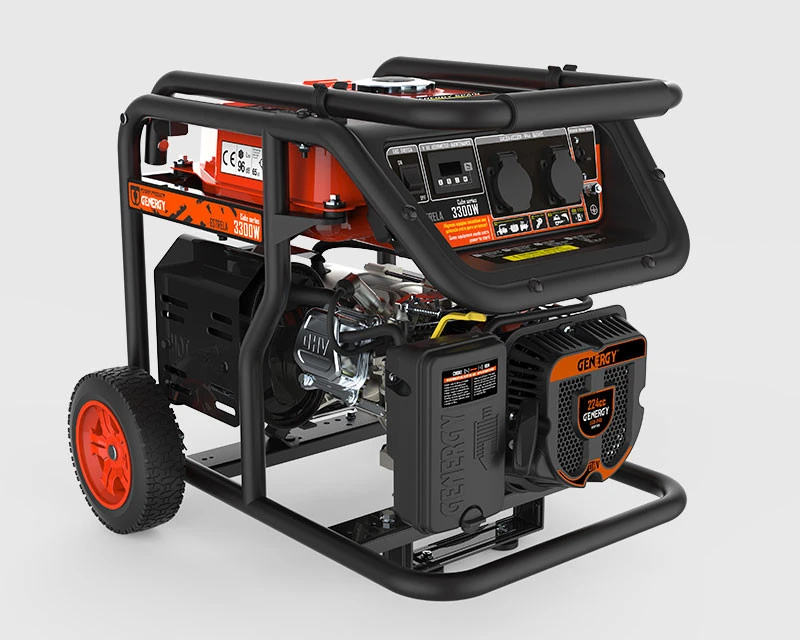
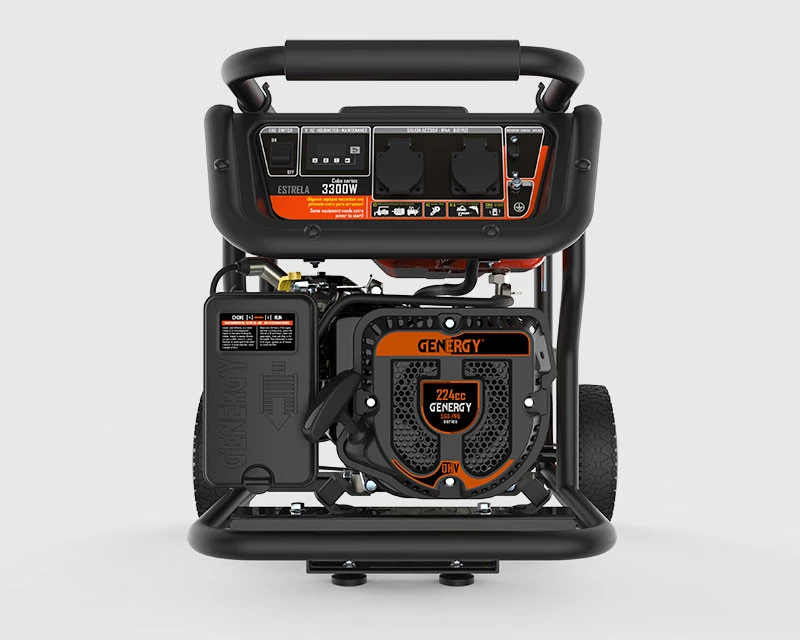
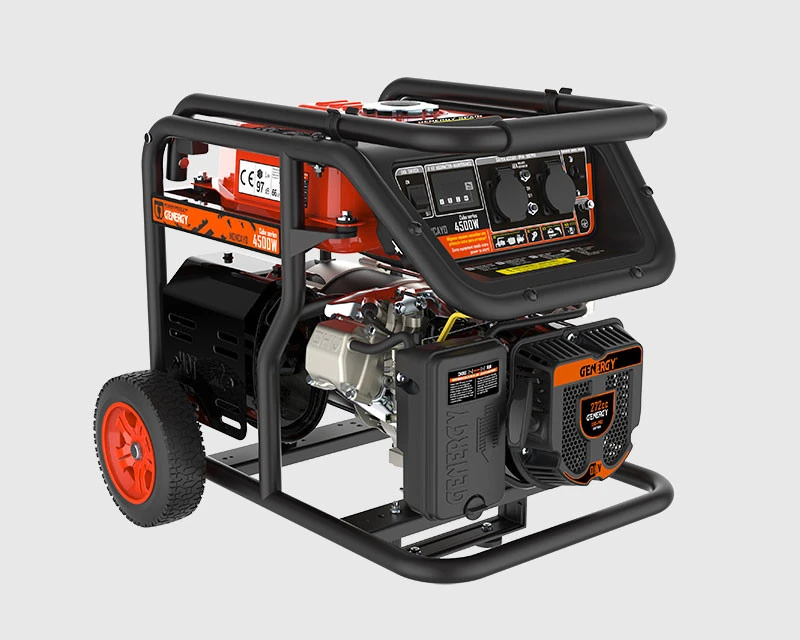
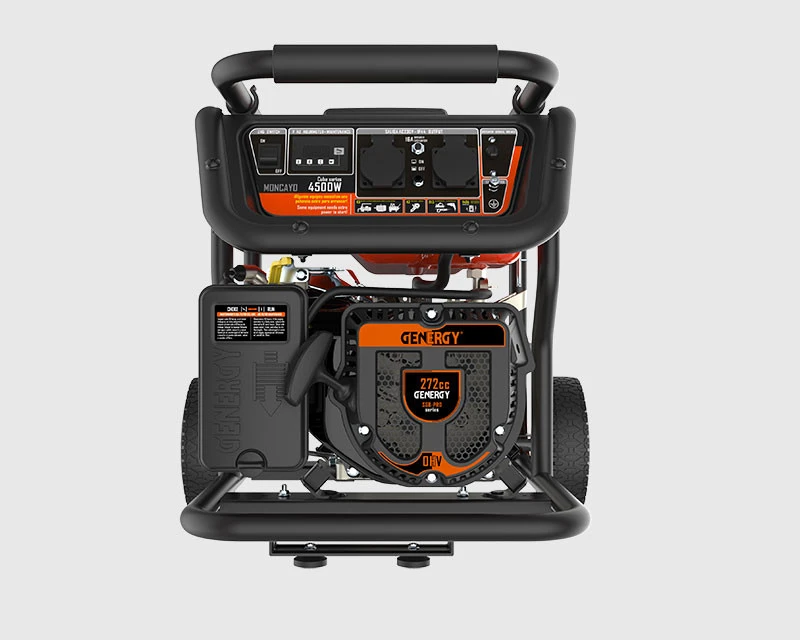
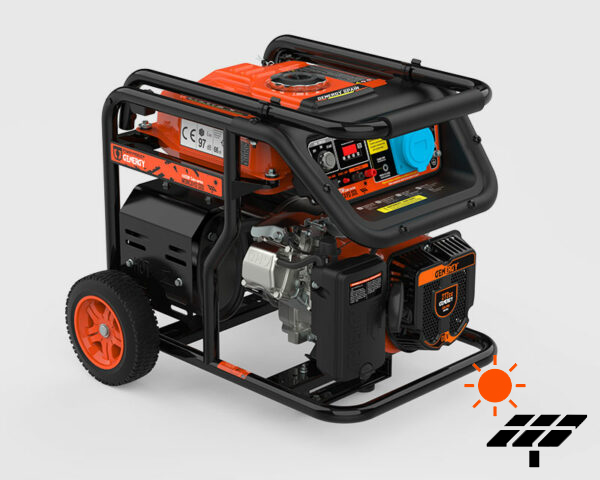
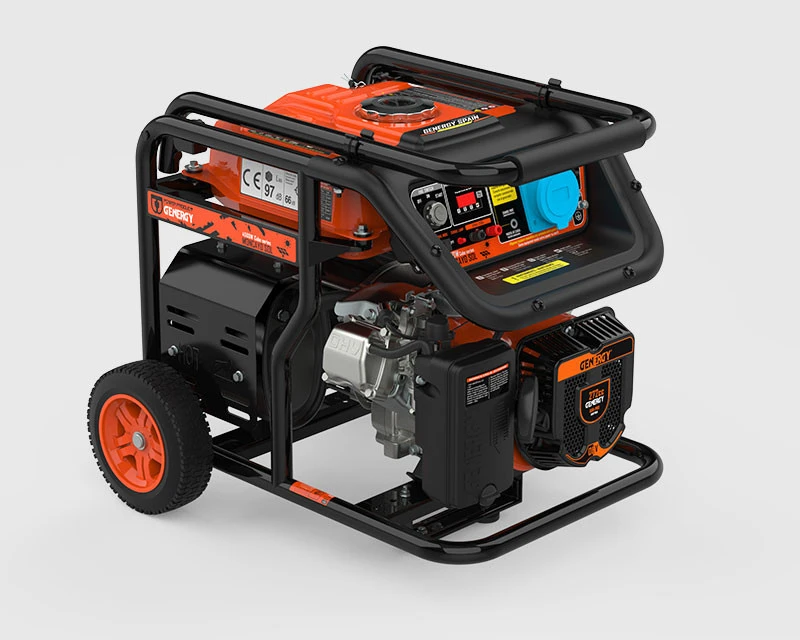
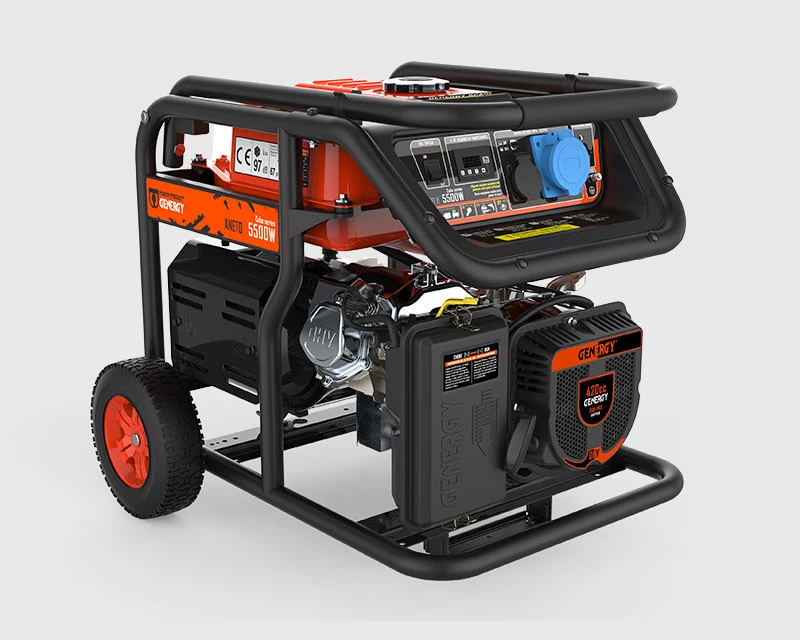
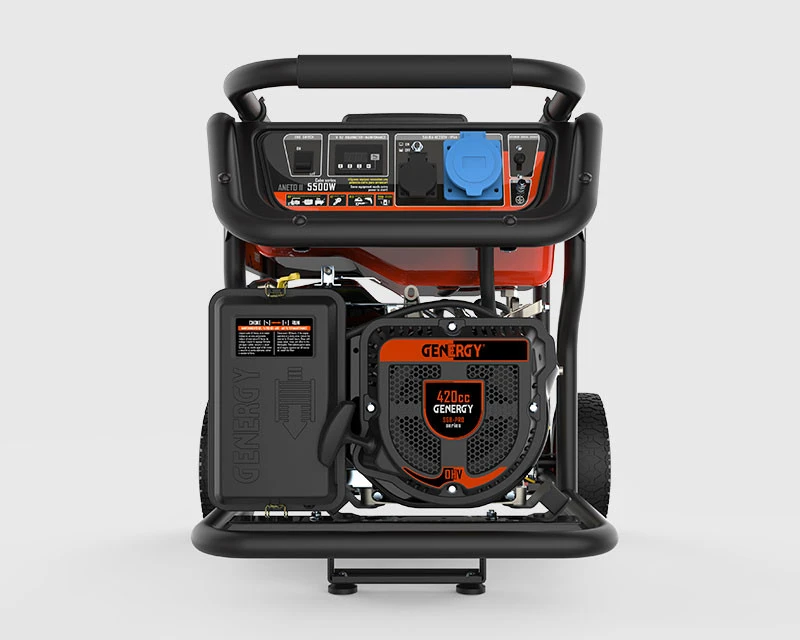
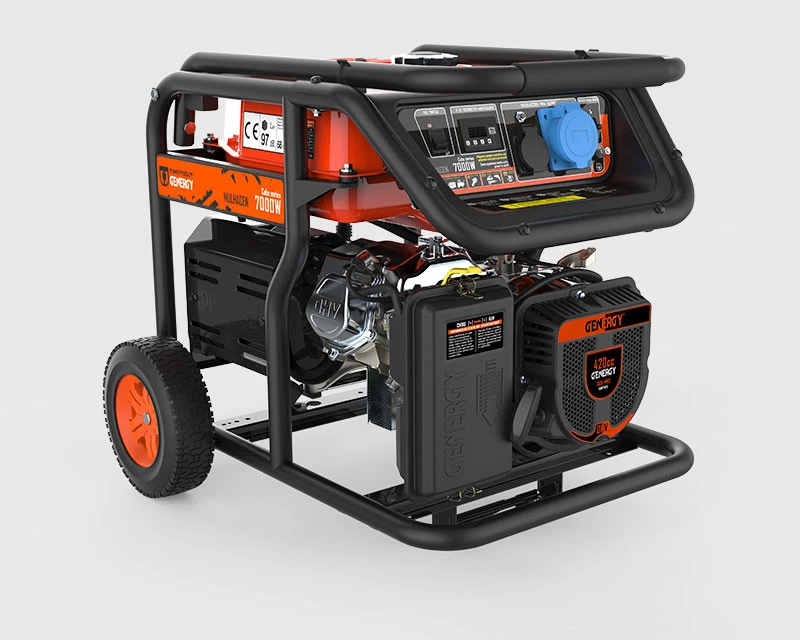
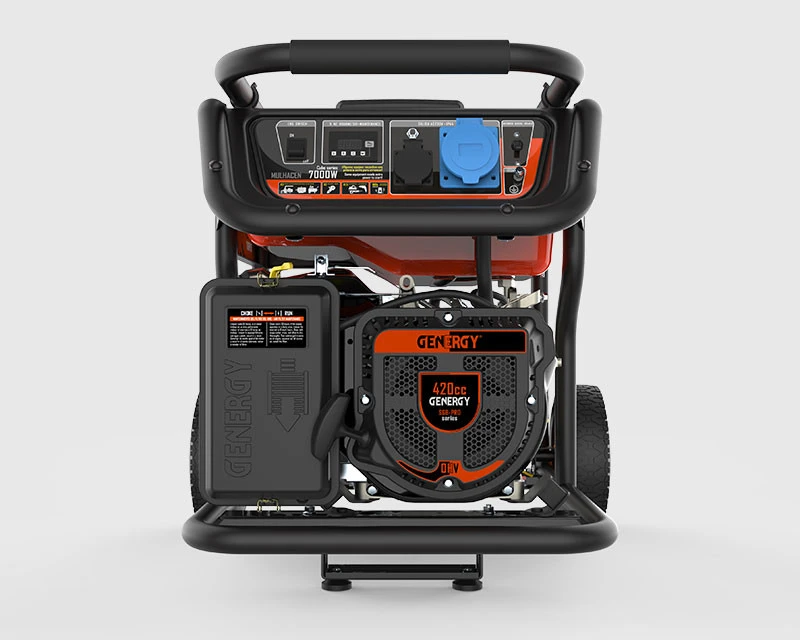
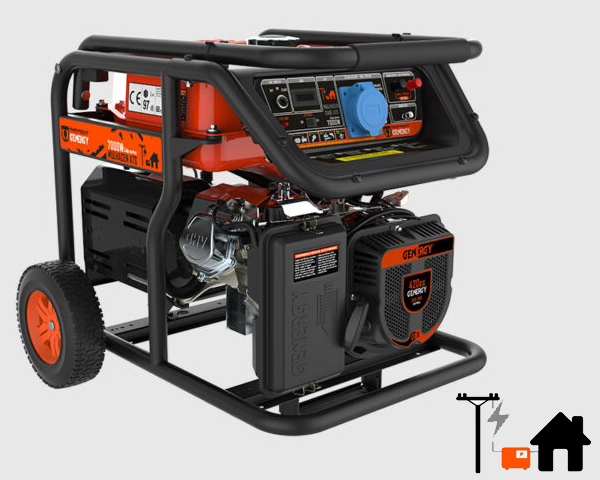
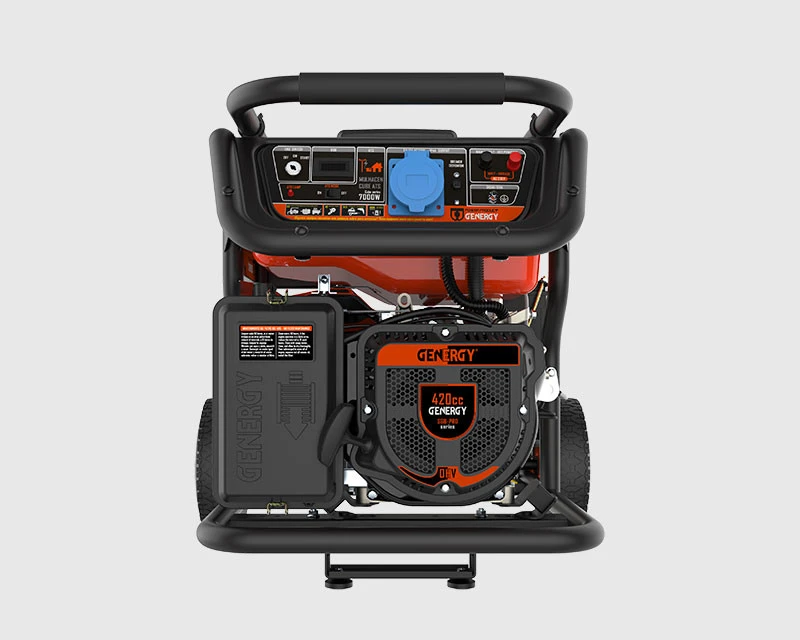
3000W Genergy generators that might interest you
Frequently Asked Questions About What to Connect to a 3000W Generator
Can a 3000-watt generator power a refrigerator?
Yes, usually. In fact, the refrigerator is one of the most common loads in a backup scenario, although it’s important to take its startup peak into account.
Can you run a microwave and a refrigerator at the same time?
It may be possible in some cases, but it depends on the actual power consumption of both devices and the other connected appliances. This is where the generator's capacity really matters.
Is it suitable for construction tools?
Yes, a 3000W generator works quite well with drills, saws, and other light-duty power tools, as long as you don't run too many demanding loads at the same time.
Can it power a water pump?
It depends on the type of pump. Smaller pumps may fit, but those with a high starting current or high power consumption require a careful check of the peak power.
What shouldn't I plug into a 3000W generator?
Large electric heaters, high-demand machinery, powerful compressors, and equipment with startup peaks that are too high for this range.
Is a 3000-watt generator enough for a house?
For a whole house, usually not. But to keep essential appliances running during a power outage, it can be a very useful option.