Best Portable Power Station of 2026: How to Choose the Right One Based on Your Needs and Power Requirements
When someone asks the best portable power station, they often expect a single answer. But by 2026 that answer depends, above all, on two things: how much you plan to use it and what devices you need to power. Someone looking for a solution for weekend getaways won’t buy the same thing as someone who needs backup power at home or a portable power source to work off the grid.
That’s why, for me, the most useful way to answer “the best portable power station” is this: there is no single model that’s perfect for everyone. The best one will be the one with the capacity, output power, number of ports, and charging speed that suit your specific needs. A recent buying guide emphasizes exactly that: it’s best to choose a capacity that exceeds the power requirements of the devices you’ll be connecting.
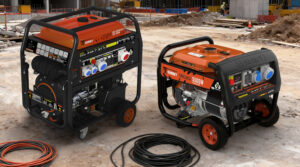
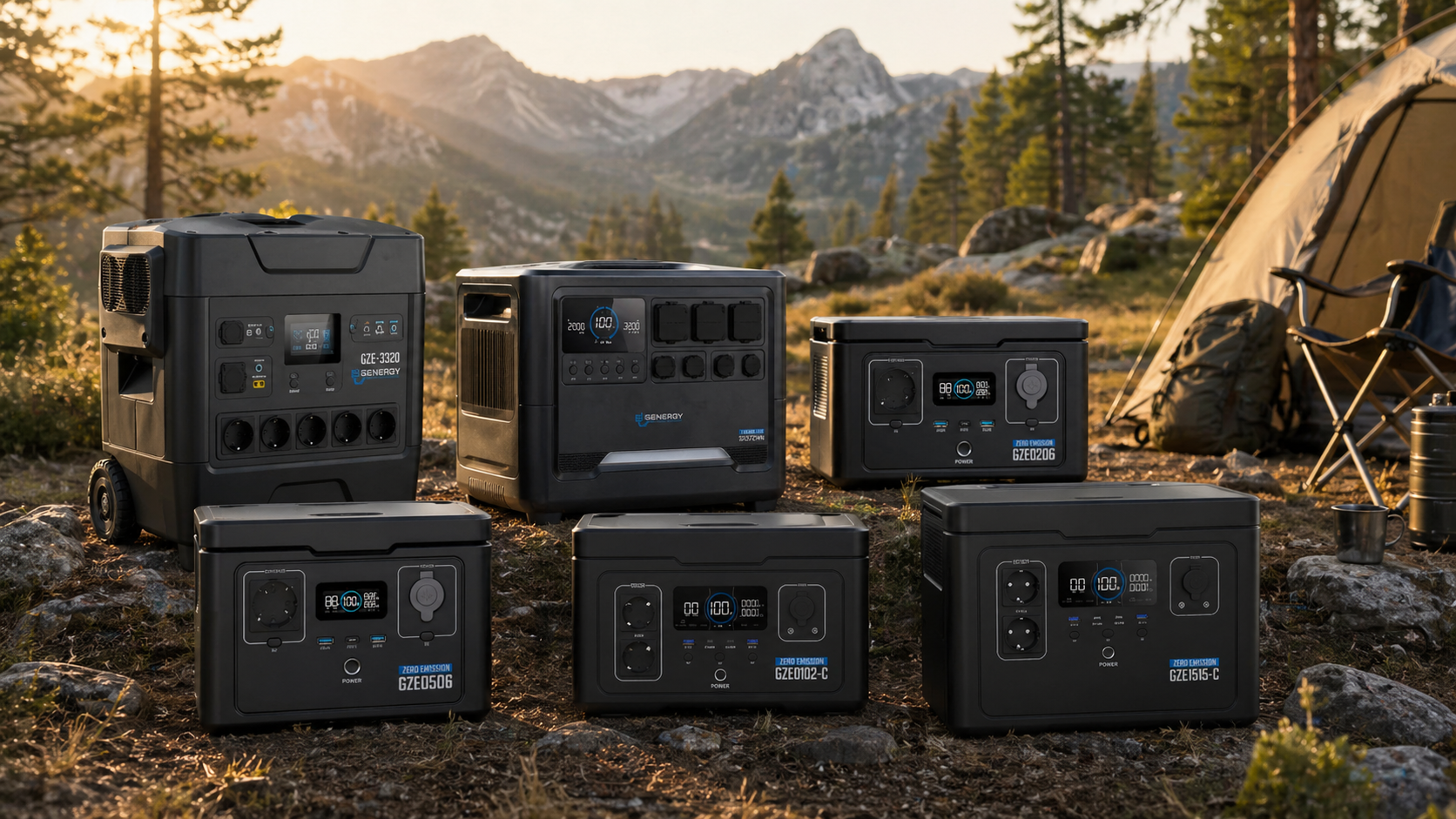
Your criteria will also vary greatly depending on whether you need it for small devices, to power tools, as a generator for a motorhome, or as a backup power source at home. There are compact units of around 200 W designed for light camping, others ranging from 700–1000 W with batteries between 500 and 768 Wh, and much more powerful models, up to 1800 W, 3000W generator or even 5000 W, which enter a much more serious realm of autonomy and backup power.
What does “best portable power station” really mean?
To say "best portable power station" without context is an understatement. What matters isn’t just the brand or design, but how the device performs across four key factors: capacity, power output, output ports, and charging methods. A power station can be fantastic for charging cell phones, laptops, and LED industrial lighting, but fall short when you try to power a cooler, a small coffee maker, or more power-hungry tools.
This is where the question that really matters comes in: what do I want to power, and for how long? Recent comparisons frequently feature systems with capacities of 504 Wh, 768 Wh, or 1440 Wh, with power outputs ranging from 200 W to 1800 W and beyond. That difference is significant. It completely changes the type of use for which the system makes sense.
That's why, when someone asks me which is the best portable power station, I wouldn’t start with the brand. I’d start with the intended use. Because a smart purchase isn’t about looking for the most popular model, but about choosing the right size for your actual needs.
What is the best portable power station for occasional use?
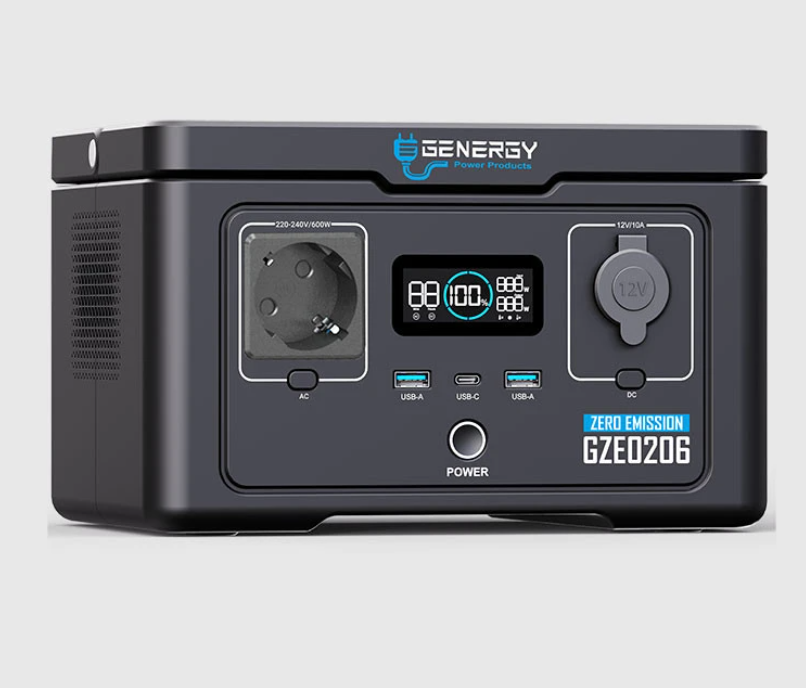
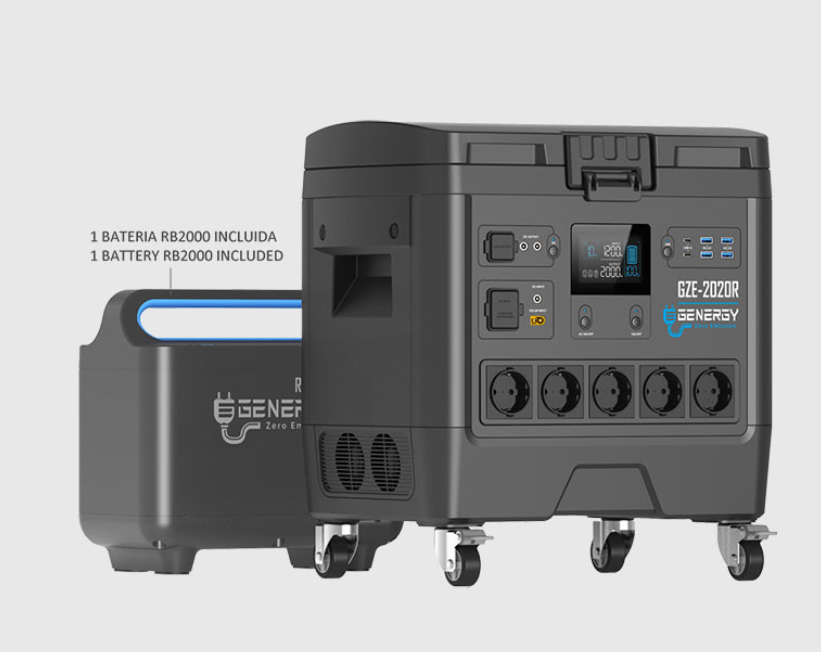
Whether you want it for short trips, camping, occasional emergencies, or to keep small devices charged, you don’t necessarily need to go for a massive power station. In this scenario, the most important factors are usually portability, weight, ease of charging, and having the right ports for what you actually use. An example in this category is a compact 200 W, 46,400 mAh power station, designed for camping and light charging.
For this type of profile, the best portable power station in terms of value for money is usually the one that doesn’t overkill the purchase. If your power needs are basic, paying for 3000 W or a massive expandable battery doesn’t always make sense. The smart move here is usually to strike a balance between size, runtime, and versatility.
In addition, if you're looking for a portable option within a broader ecosystem, it might be worth checking out a battery-powered generator, because it fits quite well with the concept of mobile, clean energy for occasional use.
The best portable power station for camping, RV travel, or on-the-go work
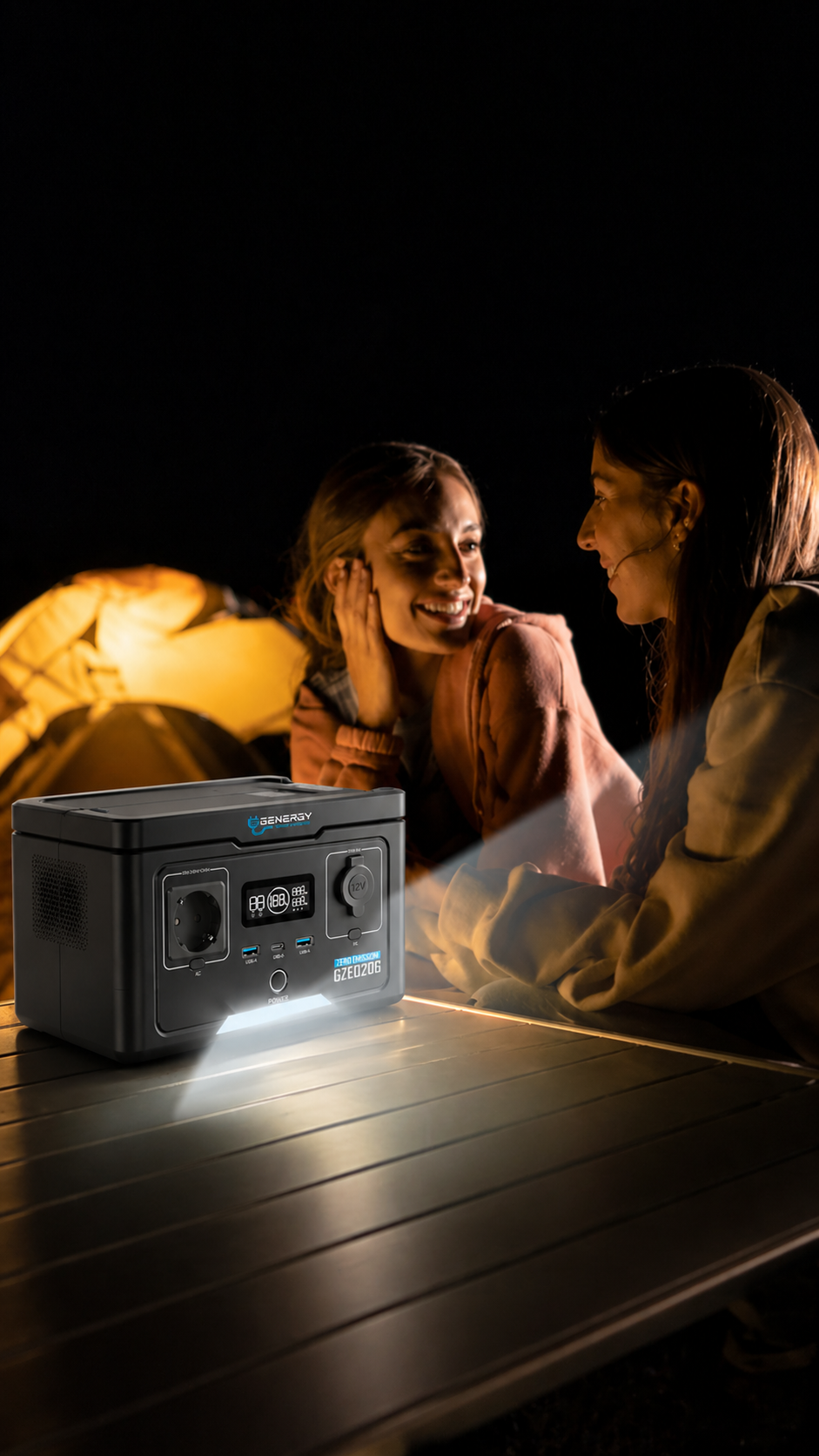
Whether you're camping, traveling in an RV, or working off the grid, the ideal power station is no longer chosen based solely on size. What matters much more is the balance between power output, runtime, and the number of outlets. In the mid-range, you'll find models with 768 Wh and 800–1000 W, as well as units with 1440 Wh and 1800 W that offer multiple ports and various charging methods.
This type of power station is useful when you need to do more than just charge your phone or laptop. For example, if you need to power a cooler, lights, or small appliances such as pressure washers, routers, or multiple devices at once. Some current models include up to 7 or 9 ports and various charging methods, including AC power, solar, car, or generator.
This is where the question “the best portable power station” starts to look a lot like another one: how much actual runtime do I need away from a power outlet? If the goal is to move around freely without running out of juice, it’s also worth looking at the ecosystem of portable solar generator, especially if you’re interested in combining portability with cleaner, more flexible energy.
Best Portable Charging Station for the Money: What to Really Look For
The phrase "best value portable power station" is used a lot, but it’s often misunderstood. Value for money doesn’t mean buying the cheapest one. It means finding a power bank that gives you enough capacity, good battery chemistry, useful ports, and power output that matches your needs, without overpaying for features you won’t use.
For example, there are now 504-Wh and 700-W units that charge from 0 to 80% in 45 minutes and use LiFePO4 batteries with over 3,000 charge cycles. There are also 768-Wh and 1,000-W units with fast charging, solar input, and 7 outlets, which many people now consider to be very reasonably priced.
For me, the station that offers the best value isn't the flashiest one, but the one that avoids two classic mistakes: falling short or paying for excess capacity you don't need. That's where a good decision is worth more than any ranking.
Best Portable Power Station Brand: How to Evaluate a Brand Beyond Just the Name
Many people go straight to looking for the best brand of portable power station, but the brand alone doesn’t determine the purchase. What really matters is whether that brand offers long-lasting batteries, good continuous power output, a variety of ports, fast charging, solar charging compatibility, and scalable options when the user needs to expand.
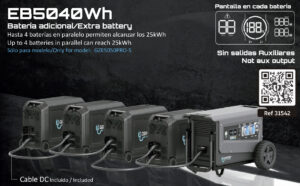
Today’s market features brands that offer everything from lightweight 200-watt units to high-performance 3,000- or 5,000-watt systems with expandable capacity, app connectivity, and multiple charging modes. This shows that the “best brand” isn’t necessarily the same for everyone: one might be better suited for camping, while another is ideal for home backup power.
So, instead of getting hung up on the name, I’d compare these five factors: usable capacity, actual power output, charging speed, number of battery cycles, and expandability. That comparison says a lot more about a power station’s quality than the logo on the front.
When a portable workstation isn't enough and you need another solution
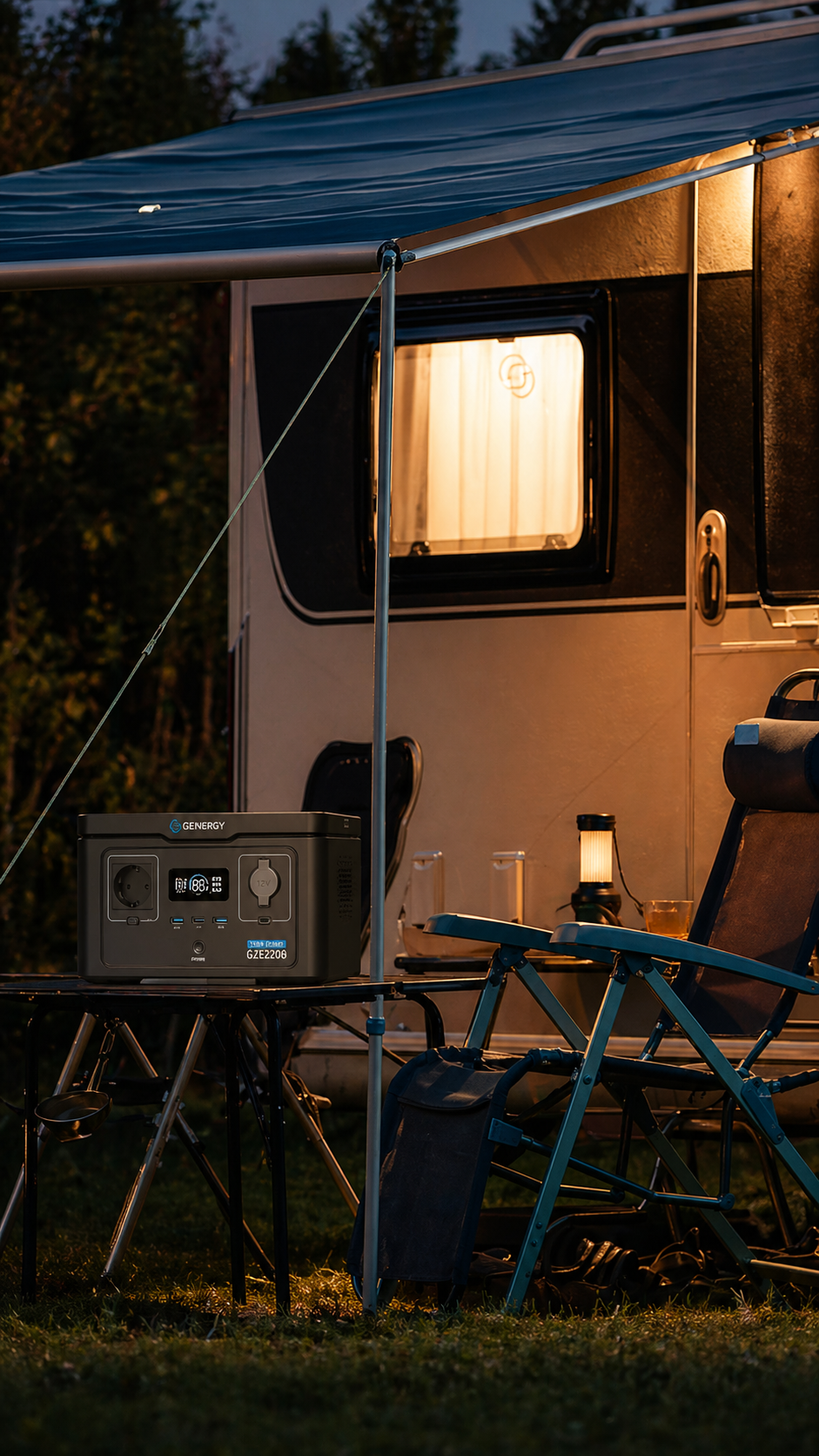
This is an important point. Sometimes a portable charging station seems like the ideal solution, but as power consumption or usage time increases, it can fall short. If you want to power appliances for many hours, provide backup power at home, or scale up to a more robust system, then you may no longer be in the realm of a compact station, but rather need something more scalable.
In that case, options such as scalable systems or even solar kits with inverters, because they better meet the need for longer-term autonomy or more stable backup power.
And if the priority for a solar installation is energy security rather than portability, it may also be worth considering a Solar Generator, which is in a completely different league from a conventional portable station.
So, what is the best portable power station in 2026?
The most honest answer is this: it depends on how you plan to use it and how much power you need.
If you're looking for something lightweight for camping or small loads, the best power station will be compact, easy to handle, and equipped with well-designed basic outlets. If you need more runtime and want to power multiple devices, you’ll want a mid-range model of 700–1000 W with capacities around 500–800 Wh. And if you’re thinking about serious backup power, heavy-duty use, or higher loads, then it makes sense to look at electric generators , especially if they are expandable and support multiple charging methods.
In other words: the best portable power station isn’t just one specific model. It’s the one that matches your actual usage without forcing you to pay for power you won’t use or leaving you short when you need it most.
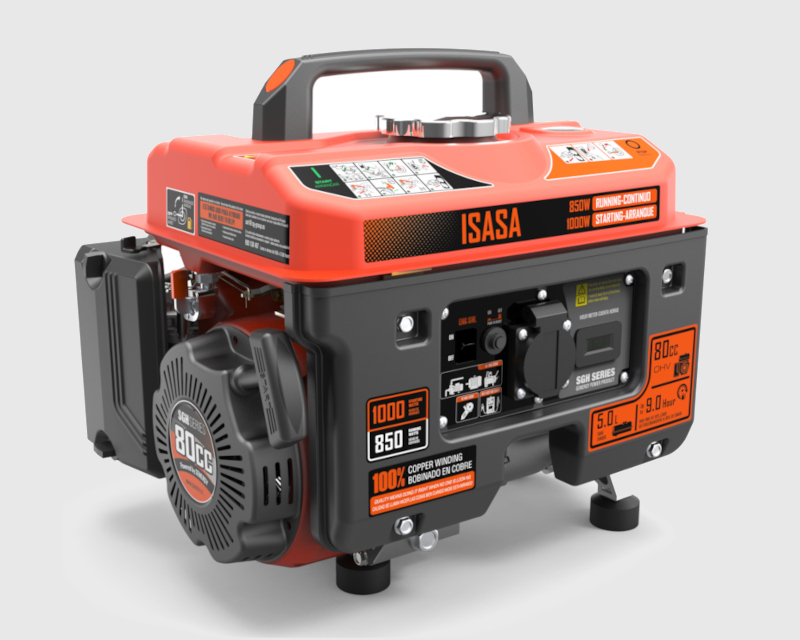
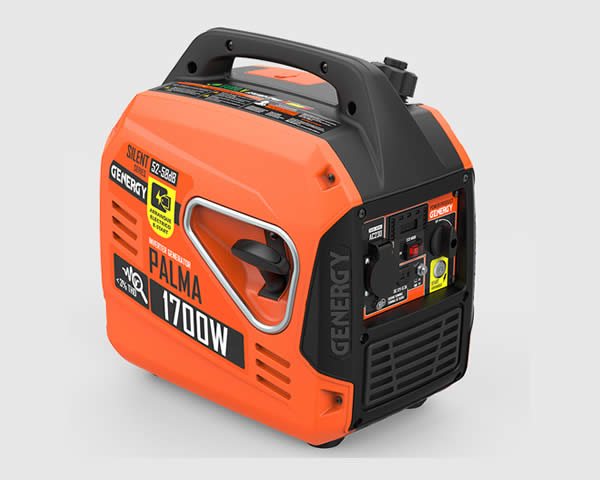
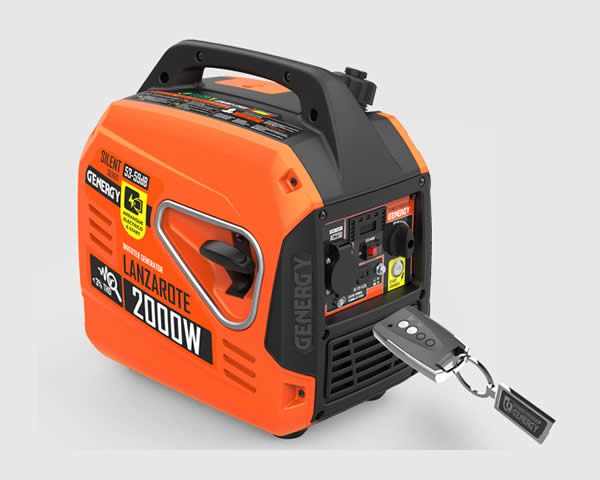
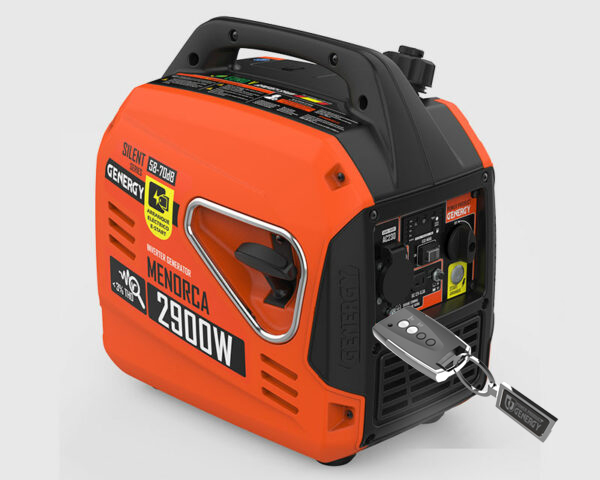
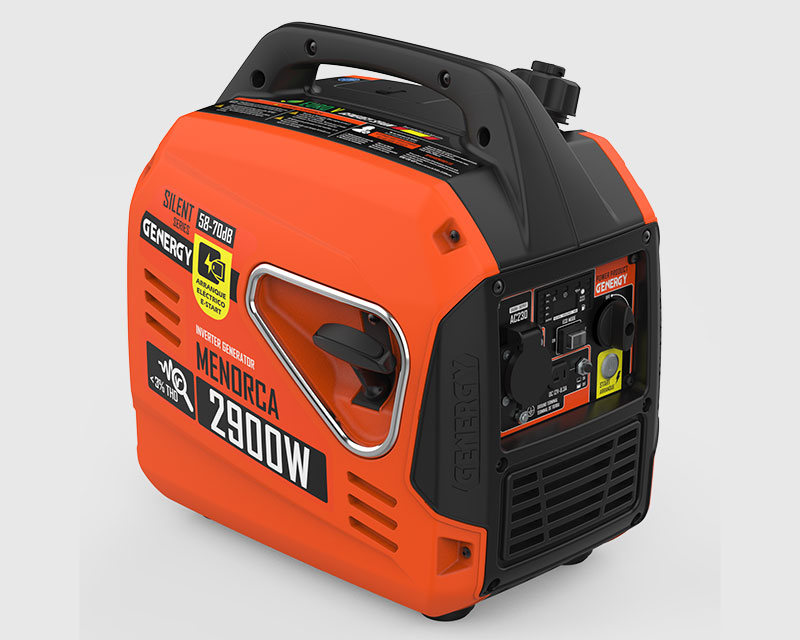
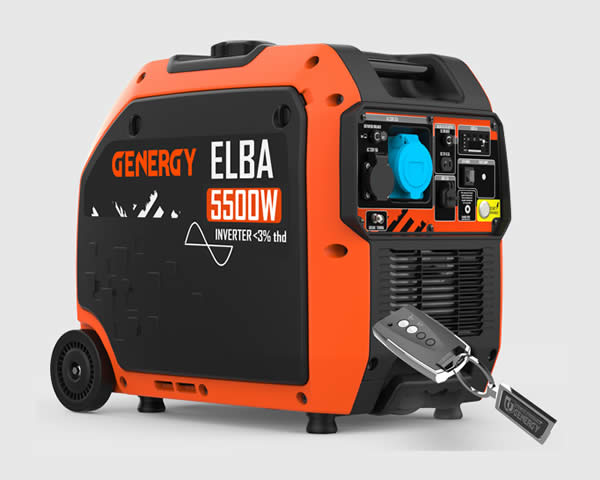
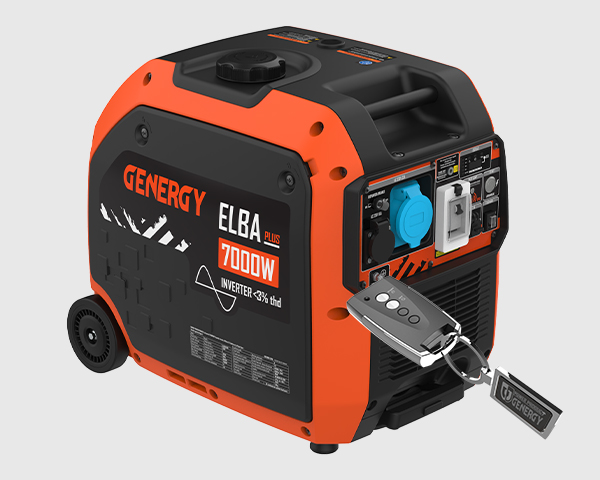
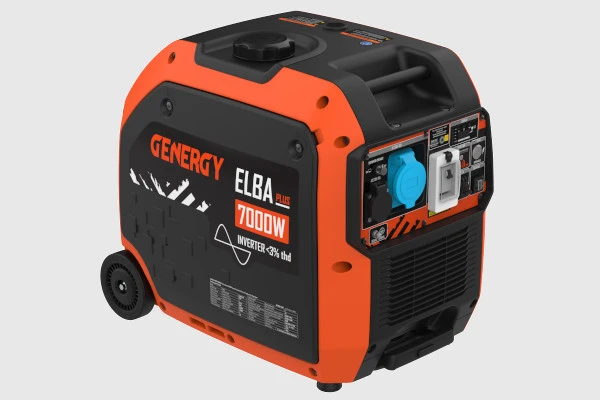
Portable power generators you might be interested in
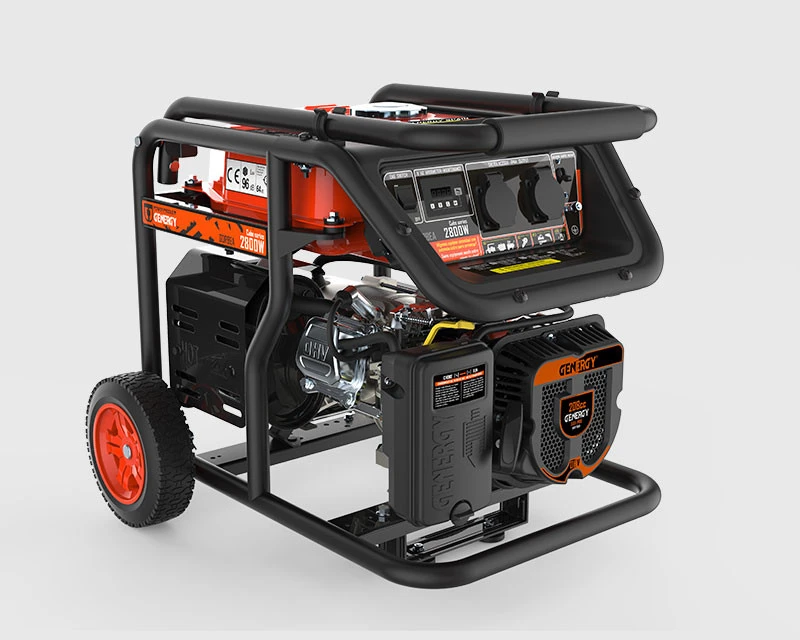
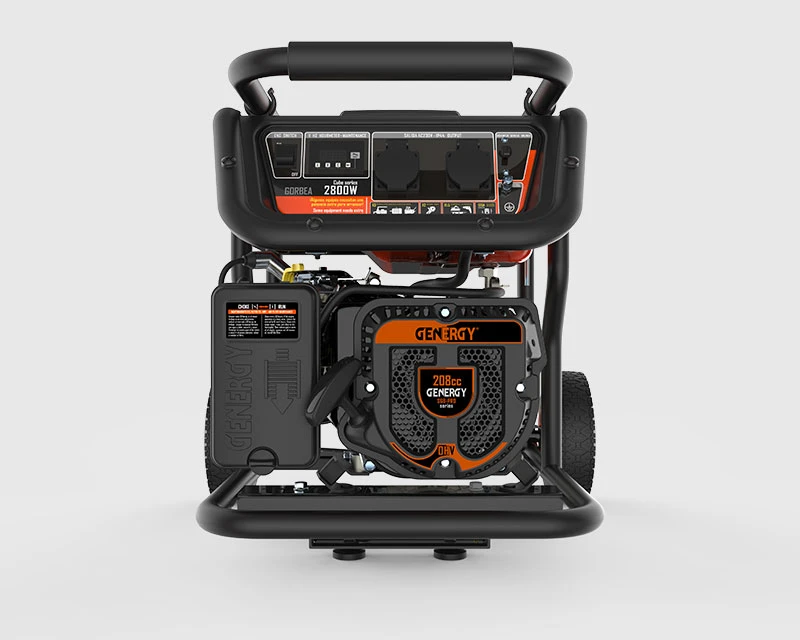
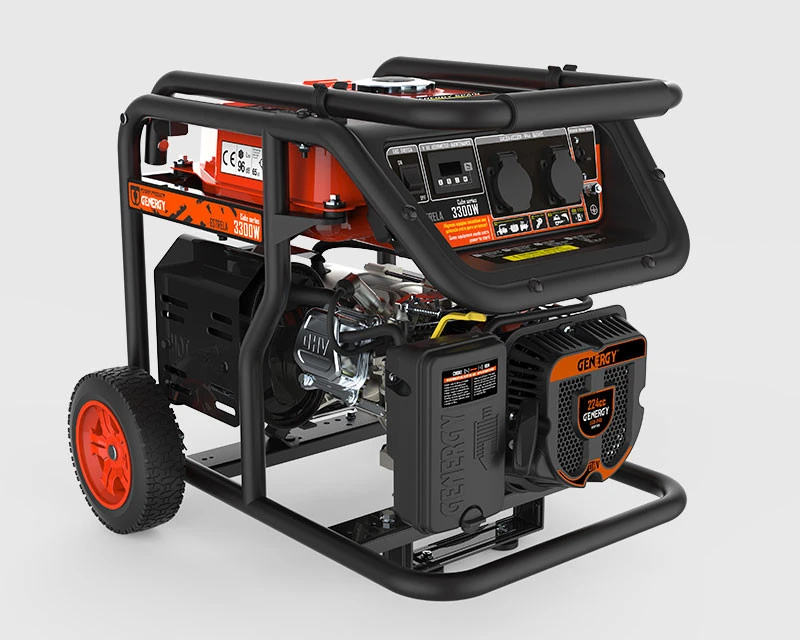
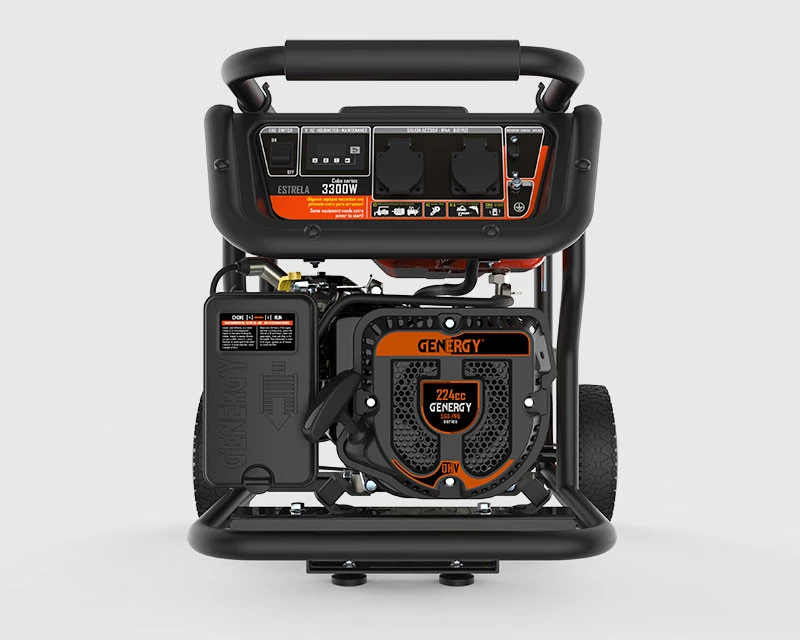

Frequently Asked Questions About Portable Power Stations
¿Cuál es la mejor estación de energía portátil?
La mejor depende del uso. Para camping ligero y cargas pequeñas, suele bastar una estación compacta. Para varios aparatos o más autonomía, ya conviene subir en Wh y potencia de salida.
¿Qué significa mejor estación de energía portátil calidad precio?
Significa elegir una estación equilibrada en capacidad, potencia, puertos y duración de batería, sin pagar por funciones o potencia que realmente no necesitas.
¿Cuál es la mejor marca de estación de energía portátil?
No hay una única mejor para todos. La mejor marca será la que ofrezca buena batería, potencia real, varios métodos de carga, puertos útiles y posibilidad de ampliar el sistema cuando haga falta.
¿Cuánta potencia necesito en una estación portátil?
Depende de los aparatos. Una recomendación útil es elegir una capacidad superior a la potencia de los dispositivos que vayas a conectar.
Which is more important: Wh or W?
Los Wh marcan la energía almacenada y los W la potencia de salida. Necesitas ambas bien ajustadas: suficiente potencia para arrancar tus aparatos y suficiente capacidad para mantenerlos funcionando el tiempo que necesitas.
¿Cuándo una estación portátil no es suficiente?
Cuando buscas muchas horas de respaldo, alimentar electrodomésticos exigentes o construir una solución más estable para casa o instalación solar. En ese caso suele tener más sentido pasar a un sistema escalable o a soluciones de respaldo más completas.