Mejor kit solar 2026: cómo elegir el adecuado para balcón, vivienda aislada o autocaravana
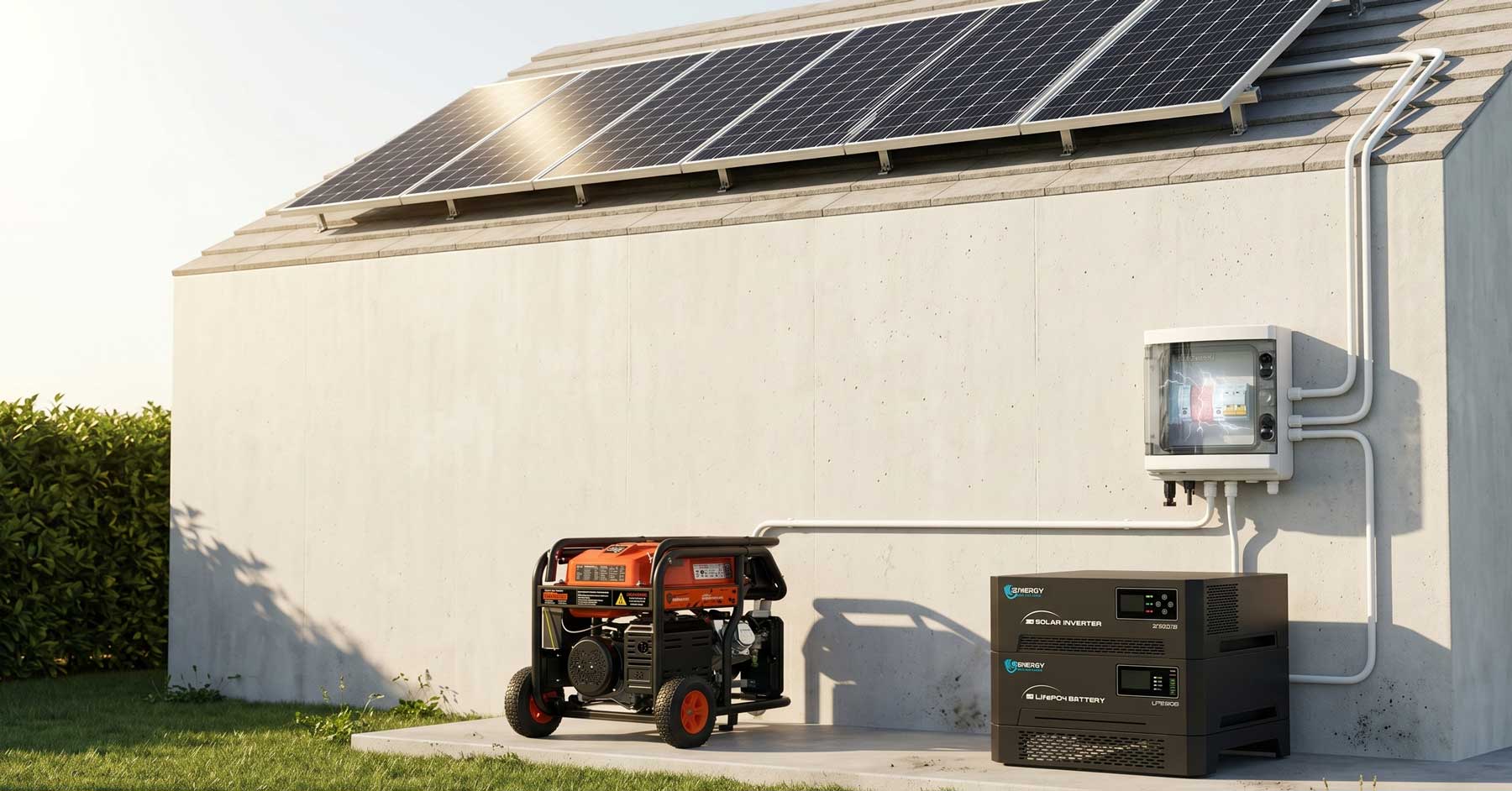
When someone is looking for the best solar kit, they often expect a single answer, almost as if there were a perfect model for everyone. But the reality is different. The best kit isn’t the biggest, or the most expensive, or the one with the most panels. The best solar kit is the one that fits your actual needs.
Someone looking to reduce energy consumption on a balcony has different needs than someone seeking complete self-sufficiency in a country home without access to the power grid. Nor do people who need power for road trips and are looking for the best solar kit for a motorhome. That’s why, before focusing on power or price, you should ask yourself a very simple question: what exactly do you need it for?
I like to put it this way: the “best” kit depends entirely on whether you want it for a balcony, a primary residence, an off-grid installation, or to take with you when you go camping. That approach is what really helps you make the right choice and avoids ending up with a system that falls short or, conversely, is oversized.
What does “best solar kit” really mean?
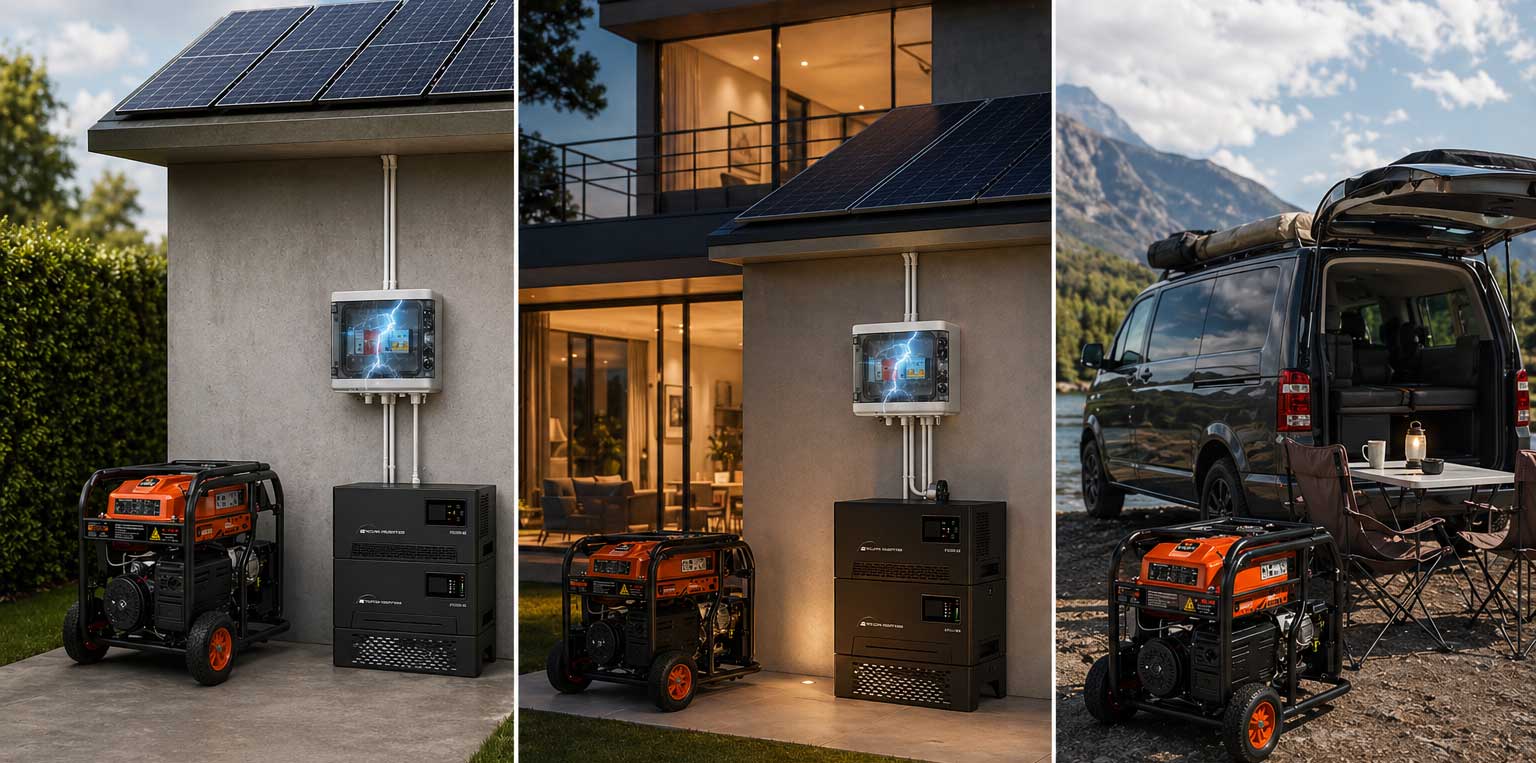
Say the best solar kit without context is like asking which is the best car without explaining what you need it for. There is no single valid answer because every installation has different needs. Some people prioritize ease of installation, others seek energy independence, and still others just want something portable to charge small devices while away from home.
That's why, when talking about the best DIY solar kit, the key isn’t just that it’s easy to assemble. It also matters that it makes sense for the available space, the power you need, and the type of energy consumption you’ll be covering. A very simple kit might be perfect for a balcony but completely insufficient for a standalone house.
On the other hand, if you’re looking for residential self-consumption, other factors come into play: daily production, orientation, battery compatibility, inverter type, and projected consumption. And if you want to explore broader solutions within this approach, it makes sense to check out the range of portable solar generators, because that’s where you’ll better understand how your choice changes depending on the level of autonomy you need.
Best plug-and-play solar kit: when it makes sense
The best plug-and-play solar kit is usually the one that lets you get started easily, quickly, and without unnecessary technical complications. This type of solution makes a lot of sense for balconies, patios, small spaces, or situations where the main goal is to self-consume some of the energy at home without getting into a complex installation.
Its main appeal lies in its simplicity. For those looking for something practical and affordable, a plug-and-play kit can be an excellent way to get started with self-consumption. It’s not typically designed to meet high energy demands or provide complete energy independence, but rather to help you start harnessing solar energy in a straightforward way.
That said, it’s important not to idealize it. A plug-and-play kit can be a great option if your goal is to reduce your energy consumption and you’re looking for a compact solution. But it won’t be the best system if you need high output, serious storage capacity, or to power a home with higher energy demands.
Best DIY solar kit: who is it best for?
The best DIY solar kit is one that achieves two things at once: making installation manageable and ensuring that performance matches actual usage. It’s not enough for it to be easy to install. It also has to meet a specific need.
This type of kit typically works very well for users who want to make the switch to self-consumption without having to start with a more complex installation. It can be a good fit for homes with moderate energy consumption, small spaces, or users who particularly value the simplicity of the process.
The key is understanding its limitations. A DIY kit can be a great way to get started, but it won’t always be the best option when you want to cover a large portion of a home’s energy needs or when you need serious storage capacity. That’s why, rather than looking for the “best-selling” or “most comprehensive” option, you should look for the one that best fits your intended use.
Best solar kit for homes with self-consumption
If the goal is to reduce energy consumption in a home connected to the grid, the best self-consumption solar kit will be the one that fits your actual habits. Here, the relationship between production and consumption matters much more than the maximum power output in the abstract.
For a home, the best approach is usually one that covers a significant portion of daily energy use without oversizing the system. If you spend many hours away from home, if your energy use is concentrated during certain times of the day, or if you have high-demand appliances, all of these factors completely change the type of system that’s best for you.
In this scenario, a battery isn't always necessary. In some cases, it's worth it; in others, it isn't. The key is to understand whether you're looking for immediate savings, better utilization of your energy production, or a more flexible solution for the future. If you're comparing more closed-system setups, it might be helpful to take a look at all-inclusive photovoltaic systems, as they help you better visualize when a more compact and structured solution is the right choice.
Best Solar Kit for Off-Grid Homes: When Autonomy Makes All the Difference
If there’s one scenario where the choice of kit makes all the difference, this is it. The best solar kit for an off-grid home is not chosen based on the logic of urban self-consumption, but rather on the logic of self-sufficiency. Here, it is not just about producing energy, but about ensuring that energy will be available when needed.
In an off-grid home, the battery is no longer just an accessory but becomes a central component of the system. The inverter, storage capacity, usage profile, and the need to account for days with lower generation also become much more important. For this reason, the best solar kit for an off-grid home is not necessarily the cheapest or the simplest, but rather the most stable and well-balanced option for that home’s actual energy consumption.
This type of decision requires careful consideration of which devices will be powered, how many hours a day they are used, and how much runtime you need. If these factors aren’t calculated properly, the kit can run out of power very quickly. That’s why, in off-grid installations, the word “best” should always go hand in hand with “properly sized.” At this point, it makes a lot of sense to consider options such as an off grid solar inverter or even scalable systems, especially if you need a solution that can grow with you.
Best Solar Kit for Motorhomes: What to Look for
The best solar kit for a motorhome is not the same as the best kit for a home or the best kit for a balcony. Other criteria come into play here: weight, size, portability, durability, load capacity, and autonomy for typical travel consumption.
In a motorhome or campervan, you often don’t need a large setup, but you do need a reliable system. The key is that it effectively meets your needs, such as lighting, charging devices, a small refrigerator, a water pump, or basic daily power consumption. That’s why the best solar kit for a motorhome is usually the one that offers a true balance between portability, performance, and ease of use.
It’s also important to understand that not all trips or travel styles consume the same amount of energy. Someone taking weekend getaways has different needs than someone who spends extended periods on the road. In many of these cases, a very practical alternative can be a battery-powered generator, especially when you’re looking for portable power without overcomplicating the setup.
What to Consider Before Buying a Solar Kit
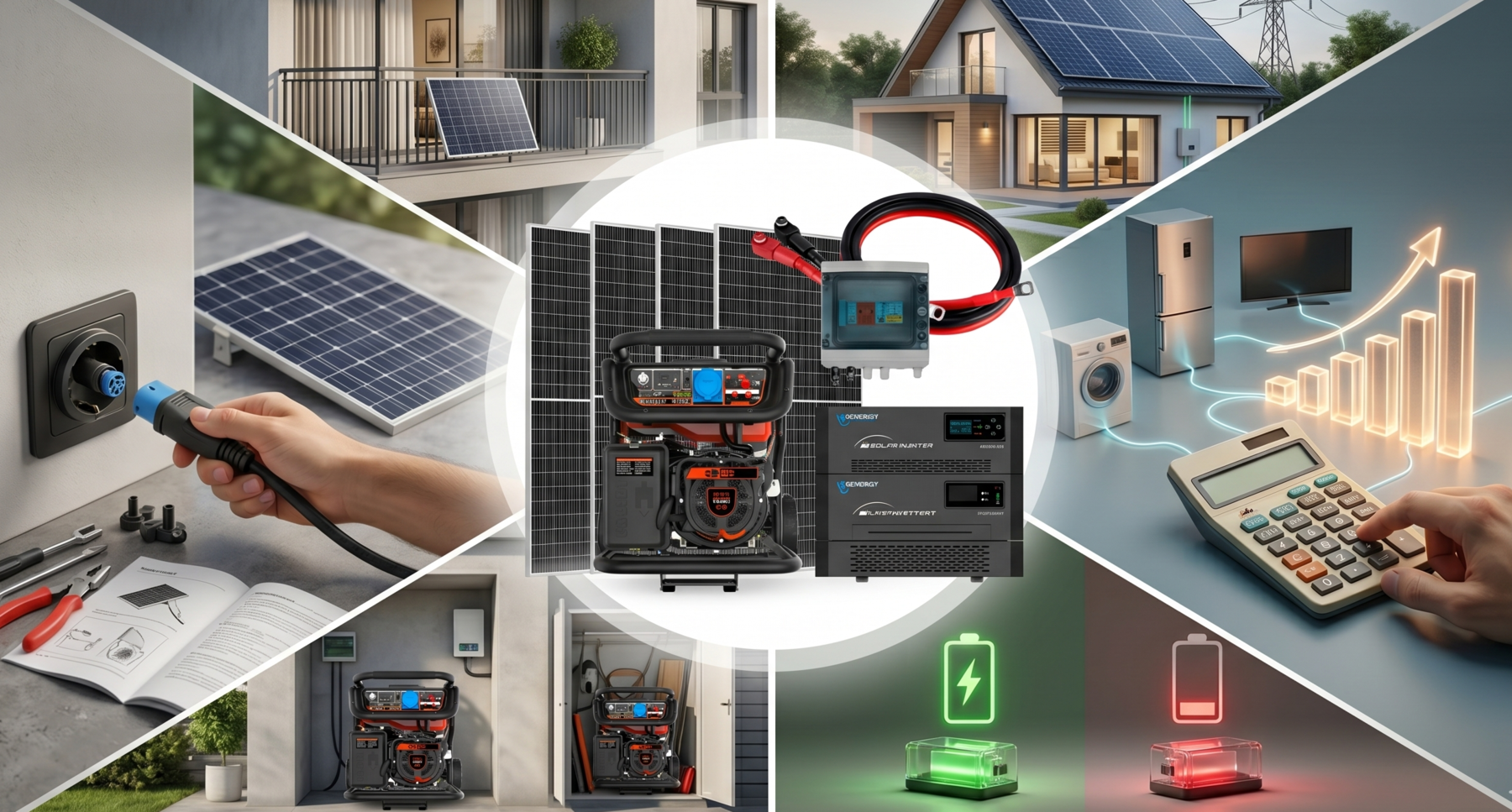
Before making a decision, there are five factors you should always consider.
The first factor is the type of use. A balcony, a home with a safety net, a detached home, and a motorhome are not the same.
The second factor is the required power. Choosing without calculating power consumption is one of the quickest ways to make a mistake.
The third is the battery. In some cases, it is essential; in others, it may not be a priority.
The fourth factor is the available space. There’s no point in choosing a kit that looks great on paper if it doesn’t actually fit in the physical space where it’s going to be installed.
And the fifth factor is ease of installation. If simplicity is a top priority for you, you’ll likely be more interested in a plug-and-play kit or a well-designed DIY kit than an oversized, hard-to-manage solution. And if you also want to upgrade your system to improve energy security, you might want to consider options for Solar Generator.
So, what's the best solar kit?
The most honest answer is this: it depends on how you use it.
If you're looking for a simple solution to get started, the best plug-and-play solar kit or the best DIY solar kit will make the most sense. If you want to generate power for your own home, the key is to balance production and consumption. If you need energy independence, the best solar kit for an off-grid home will be the one that guarantees true autonomy. And if you’re on the road, the best solar kit for a motorhome will be the one that best combines portability, payload, and ease of use of the solar .
In the end, the best solar kit isn't the flashiest one, but the one that's just right for you—not too small and not too big.
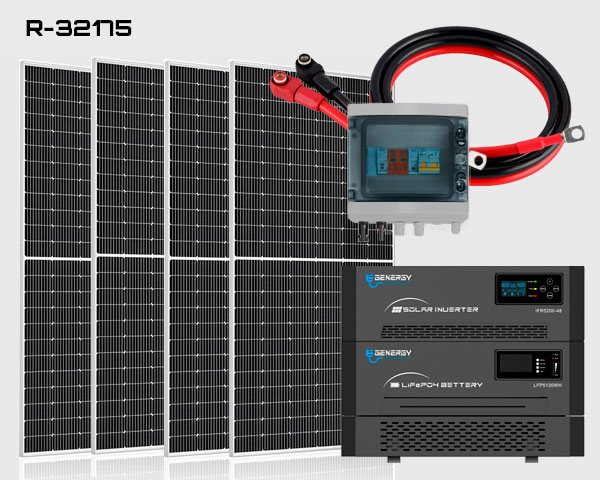
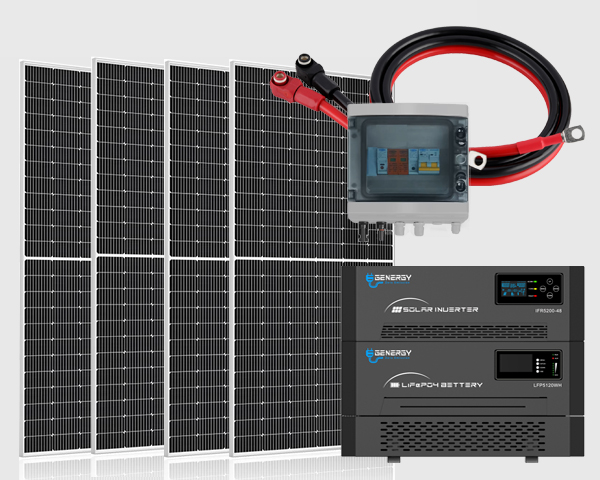
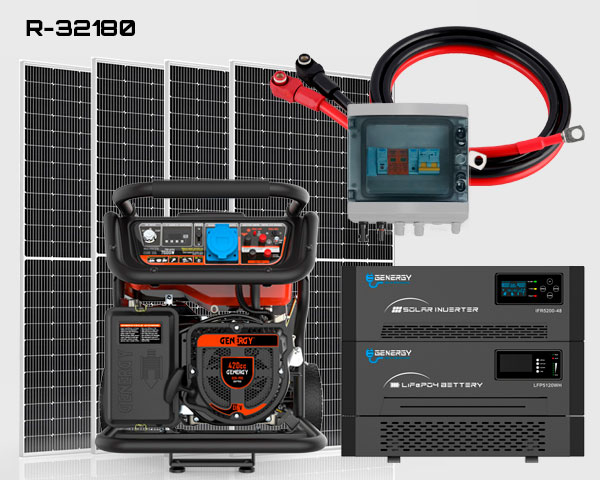
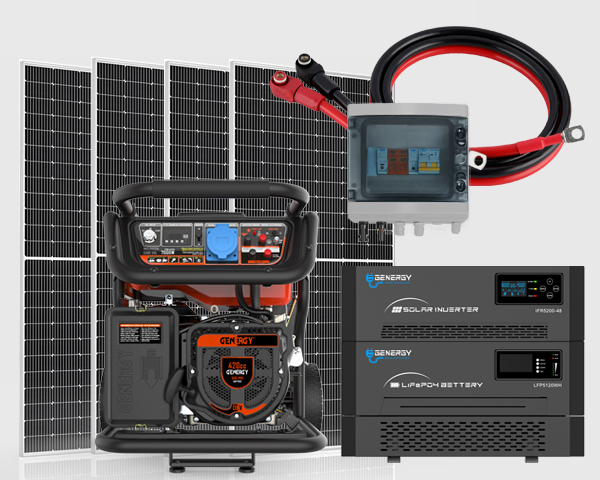
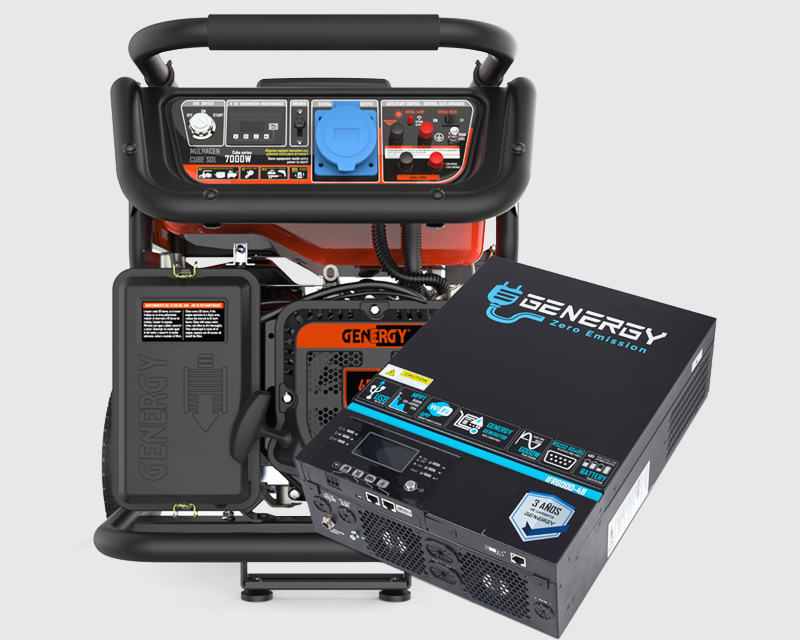
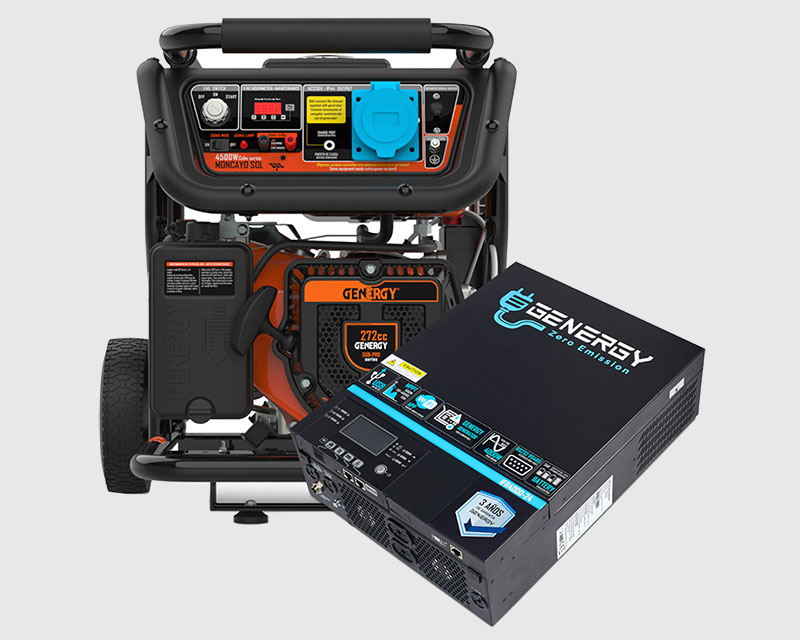
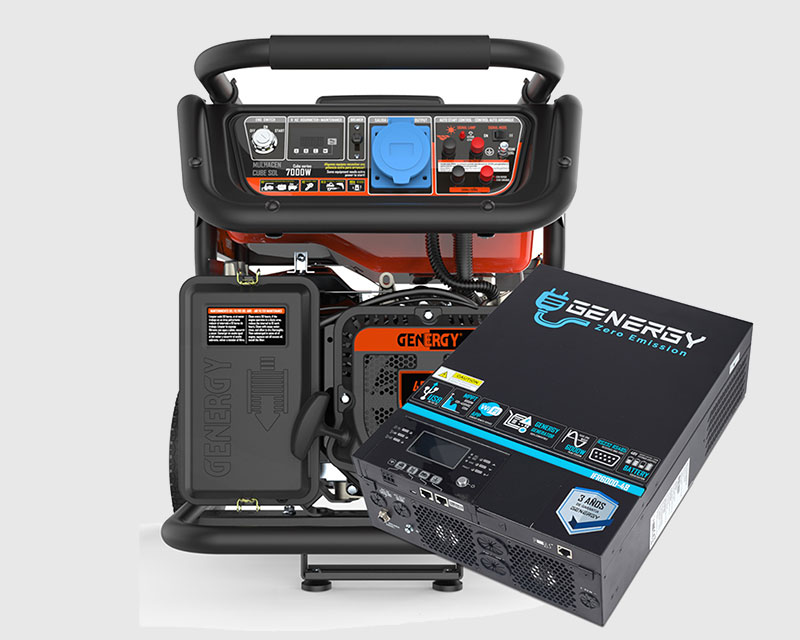
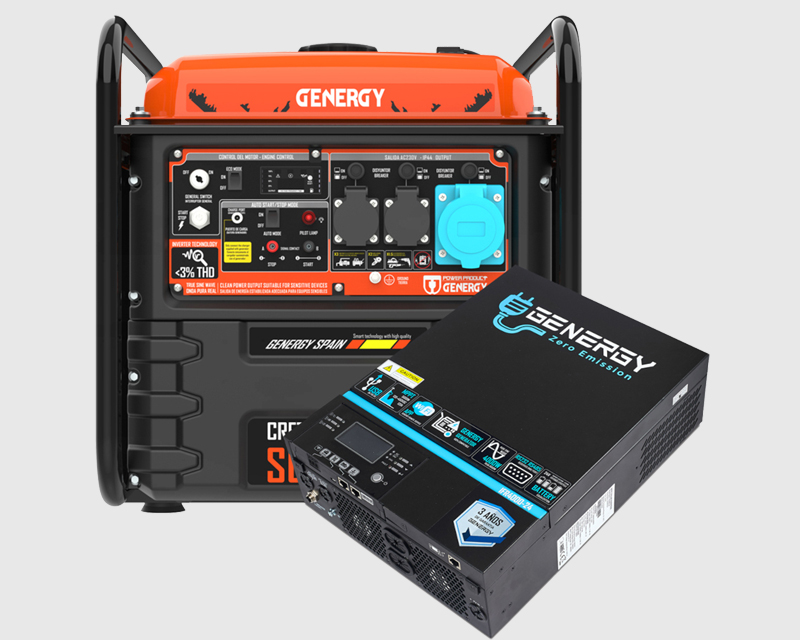
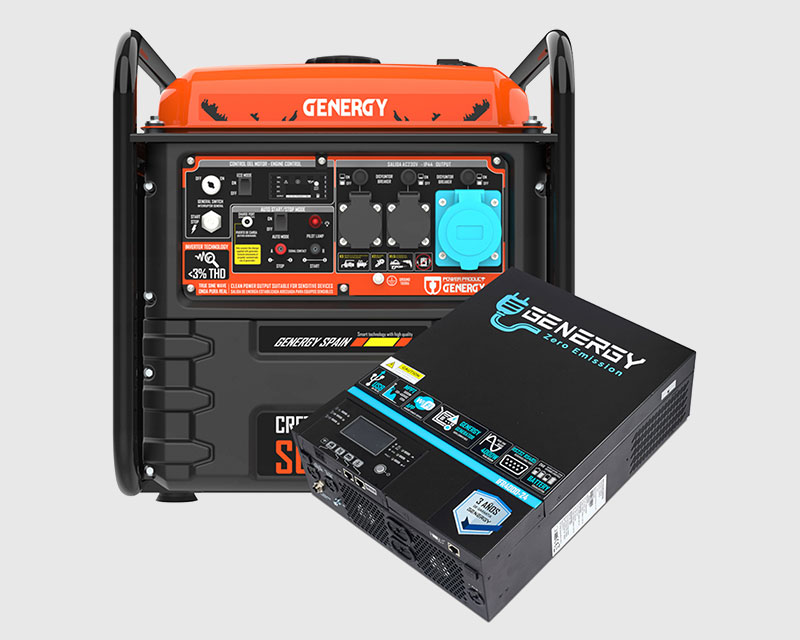
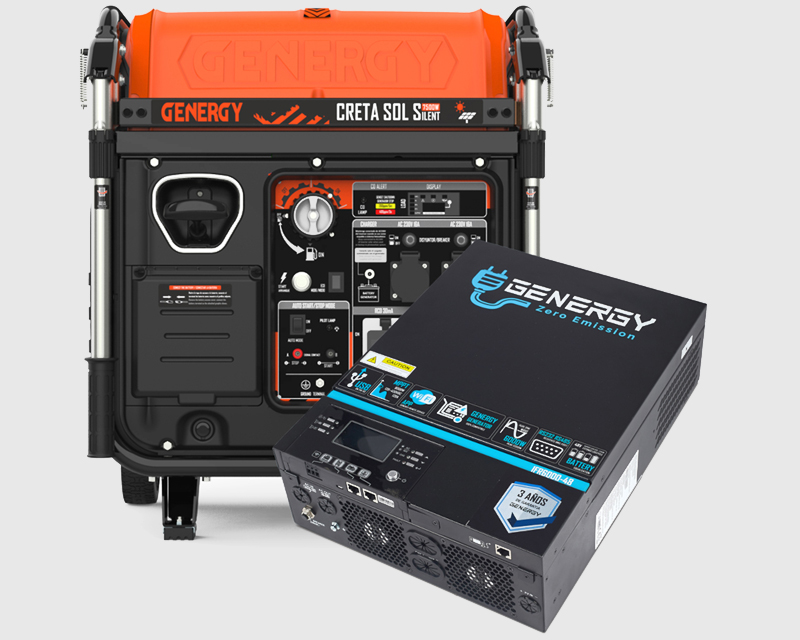
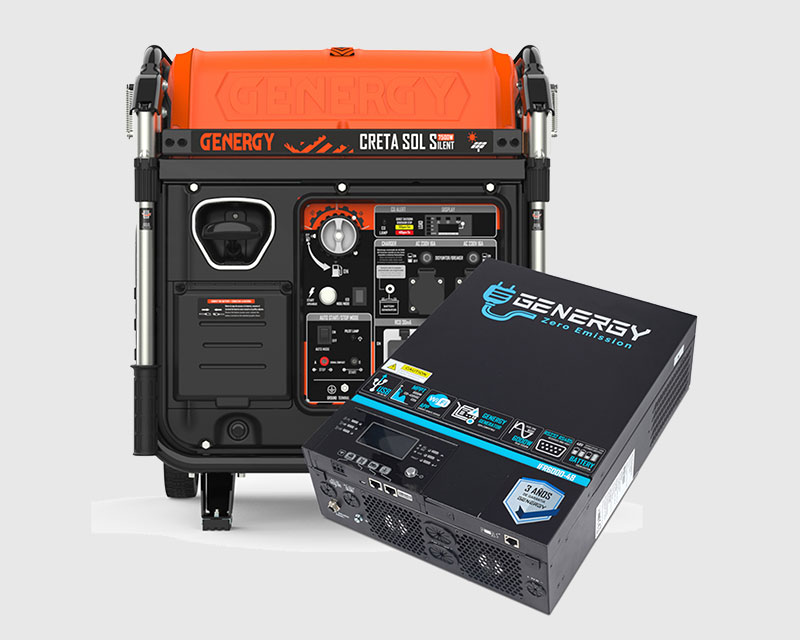
Genergy solar kits you might be interested in:
Frequently Asked Questions About the Best Solar Kit
¿Cuál es el mejor kit solar?
El mejor kit solar depende del uso. No será el mismo para un balcón, una vivienda conectada a red, una casa aislada o una autocaravana.
¿Qué es mejor, un kit solar plug and play o uno más completo?
Depende de lo que necesites. Un kit plug and play encaja muy bien cuando se busca simplicidad y facilidad de instalación. Un sistema más completo tiene sentido cuando el consumo y la exigencia son mayores.
¿Cuál es el mejor kit solar autoinstalable?
El mejor kit solar autoinstalable es el que puedes montar con facilidad y, al mismo tiempo, cubre bien tu consumo real sin quedarse corto.
What is the best solar kit for a motorhome?
El mejor kit solar para autocaravana es el que ofrece buen equilibrio entre portabilidad, autonomía y capacidad para cubrir los consumos habituales del viaje.
¿Cuál es el mejor kit solar para una vivienda aislada?
El mejor kit solar vivienda aislada es el que está bien dimensionado para la casa, incorpora almacenamiento suficiente y asegura autonomía energética real.
¿Un kit con batería siempre es mejor?
Not always. In homes connected to the grid, it may not be essential. In off-grid systems, however, it is usually a key component of the system.