Best Solar Generator: Which One to Choose Based on the Power Output and Your Needs
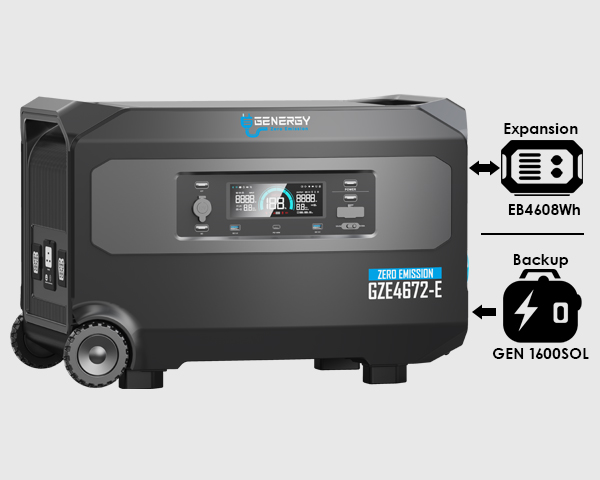
Choosing the best solar generator isn’t about buying the biggest or the most expensive one. The key is understanding how much power you need and what you’re going to use it for. Someone who wants to charge phones and a laptop during a getaway doesn’t need the same equipment as someone looking for a backup solution for their home during a power outage or a power station to support a more comprehensive system.
That’s why, when I talk about solar generators, the first thing I consider is the intended use. From there, everything becomes much easier: capacity, runtime, size, portability, and types of outputs. If you’re looking for a broader view of the portable power and backup ecosystem, it makes perfect sense to start with the Zero Emission, because that’s where you can better understand how these solutions fit into a more flexible energy system.
What is a solar generator and how does it work?
A solar generator is a portable or backup power solution that typically combines three elements:
- one battery to store energy,
- an inverter to convert the power and power devices,
- and the ability to recharge via solar panels.
In practice, many people use the term “solar generator” to refer to a portable power station that can be charged using solar panels and then power various devices. It’s a very attractive solution for those seeking autonomy, quiet operation, ease of use, and a cleaner way to have power available anywhere.
Difference between a solar panel, a battery, and an inverter
There’s often a lot of confusion about this, so it’s best to make it clear:
- the solar panel captures energy from the sun;
- the battery stores it;
- the inverter allows that energy to be used in conventional electrical devices.
That’s why the best solar generator isn’t defined simply by “having panels,” but by how they work together power, capacity and type of use.
How to Choose the Best Solar Generator
If I had to sum up the buying process in a single sentence, it would be this: before you start looking at models, ask yourself two questions. How much power do you need? and What are you going to use it for?
Power: How many watts do you need?
Power indicates how many watts the equipment can deliver at any given time. This is what helps you determine whether the solar generator will be able to power just a cell phone and a laptop, or also a small refrigerator, a television, or several devices at once.
This is where most mistakes are made. Many people think that “more power is always better,” but that’s not always the case. If you’re only using it for light tasks, oversizing your setup can mean spending more than you need to and lugging around equipment you don’t need.
Capacity: How many Wh or kWh are right for you?
Capacity indicates how much energy the battery can store. Simply put: capacity tells you what it can power, and capacity tells you for how long it can do so.
That difference is key. Because two devices may have similar power but very different battery lives. And that’s one of the most important factors to consider when making a purchase.
Battery type and lifespan
With this type of product, the battery is of the utmost importance. Not only for battery life, but also for durability, safety, and reliability over time. If the goal is a solution for frequent use or more serious backup, it’s important to pay close attention to the system’s lifespan and how it’s designed for real-world use.
Portability, outputs, and charging time
Beyond power and capacity, there are three very practical questions:
- Do you need to move it often?
- What devices are you going to connect?
- How long does it take to recharge?
A solar generator designed for camping or portable use isn't evaluated the same way as one intended for home backup. That's why portability and the number of available outlets can be major factors depending on the situation.
Best solar generator based on usage
This is where this keyword really comes into play. Because the best solar generator isn't the same for everyone.
For camping and getaways
Whether you're using it for getaways, camping trips, travel, or outdoor activities, the most important thing is usually:
- portability,
- ease of transport,
- device charging,
- and enough battery life to last several hours or even a full day without any worries.
In this scenario, there’s usually no need to go for extremely high power ratings. What matters is that the device is practical, quiet, and easy to recharge.
For charging cell phones, laptops, and small devices
This is one of the most common uses. If the goal is to carry lightweight electronics, lighting, or small devices, you need to make a very thoughtful purchase. In this case, a compact, well-designed setup often works better than an oversized system.
The key is not to buy something “out of fear of not having enough” if your actual use is going to be fairly basic.
For power outages and home backup
This is where things take a different turn. When a solar generator is considered for home use, the priority is no longer so much its size, but rather its actual ability to provide backup power during an outage.
If that’s the case for you, it starts to make sense to look into more serious solutions and integrate them into a broader energy backup strategy. Categories such as Solar Generator or Solar Kit with Inverter, because we’re no longer just talking about a portable station, but rather a more structured energy solution.
For sensitive electronic equipment
If you're connecting computers, routers, communication equipment, or devices that require a stable power supply, it's not enough to just look at the power rating. The quality of the power delivery and the type of system also matter.
In these cases, it is advisable to prioritize equipment designed for more precise and stable use, with an architecture engineered to better protect the electronics.
What devices can a solar generator power?
This is one of the most important questions—and, at the same time, one of the most confusing.
Small devices
A small or medium-sized solar generator can be perfect for:
- cell phones,
- tablets,
- laptops,
- routers,
- lights,
- cameras,
- small electronic devices.
This is the simplest use—and also the most rewarding—because it doesn't require a lot of power and lets you take full advantage of the device's portability.
Lightweight appliances
When you start talking about small appliances, televisions, mini-fridges, or devices that require a bit more power, the decision depends much more on the available power and the actual runtime.
It’s no longer a good idea to buy blindly. The sensible thing to do is to consider which device you want to power and for how long.
Most Popular Equipment
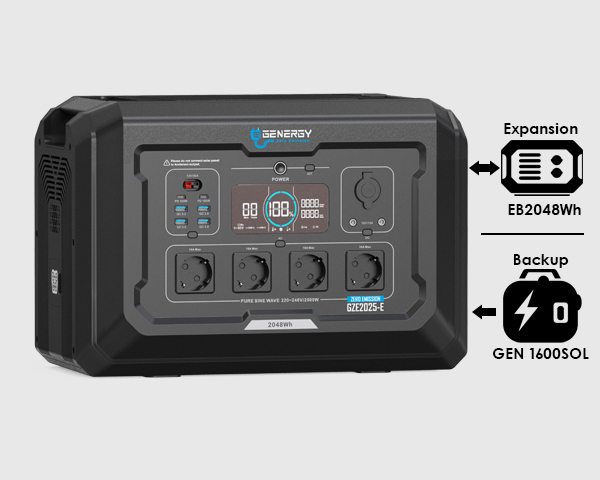
If the goal is to power higher-demand applications or maintain a higher load for longer periods, then we’re talking about a whole different level. In these cases, a solar generator often goes beyond being just a portable device and becomes part of a more comprehensive energy strategy.
So, if you're looking for a more powerful solution, it might make sense to explore scalable systems or even all-inclusive photovoltaic systems, especially when the goal is to grow over time or meet a more consistent need.
What is the difference between a small solar generator and a large one?
The difference isn't just in their physical size. It lies in the types of applications they can handle.
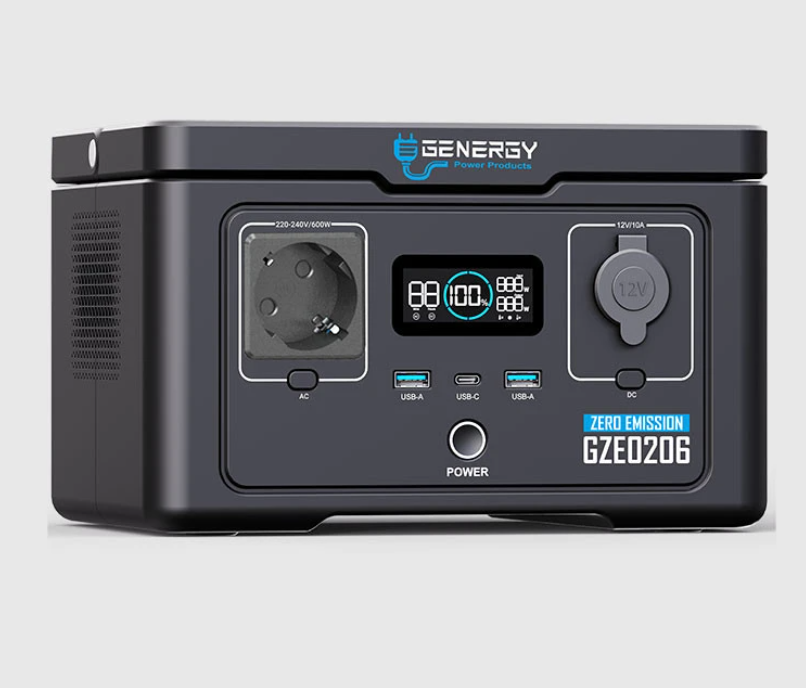
When 200–600 W is enough
This range is typically appropriate for:
- charge personal devices,
- lighting,
- mobile use,
- leisure and getaways,
- basic and specific needs.
Here, comfort is usually the top priority.
When is 1000 W or more recommended?
When the goal is to power more devices at once, run small appliances, or have a more robust backup solution, it starts to make sense to step up to the next level.
When making this purchase, you need to think it through more carefully, because factors like battery life, battery type, size, and potential for future expansion come into play.
When is scalable capacity worth it?
Scalability makes a lot of sense when:
- you don't want to start off too big,
- expects consumption to increase,
- Do you want a gradual investment,
- or you need a solution that can grow with you.
In that scenario, link to scalable systems with 5200W output or scalable systems with 8000W output can be very effective from an SEO perspective, because it directly addresses a more advanced intent within the same cluster.
Advantages and limitations of a solar generator
The best features: quiet operation, portability, and clean energy
The most obvious advantages are usually:
- quiet operation,
- ease of use,
- available energy without direct combustion,
- portability,
- and works well in many everyday situations.
For many people, that balance between autonomy, simplicity, and cleanliness is exactly what makes this type of product so appealing.
Things to consider before buying
We also need to be realistic. Not all solar generators are suitable for every purpose. Before buying, it’s a good idea to think it through:
- what devices you're going to connect,
- how long you need to feed them,
- whether you want to move it or leave it in place,
- or if you're looking for a portable docking station or a more comprehensive backup solution.
Which option makes the most sense if you're looking for something more comprehensive?
Some users start by searching for “the best solar generator” but actually end up needing something more comprehensive than just a portable unit. When that happens, it’s no longer enough to think only about the equipment; you need to consider the system as a whole.
That’s where it might make a lot of sense to explore:
- OFF GRID solar inverter If you're looking for an off-grid solution,
- All-inclusive 2kW solar PV systems for smaller needs,
- All-inclusive 4kW solar PV systems or 6kW solar if you're already considering a more serious domestic application.
This underscores an important point: sometimes the best solar generator isn't a specific portable unit, but rather an energy solution that's better suited to your needs.
Conclusion
The best solar generator is not chosen based on trends or a single figure. It is chosen by considering two questions: how much power you need and what you’re going to use it for.
If you're looking for a portable solution for camping or small devices, your priorities will be portability and reasonable power output. If you want it for power outages or as a backup at home, you should focus on capacity, runtime, and the ability to integrate it with a more comprehensive system. And if your needs go beyond a portable power station, it probably makes more sense to consider a scalable or fully integrated solar power solution.
The best purchase isn't necessarily the biggest one. It's the one that's truly right for you.
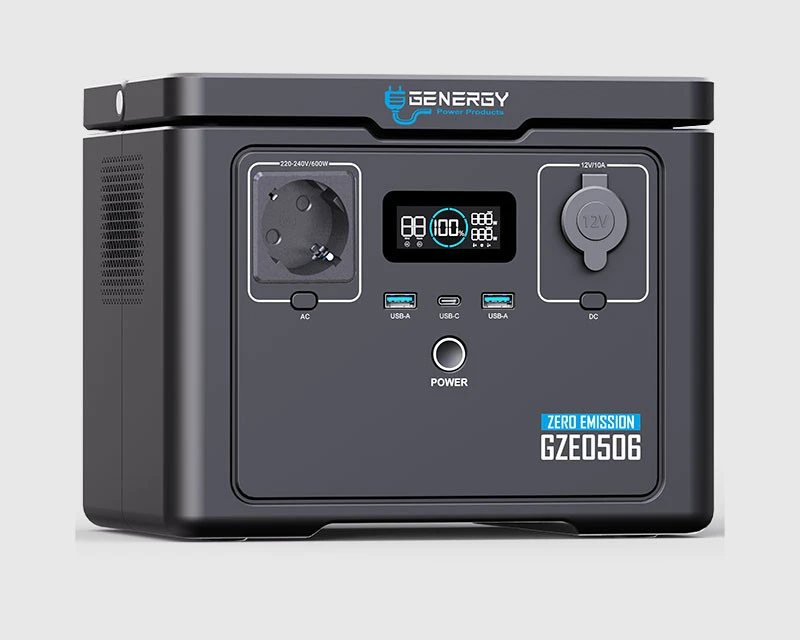
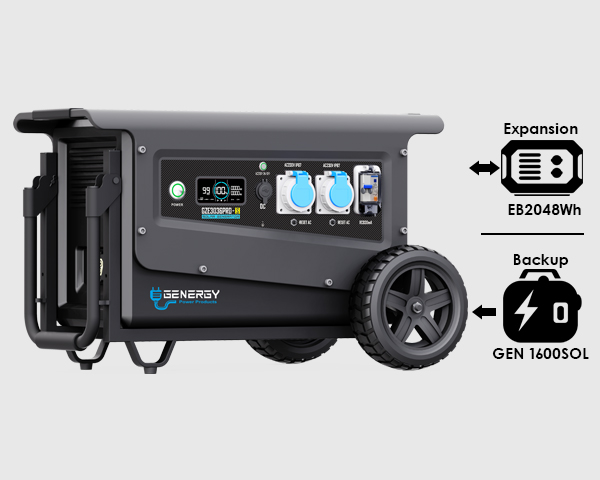
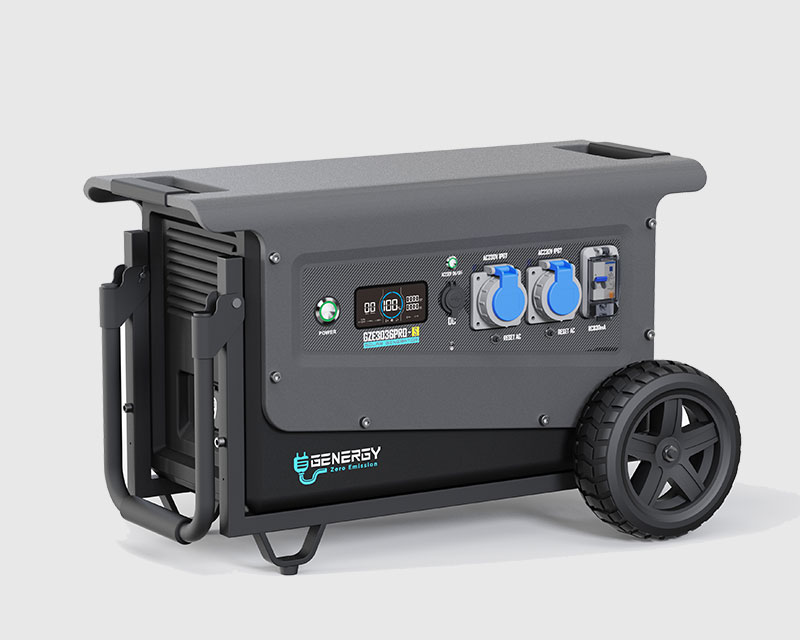
Genergy solar generators that might interest you:
-
 Quick View
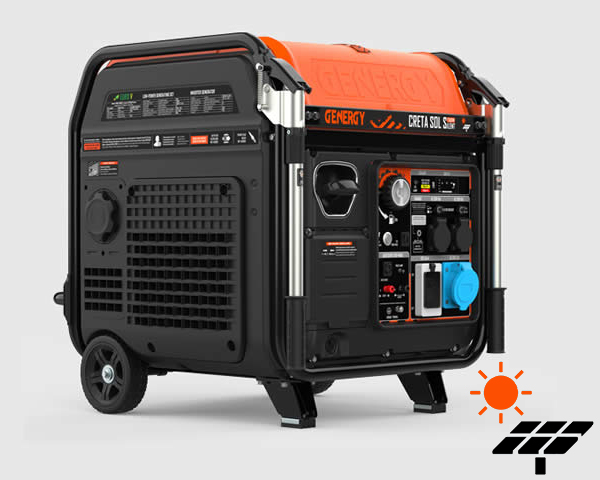
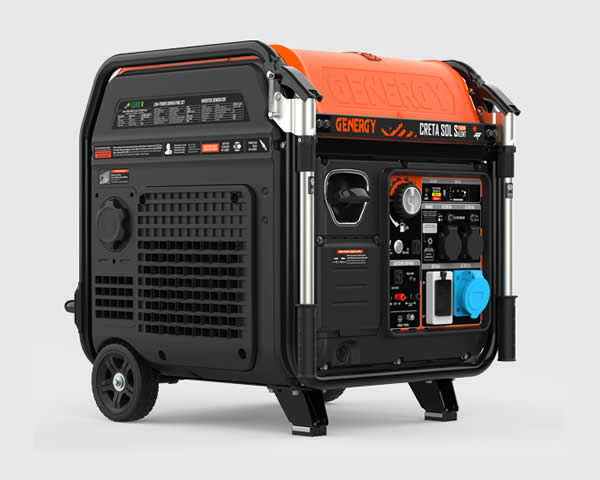
7500W INVERTER GENERATOR WITH SOLAR SUPPORT CRETA SOL SILENT
6,000-watt to 12-kilowatt generator -
-
Frequently Asked Questions About the Best Solar Generator
¿Cuál es el mejor generador solar?
El mejor generador solar es el que mejor se adapta a la potencia que necesitas y al uso que le vas a dar. No conviene el mismo equipo para camping que para respaldo en casa.
¿Qué potencia necesita un generador solar?
Depende de los aparatos que quieras conectar. Cuantos más dispositivos o más exigentes sean, mayor potencia necesitarás.
¿Qué diferencia hay entre potencia y capacidad?
The power rating indicates which devices the unit can power. The capacity indicates how long it can do so.
¿Qué generador solar conviene para camping?
A portable, quiet, and easy-to-carry solution is usually the best choice, with enough power for personal devices and low-power applications.
¿Qué generador solar sirve para una casa en un apagón?
Para un apagón doméstico suele tener más sentido una solución con más capacidad y enfoque de respaldo, no solo una estación pequeña para uso ocasional.
¿Cuándo merece la pena una solución escalable?
Cuando prevés aumentar consumo, quieres una inversión progresiva o necesitas una solución más seria y ampliable con el tiempo.