¿Qué es un generador solar y por qué es la mejor alternativa ante apagones?
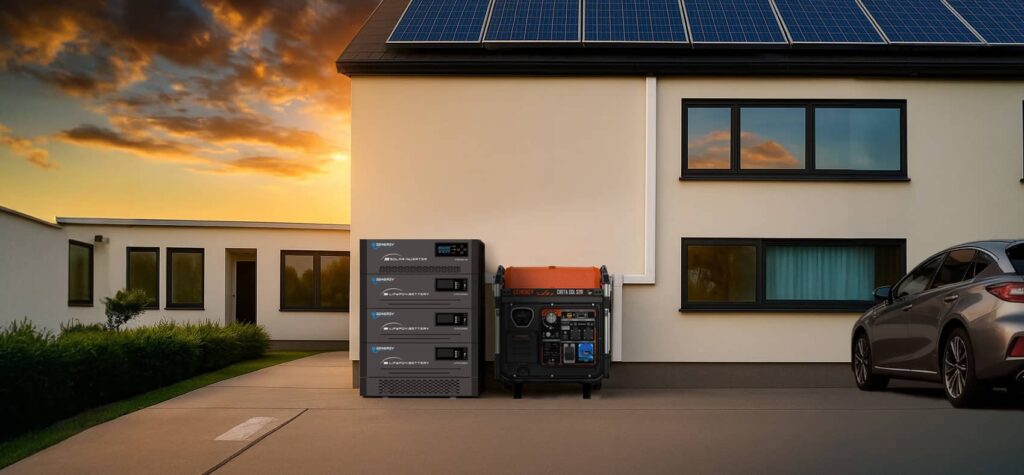
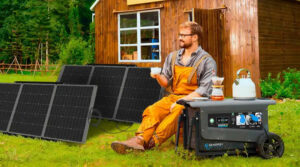
A solar generator is a backup power system that uses the sun’s energy to generate and store electricity, enabling it to power a home, business, or entire facility without relying on the power grid or fossil fuels.
Unlike traditional generators that run on gasoline or diesel, a solar photovoltaic generator combines solar panels, lithium batteries, and smart inverters to provide clean, quiet, and continuous power.
In my experience working with photovoltaic backup solutions, I have found that more and more people are looking for more than just “an eco-friendly alternative”; they are looking for real energy security in the face of prolonged power outages. And that’s where the solar generator makes a clear difference.
How a solar photovoltaic generator works
A solar generator does not “generate” energy through combustion. It works by capturing, converting, and storing solar energy.
Solar panels
Solar panels capture the sun's radiation and convert it into direct current (DC) electricity. This energy can be used immediately or stored.
When we analyze real-world installations, one of the most common questions is: “What if there’s no sun?” The key lies in storage, which we’ll discuss below.
Lithium batteries
Batteries store the energy generated during the day so it can be used when needed: at night or during a power outage.
Today, lithium batteries offer:
- Greater durability
- More charging cycles
- Improved efficiency
- Less maintenance
In properly sized backup systems, runtime can range from several hours to several days, depending on the power consumption of the solar generator .
Smart Inverter
The inverter converts direct current (DC) into alternating current (AC), which is the type of current used by household appliances and electrical equipment.
In addition, modern investors automatically manage:
- Charging and discharging batteries
- Prioritizing between the power grid and solar energy
- Immediate support during power outages
In the business facilities I have evaluated, this automated response is crucial for preventing operational losses.
Differences Between a Solar Generator and a Traditional Generator
Solar Generator | Traditional Generator |
It doesn't use fuel | It runs on gasoline or diesel |
It doesn't make any noise | Noisy |
Zero emissions | It emits polluting gases |
Low maintenance | Requires frequent maintenance |
It can operate automatically | In many cases, it requires manual activation |
The most significant difference is that a solar generator provides energy independence without relying on stored fuel.
In situations involving prolonged power outages, I have seen how traditional systems become limited once fuel runs out, whereas a properly sized solar system can continue to operate on a daily basis.
Benefits of a solar backup generator
Advantage | Why is this important? | Actual impact on a home or business |
Clean and renewable energy | It does not use fossil fuels or produce emissions | Reduces the environmental footprint and eliminates dependence on gasoline or diesel |
Quiet operation | It does not produce mechanical noise | Ideal for homes, offices, and spaces where noise is a problem |
Automatic activation during power outages | The inverter detects the power outage and activates the backup system | Prevent outages in appliances, servers, or machinery |
Protection of electrical equipment | Stable power supply without voltage spikes | Extends the lifespan of sensitive and electronic equipment |
Low maintenance | No oil changes or fuel storage required | Lower operating costs and fewer technical inspections |
Gradual energy savings | You can use solar power even during power outages | It reduces your electricity bill if it is integrated into the main grid |
Energy independence | It allows you to operate without being completely dependent on the power grid | Greater security in the event of prolonged outages or energy crises |
Scalability | It can be expanded with additional panels or batteries | A system that can adapt to growing demand |
Recommended solar backup generators
-
-
-
-
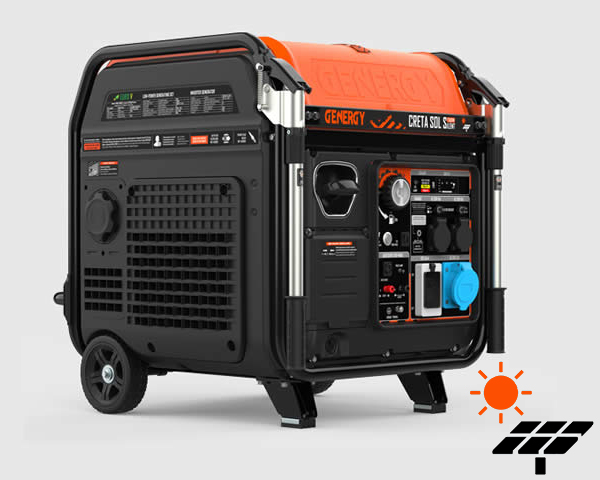
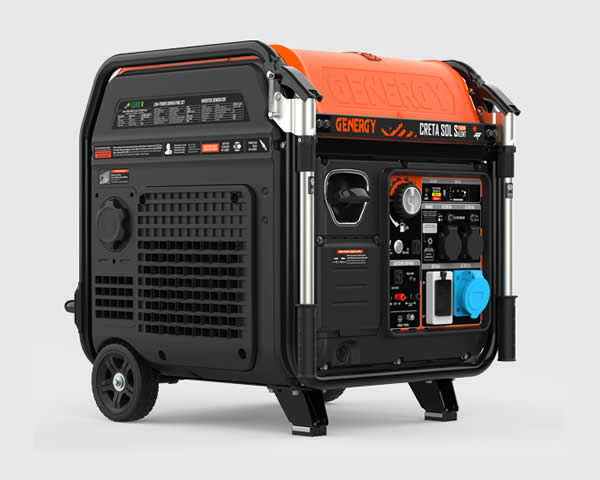 Quick View
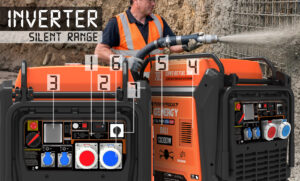
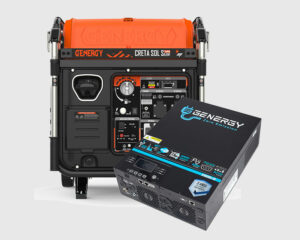
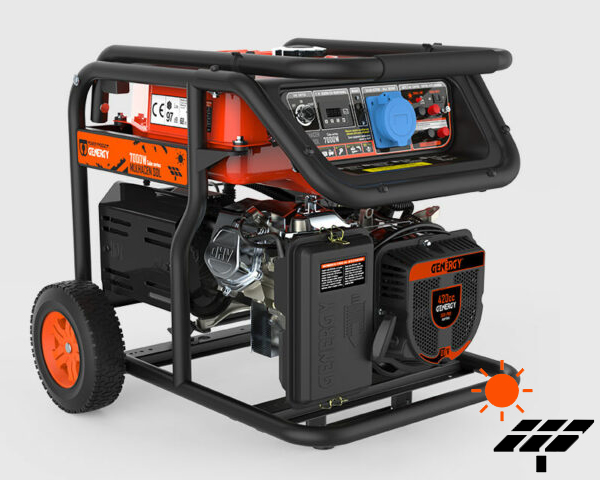
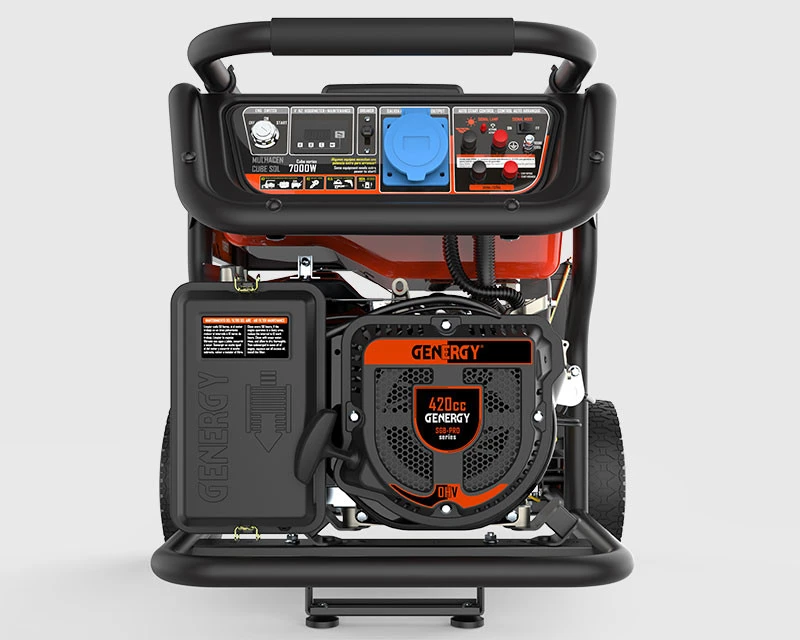
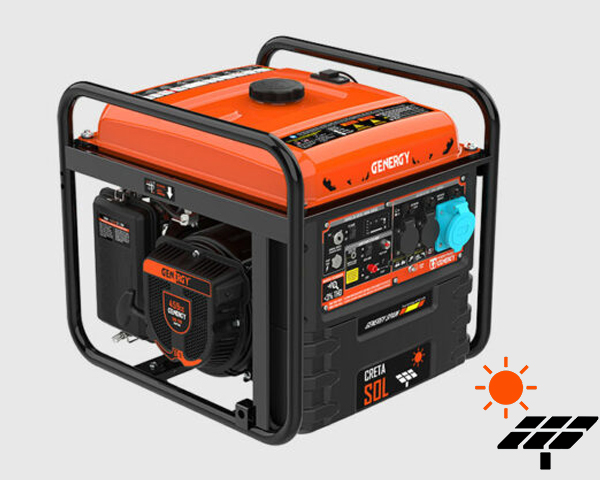
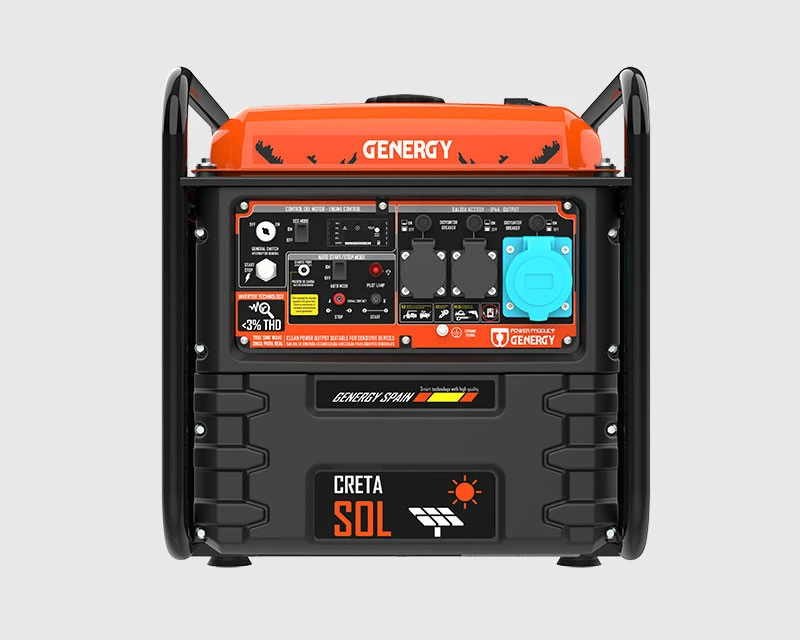
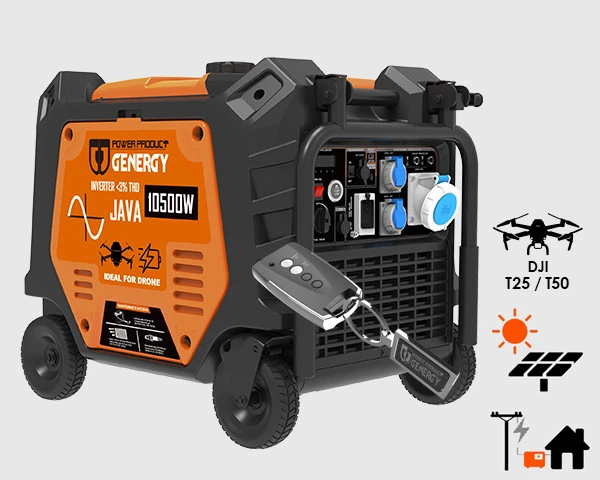
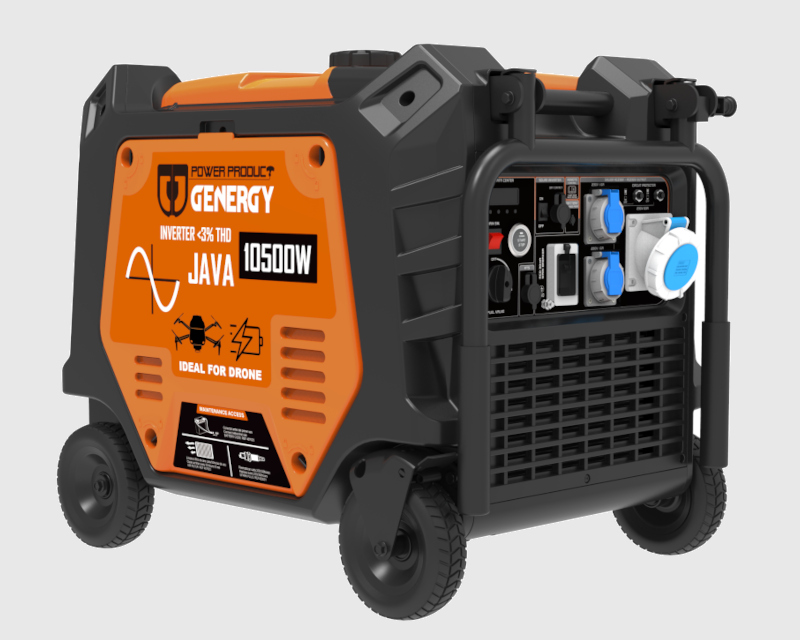
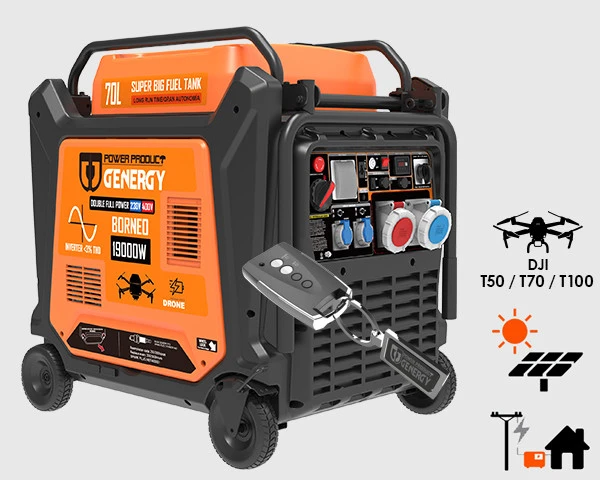
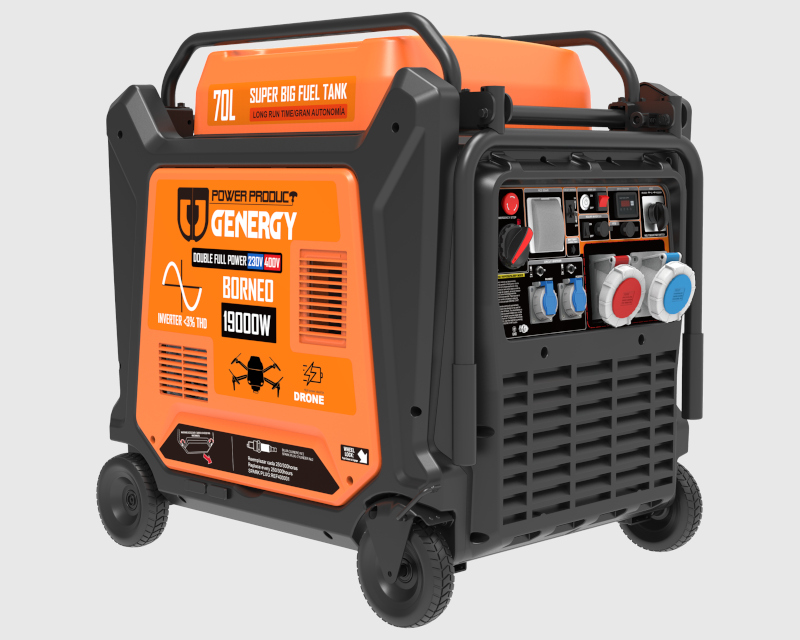
7500W INVERTER GENERATOR WITH SOLAR SUPPORT CRETA SOL SILENT
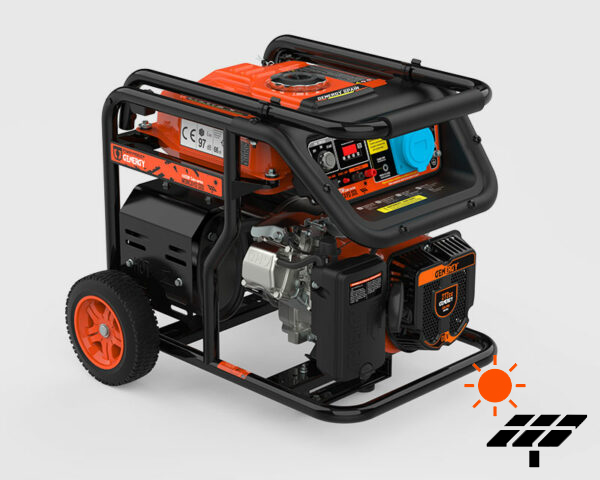
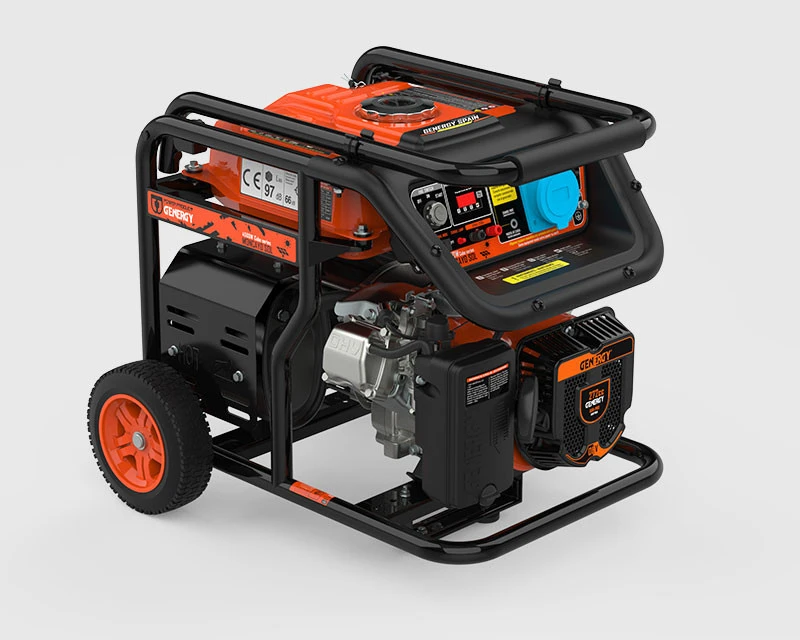
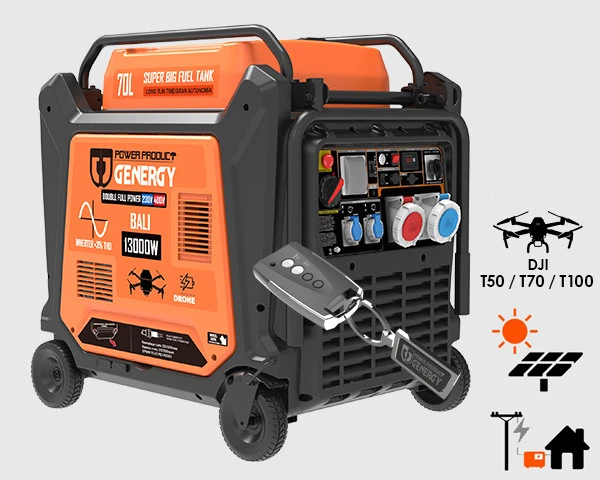
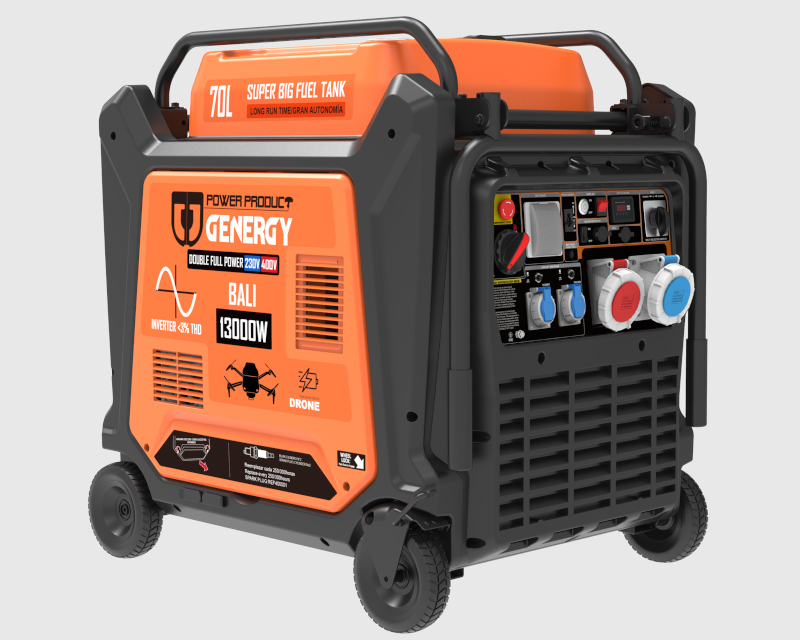
6,000-watt to 12-kilowatt generator -
-
-
Can a solar generator power an entire home or business?
Yes, as long as it is properly sized.
Capacity will depend on:
- Inverter power
- Battery capacity
- Number of solar panels
- Total energy consumption
A small system can power lighting, a router, and a refrigerator.
A more robust system can power an entire home or critical commercial facilities.
How much runtime does a solar generator provide?
Range depends on:
- Storage capacity (kWh)
- Daily intake
- Solar radiation conditions
- Usage Strategy
I have found that when the system is designed with a true backup approach—and not just as a solar supplement—its runtime is sufficient to cover extended power outages without sacrificing comfort or safety.
When is the right time to invest in a solar generator?
It is especially recommended when:
- There are frequent power outages.
- Sensitive equipment needs to be protected.
- The goal is energy independence.
- The goal is to reduce dependence on fossil fuels.
- Business continuity is critical.
More and more households and businesses are realizing that it is not an expense, but an investment in energy security.
Conclusion: Is a solar generator worth it?
If your priority is to ensure a continuous power supply that is quiet, fuel-free, and emission-free, the answer is yes.
A solar backup generator is currently the cleanest, quietest, and most efficient solution for dealing with power outages. It also protects sensitive equipment and ensures business continuity for both homes and businesses.
It's not just about sustainability—it's about peace of mind.
Frequently asked questions
What exactly is a solar generator?
A solar generator is an off-grid power system that generates and stores energy from solar panels, using lithium batteries and inverters to supply electricity during power outages or when users want to operate independently of the grid.
How does a solar generator work during a power outage?
When a power outage occurs, the inverter detects the loss of power and automatically switches to the energy stored in the batteries. If the sun is shining, the panels continue to charge the system. This keeps appliances and equipment running without interruption.
Can a solar generator power an entire house?
Yes, provided it is properly sized. A solar generator can power an entire home if the inverter's output and the battery capacity are designed to match the home's total energy consumption.
How long does a solar generator last?
Battery life depends on storage capacity (kWh) and electricity consumption. A properly sized system can provide anywhere from several hours to several days of continuous power during prolonged outages.
Is a solar generator better than a gasoline-powered one?
Yes, in most cases. A solar generator is quieter, emits no polluting gases, requires less maintenance, and does not rely on fuel. In addition, it can operate automatically without manual intervention.
Does a solar generator work without sunlight?
Yes. Although the panels need sunlight to generate power, the system continues to operate thanks to the electricity stored in the batteries. That’s why it’s essential to have sufficient storage capacity.
What kind of maintenance does a solar generator require?
Maintenance is minimal. We simply recommend periodically checking the condition of the panels and the electrical system. Unlike traditional generators, it does not require oil or fuel changes.