How an electric generator works: easy guide
By the Genergy technical team · Spanish manufacturer of generators and generator sets (+15 years) · updated July 2026 · 8 min read.
Table of contents
- What an electric generator is and what it does
- How it works step by step
- Main parts of a generator
- Alternating or direct current: alternator and dynamo
- Gasoline generator and diesel generator set
- Types of electric generator
- What an electric generator is used for
- Which generator you need for your use
- Conclusion
- Frequently asked questions
What an electric generator is and what it does
An electric generator is a machine that converts mechanical energy into electrical energy. That motion can come from a combustion engine (gasoline or diesel), but also from a water turbine, wind or pressurized steam. What matters is not where the rotation comes from, but what happens to it afterwards.
Here is the most common misunderstanding: many people say the generator "produces" energy. In reality it doesn't produce it, it converts it: it always needs a prior source of motion. Without rotation, without mechanical force, there is no electricity. A generator is present in countless places, from an emergency generator set to a large power plant, and understanding how it works helps you choose the right equipment and interpret its limits.
What a generator transforms (and what it doesn't do)
A generator doesn't invent or multiply energy: it takes an input energy (mechanical) and converts it into another (electrical). That is why losses exist: part of the energy is dissipated as heat, friction and noise, so no generator is 100% efficient. The principle, however, is always the same: use motion to induce current in a conductor.
How an electric generator works step by step
Its operation is based on electromagnetic induction: when a conductor is exposed to a changing magnetic field, current is generated in it. The sequence is as follows:
- A mechanical source (gasoline or diesel engine, turbine, wind…) provides the motion.
- That motion spins the rotor, which creates a magnetic field.
- As it rotates inside the stator, the magnetic field changes continuously relative to the coils.
- That variation induces the movement of electrons in the stator conductors.
- That orderly flow of electrons is the electric current, which is stabilized and delivered through the outlets.
From motion to magnetic field, and from field to current
It all starts with a mechanical energy source that transmits its rotation to the rotor. As it spins, the rotor continuously changes the position of the magnetic field, which is the necessary condition for induction: without rotation there is no change in the field, and without a change in the field no current is generated. That varying field acts on the stator coils and induces in them a potential difference that sets the flow of electrons in motion. The complete sequence is: mechanical source → rotor rotation → change in magnetic field → induction in the stator → electric current.
Main parts of an electric generator
| Part | Function |
|---|---|
| Engine | Provides the motion by burning fuel (gasoline or diesel) or through another mechanical source. |
| Alternator | Rotor + stator assembly that converts rotation into electricity. |
| Rotor | Rotating part; creates the magnetic field that spins inside the stator. |
| Stator | Fixed part with the coils where the current is induced. |
| Coils | Conductors where the current is generated; their design determines performance. |
| Brushes and commutator | In some designs, they transfer or rectify the current (this is what distinguishes dynamos from alternators). |
| Regulator (AVR) | Keeps the output voltage stable. |
| Outlet panel | Delivers the current: 230 V single-phase or 400 V three-phase. |
The two key components are the rotor (the moving part, attached to the engine shaft, which creates the field variation) and the stator (the fixed part that picks up that change in its coils and converts it into usable electricity). The rotor causes the change; the stator picks it up. The engine is the component that provides the motion: without it —or without another source of rotation— the alternator would have nothing to convert.
Alternating or direct current: alternator and dynamo
Although the induction principle is the same, not all generators deliver the same type of current:
| Type | Current it generates | Where it is used |
|---|---|---|
| Alternator | Alternating current (AC), which periodically changes direction | Vehicles, generator sets, installations and modern systems |
| Dynamo | Direct current (DC), which flows in a single direction | Historical applications; useful for explaining the concept |
Most current generators are alternators and produce alternating current, which is what we use at home and in industry. That is why, when someone talks about a "power generator", they almost always mean an alternating current generator; an alternator is, strictly speaking, a type of generator optimized to deliver AC efficiently.
How a gasoline generator and a diesel generator set work
When the motion is provided by a combustion engine, the fuel changes but the principle does not. In a gasoline generator, a gasoline engine spins the alternator: these are light, affordable and quiet units, ideal for low-to-medium power and occasional use. In a diesel generator set, a diesel engine drives the same type of alternator, but designed for intensive, continuous use: more efficient, more durable and with high power outputs, ideal for backup, construction sites or industry.
Gasoline or diesel only change how the rotation is achieved. Electricity generation —rotor, stator, induction— is identical in both. That is why "how a gasoline generator works" and "how a generator set works" have the same underlying answer. (More about what a generator set is.)
Types of electric generator
| Type | What sets it apart | Ideal for |
|---|---|---|
| Inverter | Electronics that deliver very stable current; lighter and quieter. | Sensitive electronics, camping, home use. |
| Conventional | More raw power and runtime for a lower price. | Construction sites, tools, large loads. |
| Gasoline | Light and affordable to buy. | Low-to-medium power, occasional use. |
| Diesel | More efficient and durable in intensive use. | High power, continuous use, backup. |
| Single-phase (230 V) | Like a household outlet. | Homes and most uses. |
| Three-phase (400 V) | For machinery and high power outputs. | Industry, workshops, large motors. |
What an electric generator is used for
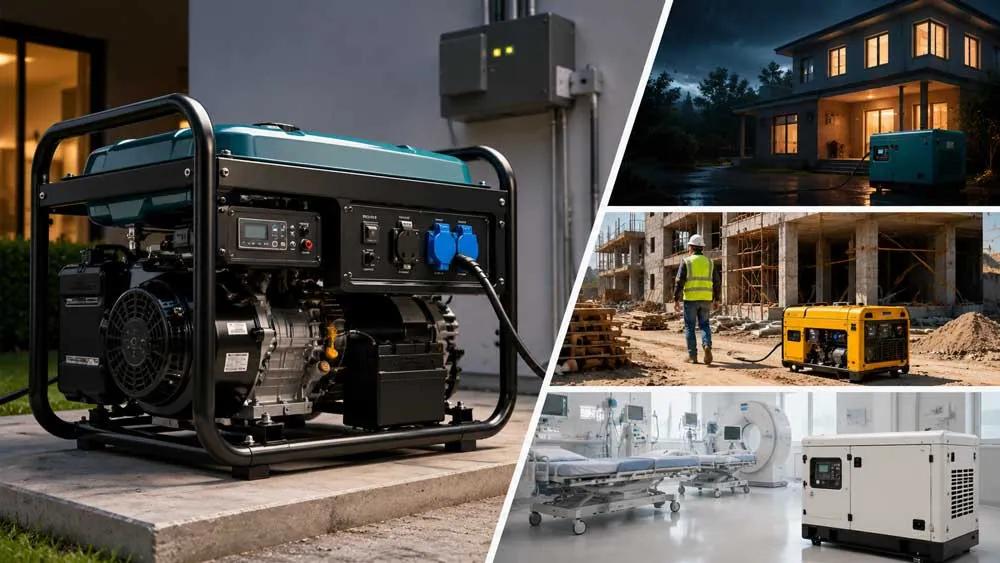
Knowing how it works naturally leads to what it is for: having electricity where the grid doesn't reach or when it fails. The most common uses are blackout backup in homes and businesses, construction and tools without a power supply, events, camping and leisure, agriculture (irrigation pumps) and industry that needs continuity. The same principle serves a small camping inverter and an industrial generator set of tens of kVA: the size and the fuel change, not the physics.
Which generator you need for your use
Understanding how it works helps you choose well. Filter by type to see the equipment that fits your case:
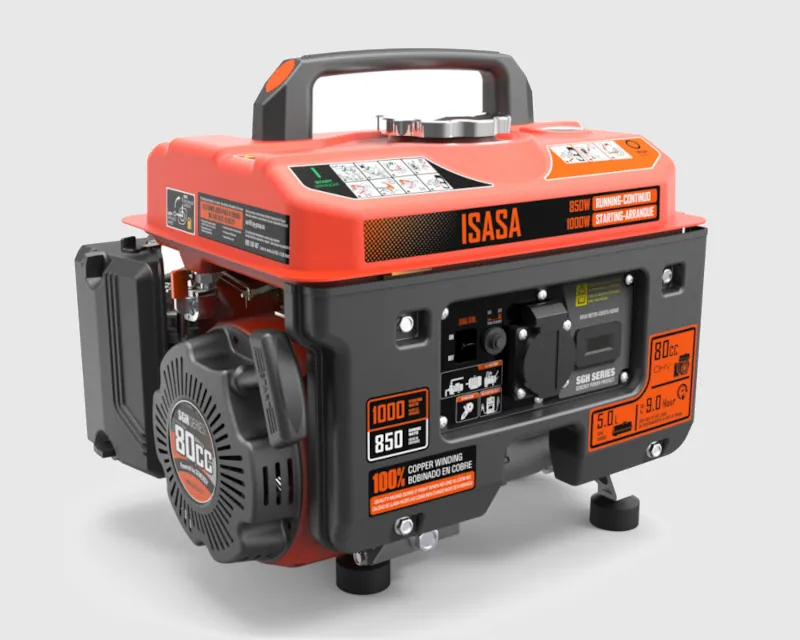
Isasa 1000W Generator
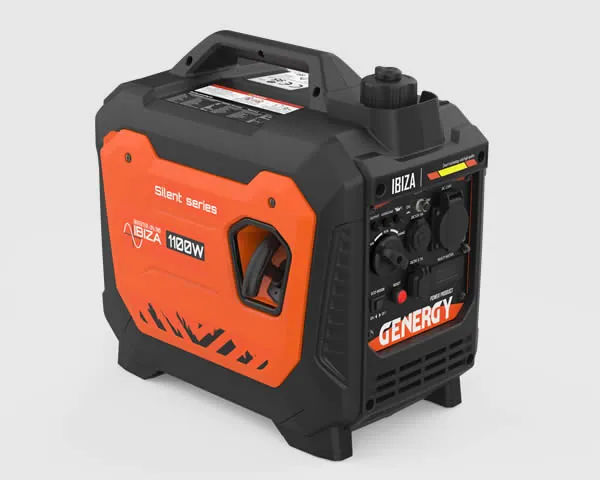
Ibiza 1100W Generator
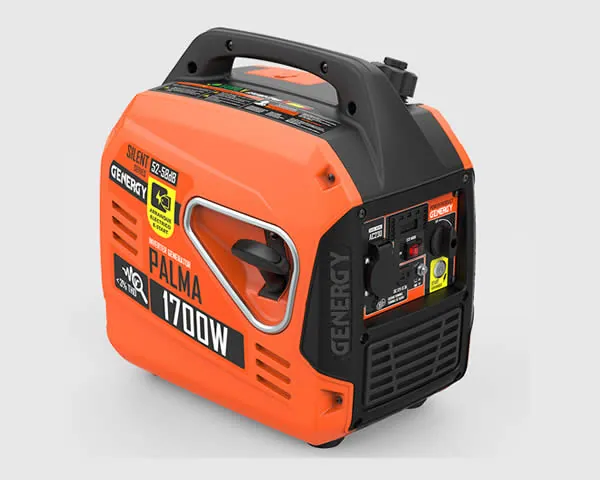
Palma 1700W Generator
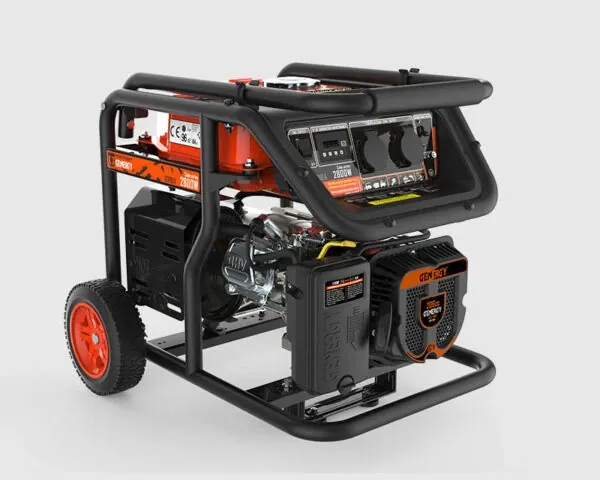
Generador Gorbea 2800W
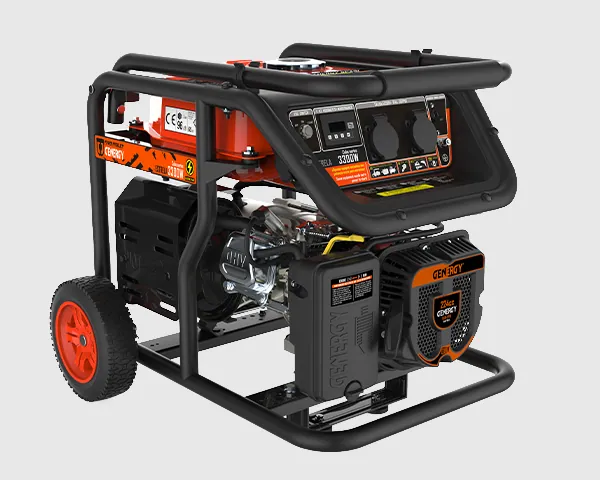
Generador Estrela 3300W
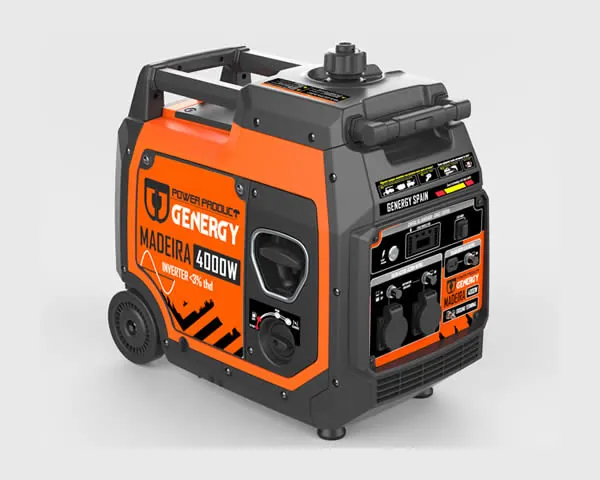
Madeira 4000W Generator
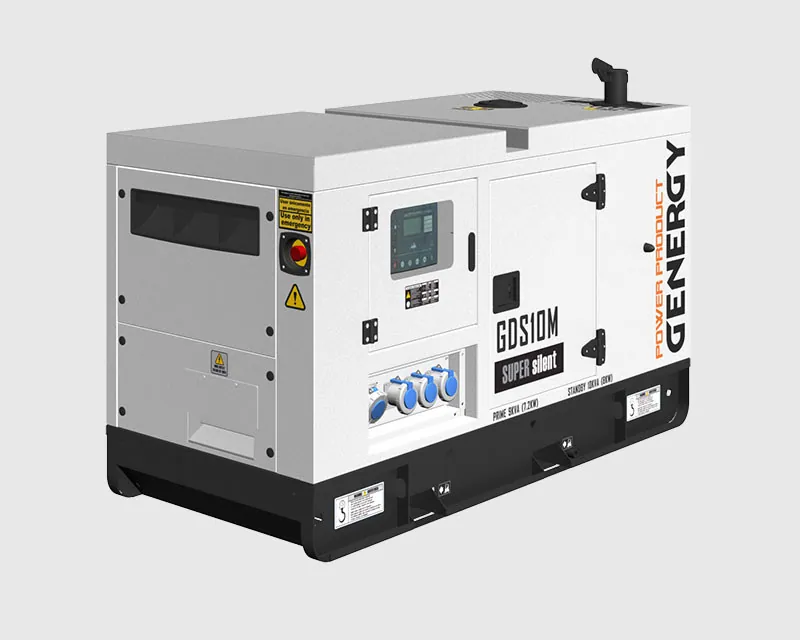
Grupo electrógeno GDS10M
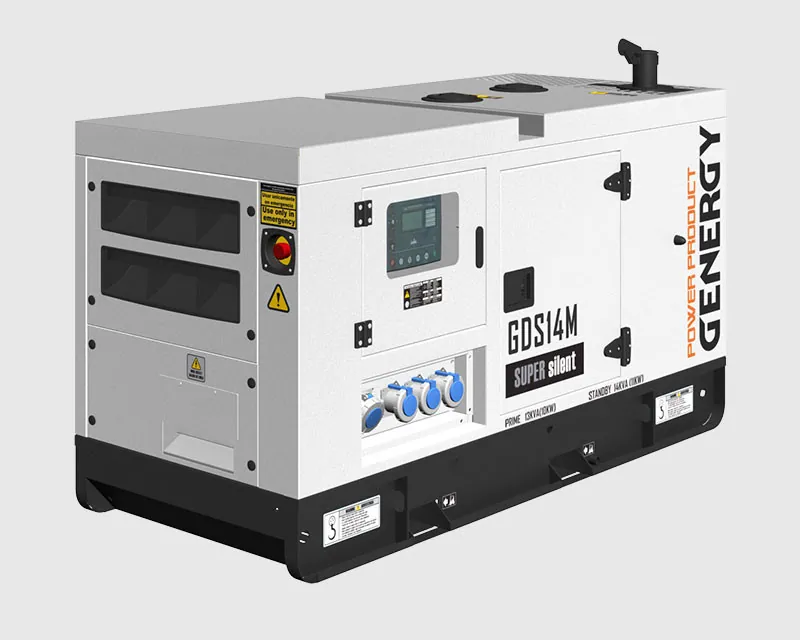
Grupo electrógeno GDS14M
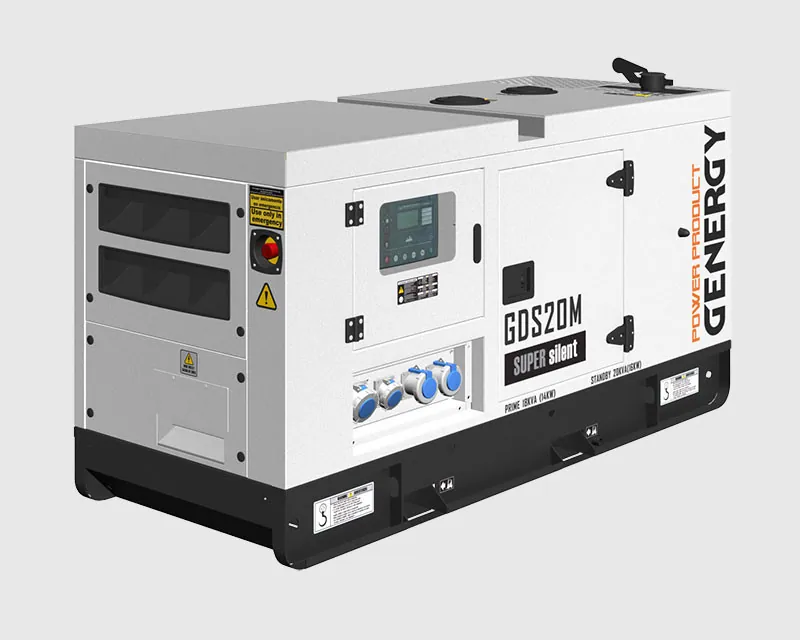
Grupo electrógeno GDS20M
👉 See the full range: Electric generators · Gasoline inverter · Diesel · Three-phase. Any questions? Talk to a technician.
Which generator fits your use?
Tell us what you want to power and where (home, construction site, camping, backup) and we will help you choose the right type and power. No obligation.
Talk to a Genergy technicianConclusion
An electric generator works by transforming mechanical energy into electrical energy through electromagnetic induction: the rotor spins, creates a changing magnetic field and the stator induces current in its coils. In short: it converts motion into electricity through the interaction between magnetism and conductors. From there, what matters is choosing the right type —inverter or conventional, gasoline or diesel, single-phase or three-phase— according to your real use.
Related categories
Related topics
Frequently asked questions
What is an electric generator?
It is a machine that converts mechanical energy (motion) into electrical energy. An engine or a turbine spins the rotor and, through electromagnetic induction, current is generated in the stator coils. It doesn't create energy: it transforms it from a prior source of rotation.
How does an electric generator work, explained simply?
It converts motion into electricity. A rotor spins inside a stator, the magnetic field changes and that change induces current in the coils. In one sentence: motion plus a changing magnetic field plus coils equals electricity.
What are the parts of an electric generator?
The main ones are the engine (provides the rotation), the alternator (rotor + stator, which converts the rotation into electricity), the coils where the current is induced, the voltage regulator (AVR) and the outlet panel. The rotor creates the changing field and the stator picks it up.
What does a generator need to produce electricity?
A mechanical energy source (an engine, a turbine, wind…), a rotor, a stator with coils and a changing magnetic field. Without motion there is no change in the field, and without a change in the field no current is generated.
Does a generator generate energy or transform it?
It transforms it. This is the most important clarification: it doesn't create energy from scratch, it takes mechanical energy and converts it into electrical energy. That is why there are always losses from heat, friction and noise, and no generator is 100% efficient.
What is the most important part of an electric generator?
There isn't just one: the rotor and the stator work together. Without the rotor's rotation and without the stator's coils, the system cannot generate current. The engine, for its part, is essential because it provides the motion that sets everything in motion.
What is the difference between alternating and direct current?
Alternating current (AC) periodically changes direction; direct current (DC) flows in a single direction. Depending on the type of generator, the output will be one or the other: an alternator produces AC (the kind used at home) and a dynamo produces DC.
Are an electric generator and an alternator the same thing?
Not exactly. The alternator is a type of generator, normally designed to produce alternating current efficiently. All alternators are generators, but not all generators are alternators (the dynamo produces direct current).
How does a gasoline generator work?
A gasoline engine spins the alternator; the rest of the process (induction in the rotor and stator) is identical to any generator. They are light units, ideal for low-to-medium power and occasional use. Switching to diesel only changes how the rotation is achieved, not the generation.
Why is current produced when the rotor spins?
Because the rotation makes the magnetic field change relative to the stator coils, and that change induces the movement of electrons: the electric current. It is the electromagnetic induction described by Faraday's law.
Can an electric generator work without an engine?
It can work without a combustion engine, but not without a source of motion. Instead of an engine there can be a turbine, wind or water spinning the rotor. What is essential is the motion, not that it comes from a gasoline or diesel engine.