




Gasoline-Powered Motor Pump
Showing 11results, sorted by most recent
-
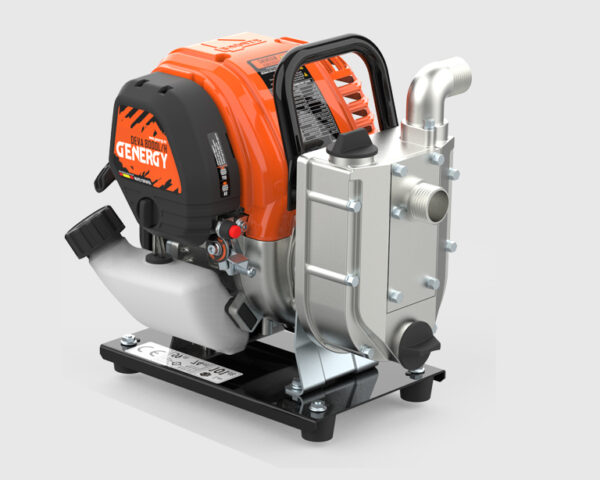 8.000 L/H 29, meters
 -
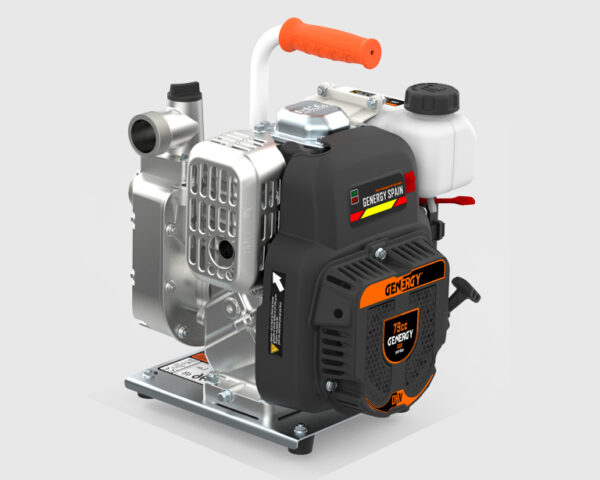 13.000 L/H 15, meters
 -
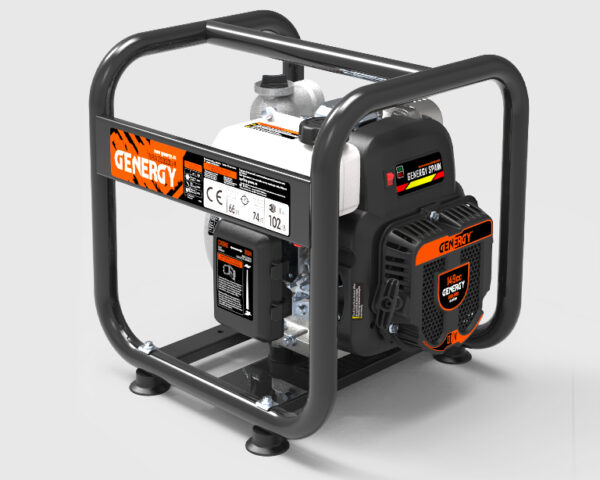 35.000 L/H 28, meters
 -
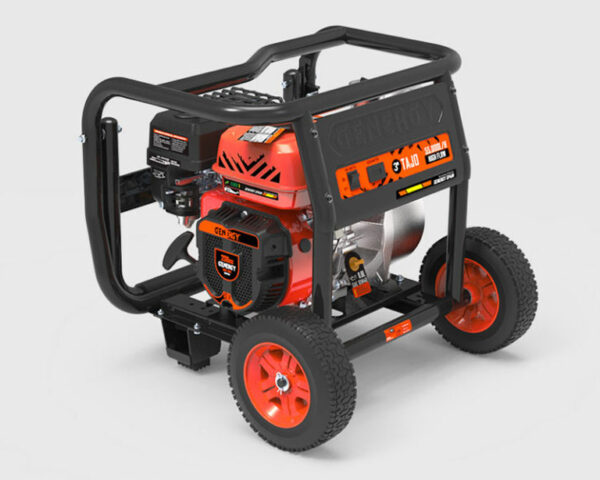 55.000 L/H 30, meters
 -
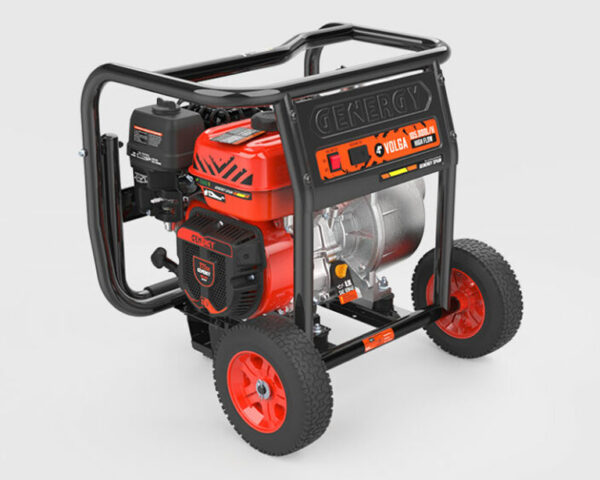 105.000 L/H 25, meters
 -
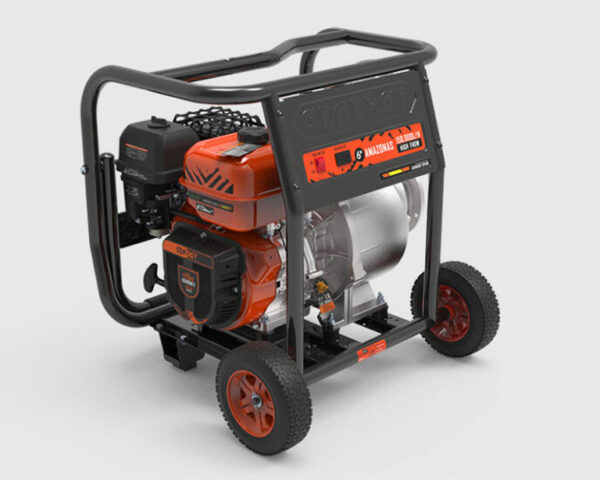 150.000 L/H 20, meters
 -
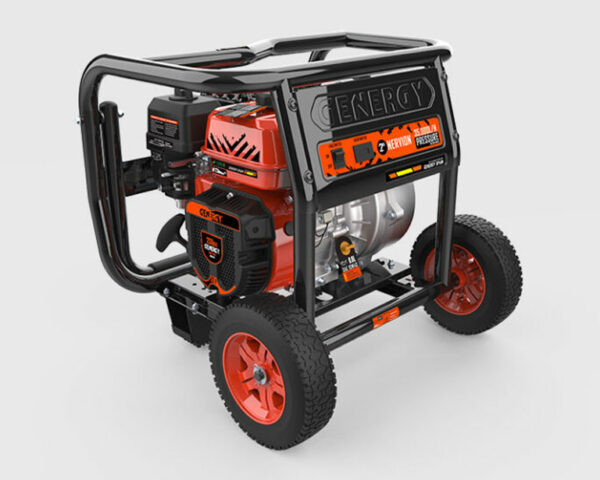 35.000 L/H 50, meters
 -
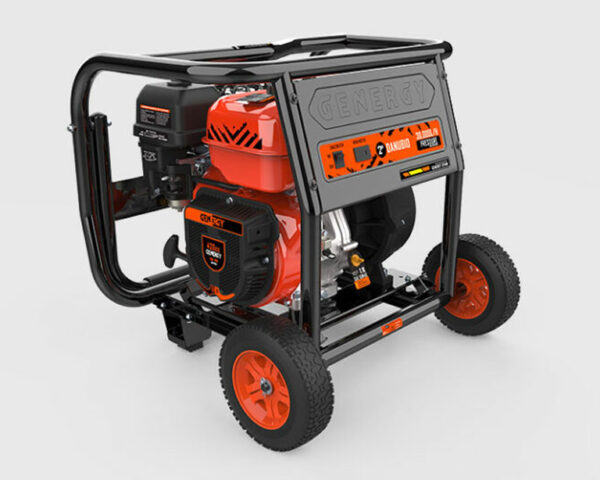 30.000 L/H 95, meters
 -
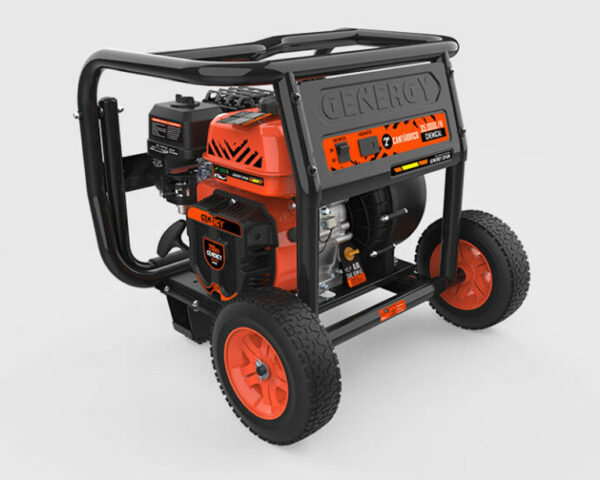 35.000 L/H 30, meters
 -
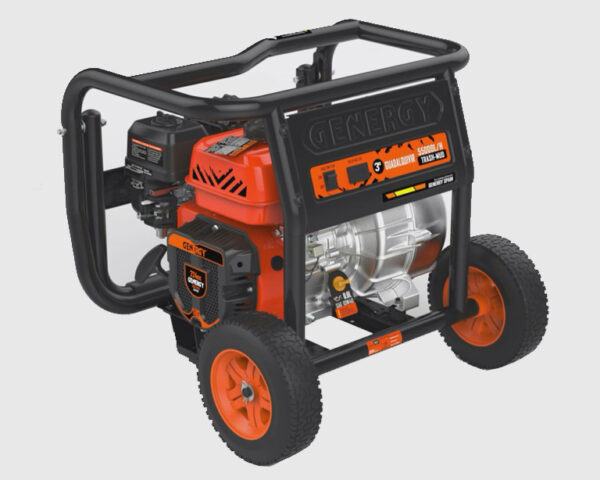 55.000 L/H 30, meters
 -
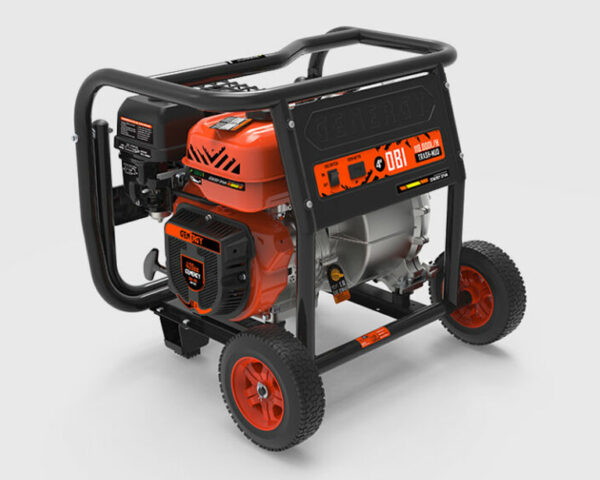 110.000 L/H 30, meters
Gasoline-powered motor pumps: 8,000 to 150,000 liters per hour
11 models · 8,000 to 150,000 liters per hour · 15 to 95 m
Gasoline-powered water engines from Genergy: 11 models, ranging from the most compact to the one with the highest flow rate in the catalog. They are selected based on two specifications—flow rate and head—rather than power. Warranty Genergy, as well as SAT and replacement parts in Spain.
-
105.000 L/H 25, meters
-
13.000 L/H 15, meters
-
150.000 L/H 20, meters
-
30.000 L/H 95, meters
-
35.000 L/H 28, meters
-
55.000 L/H 30, meters
-
8.000 L/H 29, meters
-
35.000 L/H 30, meters
-
55.000 L/H 30, meters
-
35.000 L/H 50, meters
-
110.000 L/H 30, meters
What is a motor pump, and who is this product line intended for?
A gasoline-powered motor pump—what many people simply call a water motor or gasoline-powered water pump—is a centrifugal pump attached to an internal combustion engine, designed to move water in places where there is no nearby electrical outlet: a farm, a well, a construction site, a swimming pool, or a flooded area.
The lineup Genergy It has 11 models named after rivers, starting with the Deva (the most manageable) up to the Amazonas (the one with the highest flow rate, 150,000 L/h) and the Danubio (the one that pumps water the highest, 95 m). They aren't chosen based on "power": they're chosen based on flow rate—how much water they move per hour—and head—how high they can pump it or how much pressure they provide—and those two numbers almost never go hand in hand in the same model. If you're still not sure how the device works, our guide to How a Motor Pump Works It explains it step by step; here, we'll go straight to choosing a model. If you also need to use a tool in a place where there's no power, check out our motor-driven air compressors, pressure washers and portable generators: the rest of the line of gasoline-powered machinery Genergy.
- 150.000 L/hthe highest flow rate in the lineup (Amazonas)
- 95 mthe tallest model in the lineup (Danubio)
- 11water pump models, one for every need
- 3 yearswarranty Genergy for individuals
- SAT in Spain: Technical Service and Genuine Parts
Flow Rate or Head? The Two Numbers That Determine Your Motor Pump
This is the most common misconception when buying a submersible pump: people look for “the most powerful” one, but in reality, there are two characteristics that work at cross-purposes. A pump that moves a lot of water isn’t usually the one that can lift it the highest, and vice versa.
Flow rate (liters per hour)
How much water the motor pump can move in an hour when operating horizontally or with a slight incline. This is what matters when volume is the issue: draining quickly, watering a large area, or pumping out floodwater. It is measured in L/h, and the range is from 8,000 to 150,000 L/h.
Manometric head (meters)
How high the water can rise, or how much pressure it can deliver at the outlet. That’s what matters when the water is at the bottom and needs to reach the top: a deep well, an elevated tank, or a hose with irrigation pressure. It is measured in meters of water column and ranges from 15 to 95 m.
No model in the lineup excels at both tasks at the same time, and that's to be expected: they have different impeller and motor designs. The Amazonas It can empty a swimming pool or a flooded warehouse in no time, but the water level barely rises 20 meters. The Danubio It does exactly the opposite: it moves much less volume per hour, but it is capable of pumping water from a deep well or filling a rooftop tank. Between those two extremes, the rest of the line offers a range of intermediate options to handle almost any elevation difference and any volume.
How to Calculate the Height You Need
Measure the actual head: the vertical distance from the water's surface (the bottom of the well, the pond, or the flooded area) to the highest point where the water needs to flow out. Add to that the pressure loss due to friction in the hose: the longer the hose and the smaller its diameter, the more pressure is lost along the way, so the actual height required is always greater than the head measured with a tape measure.
Friction losses depend on the actual diameter and length of your system, as well as the elbows and valves in the hose: there is no single figure that applies to all cases. If you’re unsure, let us know your elevation difference and hose length via the contact form, and we’ll help you choose a model with a sufficient margin.
What do you need your water pump for?
Ten real-life situations, along with the number that applies to each one and the model that best solves it.
Draining a Pool
Low head and high flow rate: what matters is liters per hour, not the head. The Amazonas 150,000 L/h can empty a large pool in no time; for residential pools, the Volga 105,000 L/h or the Obi 110,000 L/h are more than enough.
Pumping out water after a flood or a flooded basement
The sooner the water comes out, the better: always prioritize flow over head, unless you need to pump it several stories high. Amazonas or Volga for high volume; Turia 35,000 L/h for a basement or garage.
Irrigation of a farm from an irrigation ditch or reservoir
You need to move a lot of water and also build up some pressure to distribute it to several sprinkler heads. Tajo or Guadalquivir, both at 55,000 L/h and 30 m, are the typical balance for agricultural irrigation.
Pumping water from a deep well
Here, it's the head that matters, not the flow rate: a high-capacity motor pump is useless if it can't lift the water from the bottom of the well. The Danubio 95 m is the water pump in the lineup designed for the greatest elevation difference.
Filling an elevated tank
Pumping water to an elevated tank—a turret, a roof, or a higher point on the property—is a matter of height, not volume. Danubio or, if the tank isn’t that high, Nervión: 35,000 L/h and 50 m.
Trench Excavation and Backfilling
Smaller volumes, intermittent use, operated by a single person. The Deva (8,000 L/h and 29 m ) or the Cidacos (13,000 L/h and 15 m): the lightest and most maneuverable models in the lineup for moving from trench to trench.
Transfer between tanks or ponds
It all depends on whether the reservoirs are at the same level (flow rate) or whether the water has to be pumped from one to the other (head). The Turia at 35,000 L/h and 28 m, or the Cantabrian at 35,000 L/h and 30 m, can handle most water transfers involving some elevation difference.
Farm or watering holes
Fill farm waterers or tanks daily, without needing to lift water to great heights. Cidacos or Turia, depending on the distance between the intake point and the watering troughs.
Cleaning and Rinsing
Hosing down a warehouse, a courtyard, or a work area requires a bit of pressure at the nozzle rather than a massive flow rate. Turia or Cantábrico, with a height of 28–30 m to provide reasonable pressure to the hose.
Agricultural use with high surface flow
Flood irrigation or rapid filling of agricultural ponds on virtually flat terrain. Obi 110,000 L/h or Volga 105,000 L/h, when volume is more important than head.
Which of the 11 motor pumps?
Sorted from lowest to highest flow rate. The two numbers that determine the choice are side by side.
| Model | Flow Rate | Height | What is it for? |
|---|---|---|---|
| Deva | 8.000 L/h | 29 m | Construction, trenches, light-duty use |
| Cidacos | 13.000 L/h | 15 m | Farm, watering troughs, light use |
| Danubio | 30.000 L/h | 95 m | Deep well, elevated tank |
| Turia | 35.000 L/h | 28 m | Water transfer, flushing, farm |
| Nervión | 35.000 L/h | 50 m | Mid-height tank |
| Cantábrico | 35.000 L/h | 30 m | Transfer, flushing, cleaning |
| Tajo | 55.000 L/h | 30 m | Agricultural Irrigation from a Canal or Reservoir |
| Guadalquivir | 55.000 L/h | 30 m | Agricultural Irrigation from a Canal or Reservoir |
| Volga | 105.000 L/h | 25 m | Drainage and High-Flow Irrigation |
| Obi | 110.000 L/h | 30 m | Agricultural use with very high flow rates |
| Amazonas | 150.000 L/h | 20 m | Draining Pools, Mitigating Flooding |
Flow Rate and Head, from the product catalog of Genergy. The engine, displacement, bore, weight, and fuel tank capacity for each model are listed in its specifications: click on the name to view them.
Why a Motor Pump? Genergy
11 models, one elevation change for each one
From 15 to 95 meters in height and 8,000 to 150,000 L/h in flow rate: the widest range available, so you don't have to push a model beyond its operating range.
150,000 L/h at the Amazonas
The highest flow rate in the entire line of gasoline-powered machinery Genergy, for drainages and flooding that can't wait.
95 m at the Danubio
The water pump in this series is designed for the greatest elevation differences: deep wells and very high reservoirs.
Named for flow and height, not for marketing
Each product listing specifies its liters per hour and meters of water column, so you can make your choice based on actual data rather than adjectives.
Warranty Genergy
3 years for individuals and 1 year for businesses on the entire range of motor pumps.
SAT and Replacement Parts in Spain
In-house technical service and parts: the motor pump is back in operation without relying on a foreign manufacturer.
Gas-powered motor pump, electric pump, or submersible pump
A gasoline-powered motor pump isn't always the best option. Here's how to choose between the three most common technologies.
| Criterion | Gasoline-Powered Motor Pump | Electric Surface Pump | Submersible pump |
|---|---|---|---|
| Where it works | Anywhere, without power | You need a power outlet nearby | It needs power; it goes underwater |
| Typical flow rate | High: up to 150,000 L/h | More limited | Medium, depending on the model |
| Noise | Internal combustion engine: you can really tell | Silent | Silent, since it is submerged |
| Best for | Occasional, intensive use away from a power source: construction sites, rural areas, emergencies | Frequent household use with a handy plug: watering the garden, transferring liquids | Permanent, installed well or drainage system with a power source available |
| Choose… | If there's no power where the water is, or if you need a high flow rate right now | If it's for light use and you do have a power outlet nearby | If the pump is to be permanently installed inside the well or cistern |
If your problem isn't just pumping water but also that there's no power in the area—for lighting, tools, or the electric pump itself—you'll need a generator: check out our electric generators.
Motor Pumps Genergy on video
Motor Pumps from Genergy
Motor Pumps from Genergy
Motor Pumps from Genergy
Motor Pumps from Genergy
Motor Pumps from Genergy
Motor Pumps from Genergy
Motor Pumps from Genergy
Motor Pumps from Genergy
Motor Pumps from Genergy
Motor Pumps from Genergy
Amazonas: 150,000 L/h and 20 m
What kind of motor pump do you really need?
Official videos from the channel Genergy. The one in the series has a version for each language (es, en, fr, pt, de, it, ua, pl, ru, ar) and displays the version for the language in which you are currently browsing; the other two are published only in Spanish.
Why Buy Your Gas-Powered Water Pump at Genergy
- ✓Spanish brandGenergy It is a manufacturer that has had its own technical team since 2007.
- ✓Genergy warranty: 3 years for residential customers and 1 year for businesses.
- ✓Technical Support and Replacement Parts in Spain: Technical support and genuine parts for the entire product line.
- ✓We'll help you figure it out. Just tell us your head and the required flow rate, and we'll let you know which model is right for you.
Frequently Asked Questions About Motor Pumps
¿Qué es una motobomba y para qué sirve?
¿Qué es una motobomba?
¿Cuáles son los tipos de motobombas de agua?
¿Cuál es la mejor motobomba de agua?
¿Cuál es la diferencia entre caudal y presión?
¿Cómo calculo la altura que necesito?
¿Qué diámetro de manguera debo usar?
¿Sirven para aguas sucias o solo para agua limpia?
¿Motobomba de gasolina o bomba eléctrica?
¿Qué mantenimiento necesita una motobomba?
¿Se puede dejar una motobomba funcionando sola muchas horas?
¿Qué pasa si la motobomba trabaja en seco?
Motor Pumps by Sector
The same 11 models, grouped by who wears them every day.
Irrigation from a ditch, pond, or well
High flow rate for flood irrigation (Obi, Volga) or elevation for deep wells and elevated storage tanks (Danubio, Nervión). The most common use of the product line.
Construction dewatering and ditches
Lightweight and easy-to-handle models for backfilling trenches, foundations, or basements under construction: Deva and Cidacos.
Floods and Civil Protection
When you need to remove a lot of water quickly and there's no power available: Amazonas and Volga, because of its flow rate.
Pool Draining and Maintenance
Quick drains before a repair or before winter: Amazonas u Obi, depending on the pool's volume.
Water troughs and farm water tanks
Daily refilling of drinking troughs and reservoirs from a well or reservoir: Cidacos and Turia, because it's easy to use.
Rinsing and Decanting
Moderate pressure for hosing down buildings or yards, or for transferring water between irrigation tanks: Turia and Cantábrico.
Before You Buy: How a Motor Pump Works
If you're still getting the hang of the device, start here. This page is for choosing a model; the guide explains how it works.
Not sure which motor pump you need?
Tell us your actual elevation difference and how many liters you need to move per hour, and we'll respond via the contact form with the model that best fits your needs. Warranty Genergy and after-sales service in Spain.




