




Quiet Generator for Motorhomes and Campers
A motorhome generator is a portable device that provides off-grid power while on the road when there is no nearby power outlet: it charges the vehicle's batteries and powers the refrigerator, electronics, and other equipment in the motorhome.
At Genergy, you'll find compact 230 V generators for motorhomes, campers, and camper vans, including low-noise, stable-current inverter models designed to ensure a peaceful trip and avoid disturbing others while you're staying overnight.
- 1,000–3,300 Wrangoof power
- Safe Current Inverterfor Electronics
- Quiet—perfect for an overnight stay
- Compactand easy-to-carry laptop
Genergy's In-House Manufacturing and After-Sales Service · 2026 Catalog
What is a motorhome generator?
A generator for a motorhome or camper is a portable device that produces electricity when there is no nearby power outlet, giving you true autonomy while traveling. It’s used to charge the vehicle’s batteries and to directly power essential equipment: the refrigerator, lights, computer, router, chargers, and—with enough power—a coffee maker, microwave, or even the air conditioner. It’s the perfect solution for those who take long trips, spend the night away from campgrounds with power outlets, or want to avoid relying on solar power.
Before choosing a model, you should consider the power requirements of the appliances you’ll be using, which ones will run at the same time, their startup surges, the available space in the RV, and the permitted noise level at the overnight camping site. Inverter models are the most recommended for motorhomes: they provide a stable, clean current (safe for sensitive electronics) and adjust the motor to meet demand, so they consume less power and are quieter.
Models for Motorhomes and Campers
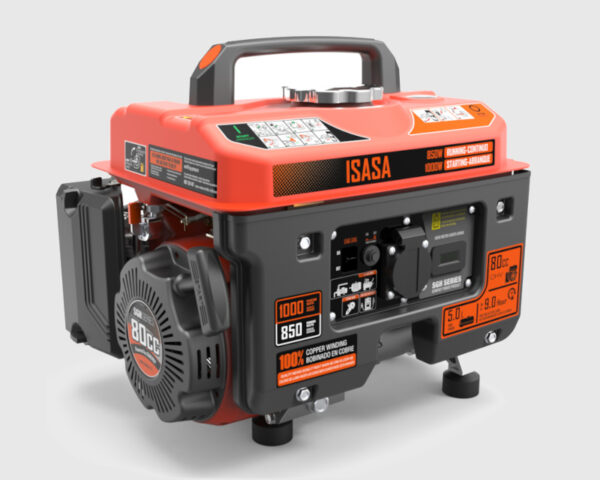
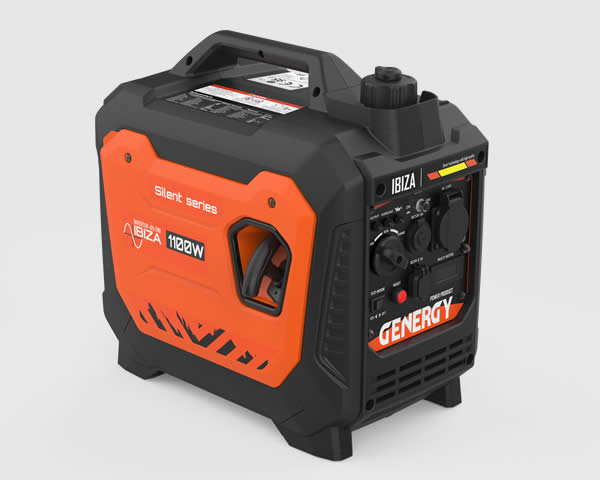
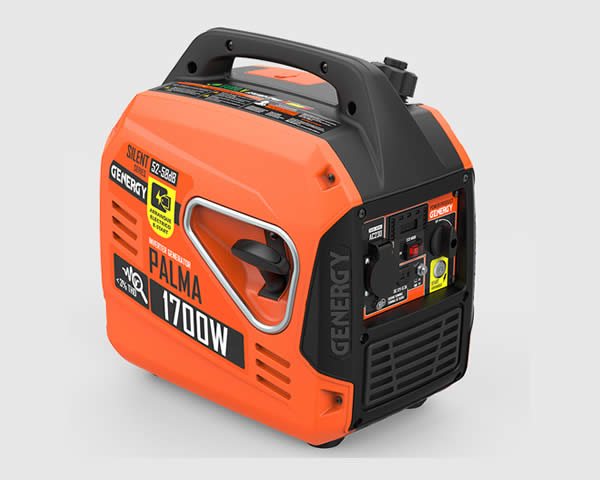
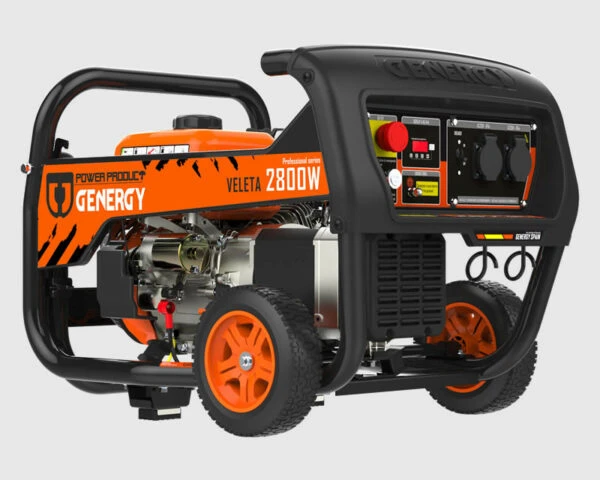
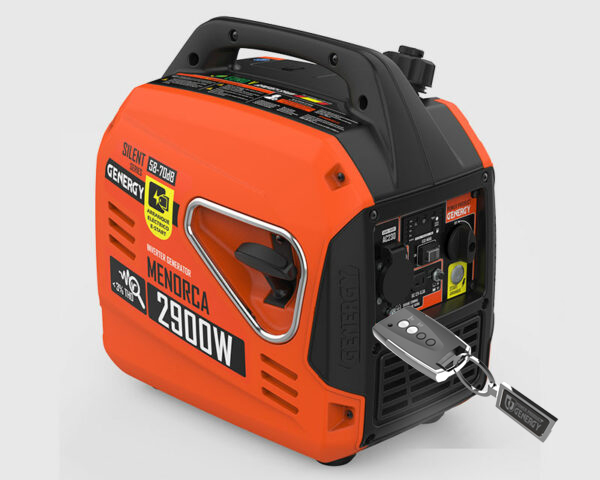
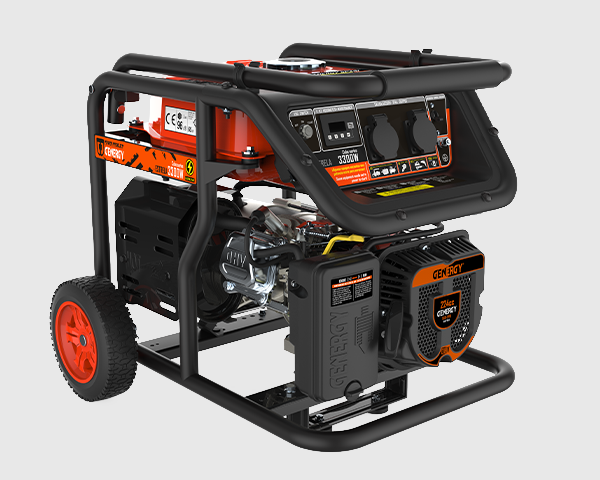
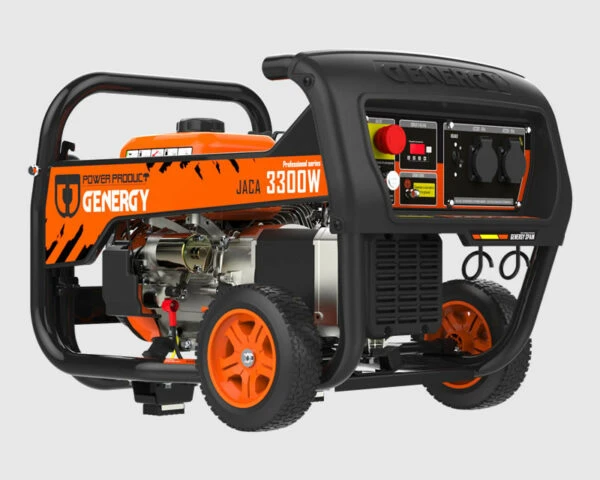
Compact and portable. Those labeled as "inverter" are the most recommended for RVs: they’re quiet and provide a safe power supply for electronics. Filter by wattage based on what you want to plug in.
How much power do you need in your RV?
Guideline based on usage. Add up the power ratings of the appliances that will be running at the same time and add a 20–30% margin to account for the startup surges of motors and compressors (refrigerator, air conditioner).
| Use in a motorhome | Approximate power | Recommended Models |
|---|---|---|
| Charge cell phones, computers, and lights | 1.000 – 1.500 W | Isasa 1,000 W, Ibiza 1,100 W |
| Refrigerator, TV, and small appliances | 1.500 – 2.000 W | Palma 1,700 W |
| Coffee maker, microwave, or hair dryer | 2.000 – 3.000 W | Veleta 2,800 W, Menorca 2,900 W |
| Air Conditioning and Multiple Appliances at Once | 3,000 W or more | Estrela 3,300 W, Jaca 3,300 W |
Key Features
Stable current (inverter)
Inverter models provide clean, surge-free power that is safe for sensitive electronics in the RV: computers, TVs, routers, and chargers.
Silence During the Overnight Stay
The engine is adjusted as needed: less noise so as not to disturb passengers in the rest area or other travelers.
Compact and lightweight
Designed for the limited space in a camper: easy to store and transport.
Charging Batteries
They can power the vehicle's battery charger when there isn't enough sunlight or when power consumption is high.
Smooth Start
Manual, electric, or remote start (up to 50 m, depending on the model) for easy ignition.
Air-conditioning-ready
Models rated at 3,000 W or higher can power air conditioning systems, provided you always check the compressor's peak startup current.
Features, Benefits, and Integrations
Features
- Providing Off-Grid Power While on the Road
- Charging the vehicle's batteries
- Power the refrigerator, lights, TV, and electronics
- Moving a coffee maker, microwave, or air conditioner (depending on power consumption)
- Provide a stable current supply for sensitive devices (inverter)
Benefits
- Range on long trips and in areas without outlets
- Quiet for the night and rest
- Compact and easy to carry in the RV
- Reliable backup when the sun isn't enough
- Easy to use, no technical knowledge required
Integrations
- Vehicle Battery Charger
- Solar panels and a solar power station as a backup
- Refrigerators, Air Conditioning, and Small Appliances
- Audiovisual and Telework Equipment
- Camper Electrical System (with Proper Installation)
Gasoline, battery, or solar power
There is no single answer: for many travelers, the best setup combines all three options.
Gasoline Generator
It provides power as long as there is fuel and delivers high power output. Ideal as a weather-independent backup power source and for high-demand applications such as air conditioning.
Power Station / Battery
Quiet and emission-free during use, perfect for everyday use and spaces where a combustion engine won't fit. Its range depends on the battery capacity. See the lineup at Zero Emission.
Solar panels
They recharge the battery during the day using sunlight, making them ideal for long trips. Check out the portable solar panels.
Uses on the Road
Charging the vehicle's batteries
Recharge the battery when sunlight isn't enough or after several days of use.
Refrigeration and Preservation
Keep your food cold throughout the entire trip without needing an outlet.
Electronics and Telework
Computers, routers, and cameras with a stable power supply thanks to the inverter.
Kitchen and Comfort
Coffee maker, microwave, or hair dryer—the models with the highest power output.
Air Conditioning
Air conditioning in the summer using units rated at 3,000 W or more, checking the starting peak.
A peaceful night's sleep
Quiet models designed not to disturb people in rest areas and campgrounds.
Safety: Never inside the vehicle
A combustion generator should never be used inside a motorhome, camper, garage, or enclosed awning: the exhaust fumes must be vented outside. Place it outside on a stable, well-ventilated surface; direct the exhaust away from doors and windows; do not refuel while the engine is hot; and use cables rated for the appropriate power output. It is highly recommended to have a carbon monoxide detector inside the vehicle.
Genergy Generators for RVs and Campers: A Video
Quiet operation and clean power for your journey: discover Genergy inverter generators.
Why Buy Your Generator from Genergy
- ✓Manufacturer, not a reseller. Original Genergy motor and in-house design, with over a decade of experience.
- ✓Quiet Inverter Models: Clean powerand low noise, ideal for RVs and electronics.
- ✓Compact and Portable Options: Equipmentdesigned for the limited space of a motorhome.
- ✓In-house After-SalesService: Technical support and spare parts directly from Genergy.
- ✓Solar and Zero Emission alternatives, as well as emission-free battery-powered solutions for those who prefer them.
- ✓Technical Advice: We help you determine the right power output based on your vehicle and fuel consumption.
Frequently Asked Questions
How much power does a motorhome generator need?
For lighting, appliances, and small devices, between 1,000 and 1,500 W is usually sufficient. For a refrigerator, television, and small appliances, 1,500 to 2,000 W. For a coffee maker, microwave, or hair dryer, 2,000 to 3,000 W. And an air conditioner or several appliances running at the same time can draw 3,000 W or more. Add up the simultaneous power consumption and add a margin of 20–30%.
Is an inverter generator better for a camper?
Yes, especially if you're connecting sensitive electronic devices. The inverter provides a more stable voltage and generally produces less noise and draws less power when the load is low, which is highly valued when traveling.
Can a generator power an air conditioner?
Yes, provided that its continuous power rating and starting capacity are sufficient. You should check both the compressor's rated power consumption and its peak starting power, which is usually significantly higher.
Can the generator be used inside the RV?
No. Combustion generators are to be used only outdoors, in well-ventilated areas, and in accordance with the manufacturer's safety guidelines regarding exhaust fumes.
Does a generator charge the motorhome's battery?
Yes, you can power the vehicle's battery charger if the system is compatible. The connection must be made in accordance with the specifications of the generator, the charger, and the RV's electrical system.
Gasoline or diesel for a camper?
Gas-powered generators offer runtime as long as there is fuel and deliver high power; solar generators are quiet and emission-free during use, but their runtime depends on the battery. Many travelers combine solar panels, a power station, and a gas generator as a backup.
Power ratings and energy consumption figures are approximate and vary depending on the model and the connected devices.
Not sure which model to choose?
Tell us what you want to power in your motorhome or camper, and we'll help you choose the ideal generator—with the right balance of power, weight, and quiet operation. Genergy Total Warranty.




