




How a Generator Set Works: From Fuel to Power
By the Genergy technical team · Spanish manufacturer of generators and backup systems (15+ years) · updated July 2026.
A generator set works by converting the chemical energy of a fuel —usually diesel or gasoline— into mechanical energy by means of a combustion engine. That motion spins an alternator, and the alternator transforms the rotation into electrical energy that can power equipment, tools, homes, businesses or industrial facilities.
The key idea is that a generator set does not "create" electricity out of nothing. First it converts fuel into motion; then, that motion is turned into electric current by the alternator. Inside the alternator, the rotor spins within a magnetic field and induces current in the stator.
That is why, when we talk about a generator set, we are not talking about just an engine, but a complete assembly made up of the engine, alternator, fuel tank, cooling system, exhaust, control panel, starter battery and electrical regulation systems.
What a Generator Set Is and What It Is Used For
A generator set (also called a generating unit or generator system) is a machine designed to produce electricity autonomously. It is used when no mains power is available, when backup is needed in case of power outages, or when machinery, tools, critical equipment or temporary installations need to be powered.
Its main function is to transform fuel into electricity. To achieve this, it combines two basic elements: a combustion engine, which generates motion, and an alternator, which converts that motion into electricity. Other systems then control the voltage, protect the equipment, cool the engine and allow safe operation.
A generator set can be used in many contexts: homes with frequent power outages, building sites without an electrical connection, workshops and businesses, industry, events, farms or remote areas, emergency systems, and medical equipment, servers or critical installations. The central idea is simple: if you need electricity and the mains is unavailable or insufficient, a generator set can act as a primary or backup source.
Difference Between a Generator Set and an Electric Generator
In everyday use, many people say "generator set" and "electric generator" as if they were exactly the same thing, and in practice they are well understood. However, there is a small technical difference. A generator set is the complete assembly: engine, alternator, tank, exhaust, cooling, control panel and protections. An electric generator can refer to the complete equipment or, more specifically, to the part that generates electricity. That is why anyone looking for an electric generator is normally looking for a solution capable of producing electricity autonomously, whether portable, domestic, professional or industrial.
| Term | What it means |
|---|---|
| Generator set | Complete assembly that produces electricity with an engine and an alternator |
| Electric generator | Common name for equipment that generates electricity |
| Alternator | Part that transforms motion into electricity (rotor + stator) |
| Engine | Part that transforms fuel into motion |
| Control panel | Area from which the equipment is started, monitored and protected |
Common Uses: Home, Building Site, Business and Industry
A generator set can have very different uses depending on its power, fuel, size and type of electrical output. At home it can keep lights, a refrigerator, a router, a water pump or some appliances running during an outage; for that, home generators are of interest, designed for domestic needs and basic backup. On a building site it can power tools, lighting, compressors or light machinery. In a business it prevents downtime, and in industry it covers more demanding loads, heavy machinery or critical systems; for those cases a professional, high-power industrial generator usually makes more sense.
How a Generator Set Works Step by Step
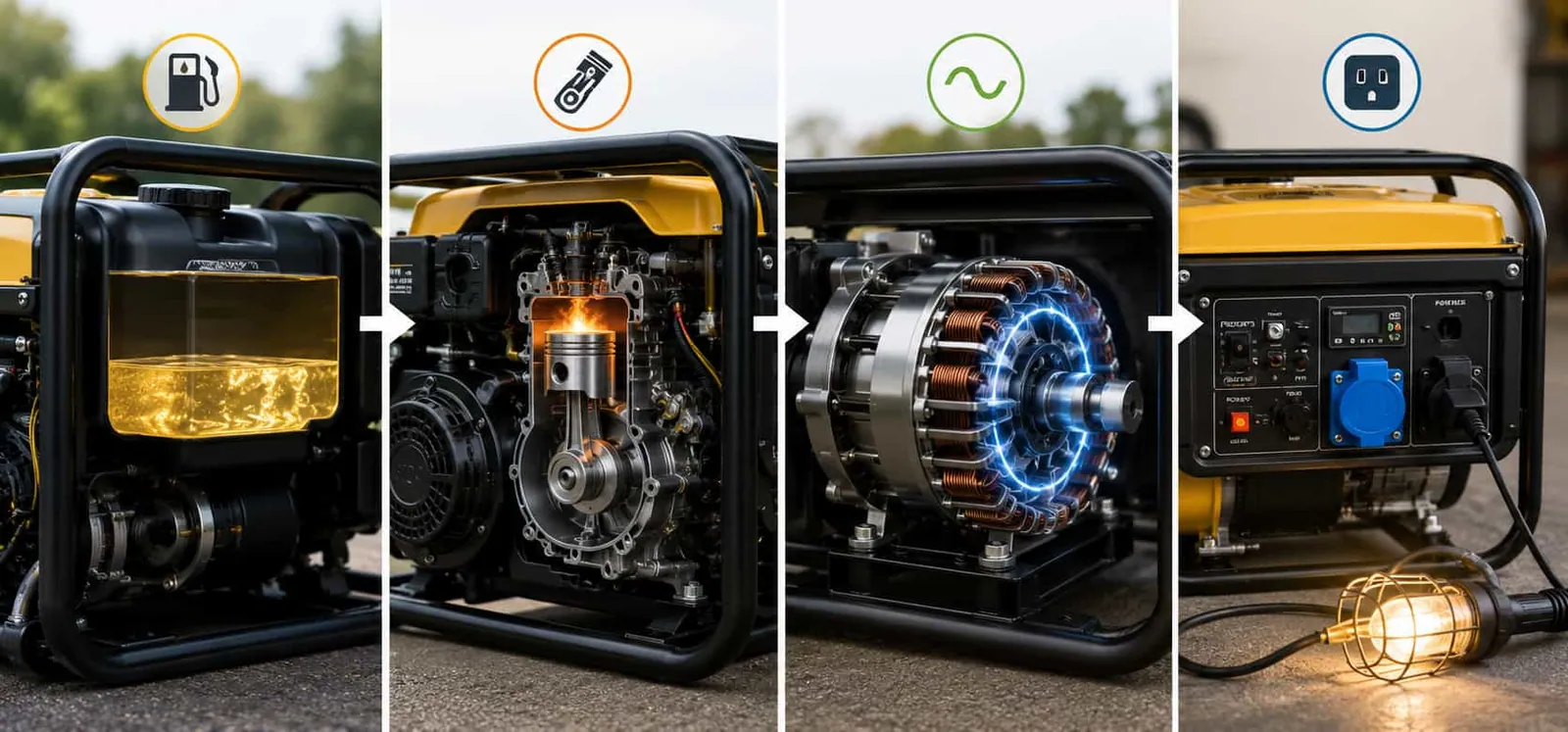
To understand how a generator set works on the inside, it helps to follow the process from the fuel to the final electricity. The equipment starts from a source of chemical energy (gasoline, diesel or gas); the engine burns that fuel and generates mechanical motion; that motion spins a shaft connected to the alternator; inside the alternator the rotor spins and creates a magnetic interaction that induces current in the stator; finally, the system regulates the voltage and delivers electricity to the connected equipment.
| Step | What happens | Transformation |
|---|---|---|
| 1. Fuel | The tank feeds the combustion engine | Stored chemical energy |
| 2. Engine | Combustion moves the pistons, crankshaft and shaft | Chemical → mechanical (motion) |
| 3. Shaft → rotor | The shaft spins the alternator rotor | Transmitted motion |
| 4. Rotor + stator | Spinning inside the magnetic field induces current | Mechanical → electrical |
| 5. Regulator (AVR) | Stabilizes the output voltage | Stable electricity |
| 6. Output | The electricity powers the connected equipment | Useful electrical energy |
1. The Fuel Feeds the Engine
Everything starts with the fuel. In the most common generator sets, the tank feeds an internal combustion engine, which can be gasoline or diesel, although gas-powered models also exist. The fuel contains chemical energy: when it is burned inside the engine, that energy is released and makes it possible to generate motion. This is the first key step, because the fuel is not converted directly into electricity, but first into mechanical energy.
2. The Engine Converts Chemical Energy into Motion
The combustion engine transforms the chemical energy of the fuel into motion. Inside the engine, combustion moves the pistons, crankshaft and shaft. That rotating shaft is the bridge between the engine and the alternator: it is what "puts the force to work". Without that mechanical motion, the alternator could not produce electricity.
3. The Shaft Spins the Alternator Rotor
The motion of the engine reaches the alternator through a shaft that spins an internal part called the rotor. The rotor is the moving part of the alternator, and its rotation is essential because it creates the conditions needed to induce electric current. This is where the second transformation begins: fuel is no longer being converted into motion, but motion into electricity.
4. The Magnetic Field Induces Current in the Stator
Inside the alternator there is also the stator, the stationary part. When the rotor spins within a magnetic field, electric current is induced in the stator. This is the basis of the electrical operation of the generator set. The simple version would be: the engine turns → the rotor turns → the magnetic field acts → the stator generates current.
5. The Regulator Stabilizes the Voltage
Generating electricity is not enough: it also has to be delivered at a stable voltage. If the voltage rises or drops too much, it can affect tools, appliances or electronic equipment. This is where the voltage regulator comes in: many generators incorporate an AVR (automatic voltage regulator), whose function is to maintain a more stable electrical output. It is especially important if you are going to connect sensitive equipment; in those cases, a generator with AVR electronic regulation may be a more suitable option than a basic generator without precise regulation.
6. The Electricity Powers the Connected Equipment
Once generated and regulated, the electricity can power the connected equipment: lights, refrigerators, tools, water pumps, machinery, computers or emergency systems. That said, the unit must have enough power. If more load is connected than it can handle, it may lose stability, overheat, shut down or run under strain.
What Parts a Generator Set Has
A generator set is not just an engine with sockets: it is a complete system. Each part serves a specific function in converting fuel into electricity safely and stably. These are the parts of a generator set worth knowing.
Combustion Engine
The engine is the part that burns the fuel and generates mechanical motion. It can be gasoline, diesel or gas, depending on the model. Gasoline engines are usually used in smaller or portable equipment; diesel engines are common in higher-power units, intensive use or professional applications.
Alternator: Rotor and Stator
The alternator is the component that transforms the engine's motion into electricity. Inside the alternator there are two key parts: the rotor (the moving part that spins) and the stator (the stationary part where the electric current is induced). The rotor spins within a magnetic field and that motion makes it possible to induce current in the stator. That is why the generator set's alternator is, in practice, the equipment's "electrical heart".
Fuel System
The fuel system includes the tank, lines, filters and the elements responsible for delivering fuel to the engine. Poor-quality fuel, a dirty filter or poor feeding can cause starting failures, loss of power or unexpected shutdowns.
Voltage Regulator or AVR
The voltage regulator helps maintain a stable electrical output. The AVR adjusts the alternator's excitation to reduce voltage variations. It is an important component when connecting equipment that does not tolerate voltage spikes or drops well.
Control Panel and Starter Battery
The control panel lets you start, stop and monitor the equipment. Depending on the model, it can display voltage, frequency, hours of use, fuel level, alarms or charge status. The starter battery provides the initial energy to start the engine in models with electric start.
Cooling and Exhaust System
The engine generates heat, so it needs cooling, which can be air-cooled or liquid-cooled depending on the type of unit. The exhaust system expels the gases produced during combustion; this part is critical for safety, because exhaust gases can be dangerous if the unit is used in enclosed or poorly ventilated spaces.
Types of Generator Sets by Use
Not all generator sets are suited to the same purpose. Choosing well depends on what you want to power, for how long, with what level of power and in what environment.
Generator Sets for Home
A home unit is usually used as backup during power outages. It can power lights, a refrigerator, a router, a television, small appliances or a water pump, depending on its power. For domestic use, it is worth considering noise, runtime, ease of starting, consumption and voltage stability. Generator sets for home fit well here.
Small Generators and Mini Generators
For light loads, small tools, camping or occasional use, a compact generator may be enough. A 1000 W to 3 kW generator suits basic needs where large loads do not need to be powered. If you are looking for something even more portable, a portable, quiet mini electric generator can be useful for mobility or occasional backup.
Industrial Generator Sets
Industrial units are designed for more demanding loads, long working days or situations where electrical continuity is critical. They can power machinery, production facilities, emergency systems, large building sites, events or companies that cannot afford an electrical shutdown. For intensive use, an industrial generator set is usually diesel for its runtime and efficiency.
Single-Phase and Three-Phase Generators
A single-phase generator is usually used in homes, small businesses and everyday loads. A three-phase generator is used when there is machinery or installations that require three-phase power: in companies, workshops, industry or higher-power equipment, a three-phase generator may be necessary. The choice should not be made by power alone, but also according to the type of current the equipment you are going to connect needs.
Portable and Fixed Generator Sets
Portable units are designed to be moved easily and are useful for temporary jobs, camping, DIY, small businesses or emergencies. Fixed units are usually installed permanently and can be connected to automatic start systems in case of mains failure; they are common in companies, residential communities, industry or critical installations.
Power, Consumption and Runtime: What You Should Understand
One of the most common mistakes is choosing a generator set by looking only at price or size. What matters is calculating how much power you need and for how long you will use it.
Difference Between kW, kVA and Watts
Watts, kilowatts and kVA are used to talk about electrical power: W are watts, kW are kilowatts (1,000 W) and kVA are kilovolt-amperes, a unit widely used for generators. The difference between kW and kVA depends on the power factor. For non-technical users, the important thing is not to mix values without checking the equipment's technical data sheet and the load to be connected.
| Approximate Power | What it can power (approx.) | Typical use |
|---|---|---|
| 1 – 2 kW | Lights, router, mobile phone, TV, small tools | Camping, minimum backup |
| 2 – 3.5 kW | Refrigerator, water pump, several appliances | Home (basic backup) |
| 3.5 – 6 kW | Almost a whole home, professional tools | Large home / workshop |
| +6 kW / kVA | Machinery, three-phase loads, continuous use | Building site, business, industry |
Rated Power vs Maximum Power
Rated power is what the generator can deliver continuously. Maximum or peak power is what it can sustain for a short period. This matters because some equipment, such as pumps, compressors or electric motors, may need more power at startup than during normal operation.
When sizing, don't look only at continuous power: add the starting peak of motors, pumps or compressors, which can demand 2-3 times their rated power at startup. Choose the unit based on that peak and leave a 20% margin, so you avoid it shutting down or running under strain.
Fuel Consumption and Hours of Runtime
Consumption depends on the generator's power, the connected load, the type of engine and the fuel. A unit does not always consume the same: if it runs at 30% load, it will consume less than if it runs near its maximum. Even so, using a generator that is too large for a very small load is not usually efficient either. Runtime depends on the tank size and the consumption per hour.
| Fuel | Advantages | Ideal for |
|---|---|---|
| Gasoline | Light equipment, easy starting, lower purchase price | Home, camping, occasional use |
| Diesel | More runtime and durability, lower consumption in intensive use | Industry, building site, continuous use |
| Gas (LPG/NG) | Cleaner combustion, good for prolonged use | Fixed backup, low emissions |
Manual Start, Automatic Start and Energy Backup
A generator set can be started in different ways. Some models are started manually, others have electric start and others can be activated automatically when the mains fails.
How It Works During a Power Outage
In installations with automatic start, the system detects the mains failure, starts the generator set and transfers the load so that the equipment keeps receiving electricity. When the mains returns, the system can reconnect the usual supply and shut down the unit after a safety delay. This operation is common where long interruptions are not acceptable: companies, pumping systems, critical installations, residential communities or businesses. Models with automatic start are used for this.
What a Changeover Panel or ATS Is
The ATS or automatic transfer switch is the system that switches between the mains and the generator set. Its function is to prevent incorrect connections and allow the load to receive power from the right source at any given time. In professional installations, this element is key for safety and continuity.
When to Combine a Generator Set with Solar or Batteries
A generator set can be part of a broader energy strategy. In an off-grid installation or in a home with a strong interest in self-consumption, solar power, batteries and a backup generator can be combined. A self-consumption solar kit can cover production during the day, while a solar kit with battery allows you to store energy to use later. For portable uses or backup without direct emissions during use, a portable power station can complement or replace a combustion generator in certain scenarios.
Safety and Basic Maintenance
A generator set works with fuel, electricity, heat and exhaust gases. That is why it must be used with care.
Ventilation and Exhaust Gases
A generator set must never be used inside the house, in a closed garage or in a space without ventilation. Combustion engines generate dangerous gases, including carbon monoxide. It must be placed in a ventilated, stable, dry location away from windows, doors or air intakes.
Never start it indoors, in a garage or in a basement, not even with the door open: carbon monoxide is odorless and invisible. Always place it outdoors, ventilated and away from windows and air intakes, and let it cool down before storing it.
Checking Oil, Filters and Fuel
Basic maintenance includes checking the oil, filters, fuel, battery, spark plug (on gasoline models), cooling and connections. If the unit is used as backup, it is advisable to start it periodically to check that it is operational. A generator that sits idle for months without maintenance can fail just when it is needed most.
Common Mistakes That Shorten Service Life
Some frequent mistakes are overloading the unit, using it indoors, not checking the oil, using old fuel, not cleaning the filters, connecting sensitive equipment without adequate regulation, not respecting maintenance intervals and shutting it off abruptly after heavy use without letting the system stabilize.
Recommended Generator Sets and Generators
These are some Genergy models by power and engine type. Use the filters to see the gasoline or inverter ones:
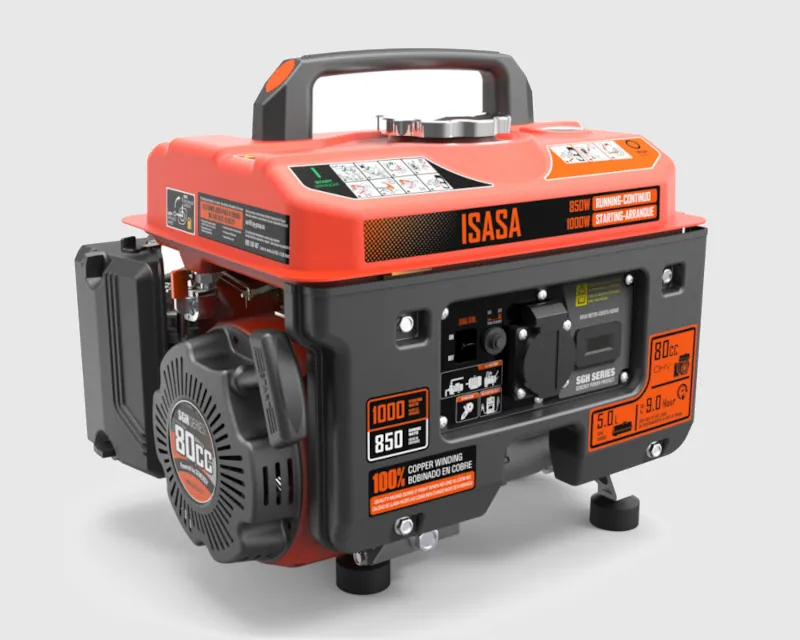
ISASA 1000W Generator
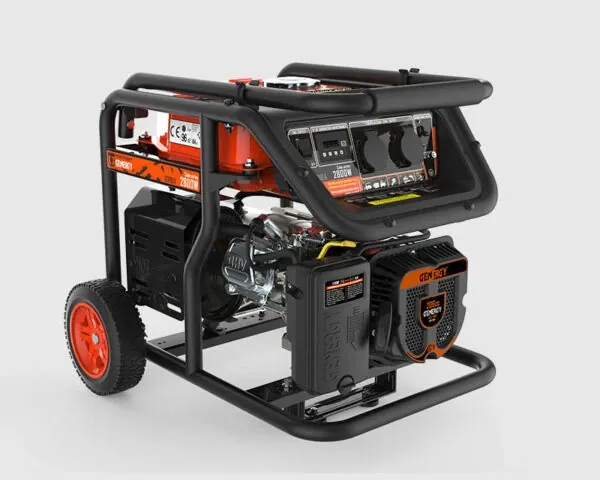
GORBEA 2800W Generator
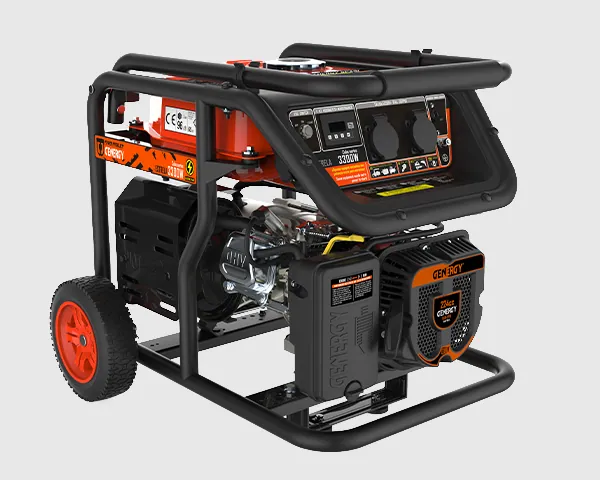
ESTRELA 3300W Generator
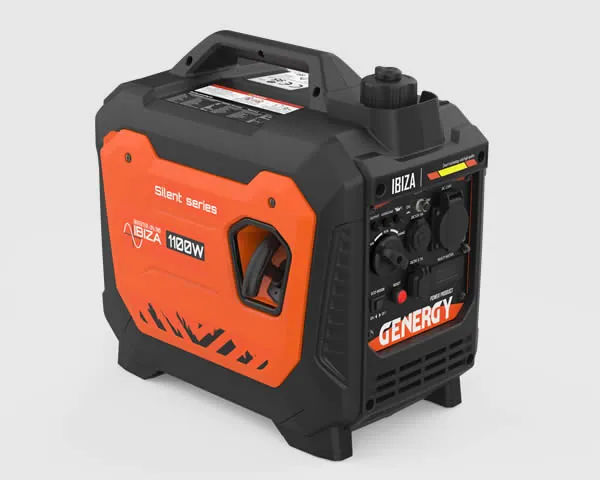
IBIZA 1100W Inverter Generator
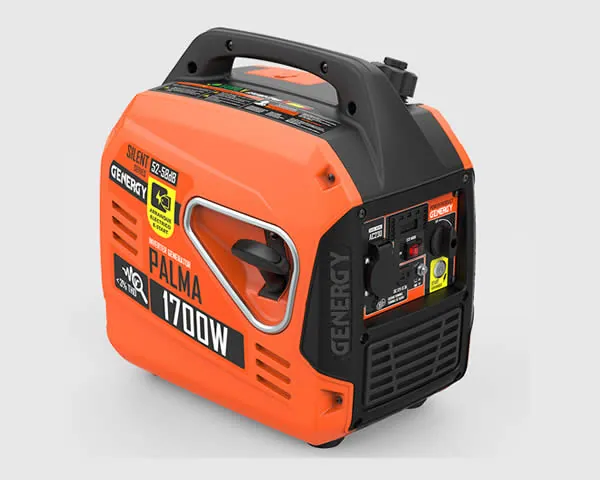
PALMA 1700W Inverter Generator
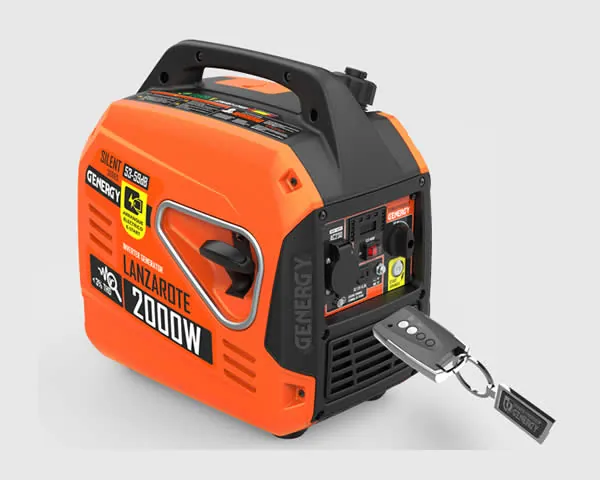
LANZAROTE RC 2000W Inverter Generator
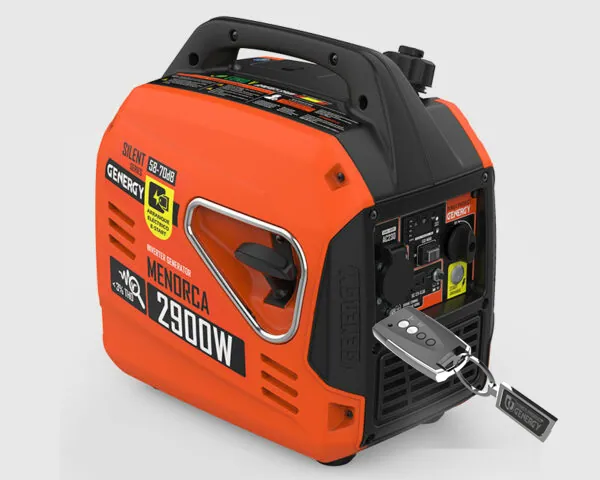
MENORCA RC 2900W Inverter Generator
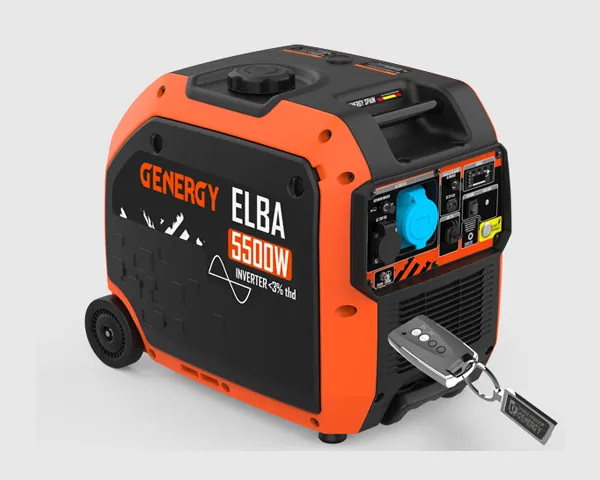
ELBA RC 5500W Inverter Generator
👉 See the full range: Generator set · Diesel · For home · Questions? Talk to a technician.
Not sure which generator set you need?
Our technical team will help you size the power output according to what you want to supply, the fuel and your type of installation (backup, construction site, industry or home).
Talk to a Genergy technicianConclusion
A generator set works by converting fuel into electricity in two transformations: the engine converts the chemical energy of diesel, gasoline or gas into motion, and the alternator converts that motion into electric current, which is then stabilized by the voltage regulator. The simplest explanation is that the engine generates motion and the alternator converts that motion into electricity. To choose and use a generator set properly, it is not enough to know that it "supplies power": you need to understand its power output, fuel, runtime, output type, voltage regulation, maintenance and safety conditions. When properly sized, safely installed and well maintained, it is a highly reliable solution for power outages, construction sites, homes, businesses, events or industry.
Related categories
Related topics
Frequently asked questions about how a generator set works
Which part actually generates the electricity?
The alternator generates the electricity. The engine produces mechanical motion, but the alternator transforms that motion into electrical energy through the rotor, the stator and electromagnetic induction.
What fuel does a generator set use?
It can use gasoline, diesel or gas, depending on the model. Small generators are usually gasoline-powered, while industrial generator sets are usually diesel because of their runtime and efficiency.
What is the AVR in a generator?
The AVR is the automatic voltage regulator. Its function is to help maintain a stable voltage so that connected equipment receives electricity more safely and consistently.
Can it power an entire home?
Yes, but it depends on the output of the generator set and the home's consumption. Powering lights and a refrigerator is not the same as powering air conditioning, an oven, a water pump and several appliances at once. For a home, you should calculate the required power before choosing the equipment.
How often does maintenance need to be done?
It depends on the model, the hours of use and the manufacturer's instructions. As a general rule, oil, filters, fuel, battery and overall condition should be checked periodically. If it is used as a backup, it should be started from time to time to make sure it works.
What is the difference between a single-phase and a three-phase generator set?
A single-phase generator set is normally used for household loads or small businesses. A three-phase generator set is used for machinery, industry or installations that require three phases.
Can a generator set be used inside the house?
No. It must be used outdoors or in very well-ventilated areas. Exhaust gases can be dangerous and must not build up in enclosed spaces.


