How an inverter welder works: a clear guide and advantages
By the Genergy technical team · Spanish manufacturer of generators and machinery (+15 years) · updated in July 2026 · 9 min read.
Table of contents
Understanding how an inverter welder works helps a lot before buying, adjusting or starting to weld, and you don't need to be an engineer. The key: an inverter welding machine doesn't work like the old heavy-transformer machines, but uses electronics to convert, control and deliver the current precisely. In short: it converts the mains alternating current into high-frequency direct current through electronic circuits, which allows you to adjust voltage and amperage, achieve a more stable arc and have a lightweight, efficient machine.
What an inverter welder is
An inverter welder is a welding machine that uses electronic technology to transform the current and adapt it to the welding process. Unlike traditional welders, which rely on large, heavy transformers, inverter machines use compact electronic components that operate at high frequency. This makes them smaller, lighter and more efficient, but what truly makes the difference is the current control: a stable arc makes welding more comfortable and the bead more uniform.
"Inverter" refers to the electronic system that transforms the current inside the machine: it takes the alternating current from the mains, rectifies it, converts it to direct current and works it at a much higher frequency. In practice, this allows better control of the energy reaching the electrode and precise amperage adjustment.
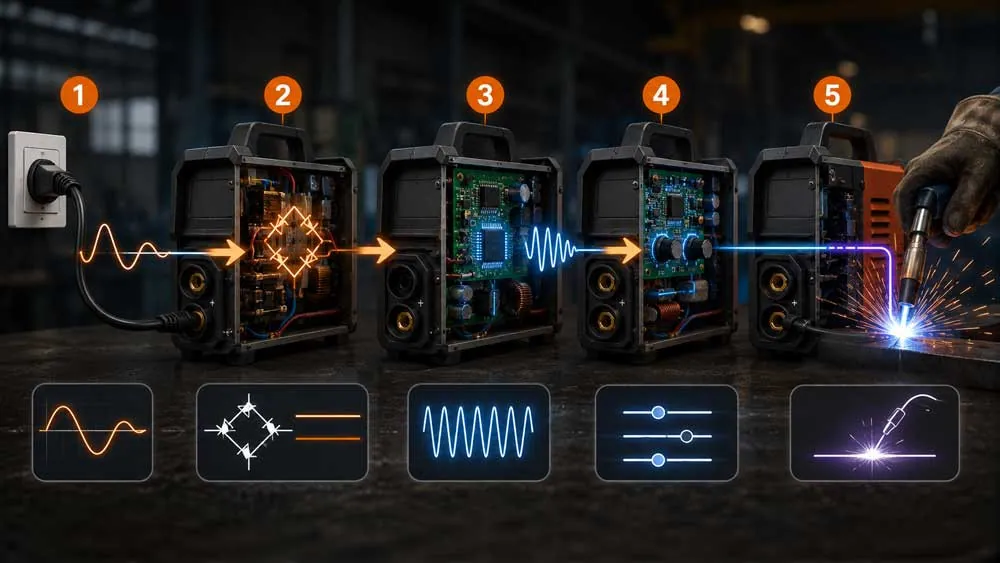
How an inverter welder works step by step
1. It receives alternating current from the mains
It all starts when you plug the welding machine into the socket: the incoming current is alternating (AC). It is not used directly as it comes in; first it goes through the internal electronic system.
2. It rectifies and converts to direct current
The machine converts the alternating current into direct current (rectification). Direct current is better suited to many jobs because it allows a more stable arc and better control of the weld pool: it is easier to guide the electrode and avoid annoying interruptions.
3. The circuits raise the frequency
Once converted, the circuits work at high frequency. This is why the equipment can be much smaller: by working at higher frequencies, the components are more compact than a large transformer. That is why an inverter weighs much less than an old welding machine.
4. It adjusts voltage and amperage precisely
Here is one of the biggest advantages: control. The inverter allows you to adjust the amperage (and, depending on the model, other parameters) precisely. Welding thin sheet metal is not the same as welding a thick piece, nor is using a small electrode the same as using a large one: if the amperage is too low, the electrode sticks; if it is too high, you can burn through the piece or cause spatter.
5. It generates a more stable electric arc
Finally, the machine delivers the current to the electrode to create the arc, which is the heat that melts the base metal and the filler metal. The more stable it is, the easier it is to work. A good inverter helps keep it constant, especially when properly adjusted and with the right electrode (although the user's technique remains essential).
Why an inverter welding machine is lighter and more efficient
The first thing you notice compared to a traditional one is the weight: inverter machines are much more portable. High frequency allows the use of smaller internal transformers, so instead of relying on a huge transformer, the machine uses compact electronics to modify the current. It also makes better use of energy: by controlling it electronically, it reduces losses and delivers it more precisely. And arc control is another strong point: when properly adjusted, the electrode sticks less and the bead comes out cleaner.
Advantages of using an inverter welder
Beyond weight, they stand out for their portability (workshop, home or job site: repairs, DIY, maintenance, metal structures), better amperage adjustment (adapts to the electrode and the material thickness, very convenient for beginners), more stable arc and cleaner beads, and compatibility with different processes (many are MMA with coated electrode; some allow TIG or MIG/MAG depending on the model). It is worth checking the specifications: not all inverter machines are suitable for everything.
Disadvantages and limits of an inverter welding machine
It also has limits. Its electronic components are more delicate (sensitive to impacts, humidity, metal dust or poor power supply), so it should be looked after and the ventilation inlets kept clean. Repairs can be more expensive than on a traditional transformer machine, as it has more electronics. And you must respect the duty cycle: for example, a 60% duty cycle at a certain amperage means it can weld 6 minutes out of every 10 and rest for 4; pushing it beyond that shortens its service life (although most have thermal protection).
Inverter welder vs traditional welder
| Feature | Inverter welder | Traditional welder |
|---|---|---|
| Weight | Lighter | Heavier |
| Size | Compact | Bulky |
| Amperage control | More precise | More basic |
| Power consumption | More efficient | Less efficient |
| Arc | More stable | Less controlled |
| Repair | Can be more expensive | Usually simpler |
| Portability | High | Low |
The inverter wins in portability, adjustment precision and efficiency; a traditional one may be more robust in very harsh environments, but a well-maintained inverter performs better for most of today's jobs.
What to check before buying an inverter welder
Don't just look at the price. Check the amperage range (it determines which jobs you can do: more amperage for thick pieces), the no-load voltage (it affects how easily the arc strikes), the type and diameter of compatible electrode, the overheating protection and the duty cycle (key if you are going to weld for several minutes in a row).
Common mistakes when using an inverter welding machine
The most frequent ones: choosing the wrong amperage (too low → the electrode sticks; too high → you burn the piece or make an uneven bead); using unsuitable electrodes for the material or thickness; blocking the ventilation of the machine (it needs cooling); and pushing the machine beyond its duty cycle. Avoiding them extends the life of the equipment and improves the result.
No mains power? Genergy generators for your inverter welder
If you are going to weld on a job site, in the field or wherever power doesn't reach, you need a generator that provides stable power to run your inverter welder. Inverter gasoline generators deliver a stable waveform, suitable for the welder's electronics; you just need to size the power correctly according to the machine's amperage (an MMA welder is quite demanding at arc start):
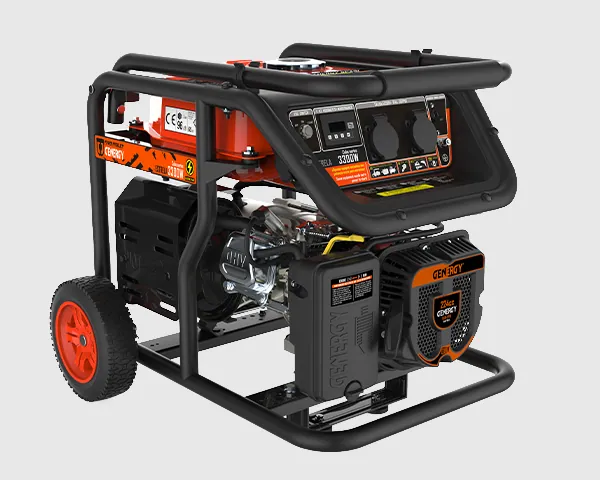
Generador Estrela 3300W
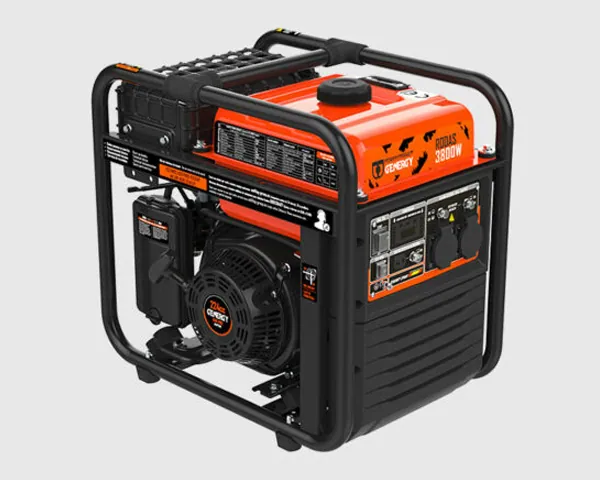
Generador Rodas 3800W
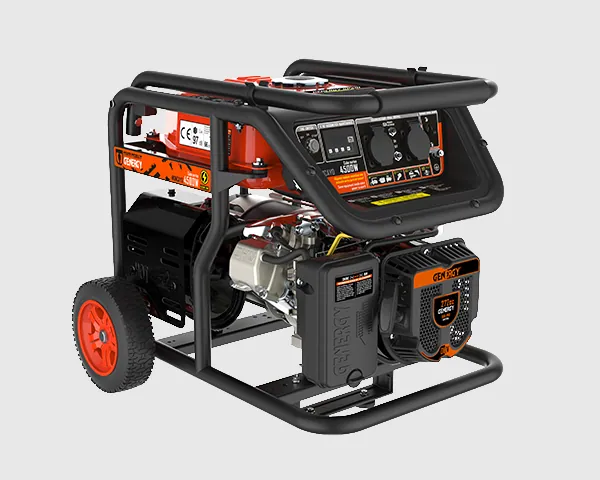
Generador Moncayo 4500W
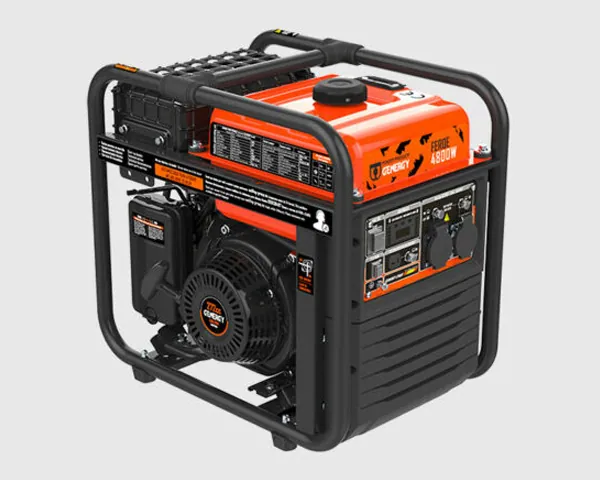
Generador Feroe 4600W
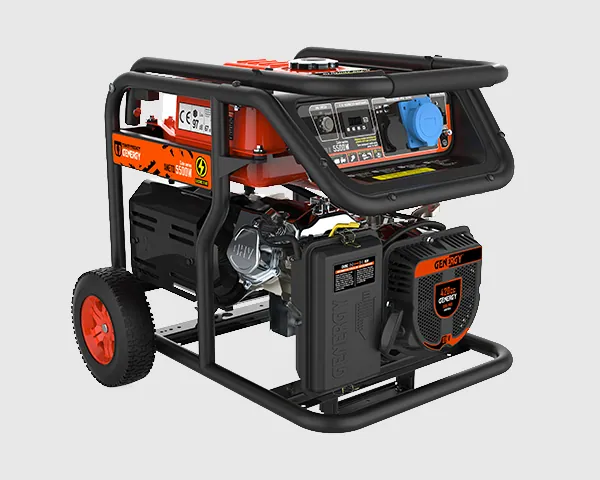
Generador Aneto 5500W
Generador Gorbea 2800W
👉 See the full range: Inverter gasoline generators · Electric generators · MMA inverter welders (new range) · Questions? talk to a technician.
Genergy will launch its own range of MMA inverter welders (140-250A), designed for semi-professional welding. If you are interested, contact us about availability.
Welding where there is no power?
Tell us the amperage of your inverter welder and we will help you choose the generator with the right power and stability to run it without problems. We are manufacturers. No obligation.
Talk to a Genergy technicianConclusion
An inverter welder works by transforming the mains alternating current into a controlled, stable current suitable for welding, using electronic circuits that rectify, convert and regulate the energy more precisely than a traditional welding machine. Its great advantage is the combination of less weight, more efficiency, better amperage control and a more stable arc. Understanding how it works helps you adjust it properly and weld with more comfort and better results.
Related categories
Related topics
Frequently asked questions about how an inverter welder works
Does an inverter welding machine use alternating or direct current?
It connects to the mains alternating current, but internally it transforms it to work with controlled direct current. This conversion process is a key part of how it works.
Why is an inverter's arc more stable?
Because the internal electronics regulate the current output better. This allows a more constant arc and makes it easier to control the bead, especially when the machine is properly adjusted.
Does it use less electricity than a traditional welding machine?
In general it makes better use of energy, so it is more efficient. Actual consumption depends on the model, the amperage used and the type of work.
Is an inverter welding machine suitable for beginners?
Yes. It is usually a good option to start with because it is lightweight, easy to adjust and offers a more stable arc. Even so, you still need to learn how to choose the amperage, electrode and technique.
What does duty cycle mean?
It indicates how long the machine can weld within a given period without overheating. For example, 60% means 6 minutes out of every 10 welding and 4 resting. It matters a lot on long jobs.
Can I use an inverter welder with a generator?
Yes, if there is no mains power nearby. You need a generator with enough power for the welder's amperage and, preferably, a stable waveform (inverter) so as not to damage the electronics. It is advisable to leave a power margin for the arc start peak.
What happens if I use too much or too little amperage?
With too much amperage you can burn through the piece, cause spatter or an uneven bead. With too little, the electrode sticks, the arc cuts out and the weld ends up weak or with poor penetration. Adjust it to the electrode diameter and the material thickness.
Why does an inverter welding machine weigh less?
Because it uses electronic components that work at high frequency, which allows the internal transformer to be smaller and makes the machine much more compact than a classic transformer one.