How a solar inverter works: from direct current to usable energy
By the Genergy technical team · Spanish manufacturer of inverters, solar systems and generators (+15 years) · updated July 2026 · 10 min read.
Table of contents
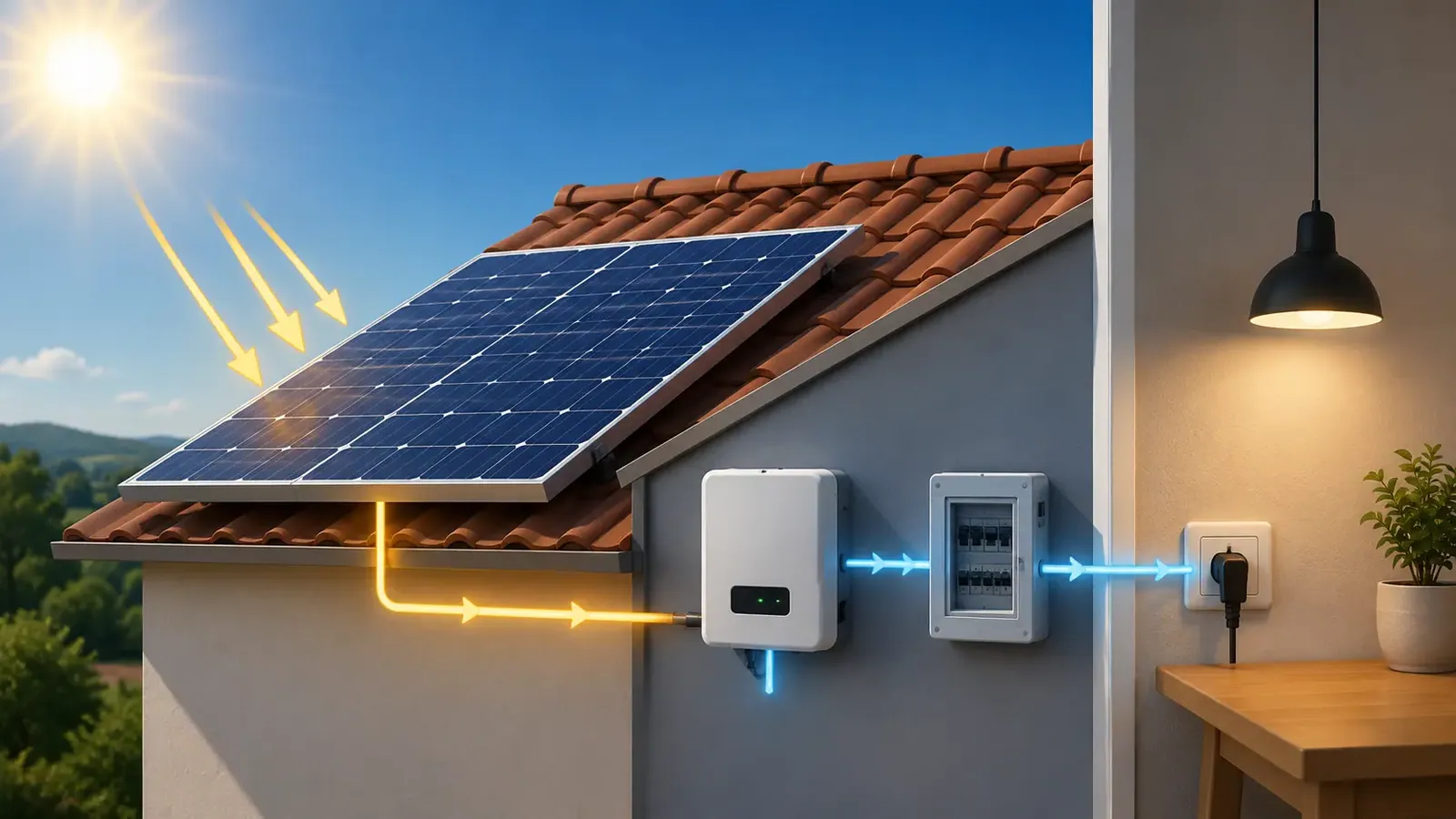
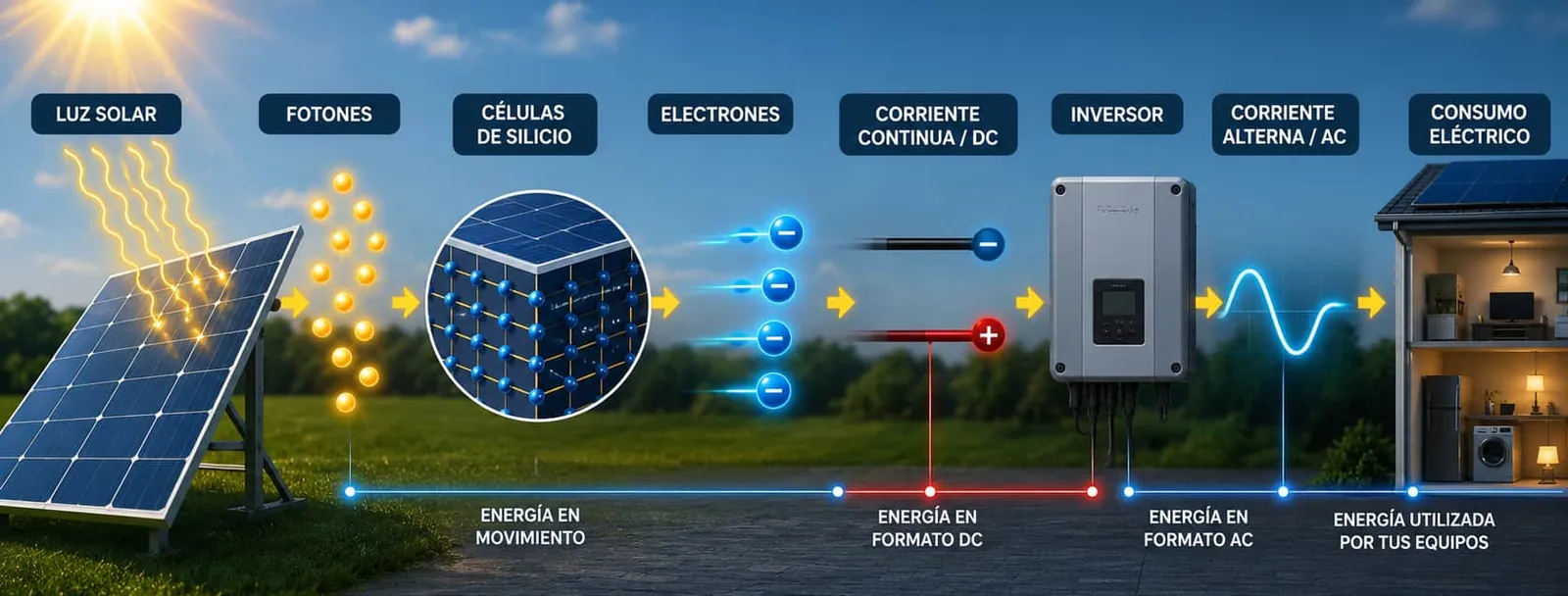
A solar inverter works by converting the direct current produced by solar panels into 230V alternating current, which is the electricity used by most appliances, sockets and installations. Panels generate energy, but not in the format a home uses; that is why an inverter is needed, which transforms it and allows it to be used at home, stored in batteries or sent to the grid. It is, in practice, the brain of the photovoltaic system: it converts, optimizes (MPPT), manages the flow, monitors and protects.
What a solar inverter is and what it is for
A solar inverter is one of the most important components of a photovoltaic installation. Its main function is to transform the direct current from the panels into alternating current, the kind used by homes, businesses and equipment. Without an inverter, panels would produce electricity but that energy could not directly power most appliances: the inverter is the bridge between the panels and actual consumption. Panels produce DC (flows in one direction) and homes use AC of ~230V (changes direction periodically); converting DC into 230V AC means delivering a stable signal, with the right voltage and frequency, not just "swapping one type of current for another".
How a solar inverter works step by step
1. The panels generate direct current
Panels turn light into electricity through the photovoltaic effect, in the form of direct current. Output varies throughout the day depending on radiation, temperature, orientation and shading, so the inverter must adapt constantly.
2. MPPT optimizes production
MPPT (maximum power point tracking) looks for the best combination of voltage and current so that the panels produce as much as possible at any given moment. If a cloud passes, the temperature changes or a partial shadow appears, MPPT readjusts the operating point to keep production efficient.
3. It converts direct current into alternating current
Once the energy is optimized, the inverter performs its main function through power electronics: it converts DC into AC suitable for consumption. That electricity can power lights, a refrigerator, washing machine, router, air conditioning or tools, if the installation is properly sized.
4. The energy is used, stored or sent to the grid
If there is consumption, the energy is used directly. If there are batteries, part of it can be stored. If the system is grid-connected and there is surplus, it can be fed into the grid depending on configuration and regulations.
5. It monitors and protects the system
Many modern inverters allow you to monitor production, consumption, battery status and errors, and include protections against overloads, grid problems, excessive temperature or insulation faults. That is why the inverter converts, optimizes, decides, protects and communicates.
What MPPT is and why it is so important
MPPT (Maximum Power Point Tracking) makes the panels work at the point where they produce the most energy at any given moment. Output is not fixed: it changes with radiation, temperature and shading; if the inverter did not continuously adjust the operating point, energy would be lost. MPPT analyzes the voltage/current relationship (power = voltage × current) and looks for the most efficient combination.
| System | How it works | Typical use |
|---|---|---|
| MPPT | Adjusts voltage and current to maximize production | More efficient solar installations |
| PWM | Regulates charging in a simpler way | Small or basic systems |
Types of solar inverters
| Type | Ideal for | Batteries | Grid |
|---|---|---|---|
| String (grid-connected) | Grid-connected self-consumption | Optional | Yes |
| Microinverter | Roofs with shading or varied orientations | Depends | Yes |
| Hybrid | Self-consumption with batteries | Yes | Yes |
| Off grid | Isolated systems without grid | Yes | Not necessarily |
The string inverter connects several panels in series (efficient when they have similar orientation and little shading). Microinverters work at panel level (useful with partial shading or complex roofs). The hybrid works with panels, grid and batteries, and decides where the energy goes. The off-grid inverter is designed for isolated installations: homes without grid, farms, campers or workshops.
How a solar inverter with batteries works
When the installation has batteries, the inverter also manages storage. During the day, if the panels produce more than is consumed, the inverter can direct the surplus to the batteries. When production drops, it draws energy from the battery and converts it into alternating current for the loads. Not every battery works with every inverter: it is advisable to check compatibility (see the guide to the best batteries for solar panels). If the battery is full and the panels keep producing, the system uses the energy for active loads, feeds surplus into the grid (if allowed) or limits production.
What happens if the power goes out
A common mistake is to think that with solar panels you will always have electricity even if the power goes out. Not always: in many grid-connected installations, if there is an outage, the inverter shuts down automatically for safety (anti-islanding protection), so as not to feed energy into the grid while people may be working on it. To have electricity during an outage you normally need a hybrid inverter with backup, batteries, a critical-loads circuit and a suitable configuration. A portable solar power station/generator also works as a backup option or, for more demanding loads, an electric generator or generator set.
How to choose a solar inverter
It is not just a matter of looking at the price. The inverter must be properly sized relative to the panel power and consumption: if it is too small it limits production; if it is too large, it does not work in its optimal range. Also look at the efficiency (a more efficient one loses less energy in conversion), whether your installation is single-phase or three-phase (it must be compatible), battery compatibility (not all grid-connected ones manage them) and monitoring via app to see production, consumption and errors.
Common faults and basic maintenance
An inverter requires little maintenance, but it is an electronic device that works with power and heat. Frequent problems: overheating due to poor ventilation, grid errors, low production due to shading or dirt on the panels, battery communication failures or disconnections due to protections. It should be installed in a ventilated and protected place, and you should periodically check error codes, ventilation, connections, expected production and general condition. If it shuts down or shows errors persistently, check the manual, the app and contact a technician.
Genergy solar inverters and kits
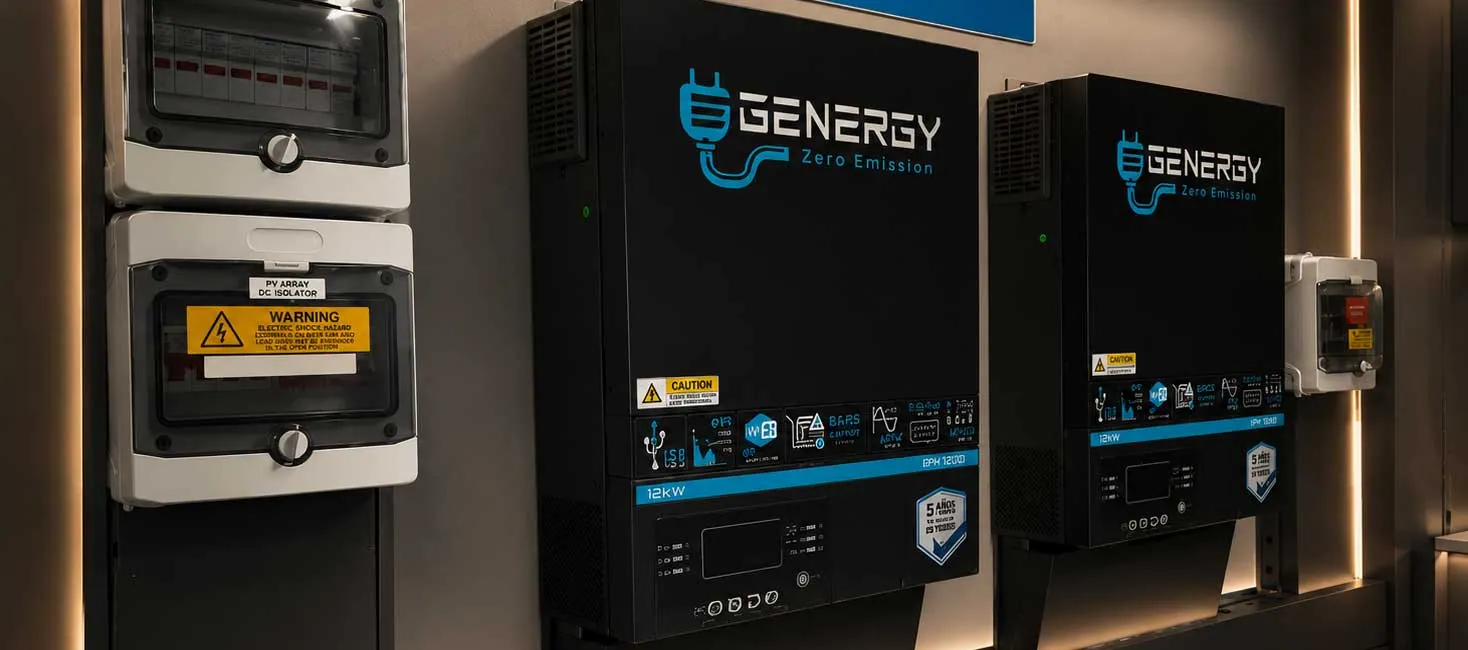
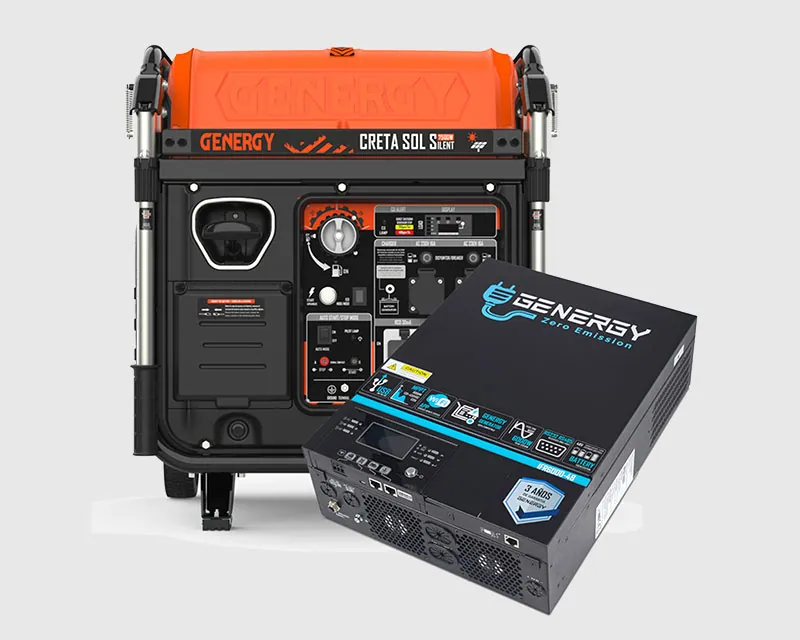
Genergy manufactures IFR off-grid inverters (for isolated installations, with solar input and battery management) and all-inclusive kits that already integrate inverter, battery and panels. Filter by what you are looking for:
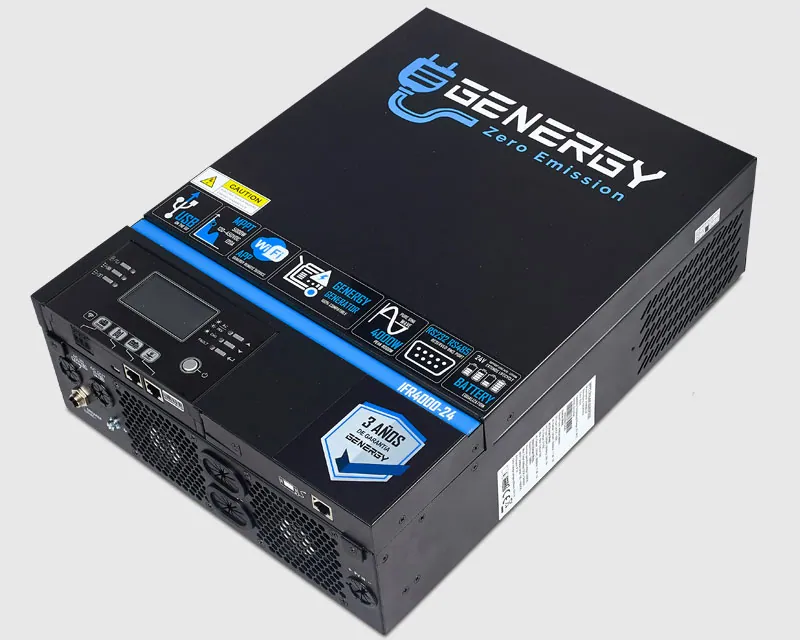
Inversor IFR4000 24V
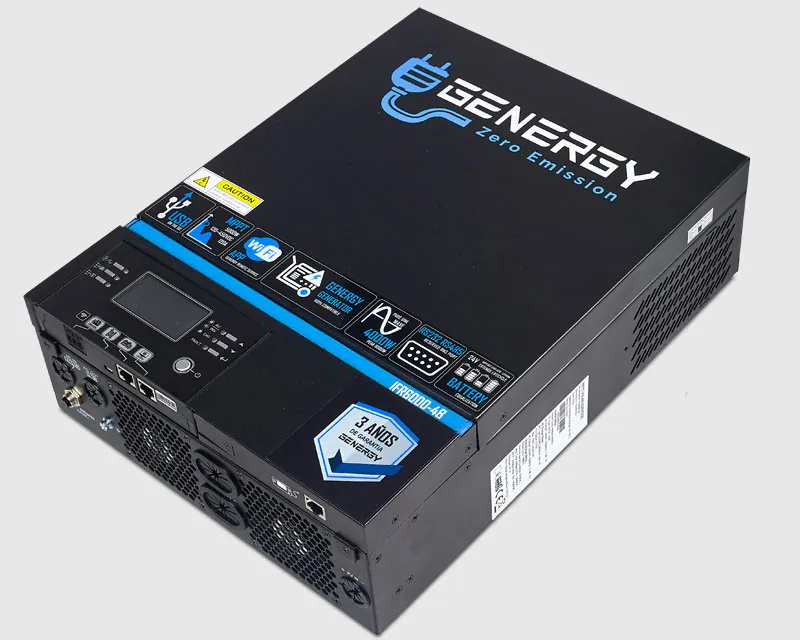
Inversor IFR6000 48V
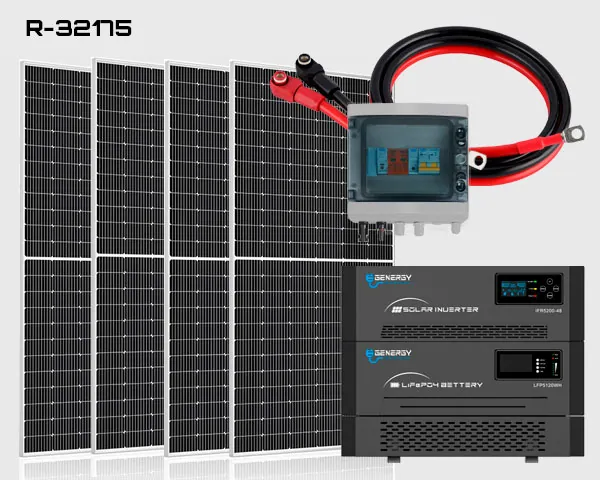
Plan Solar RIGEL
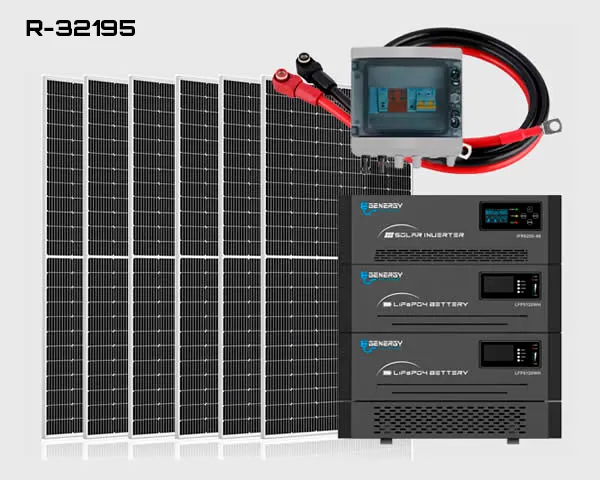
Plan Solar SIRIUS
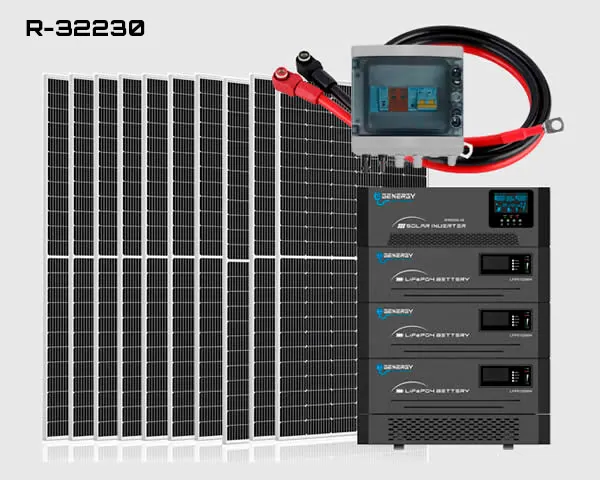
Plan Solar SIGMA
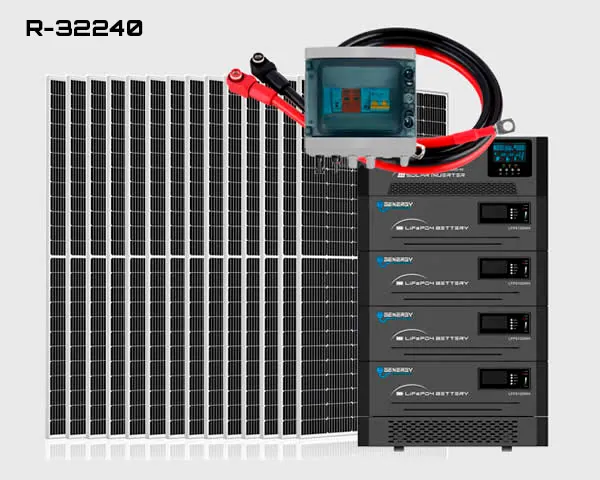
Plan Solar PEGASUS
👉 See the full range: Off-grid inverters · All-inclusive kits · Scalable systems · Questions? talk to a technician.
Which inverter do you need for your installation?
Tell us your panel power, your consumption, whether you want batteries and whether your grid is single-phase or three-phase, and we will help you size the right inverter. We are manufacturers. No obligation.
Talk to a Genergy technicianConclusion
A solar inverter works by converting the direct current from the panels into 230V alternating current, suitable for appliances, homes, businesses and the grid. But its function does not end there: it also optimizes production with MPPT, manages the flow between panels, consumption, batteries and grid, monitors and protects. In a nutshell: panels generate energy, but the inverter converts it into useful electricity and decides how best to use it. That is why choosing it well is key: a grid-connected, battery-based, hybrid or off-grid system are not the same thing.
Related categories
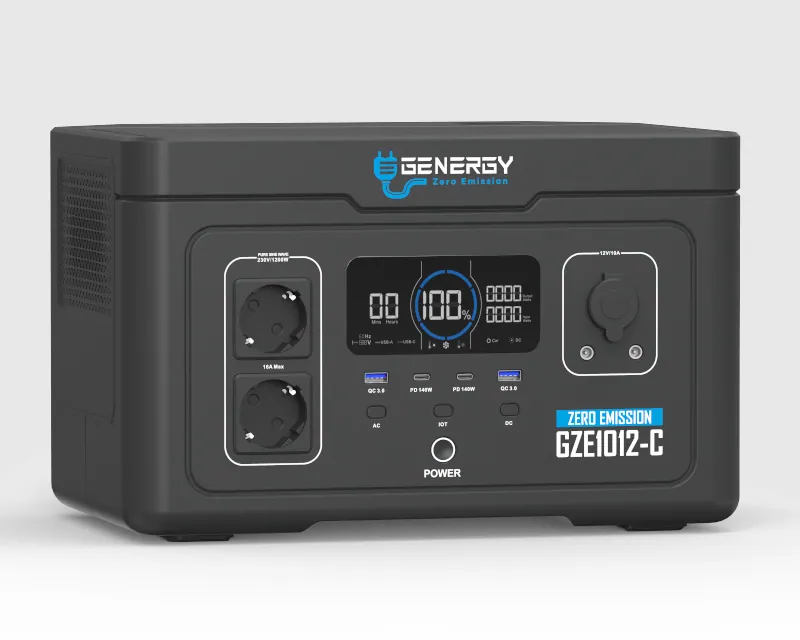
Related topics
Frequently asked questions about how a solar inverter works
Does a solar inverter work without batteries?
Yes, in grid-connected installations: solar energy is used directly during the day and, if there is a shortfall, it is drawn from the grid. To use solar energy when there is no sun, you need compatible batteries.
What are the types of solar inverters?
The main ones are: string (grid-connected), microinverters (panel level), hybrid (panels + grid + batteries) and off grid (isolated systems). The choice depends on whether there is a grid, batteries and the type of installation.
Can it work without the electrical grid?
Yes, but it must be a system designed for it: normally an off-grid or hybrid inverter with batteries and an installation designed as an isolated or backup system.
How many hours can an inverter stay on?
An inverter can work continuously as long as there is solar production or energy in batteries; it is designed to operate throughout the day. Its limit is not the hours, but the available energy and adequate ventilation/temperature.
How long does a solar inverter last?
It depends on quality, temperature, ventilation, use and maintenance. In general they last many years, although they tend to have a somewhat shorter lifespan than solar panels.
Which inverter do I need for my home?
It depends on your panel power, consumption, whether you want batteries, the type of grid (single-phase or three-phase) and whether you want backup during outages. Ideally, size it with a technician or choose a complete, pre-configured system.
What does it mean for an inverter to have a pure sine wave?
It means the alternating current it generates has a shape similar to that of the electrical grid. It is important for properly powering appliances and sensitive electronics.
What is the difference between a hybrid inverter and an off-grid one?
A hybrid inverter works with panels, grid and batteries at the same time. An off-grid inverter is designed for isolated systems without a connection to the electrical grid.