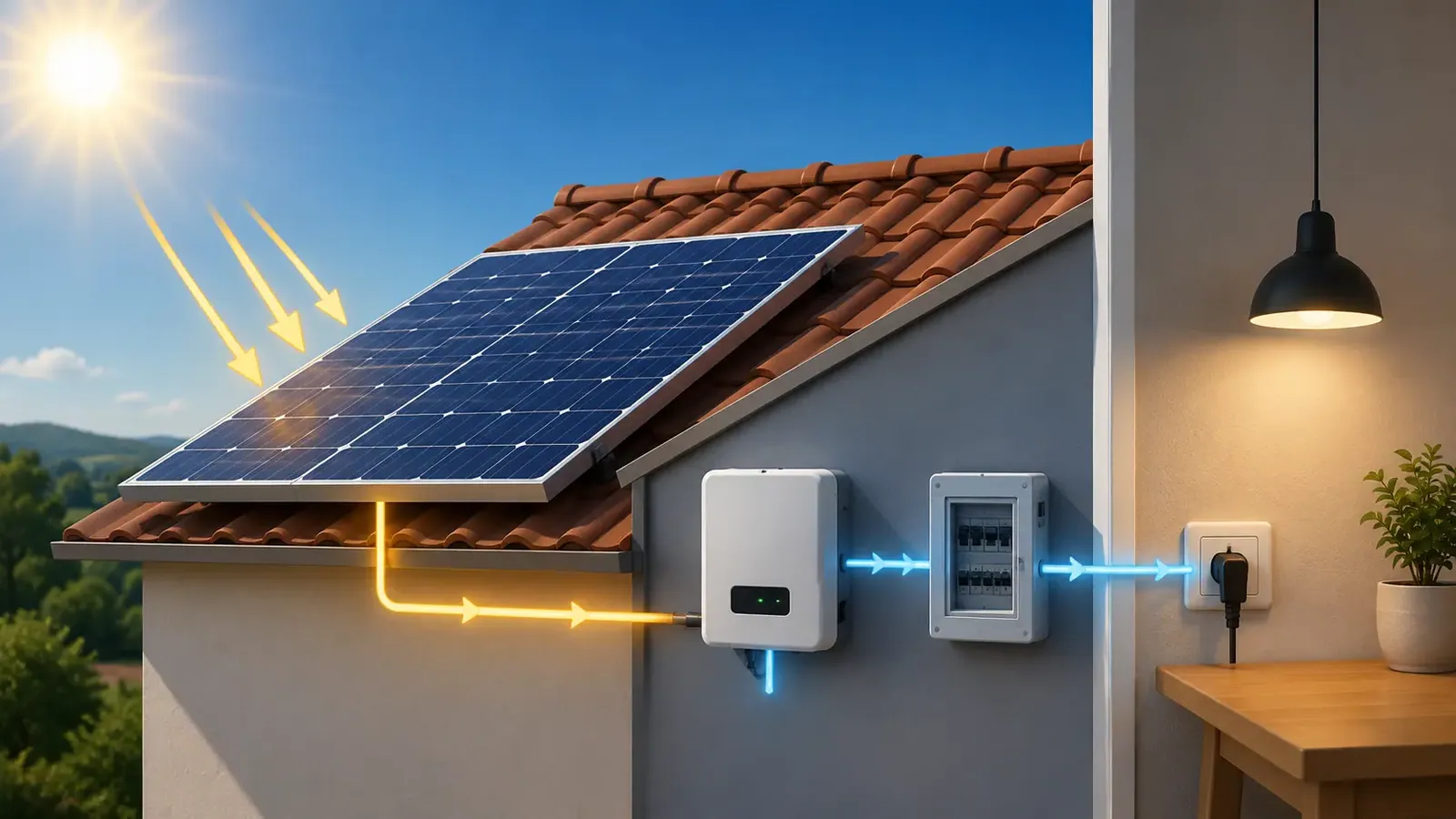
What is an inverter generator: how it works, advantages and when to choose it
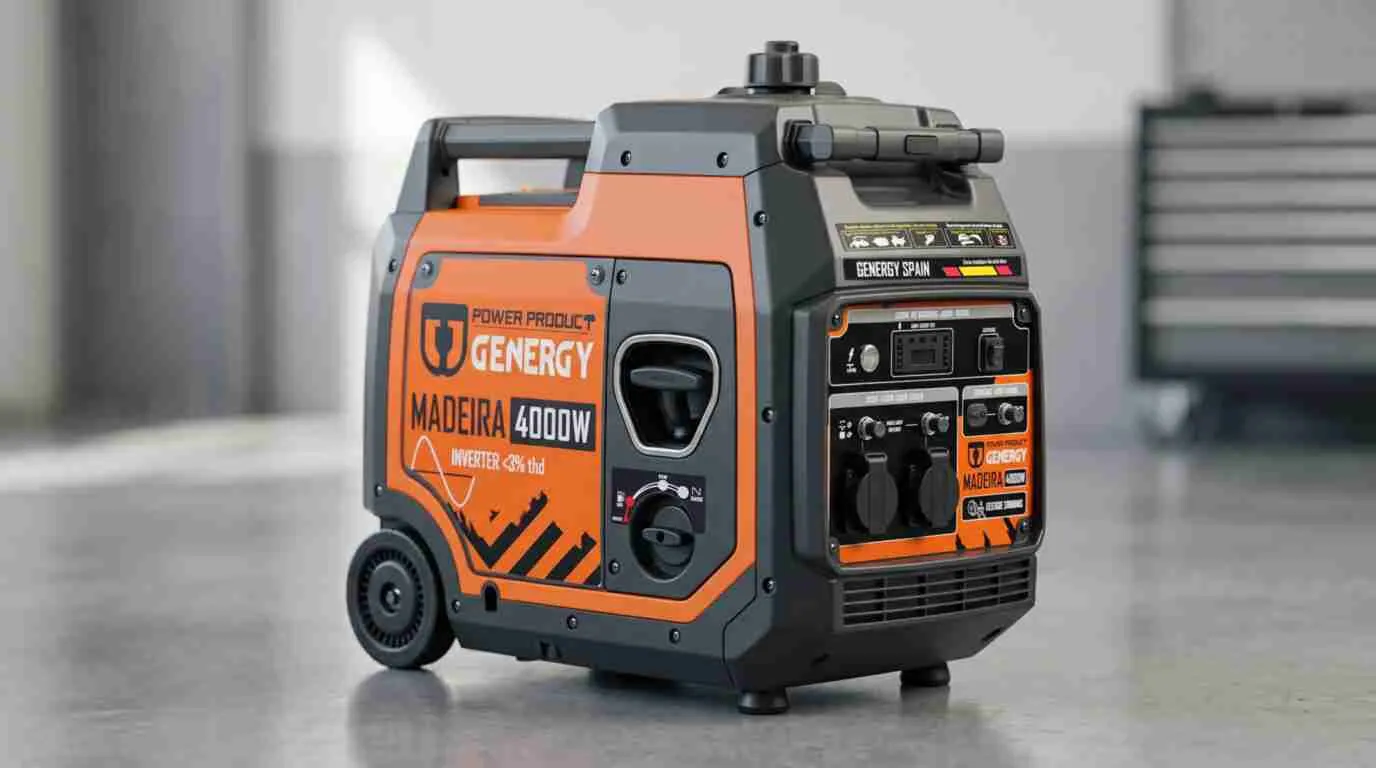
By the Genergy technical team · Spanish manufacturer of generators and generator sets (15+ years) · updated July 2026 · 11 min read.
Table of contents
An inverter generator is an electric generator that produces power through an engine, usually gasoline-powered, and uses advanced electronics to convert, stabilize and clean the current before delivering it to the connected appliances. A traditional generator produces electricity, but that current can have voltage or frequency variations; the inverter incorporates an electronic system that regulates the output and delivers a more stable, safer current that is suitable for sensitive devices such as computers, TVs, routers, chargers, cameras, electronic tools or modern appliances. The big difference lies in the quality of the electricity: it converts alternating current into direct current and converts it back into more stable alternating current, achieving a cleaner output waveform. In short: it is a more efficient, quieter and safer generator for powering delicate electronic devices.
What "inverter" means in a generator
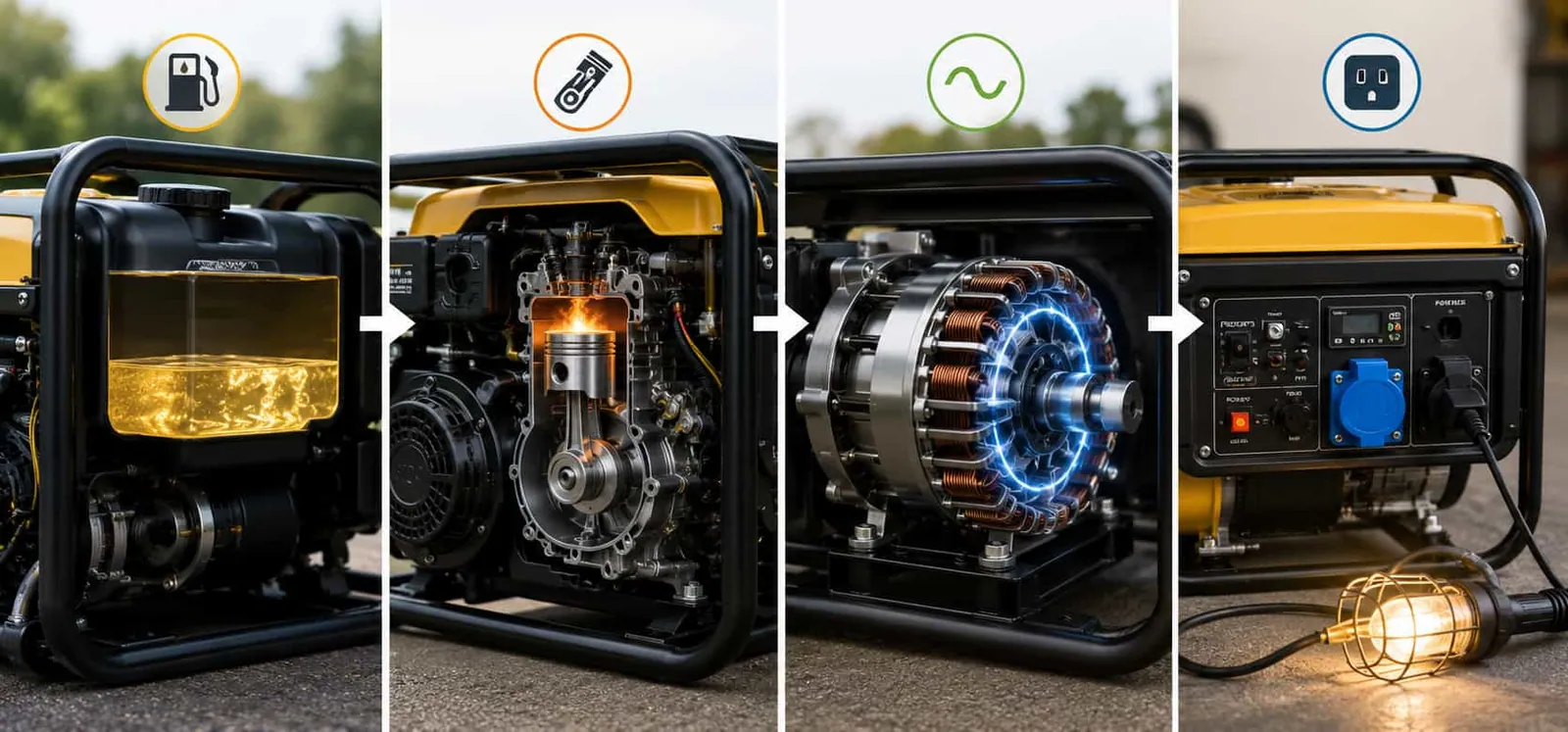
The word inverter refers to the electronic system that transforms and regulates the current. In a conventional generator, the engine drives an alternator that produces alternating current, which is delivered directly or with basic regulation. In an inverter the process is more elaborate: (1) the engine generates power; (2) the alternator produces current; (3) the internal electronics convert it; (4) the inverter system stabilizes it; (5) the unit delivers a clean, constant output. In other words, it generates direct current and then converts it into alternating current using digital electronics, achieving more consistent and safer power for delicate equipment. The key: the electricity that comes out is more stable.
How an inverter generator works
It combines a mechanical part and an electronic part. The mechanical part is similar to that of other generators (a combustion engine drives the system that produces electricity); the difference lies in the electronics, where the inverter microprocessor comes in.
1. The engine produces power
The engine burns fuel (usually gasoline) and generates mechanical motion, which makes it possible to produce electricity.
2. The alternator generates current
It converts that motion into electrical energy. Up to this point, it is similar to a conventional generator.
3. The inverter system transforms the current
This is where the difference lies: the current is processed electronically to stabilize it and eliminate sudden fluctuations.
4. The microprocessor regulates the output
It adjusts production according to demand: with a light load the engine can run at a lower speed; with a higher load, its response increases. This reduces consumption and noise compared with conventional models.
5. The result is cleaner current
The final output is stable, described as pure sine wave or clean current, which is especially important for sensitive electronic devices.
What is pure sine wave
Pure sine wave is a stable, regular form of current, similar to that of the electrical grid. It matters because many modern appliances need not only electricity, but quality electricity. A computer, a TV, a router or a modern charger may perform worse with unstable current; in extreme cases, spikes or variations can cause failures, overheating, unexpected shutdowns or shorten the lifespan of the device. With inverter generators we are not just talking about "having light", but about powering equipment with more controlled current.
Difference between an inverter generator and a conventional generator
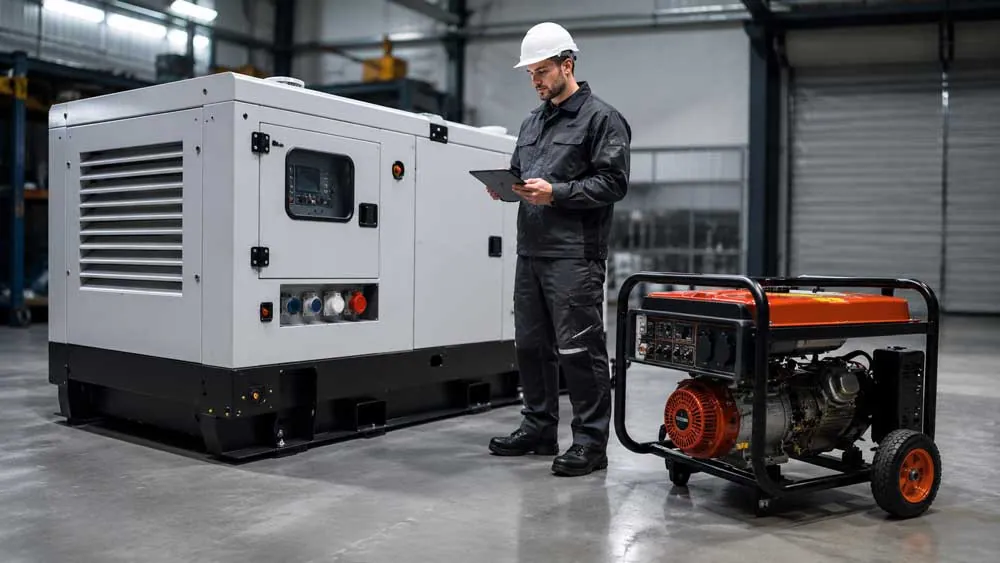
The main difference lies in how they produce and regulate electricity. A conventional one is usually simpler, more robust and cheaper, but noisier, consumes more and delivers less stable current. An inverter is more advanced electronically, more efficient and better suited to sensitive devices.
| Feature | Inverter generator | Conventional generator |
|---|---|---|
| Current quality | More stable and clean | Less stable |
| Sensitive electronics | Highly recommended | Less recommended |
| Noise | Usually quieter | Usually noisier |
| Consumption | Adjusts better to demand | Usually runs at a fixed speed |
| Weight | More compact in small power ratings | Can be heavier |
| Price | Usually higher | Usually lower |
| Ideal use | Camping, home, electronics, emergencies | Construction sites, tools, basic intensive use |
Advantages of an inverter generator
Its greatest advantage is the more stable current, which helps protect sensitive devices (computers, TVs, routers, mobile phones, cameras, sound equipment, chargers, small medical devices, modern appliances). In addition, it uses less fuel by adapting the engine speed to the load (it doesn't always run at full power); it makes less noise than a conventional one of similar power (more comfortable at campsites, in caravans, homes or events); it has a compact, portable design (closed casing, carrying handle); and it offers greater protection for electronic equipment by reducing spikes and fluctuations. If the main use is leisure, travel or camping, the options in portable camping generator are a good fit.
Disadvantages of an inverter generator
It is not always the best option. The price is higher because of the technology; the power may be more limited in small models (for large installations or industrial machinery, consider an industrial generator); repair is more technical because of the advanced electronics; and not all of them are suitable for every appliance: you need to calculate the required power, especially with motors, compressors, pumps, refrigerators or tools with a starting peak.
What an inverter generator is used for
It is used to have stable electricity when you have no mains power or need backup in case of outages. For the home, it can power the essentials during a blackout (lighting, router, computer, television, refrigerator, freezer, chargers, water pump if the power allows it): this is where the home generators or generator set for home ranges fit. In our home range, these units keep refrigerators, lighting, routers, security systems and other essential loads running during blackouts or mains incidents. For camping and the outdoors it combines portability, lower noise and safe current (lights, coolers, chargers, computers, cameras). For motorhomes it complements batteries, solar panels or portable power stations. For emergencies it keeps the basics running (refrigerator, router, lighting). Also for tools and light work (watch out for the starting peak) and light professional uses (events, food trucks, stands); for more demanding applications, a generator set is better.
How to choose an inverter generator
1. Calculate the power you need
List the appliances you will connect at the same time and add up their consumption:
| Appliance | Approximate consumption |
|---|---|
| Router | 10-20 W |
| Laptop | 60-100 W |
| TV | 80-150 W |
| Refrigerator | 150-300 W, with a higher peak |
| Microwave | 800-1.500 W |
| Coffee maker | 800-1.500 W |
| Power tool | Variable |
2. Take the starting peak into account
Refrigerators, freezers, pumps, compressors, air conditioners and tools with a motor consume more at startup. If you don't take this into account, the generator may fall short even if the rated power seems sufficient.
3. Look at continuous power, not just maximum
Pay attention above all to the power it can sustain steadily, not just the advertised maximum.
4. Check the noise level
It matters a lot at campsites, in the garden, at home or at events. Soundproof does not mean inaudible, but it is more comfortable.
5. Consider runtime and consumption
It depends on the tank, the connected load and efficiency. An inverter uses less fuel at low or medium loads because it adapts the engine speed.
6. Choose manual, electric or remote start
Small units usually have manual start; others come with electric start or remote control (more convenient for frequent home use).
7. Check outlets and connections
Check whether you need 230V, USB, a 12V socket, single-phase output, parallel connection, ATS or an output for solar support.
What inverter generator power do I need
| Use | Approximate Power |
|---|---|
| Charging a phone, laptop, small lights | 1.000-2.000 W |
| Camping with a portable cooler and several devices | 2.000-3.000 W |
| Basic home backup | 3.000-5.500 W |
| Refrigerator, router, lights and some appliance | 4.000-7.000 W |
| Home with more loads | 7.000 W or more |
| Professional or industrial use | According to technical calculation |
These are indicative ranges: the actual choice is made by adding up consumption and starting peaks. If you are comparing technologies, you can start with the broad category of electric generator and then filter by inverter, power or application.
Inverter generator vs AVR: which to choose
A generator with AVR regulates the voltage by means of an automatic regulator; it is useful, but it does not provide the same level of current quality as an inverter, which electronically transforms the current and delivers it cleaner and more stable.
| Technology | What it does | When it is suitable |
|---|---|---|
| AVR | Regulates voltage | Tools, general use |
| Inverter | Stabilizes and cleans the current | Sensitive electronics, home, camping |
| Conventional without advanced regulation | Produces basic electricity | Simple uses or robust loads |
Like any combustion engine, it needs oil checks, air filter cleaning or replacement, care with the gasoline (aged fuel causes starting problems) and spark plug checks. Never use it indoors, in closed garages or in unventilated spaces: combustion engines emit dangerous gases. And do not overload it beyond its rated power.
Genergy inverter generators
The entire Genergy range of inverter generators delivers a stable waveform for sensitive electronics. Filter according to your main use:
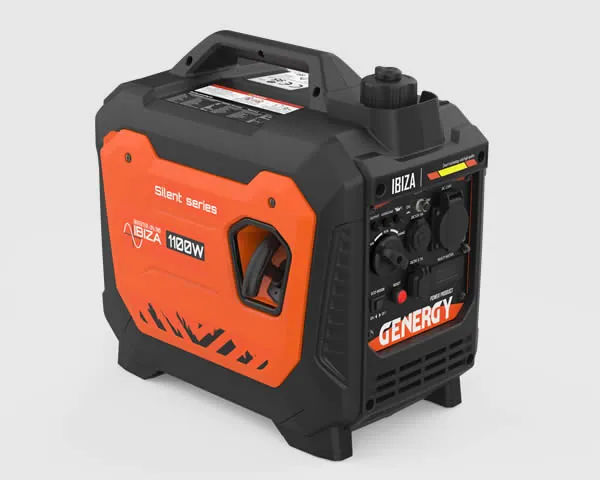
Ibiza 1100W Generator
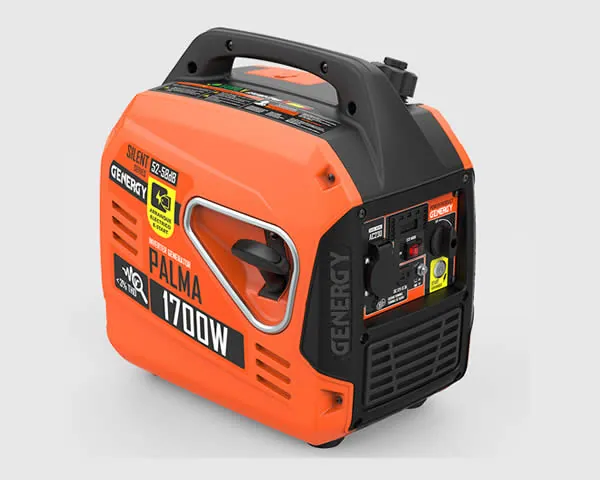
Palma 1700W Generator
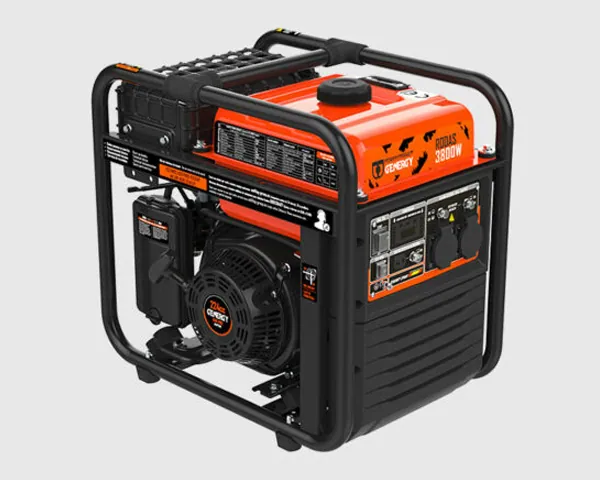
Generador Rodas 3800W
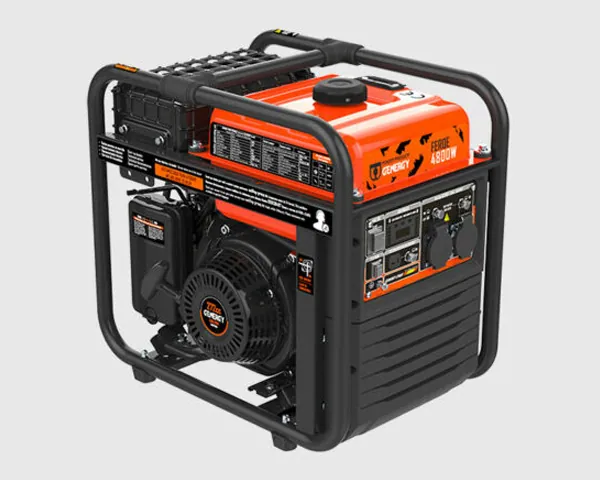
Generador Feroe 4600W
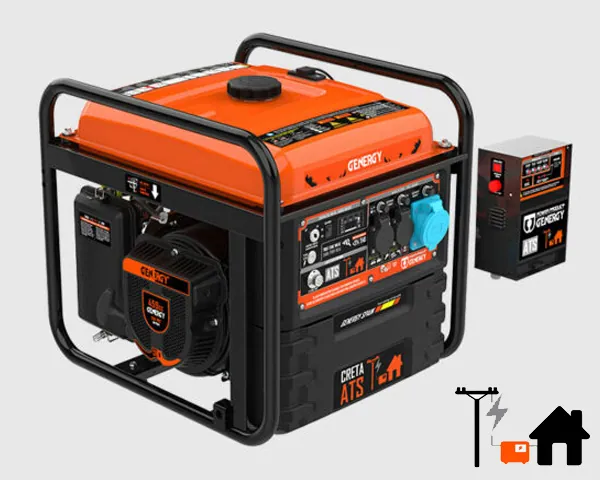
Creta ATS 7500W Generator
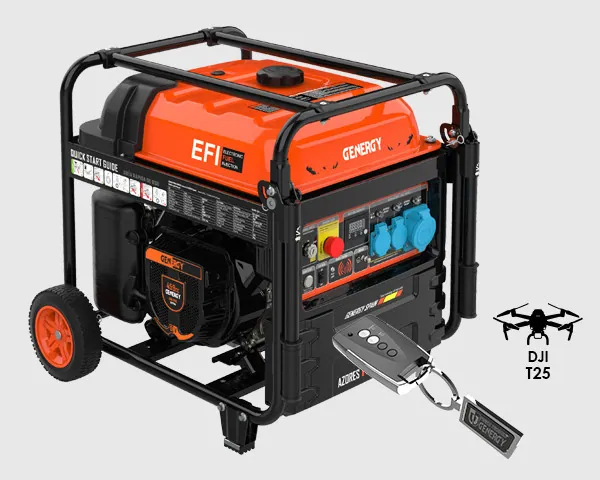
Azores RC 10000W Generator
👉 See the full range: Gasoline inverter generators · Portable camping generator · Home generators · Questions? Talk to a technician.
Not sure which inverter you need?
Tell us what you are going to connect (and where: home, camping, construction site) and we will help you choose the right power and start type. We are the manufacturer. No obligation.
Talk to a Genergy technicianConclusion
An inverter generator does not simply produce electricity: it transforms, stabilizes and cleans it using advanced electronics to deliver safer, more constant current. Its main advantage is the quality of the power, which is why it is ideal for sensitive electronics, camping, motorhomes, homes, power outages and remote work. Compared with a conventional one it is usually quieter, more efficient and more compact, although more expensive and requiring a more careful choice of power. The rule is simple: if you are going to power delicate electronics or want a convenient unit for home, camping or emergencies, the inverter is usually the best option; if you need a lot of power for robust machinery, a conventional or industrial generator set is a better fit.
Related categories
Related topics
Frequently asked questions about inverter generators
What is an inverter generator?
It is an electric generator that produces power through an engine and uses advanced electronics to deliver more stable, cleaner current than a conventional generator.
What is the difference between an inverter generator and a conventional one?
The inverter stabilizes the current through electronics, usually uses less fuel, makes less noise and protects sensitive appliances better. The conventional one is simpler and can be cheaper.
Does an inverter generator produce pure sine wave?
Many inverter generators are designed to deliver a clean, stable waveform suitable for sensitive electronics. Always check the model's technical data sheet.
Does an inverter generator work for a house?
Yes, it can power essential equipment during power outages. For an entire home, you need to calculate the power and the starting surges.
Can I connect a computer to an inverter generator?
Yes. In fact, one of its main advantages is that it is better suited for computers, routers, TVs and chargers than a basic conventional generator.
Does an inverter generator consume less?
It can consume less when the connected load is low or medium, because it adjusts the engine according to demand.
Are inverter generators quiet?
They tend to be quieter than conventional generators of similar power, although the noise level depends on the model, the load and the design.
What power do I need?
It depends on the appliances you want to connect. Add up the running power and add a margin for starting surges.
Can I use it inside the house?
No. It must never be used indoors or in enclosed spaces, because the engine emits dangerous gases.
Which is better, an inverter or a generator set?
It depends on the use. For sensitive electronics, camping and home use, an inverter is usually the better choice. For high power, intensive use or machinery, a conventional or industrial generator set may be more suitable.