How much does a solar panel generate: daily, monthly and annual output
By the Genergy technical team · Spanish manufacturer of generators and photovoltaic solutions (+15 years) · updated July 2026 · 10 min read.
Table of contents
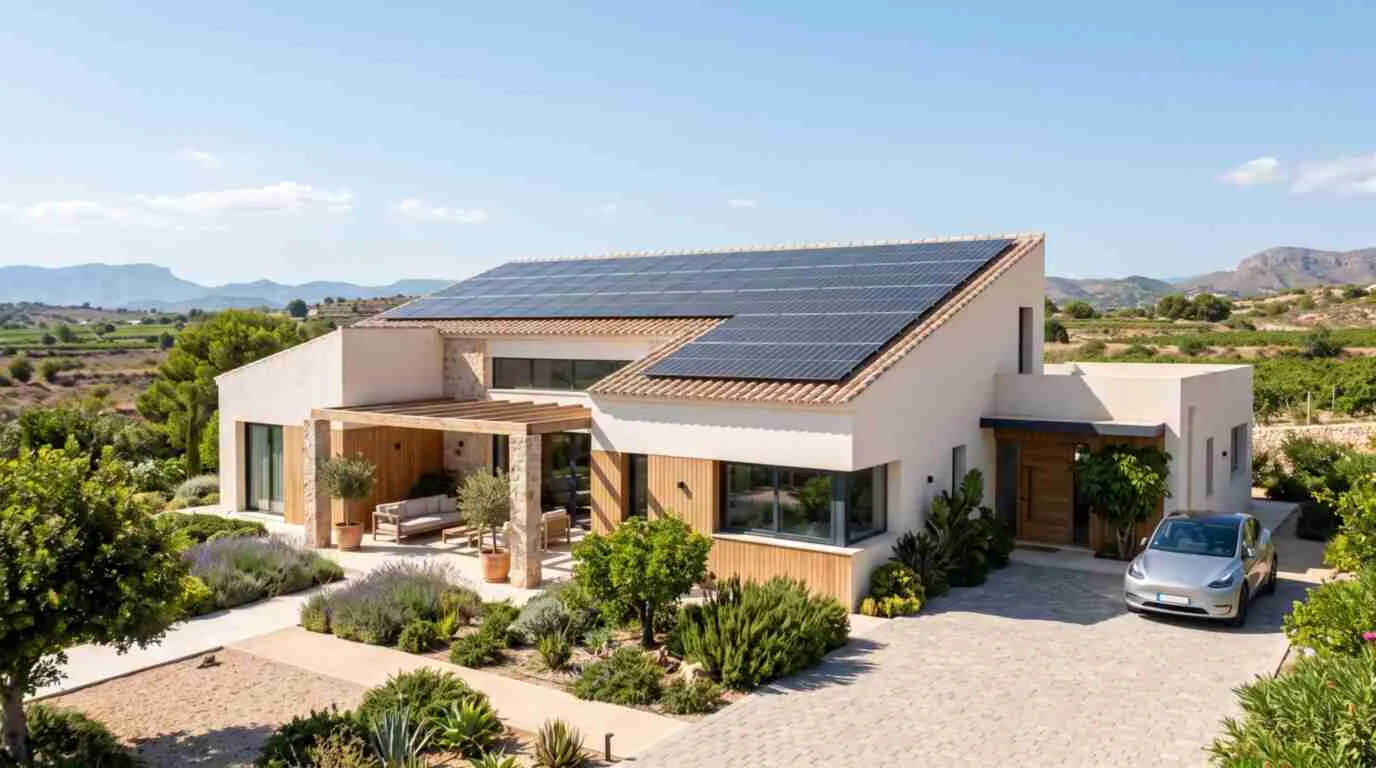
A standard 400W to 450W solar panel can generate, as a guide, between 1.6 and 2.2 kWh per day, which equals around 50-65 kWh per month per panel, with good orientation, little shade and a location with enough Peak Sun Hours. A panel does not always produce the same amount: its output depends on the panel's power, solar radiation, time of year, tilt, orientation, shade, temperature and normal system losses. To calculate it properly you need to understand three concepts: W, kWh and Peak Sun Hours.
How much does a solar panel generate per day
Daily production depends mainly on the panel's power and on the actual hours of useful sunshine it receives. A 400W panel does not generate 400W all day long: that is its maximum power under laboratory conditions. In a real installation, production starts low in the morning, rises at midday and drops in the afternoon.
A 400W panel generates approximately 1.4 kWh/day with 4 PSH, 1.7 kWh/day with 5 PSH and 2 kWh/day with 6 PSH (example: 0.40 kW × 5 PSH × 0.85 = 1.7 kWh/day). A 450W panel generates approximately 1.5 kWh/day with 4 PSH, 1.9 kWh/day with 5 PSH and 2.3 kWh/day with 6 PSH (0.45 kW × 5 PSH × 0.85 = 1.91 kWh/day). This matches the usual estimate: a 400W to 450W panel generates between 1.6 and 2.2 kWh per day under normal conditions. It produces more in summer than in winter, more on clear days and more if it is well oriented; and watch out for temperature, because excessive heat reduces the panel's efficiency.
How much does a solar panel generate per month and per year
You just need to multiply the daily output. If a panel generates between 1.6 and 2.2 kWh per day: per month, 1.6 × 30 = 48 kWh and 2.2 × 30 = 66 kWh (hence the 50-65 kWh/month). Per year, 50 × 12 = 600 kWh and 65 × 12 = 780 kWh (around 600-800 kWh/year), depending on location and efficiency. In summer it produces considerably more (more daylight hours and better radiation) and in winter less (shorter days, lower sun, more clouds), but it does still generate; on cloudy days it also produces, although less, because it needs radiation even if it is not direct sunlight.
How to calculate how much energy a solar panel produces
Real-world efficiency usually ranges between 75% and 90%, because there are always losses from temperature, wiring, inverter, orientation, dirt or shade. Example with a 450W (0.45 kW) panel in a 5 PSH area: 0.45 × 5 = 2.25 kWh theoretical; applying 15% losses, 2.25 × 0.85 = 1.91 kWh/day actual.
Peak Sun Hours (PSH) indicate how many equivalent hours of maximum solar radiation an installation receives per day. They are not "daylight hours": there can be 12 hours of daylight but only 4, 5 or 6 useful PSH. That is why two homes with the same panel can produce different amounts depending on the radiation in their area or whether they have shade.
450W panel (0.45 kW) · 5 PSH · 15% losses: 0.45 × 5 × 0.85 = 1.91 kWh/day. Per month: 1.91 × 30 = 57.3 kWh. Per year: 57.3 × 12 ≈ 688 kWh.
Production table by solar panel power
| Panel power | Daily production | Monthly production | Annual production |
|---|---|---|---|
| 300W | 1.0-1.5 kWh/day | 30-45 kWh/month | 360-540 kWh/year |
| 400W | 1.4-2.0 kWh/day | 42-60 kWh/month | 500-720 kWh/year |
| 450W | 1.6-2.2 kWh/day | 48-66 kWh/month | 575-790 kWh/year |
| 500W | 1.8-2.5 kWh/day | 54-75 kWh/month | 650-900 kWh/year |
| 550W | 2.0-2.8 kWh/day | 60-84 kWh/month | 720-1,000 kWh/year |
These are approximate figures: a 450W panel in a very sunny area, well installed and with no shade can produce more than a poorly oriented or partially shaded 500W panel.
Production by Peak Sun Hours
Calculation with an approximate real-world efficiency of 85%:
| Power | 3 PSH | 4 PSH | 5 PSH | 6 PSH |
|---|---|---|---|---|
| 400W | 1.02 kWh/day | 1.36 kWh/day | 1.70 kWh/day | 2.04 kWh/day |
| 450W | 1.15 kWh/day | 1.53 kWh/day | 1.91 kWh/day | 2.30 kWh/day |
| 500W | 1.28 kWh/day | 1.70 kWh/day | 2.13 kWh/day | 2.55 kWh/day |
| 550W | 1.40 kWh/day | 1.87 kWh/day | 2.34 kWh/day | 2.81 kWh/day |
Factors that influence how much a solar panel generates
Power is important, but it is not everything. The following all have an influence: geographic location (the available radiation makes an enormous difference); orientation and tilt (in Spain, south is usually ideal, although east/west can work well if the design is adapted to consumption); shade and obstacles (one of the biggest enemies, especially during the central hours of the day); temperature (excessive heat reduces efficiency); dirt and maintenance (dust, leaves or bird droppings reduce light capture); panel and inverter quality; and the installation's real-world losses (temperature, inverter, cables, dirt, orientation, shade, degradation and mismatch), which is why that 75-90% efficiency is applied.
Difference between W, kW and kWh
Here many people confuse power with energy. A panel rated at 450W means it can deliver up to 450 watts of power under ideal conditions, not that it produces 450W all day. The kWh measures energy: it is what you consume and what appears on your bill (a 1,000W appliance running for 1 hour consumes 1 kWh; a 450W panel generating for several hours produces 1.5, 2 or more kWh per day). In short: power is the instantaneous capacity and energy is the production accumulated over time. A 450W panel does not generate "450 kWh".
How many solar panels you need based on your consumption
First you need to know your monthly electricity consumption and divide it by what each panel generates (~55 kWh/month). If you consume 150 kWh/month: 150 / 55 ≈ 3 panels. If you consume 300 kWh/month: 300 / 55 ≈ 5-6 panels. If you consume 600 kWh/month: 600 / 55 ≈ 11 panels (here a more detailed study is advisable).
| Monthly consumption | Approximate panels needed |
|---|---|
| 150 kWh/month | 3 panels |
| 250 kWh/month | 5 panels |
| 300 kWh/month | 5-6 panels |
| 450 kWh/month | 8-9 panels |
| 600 kWh/month | 11-12 panels |
Approximate calculations based on panels that generate around 50-65 kWh per month. To refine them, see the guide how to calculate how many solar panels I need.
Solar production with a battery: when it makes sense
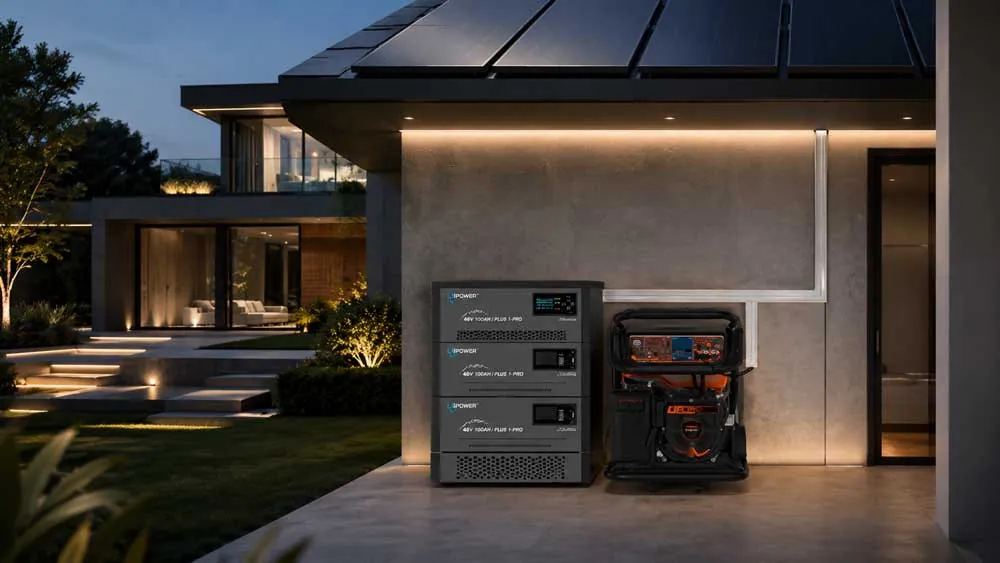
A panel generates during the day, but many homes consume more in the evening or at night, when the panels are producing little. That is where the battery comes in. If you produce more than you consume at that moment, you can feed the surplus into the grid (if it is connected and configured), store it in batteries, shift consumption to solar hours or lose part of the potential. A battery lets you store energy from the day to use it without sun, which is useful if you consume a lot at night, suffer power cuts, want greater independence or have an off-grid installation. A solar kit with battery for self-consumption fits here, when the goal is not only to produce but also to store.
Portable solar panels: how much energy they generate
Not all panels are designed for rooftops: there are also portable panels for camping, vans, gardens, emergencies or small loads. They usually have less power than fixed home panels, but offer mobility and ease of use: they are suitable for charging portable batteries, mobile phones, tablets, LED lights, power stations, small fridges or cameras. In these cases the important thing is not to produce many kWh, but to have energy available where there is no grid. For this, portable solar panels are a practical and flexible option.
What happens when there is not enough sun
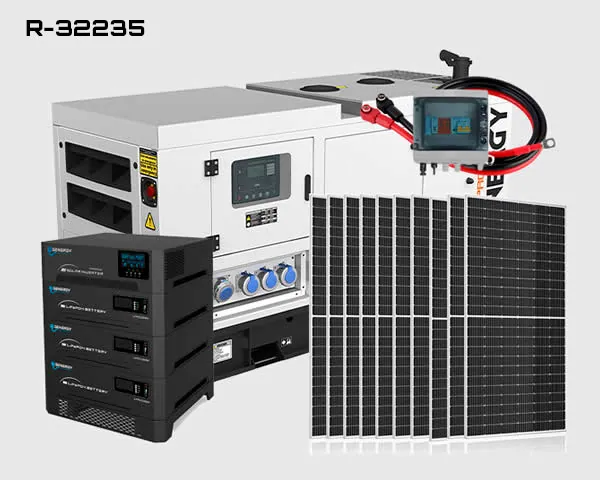
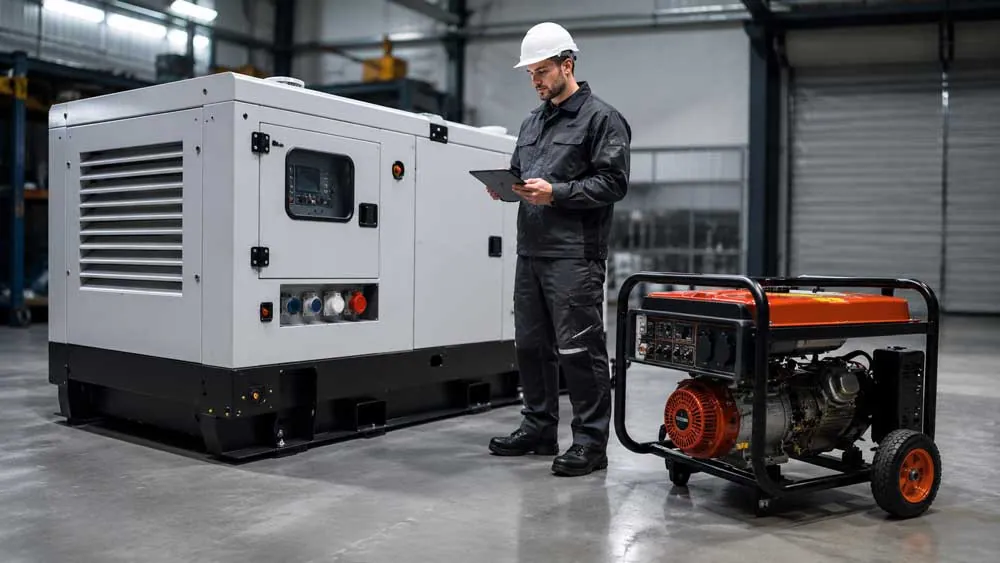
Solar energy depends on the sun: less is produced on cloudy days, in winter, at night or with shade. If you need electricity even when production drops, you can combine the installation with batteries or with a backup system. In homes, farms or businesses where power cannot be allowed to fail, it makes sense to consider a photovoltaic backup system. For small loads or occasional support, a small generator set or a mini electric generator fits; and for large installations or environments where continuity is critical, an industrial generator set.
Common mistakes when calculating solar production
The most common ones: thinking the panel always produces its maximum power (the 450W is an ideal reference); not taking losses into account (calculating without them gives an overly optimistic production); ignoring partial shade (it affects more than it seems during the central hours); calculating with daylight hours instead of PSH; and not checking the home's real consumption (knowing how much a panel generates is of little use if you do not know how much you consume).
Quick table: approximate production and use
| Daily production | What it can approximately cover |
|---|---|
| 1 kWh/day | LED lights, router, small loads |
| 2 kWh/day | Small appliances, partial remote working |
| 5 kWh/day | A significant part of basic consumption |
| 10 kWh/day | Efficient home with moderate consumption |
| 15-20 kWh/day | Home with more appliances or partial climate control |
Genergy solar panels and kits
Filter depending on whether you are looking for a single panel or a complete kit, and remember that real production depends on your location, orientation and shade:
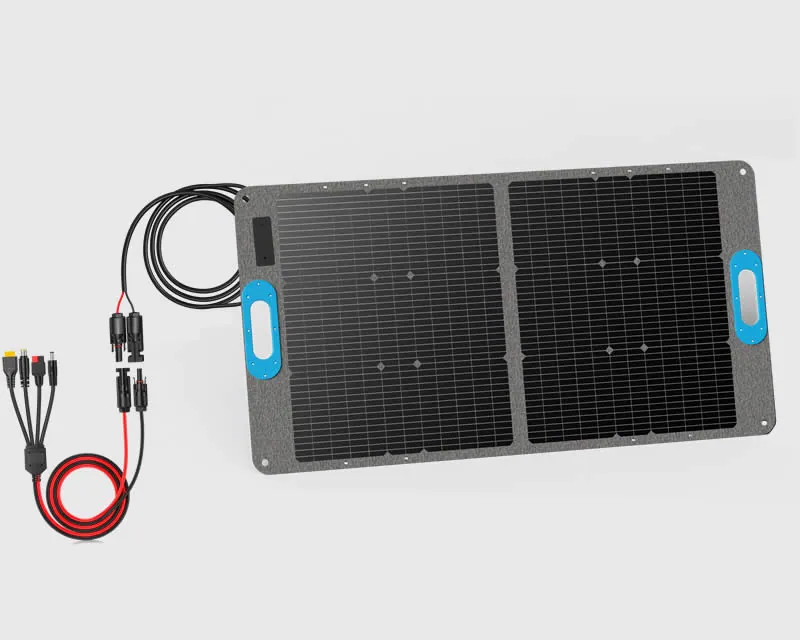
Panel Solar SUN100W
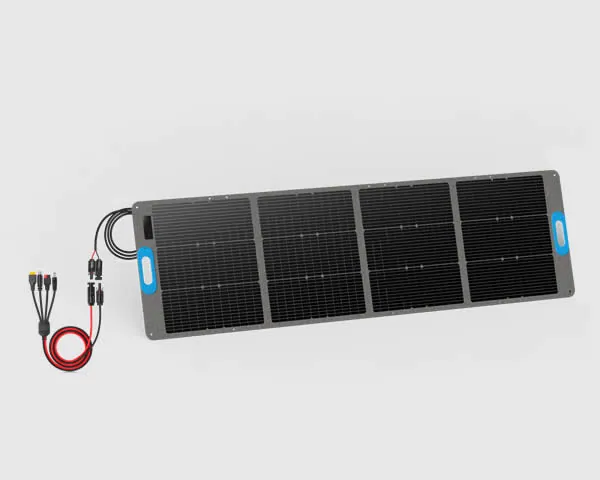
Panel Solar SUN200W
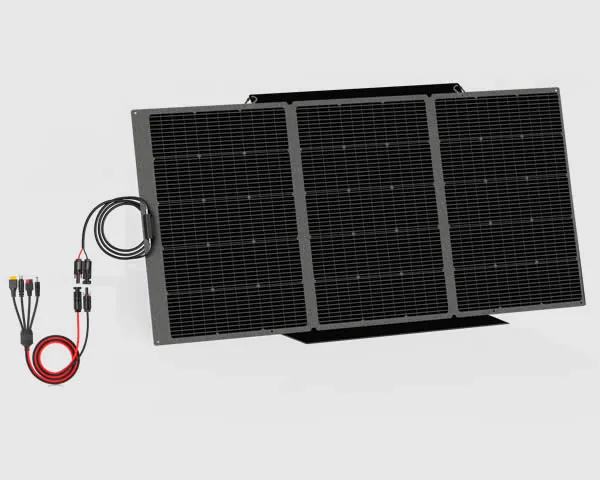
Panel Solar SUN300W
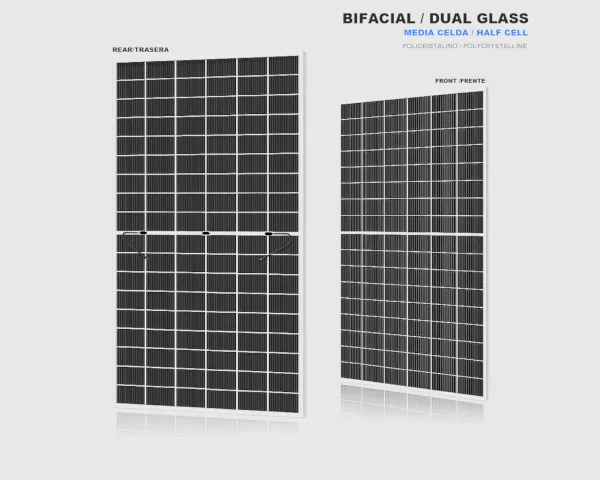
Panel Solar HC660W
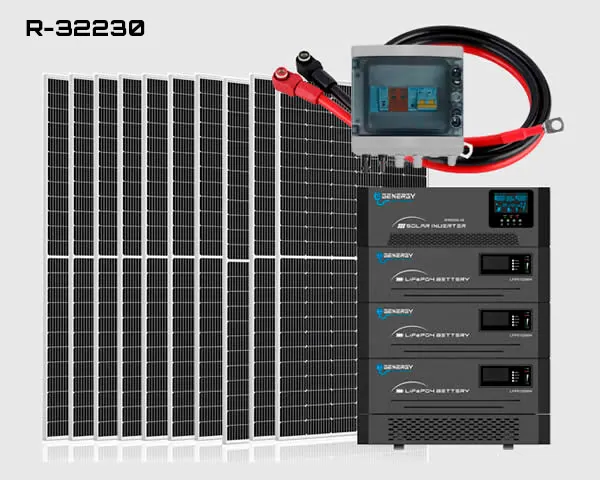
Plan Solar Sigma
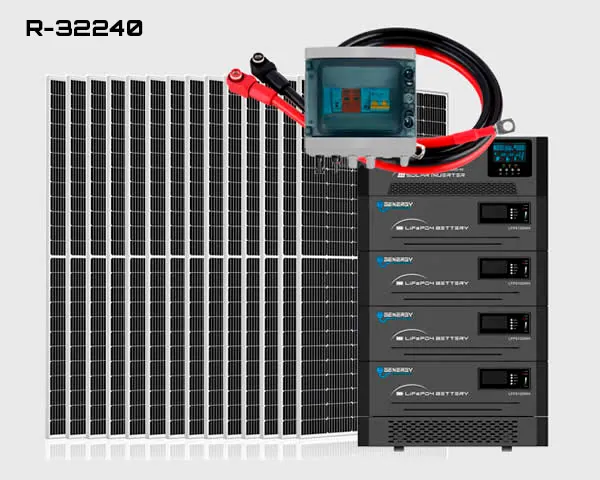
Plan Solar Pegasus
👉 See the full range: Portable solar panels · All-inclusive photovoltaic systems · Solar kit with battery · Any questions? Talk to a technician.
How much energy do you need to produce?
Tell us your daily consumption and where you live, and we will help you calculate how many panels you need and which kit suits your home. We are manufacturers. No obligation.
Talk to a Genergy technicianConclusion
A standard 400W to 450W solar panel usually generates between 1.6 and 2.2 kWh per day, around 50-65 kWh per month and between 600 and 800 kWh per year. But real production depends on Peak Sun Hours, location, orientation, tilt, shade, temperature, dirt and losses. To calculate it, use: daily production = power (kW) × PSH × real-world efficiency. A battery helps you use at night what you produce during the day, and a backup system covers you when there is not enough sun. The key is not only knowing how much a panel generates, but understanding how much energy you need, when you consume it and how you want to cover it.
Related categories

Related topics
Frequently asked questions about how much a solar panel generates
How much does a 400W solar panel generate per day?
A 400W panel can generate approximately between 1.4 and 2 kWh per day, depending on Peak Sun Hours, orientation, shade and losses.
How much does a 450W solar panel generate per month?
A 450W panel can generate around 50-65 kWh per month under normal conditions, although it may produce more or less depending on the location.
How many kWh does a solar panel produce in winter?
In winter it produces less than in summer because there are fewer daylight hours and lower radiation. Production can drop noticeably, especially in areas with cloud cover.
What are Peak Sun Hours?
They are the equivalent hours of maximum solar radiation that an installation receives. They are used to calculate the real production of a solar panel.
How many solar panels do I need for a house?
It depends on monthly consumption. As a guide, a home that consumes 300 kWh per month might need around 5-6 panels if each one generates about 50-65 kWh per month.
Does a solar panel produce energy on cloudy days?
Yes, but it produces less. Panels generate electricity from diffuse radiation, although production drops compared with a clear day.
Is it worth adding a battery?
It is worth it if you consume a lot of energy in the evening or at night, if you want greater independence or if you need backup during power cuts.
What backup should I use if there is not enough sun?
You can use batteries, photovoltaic backup systems or support generators, depending on the size of the installation and how important it is to keep electricity available.
What is the difference between W and kWh?
W indicates instantaneous power. kWh indicates energy generated or consumed over a period of time.
Can a single solar panel power an entire house?
A single panel cannot normally power an entire house. To cover a whole home you need an installation with several panels, a suitable inverter and, in some cases, batteries.