Monocrystalline or polycrystalline solar panel: which suits your installation best
By the Genergy technical team · Spanish manufacturer of generators and solar energy systems (+15 years) · updated in July 2026 · 8 min read.
Table of contents
If you are unsure between a monocrystalline or polycrystalline solar panel, the short answer is that, in most current installations, monocrystalline is the more attractive option: more output per square meter, better use of the roof and a better fit for residential self-consumption. Polycrystalline can still make sense if budget matters above all and space is not an issue, but the market is clearly moving toward monocrystalline solutions and more efficient derived technologies. The main reason is efficiency: monocrystalline silicon is purer and more homogeneous, which improves the flow of electrons and generates more electricity per square meter.
What is the difference between a monocrystalline and a polycrystalline panel
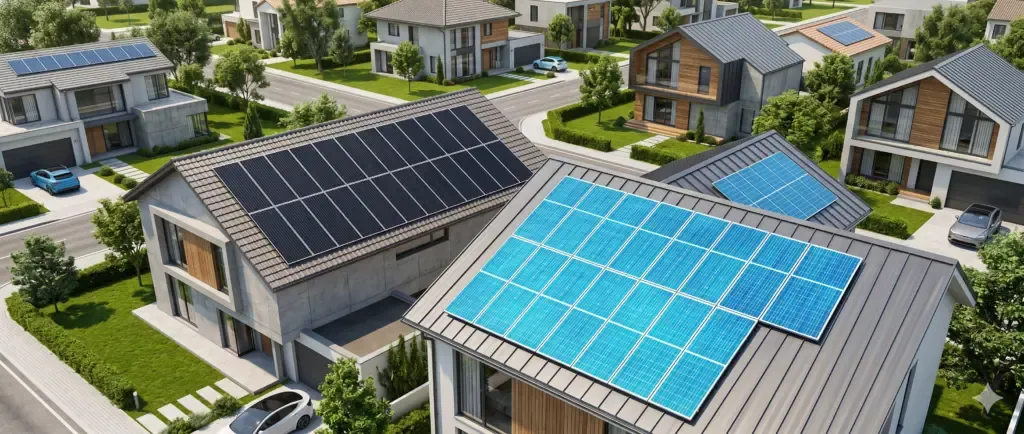
The basic difference lies in how the silicon is made. In monocrystalline panels, the cells come from a single silicon crystal, purer and more uniform (they are recognizable by their uniform black color). In polycrystalline panels, the silicon is formed from several melted crystals (hence their characteristic bluish tone), which makes electron conduction somewhat less efficient. That difference is precisely what explains why monocrystalline produces more energy in the same surface area: the purity and homogeneity of the silicon directly affect the movement of electrons.
Monocrystalline vs polycrystalline: comparison table
| Criterion | Monocrystalline | Polycrystalline |
|---|---|---|
| Efficiency | Higher (~18-22%) | Lower (~15-17%) |
| Output per m² | More energy in less space | Needs more surface area |
| Upfront price | Somewhat higher | Somewhat lower |
| Performance in heat | Loses less performance at high temperatures | Somewhat more sensitive to heat |
| Space required | Fewer m² for the same power | More m² for the same output |
| Color / aesthetics | Uniform black | Bluish |
| Ideal use | Small roofs, self-consumption, profitability | Plenty of space and a tight budget |
Efficiency percentages are typical industry ranges for guidance; they vary by manufacturer and model.
Key differences point by point
Efficiency and output per square meter
This is the most important point. Monocrystalline is clearly ahead: typical ranges are around 18-22% (or more in advanced ranges), while polycrystalline usually falls below that. This advantage means it produces more energy in less surface area. Put simply: if you have little roof space, monocrystalline starts with the advantage.
Upfront price
Historically, polycrystalline has been associated with a somewhat lower upfront cost, and it remains one of its few clear advantages. But the decision shouldn't stop there: a cheaper panel doesn't always work out better if it produces less or requires more surface area to achieve the same result. The price gap, moreover, has narrowed considerably.
Durability and service life
In terms of durability the difference is not as dramatic as in efficiency, but the market is pushing advanced monocrystalline ranges more, which are usually associated with better production warranties and more controlled degradation over the years.
Performance in heat (temperature coefficient)
A fact many people overlook: a panel does not operate at 25 °C when in the sun; it can reach considerably higher temperatures, and that reduces its performance. Monocrystalline usually behaves better in this respect and loses less performance at high temperatures, which is relevant in the Spanish climate.
Space required
If you want to install more power in fewer square meters, monocrystalline wins again. It is one of the reasons why it is now the most logical recommendation for homes and self-consumption.
Pros and cons of monocrystalline solar panels
Advantages: they generate more electricity per square meter, fit better on roofs with limited space, perform better in heat and hold the best position in comparisons where efficiency and real-world performance count. Disadvantage: their main drawback is the upfront price, somewhat higher than that of a polycrystalline panel; anyone who looks only at the purchase cost and has plenty of space may be tempted to go for polycrystalline.
Pros and cons of polycrystalline solar panels
Advantage: its strongest argument remains keeping the upfront cost down when space is not a problem. Disadvantage: lower efficiency, which means more surface area to achieve a similar output and, in many current installations, a weaker position against modern monocrystalline technologies.
Which solar panel suits each case best
For small roofs
Clear recommendation: monocrystalline. If space is limited, you need to maximize the energy per square meter, and that is where the efficiency difference is most noticeable.
For those looking to save at the start
If the absolute priority is upfront cost and there is plenty of surface area, a polycrystalline panel can be defensible. Even so, it is worth checking whether that saving makes up for the lower output per square meter.
For long-term profitability
Thinking in terms of years, monocrystalline usually carries more weight: more output per square meter and better technological positioning make it, in many cases, the more reasonable purchase.
For residential self-consumption
In a home, it is now most common for a modern monocrystalline panel to make more sense, especially if you want to build something that can grow or be combined with backup. Here it is worth planning the installation together with scalable systems, an off-grid inverter or a solar backup generator if you are looking for continuity and autonomy.
So, which is better: monocrystalline or polycrystalline?
For most current installations, monocrystalline. Not because polycrystalline is "bad", but because the market and technical logic increasingly favor efficiency, use of space and real-world performance. In one sentence:
Monocrystalline if you want more performance, better use of the roof and a purchase in line with the current market. Polycrystalline if budget comes first and space is not a constraint.
Genergy solar solutions
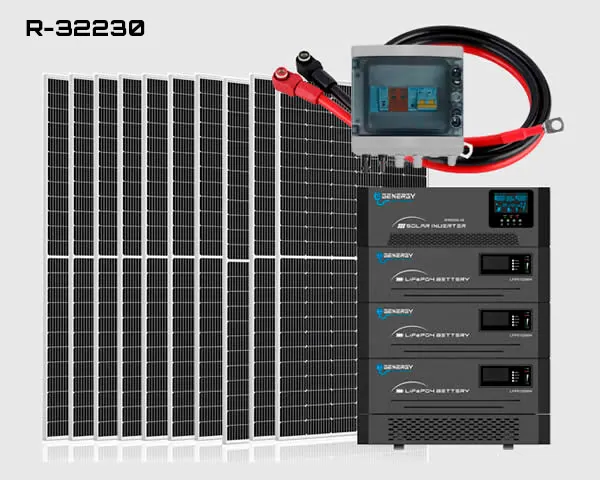
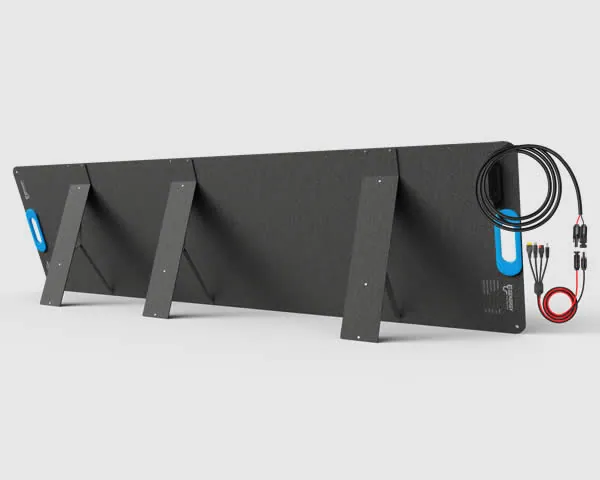
Genergy does not sell loose panels, but ready-to-use solar systems (all-inclusive kits and power stations), with or without a backup generator. Filter by what you are looking for:
Plan Solar Sigma
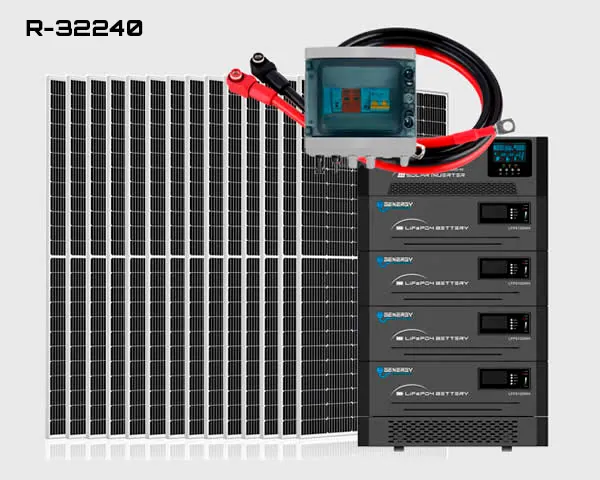
Plan Solar Pegasus
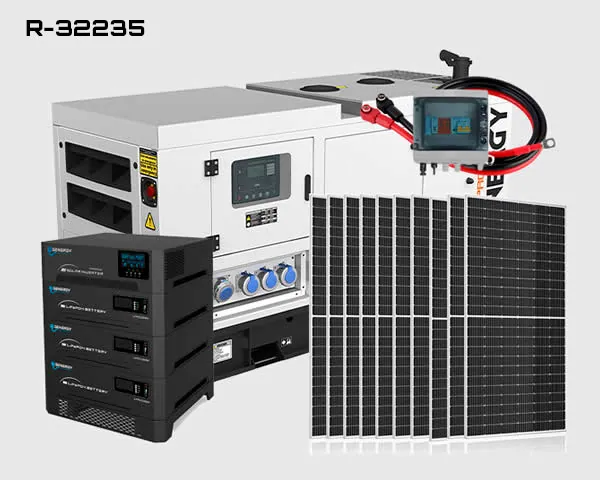
Plan Solar Sigma Backup-A
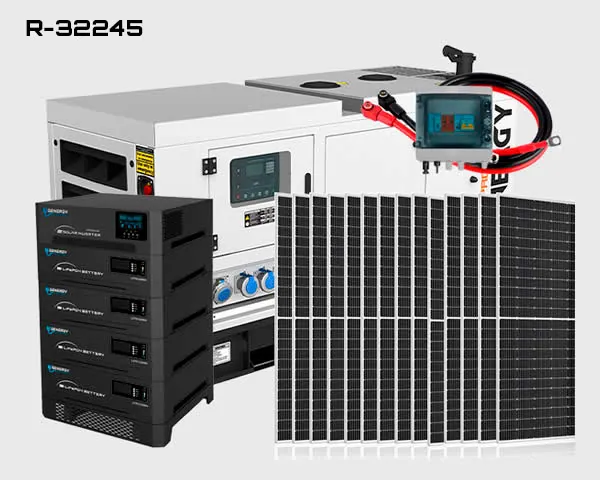
Plan Solar Pegasus Backup-A
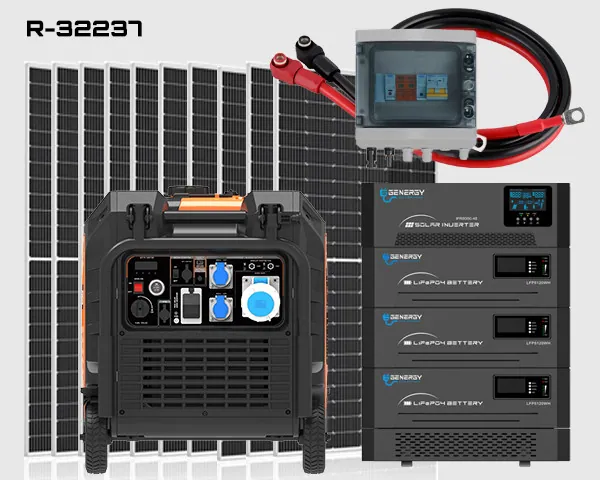
Plan Solar Sigma Backup-B
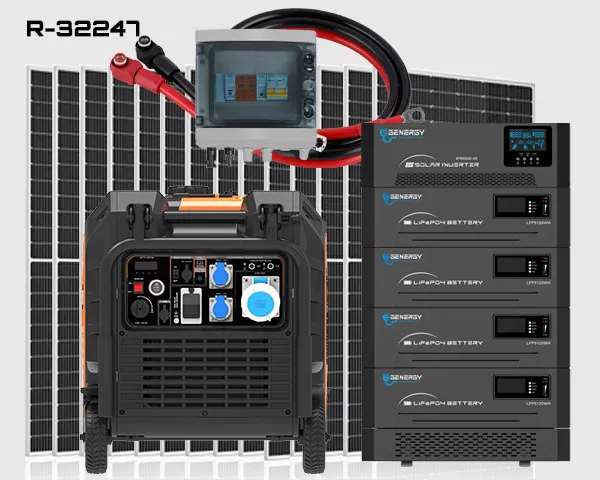
Plan Solar Pegasus Backup-B
👉 See the full solar range: All-inclusive systems · Portable solar panels · Photovoltaic backup · Questions? talk to a technician.
Setting up a solar installation and not sure what to choose?
Genergy manufactures solar kits and photovoltaic backup systems. Tell us about your roof, your consumption and your goal, and we will help you choose the right solution. No commitment.
Talk to a Genergy technicianConclusion
When someone asks monocrystalline or polycrystalline solar panel, they are really asking what to prioritize: more output in less space or lower upfront cost. In most cases monocrystalline comes out ahead, thanks to the purity of the silicon and better electron conduction, which translate into more efficiency and more energy per square meter. And if you are building an installation with the future in mind, the most logical approach is to think of the panel as part of a complete, scalable solution, not as an isolated piece.
Related categories
Related topics

Frequently asked questions: monocrystalline or polycrystalline
Which is better, a monocrystalline or a polycrystalline solar panel?
In most current installations, monocrystalline is usually better: it offers higher energy efficiency, generates more electricity per square meter and makes better use of space. Polycrystalline can make sense if the upfront budget is limited and space is not a problem.
Which panel gives more performance?
Monocrystalline, because it is made from purer, more homogeneous silicon, which improves electron conduction. For the same surface area, it produces more energy than a polycrystalline panel.
What is the difference between monocrystalline and polycrystalline?
The type of silicon. Monocrystalline uses a single crystal, purer and more uniform (black color), and is more efficient. Polycrystalline is made from several crystals (bluish tone), is somewhat cheaper but less efficient.
Which is better for a house?
Usually monocrystalline, especially if you want to get more output from less space and improve long-term profitability. Polycrystalline usually only pays off if you prioritize a lower upfront cost and have plenty of roof space.
When is polycrystalline worth it?
When the main goal is to reduce the upfront cost and there is enough surface area to fit more panels. If space is limited or you are looking for more performance per square meter, monocrystalline pays off more.
What are the disadvantages of monocrystalline panels?
Their main disadvantage is the upfront price, somewhat higher than that of a polycrystalline panel. Apart from that, they usually come out better in efficiency, performance in heat and use of space. The price gap, moreover, has narrowed considerably.
Which performs better in heat?
Monocrystalline usually loses less performance at high temperatures thanks to a better temperature coefficient. It is a relevant factor in the Spanish climate, where panels reach high temperatures in summer.
How long does each type of panel last?
Both offer long service lives (usually with production warranties of 25-30 years). The durability difference is not as large as the efficiency difference, although advanced monocrystalline ranges are usually associated with better warranties and lower degradation.
What is a PERC or bifacial panel?
They are evolutions of the technology (normally on a monocrystalline base). PERC adds a layer that improves light utilization; bifacial captures radiation on both sides. Both aim for higher efficiency and are a trend compared with classic polycrystalline.
Can monocrystalline and polycrystalline panels be mixed?
It is not recommended to mix different types or models in the same string, because the whole string tends to match the lowest-performing panel. Ideally, use a homogeneous installation, with panels of the same type and characteristics.