Difference between a generator and a generator set: what really changes
By the Genergy technical team · Spanish manufacturer of generators and generator sets (+15 years) · updated July 2026 · 8 min read.
Table of contents
The question about the difference between a generator and a generator set is more common than it seems, mostly because in everyday language many people use both terms as synonyms. And that is understandable: both are related to producing electricity. Technically, however, they do not mean the same thing.
The important difference is not just size, fuel or power, although all of those play a part. The real key is this: a generator is the element that produces electricity, whereas a generator set is a complete, self-contained unit that integrates an engine, a generator and the systems needed to supply power. In real-world use, small portable units are called "generators", and robust equipment (usually diesel, for higher power or critical backup) is called a "generator set".
Are a generator and a generator set the same thing?
No, they are not exactly the same. A generator is, in the technical sense, the component that transforms mechanical energy into electrical energy. A generator set is the complete assembly that makes it possible to produce electricity autonomously, because it integrates that generator together with a combustion engine, control systems, fuel, cooling and other auxiliary elements.
In everyday language, however, it is common to call "generators" units that are actually compact generator sets. That is where much of the confusion comes from. That is why the best answer is twofold: technically they are not the same, but in common usage they are very often confused.
What is an electric generator
An electric generator is the element responsible for transforming mechanical energy into electricity. To do so, it needs to receive a rotary motion from an external source: a combustion engine, a turbine or another mechanical system. Its principle is electromagnetic induction: when certain internal parts rotate within a magnetic field, an electric current is produced.
This means that the generator, on its own, is not always a self-contained unit. It can be part of a larger system, and that is in fact what happens inside a generator set. In practice, many people call a small portable gasoline unit a "generator"; but if that unit has an engine, an alternator and auxiliary elements to run on its own, it is closer to a compact generator set than to a generator understood as an isolated component.
What is a generator set
A generator set is a complete unit designed to produce electricity autonomously. It integrates, at a minimum, a combustion engine and a generator or alternator: the engine burns fuel, produces motion and transmits it to the generator, which converts it into electricity. On top of this come a control panel, a fuel tank or fuel system, cooling, exhaust, a starter battery and, in many cases, automatic monitoring systems and response to mains failure.
The key word is autonomy: it does not need to rely on any other external system to produce the motion the generator requires, because it carries its own engine and everything necessary to operate as a complete unit.
If what you need is a thorough understanding of what a generator set is and how it works (parts, types, uses), we have a dedicated guide: what a generator set is and what it is used for. This article focuses on the difference between the two terms.
Difference between a generator and a generator set (comparison table)
| Aspect | Electric generator | Generator set |
|---|---|---|
| Definition | Device that converts mechanical energy into electricity | Complete system that includes engine + generator |
| Components | Only the generator (alternator) | Engine (gasoline/diesel) + alternator + control |
| Operation | Needs an external source to rotate (engine, turbine…) | Operates autonomously with its own engine |
| Autonomy | Not self-contained on its own | Fully self-contained |
| Typical use | Part of more complex systems (power plants, machinery) | Direct use in homes, construction sites, industry |
| Application | Technical or industrial power generation | Portable or backup generation |
| Example | Alternator of a power plant | Diesel set for a construction site or emergency |
| Terminology | More generic term | More complete and technical term |
Practical differences: power, fuel and size
Power and capacity
In practical use, the generator is usually associated with low or medium needs, while the generator set is built for higher power and more demanding loads. It is not an absolute rule, but it is a very common tendency: generator sets are designed for harsher, continuous or critical environments.
Fuel and autonomy
Small units identified as portable generators usually run on gasoline, whereas the more robust generator sets are usually diesel (or gas in certain environments). The generator set is also designed to work for longer, with greater stability and an architecture better prepared for prolonged use or serious backup.
Size, portability and noise
The generator in its most common form is usually more compact, portable and easy to handle. The generator set tends to be larger, heavier and geared towards fixed or semi-permanent installations. And the higher the power and robustness, the more common it is to find factors such as higher noise levels, soundproofing systems or sturdier bedframes for continuous operation.
When to choose a generator and when a generator set
Domestic use or low demand
If the energy need is small, occasional or mobile, a small, simple unit is a better fit. For powering tools, small appliances or occasional domestic use, what is usually called a "generator" is enough: ease of transport, simple starting and moderate demand take priority.
Industrial, continuous or critical emergency use
When we are talking about demanding installations, continuity of service, backup during major outages or high loads, the generator set is the logical choice. Autonomy, robustness, supply stability and the ability to work in harsh conditions matter here. An easy rule to remember: for small or medium needs, a portable generator; for high power, continuous operation or critical backup, a generator set.
Common mistake: why many people use them as synonyms
The main reason is that both concepts are tied to the same function: producing electricity when it is needed. Since end users focus more on the result than on the internal architecture, it is normal for the terms to get mixed up. In addition, in the market the word "generators" is used to refer to units that are technically small generator sets. It does not matter if the two are used as synonyms in an informal conversation; the problem appears when technical precision is needed or when you have to choose the right equipment for a specific installation.
Genergy generators and generator sets
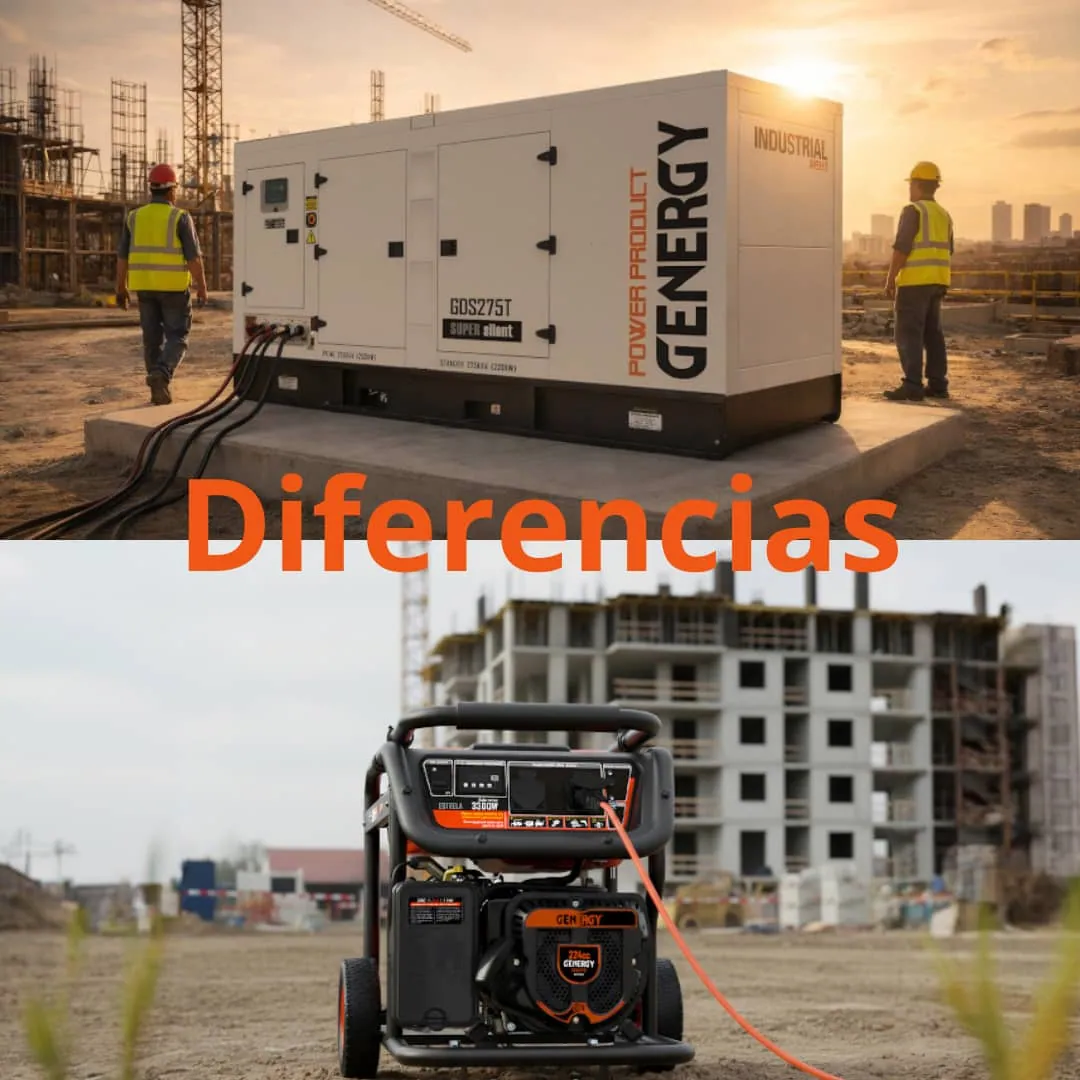
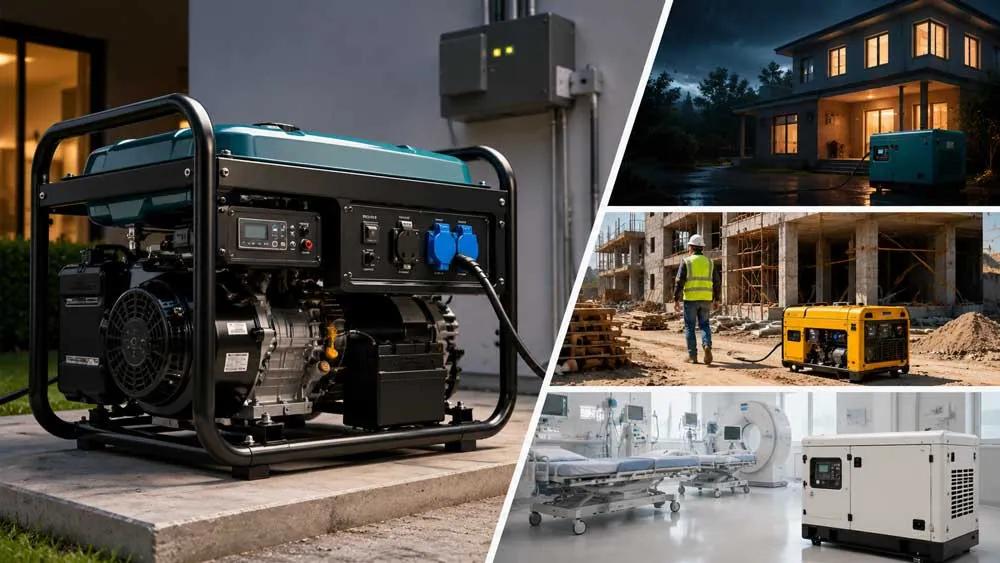
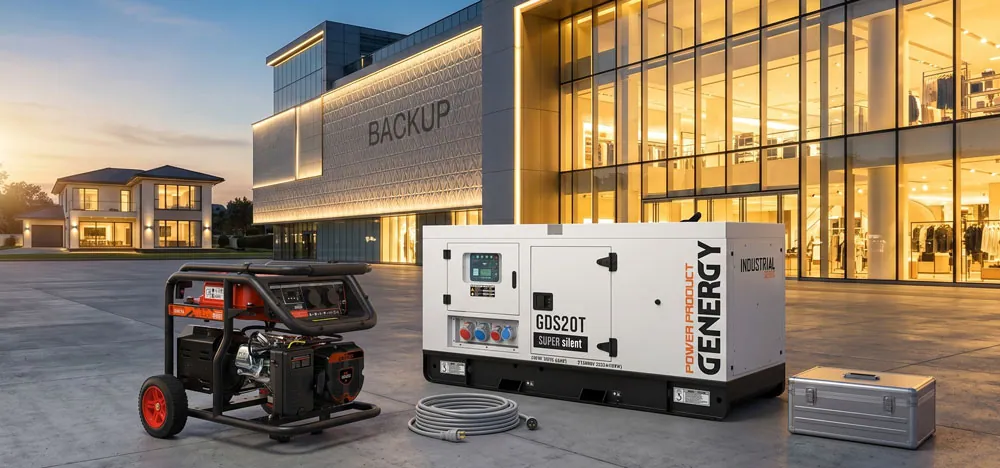
The best way to see the difference is to compare the two extremes: a portable generator (gasoline, lightweight) versus a diesel generator set (self-contained, for continuous operation). Filter according to what you need:
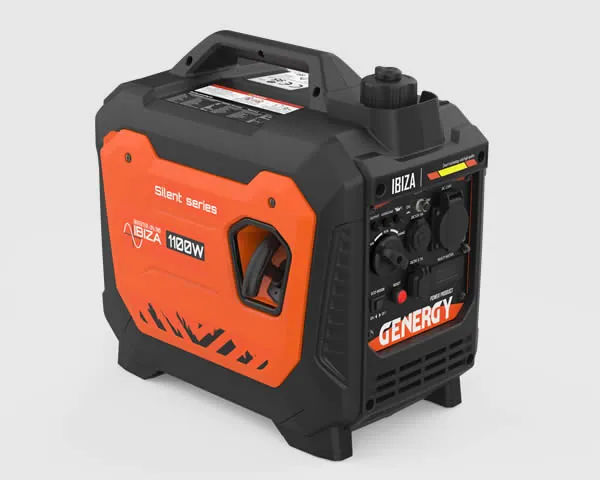
Ibiza 1100W Generator
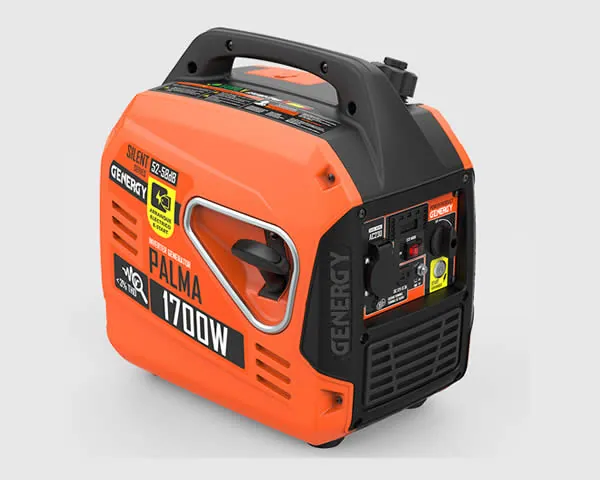
Palma 1700W Generator
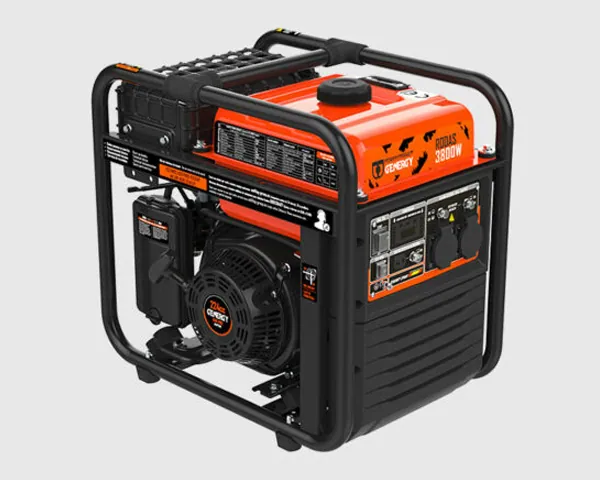
Rodas 3800W Generator
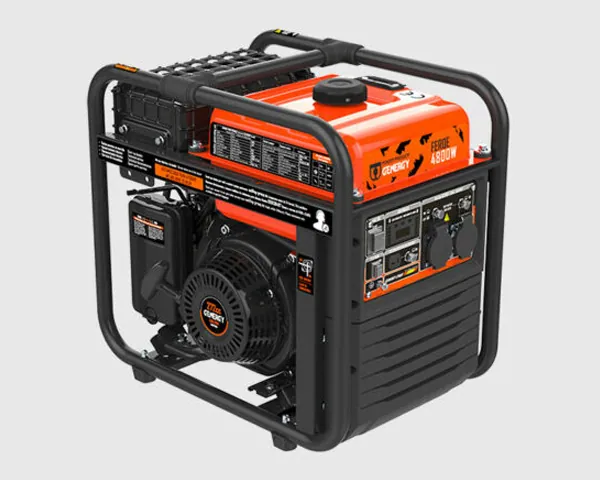
Feroe 4600W Generator
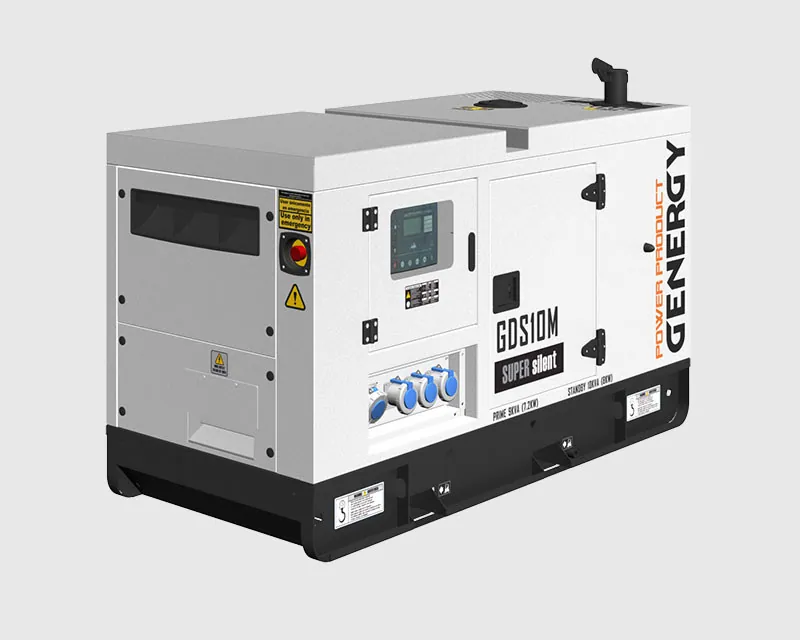
GDS10M Generator Set
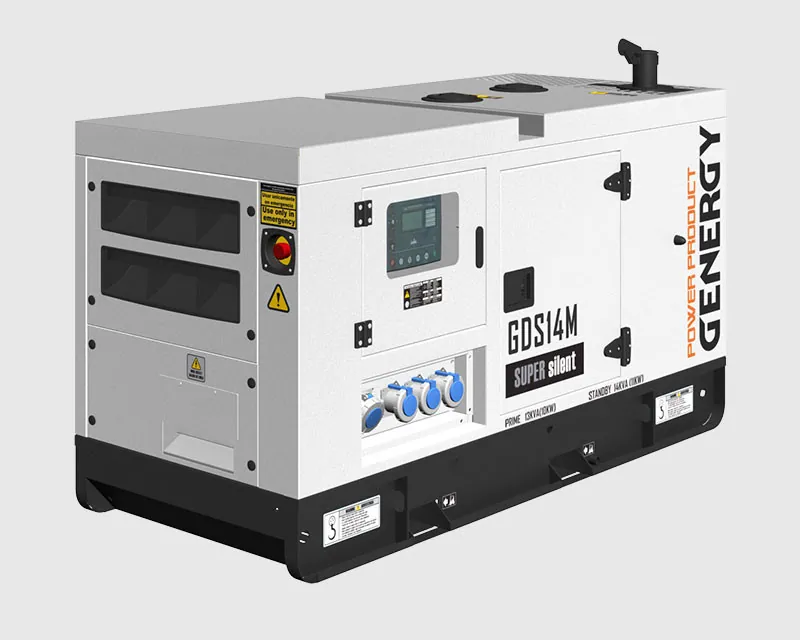
GDS14M Generator Set
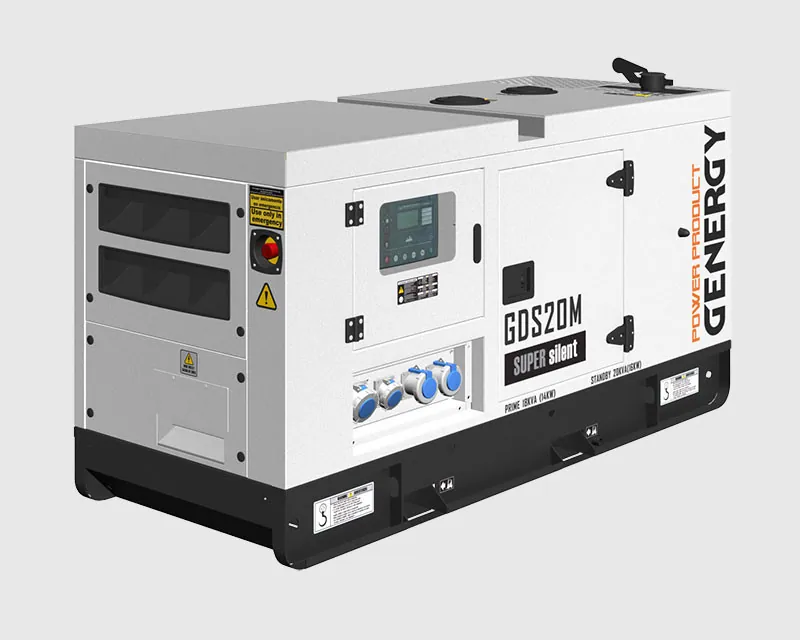
GDS20M Generator Set
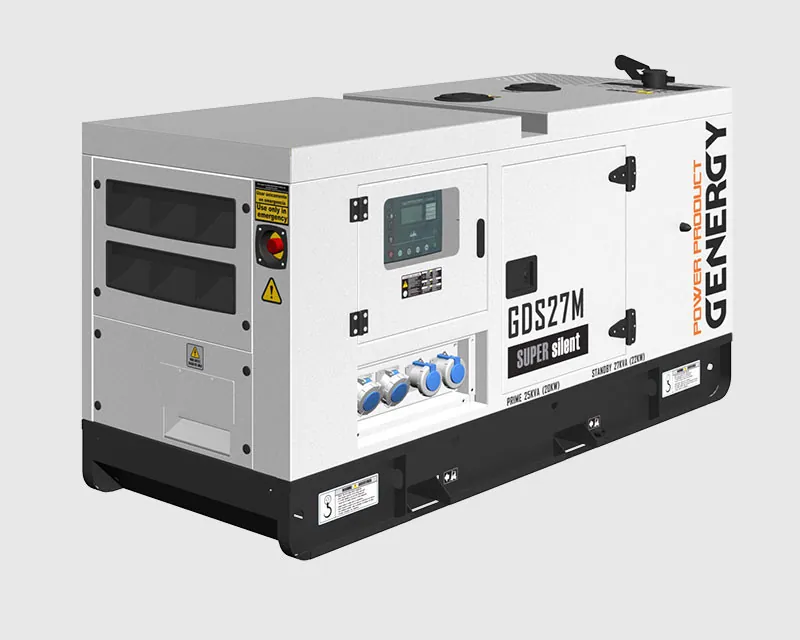
GDS27M Generator Set
👉 See the full range: Generator sets · Diesel 1500 rpm · Inverter generators · Questions? talk to a technician.
Generator or generator set for your case?
Tell us what you need to power, for how long and under what conditions, and we will tell you which equipment fits best, without falling short or overpaying. We are the manufacturers. No obligation.
Talk to a Genergy technicianConclusion
The difference between a generator and a generator set cannot be reduced to one being small and the other large. The fundamental difference is that the generator is the component that converts mechanical energy into electricity, whereas the generator set is the complete, self-contained unit that integrates that generator with an engine and other systems. From there the practical differences appear: the generator is associated with portable, lower-demand equipment; the generator set, with higher power, autonomy and critical applications. In one sentence: the generator generates; the generator set generates and is also ready to do so by itself as a complete system.
Related categories
Related topics
Frequently asked questions about the difference between a generator and a generator set
Are a generator and a generator set the same thing?
Not exactly. Although they are often used as synonyms, technically the generator is the component that converts mechanical energy into electrical energy, and the generator set is the complete system that includes that generator plus an engine and its auxiliary elements.
What is the main technical difference?
The generator transforms motion into electricity, but it needs an external source to make it rotate. The generator set has its own combustion engine and operates autonomously, without depending on another system.
Is a portable generator actually a generator set?
In many cases, yes. What is sold as a "portable generator" is usually a compact generator set, because it has an engine, an alternator and auxiliary elements to run on its own. It depends on how the term is used and on the technical context.
What does "electrógeno" mean?
"Electrógeno" means "that generates electricity". That is why a generator set is, literally, an assembly of elements that generates electricity autonomously: engine, generator and control and fuel systems in a single unit.
How do you say "grupo electrógeno" in English?
"Grupo electrógeno" translates as "generator set" or its abbreviated form "genset". In technical English, "genset" is precisely the equivalent of the complete engine + alternator assembly.
Which one usually has more power?
Generator sets are normally associated with more powerful equipment prepared for high or continuous demand, whereas what is called a "generator" usually covers low or medium needs. It is not an absolute rule, but it is the usual tendency.
Which one is better for home or small loads?
For low or medium demand, a small portable unit, which is often marketed as a generator, is usually the better fit. Ease of transport, simple starting and moderate power take priority.
Which one is most used in critical emergencies?
The generator set, because it is designed as a self-contained, robust solution for backup or continuous supply, with greater stability and autonomy during major power outages.
Generator or generator set: which should I choose?
It depends on the use. For small, occasional or mobile needs, a portable generator. For high power, continuous operation or critical backup, a diesel generator set. The key is to size the equipment according to what you are going to power and for how long.
What is AVR or electronic regulation in this equipment?
It is the system that keeps the output voltage stable. AVR (electronic) regulation provides a more stable current than mechanical regulation, which is important for sensitive equipment. Many diesel generator sets include it to ensure cleaner power supply.