Diesel or gasoline generator: which to choose based on use, consumption and working hours
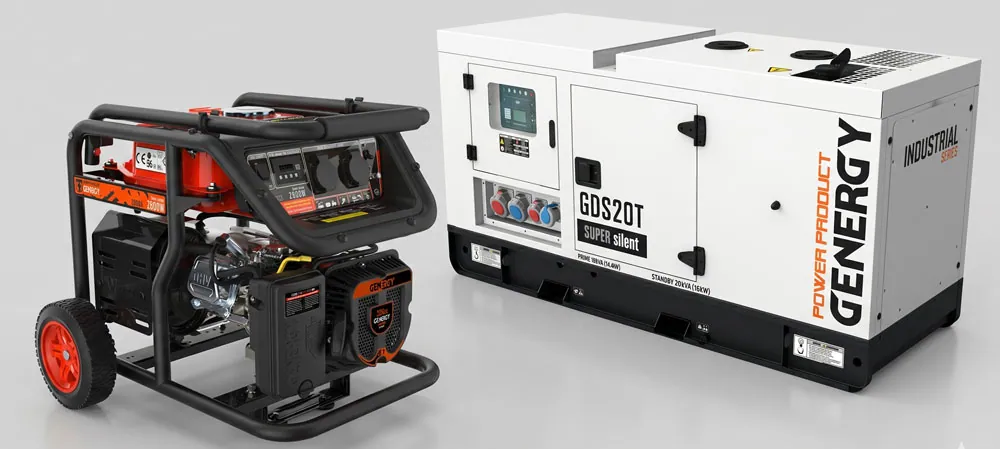
By the Genergy technical team · Spanish manufacturer of generators and generator sets (+15 years) · updated July 2026 · 8 min read.
Table of contents
Anyone wondering whether a diesel or gasoline generator is better is not looking for an absolute answer, but for the one that suits how they will use the equipment: whether they need it occasionally or intensively, how many consecutive hours it will run, whether noise matters, whether they will move it frequently or whether they want serious backup. The key is not just the fuel, but the workload it will have to withstand.
Which is better: gasoline or diesel (quick answer)
If you need a unit for occasional use, occasional support, short jobs or something easy to move, the gasoline generator usually makes more sense: lower initial investment and convenience when you will not accumulate many hours. If you need prolonged operation, long working days or demanding use, diesel starts to win: it withstands effort better and performs more reliably in intensive applications. In short: gasoline for occasional and mobile uses; diesel for heavy, frequent and prolonged use.
Comparison table: diesel vs gasoline generator
| Criterion | Gasoline | Diesel |
|---|---|---|
| Ideal use | Occasional, one-off, portable | Continuous, professional, serious backup |
| Working hours | Few consecutive hours | Many hours / prolonged use |
| Consumption per hour | Higher under intensive use | Lower for the same power output |
| Robustness / service life | Lower, designed for light use | Higher, engine built for heavy loads |
| Weight and portability | Lighter and easier to handle | Heavier, tends to be stationary |
| Noise | Very quiet inverter models | Usually higher (soundproof versions available) |
| Cold start | Simple | Requires more care in extreme cold |
| Initial investment | Lower | Higher, pays off with many hours of use |
| Total cost (intensive use) | Rises with hours | More efficient in the long run |
Few hours a year and mobility → gasoline. Many hours, continuity or professional use → diesel. Diesel costs more upfront, but its lower consumption per hour and its robustness pay off when the equipment really works.
When to choose a gasoline generator
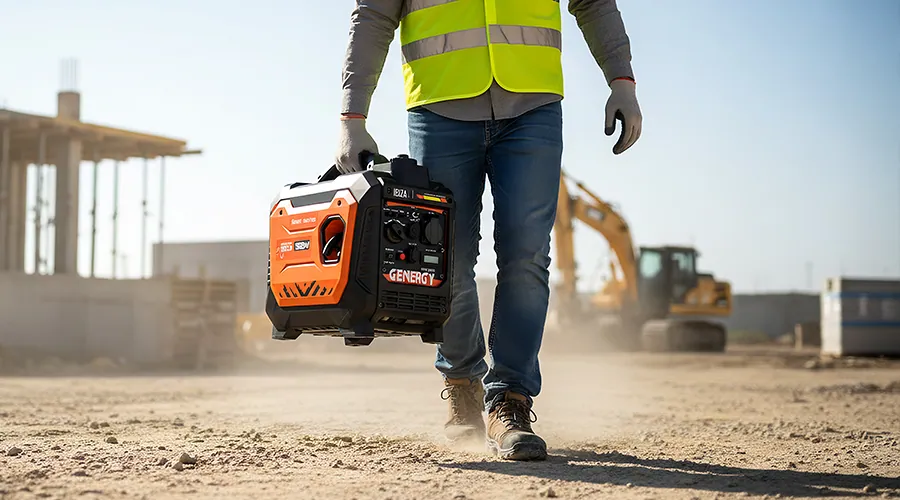
The gasoline generator works very well when the need for power arises occasionally: a country property, a second home, maintenance tasks, small professional jobs, events, tool support or sporadic needs. You do not need a unit for very long working days here, but a practical, quick and manageable solution, without oversizing the purchase.
And if the environment demands less noise or cleaner current for sensitive electronic equipment, it is worth considering a gasoline inverter generator: stable waveform, lower noise and better performance with delicate electronics.
When to choose a diesel generator
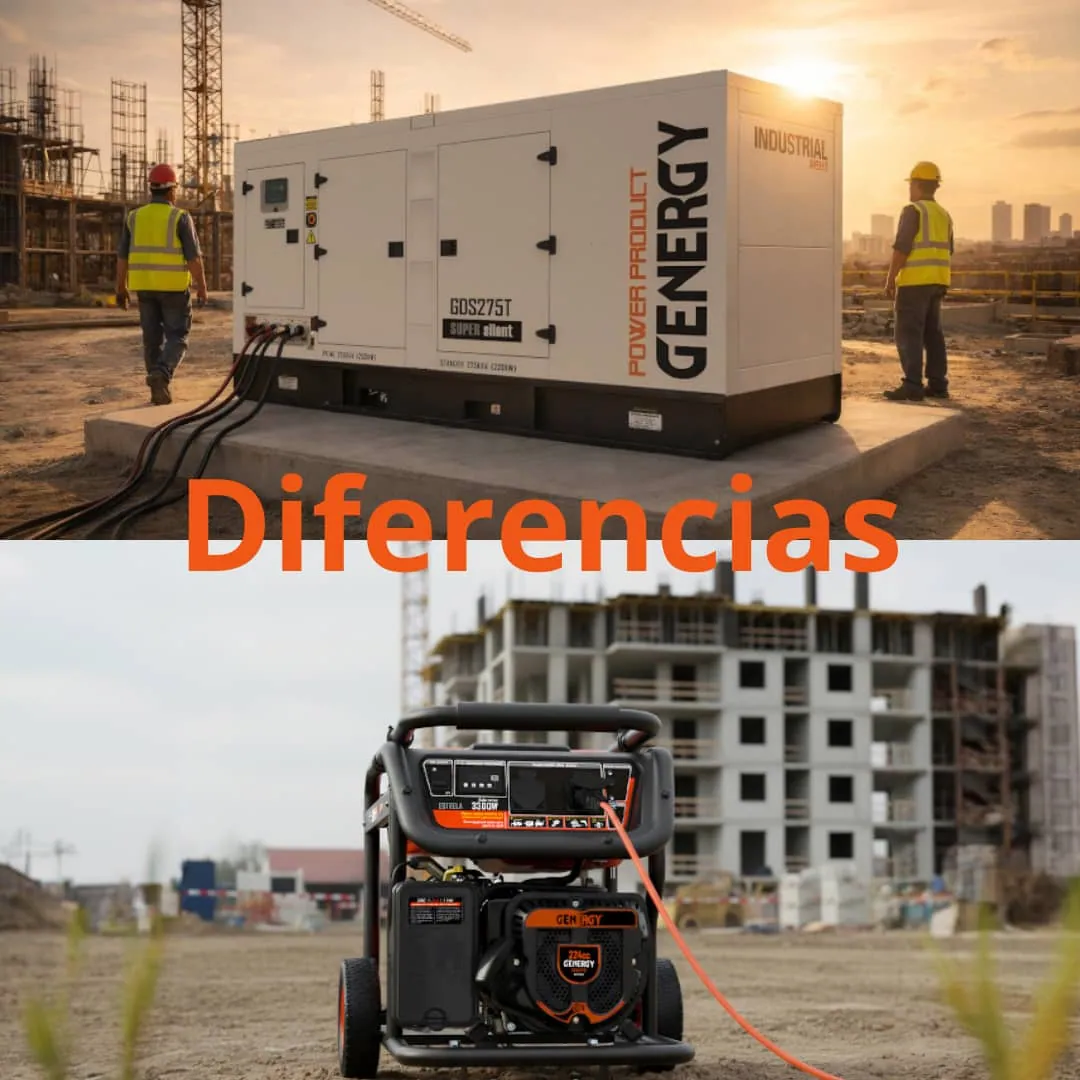
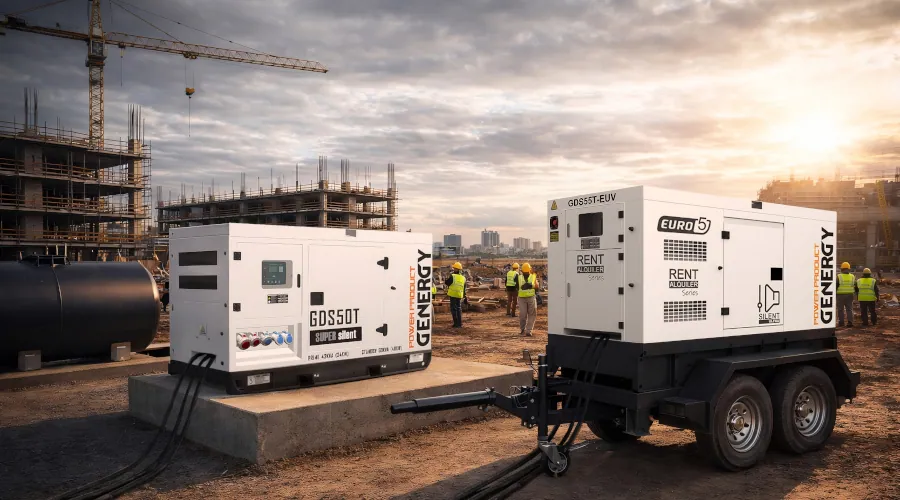
When the work stops being occasional and becomes frequent or intensive, diesel makes more sense: professional applications, prolonged power supply, industrial uses, installations with higher loads or environments where the equipment runs for many hours. The question is no longer which fuel is "better" in the abstract, but which unit best withstands your real routine. If it will be running for many hours or continuity matters, diesel wins. In these scenarios, the level of soundproofing also matters and, if the installation requires it, so does three-phase.
Consumption, maintenance and total cost
A common question is whether it is better to buy the cheapest option at first or to think about the total cost of use. If use will be short and sporadic, gasoline fits well. But if the equipment will work frequently or for many hours, the decision should not be based only on the purchase price: for the same power output, diesel consumes less per hour and its robustness reduces wear, so the cost per hour of use drops when work is continuous. Maintenance also changes: starting a unit from time to time is not the same as demanding a high workload for weeks. The more serious the use, the more important it is to choose well from the start.
Noise, type of current and convenience of use
Many decisions are made poorly by looking only at the fuel; then the real problem appears: the noise, the type of start or a current that is unsuitable for what you want to connect. If the generator will work near people or homes, it is sometimes smarter to go straight for a quiet or soundproof solution: in many cases that factor weighs more than the difference between gasoline and diesel. And you should think about what you will power: a simple tool is not the same as sensitive equipment that needs stable current (where the inverter makes the difference).
Diesel or gasoline generator for home, business or backup
At home, gasoline handles occasional uses, power outages or sporadic needs well. In business, construction sites or professional environments, the decision depends more on the load and running time, and diesel usually prevails. And for advanced backup, the conversation changes: if the goal is to support a solar installation, you may no longer choose just between diesel and gasoline, and a photovoltaic backup solution, designed in a more integrated way, may make sense. If you are still unsure about the types of equipment, review the difference between a generator and a generator set and how to choose a generator set.
Genergy generators: gasoline and diesel
Filter by fuel according to your use:
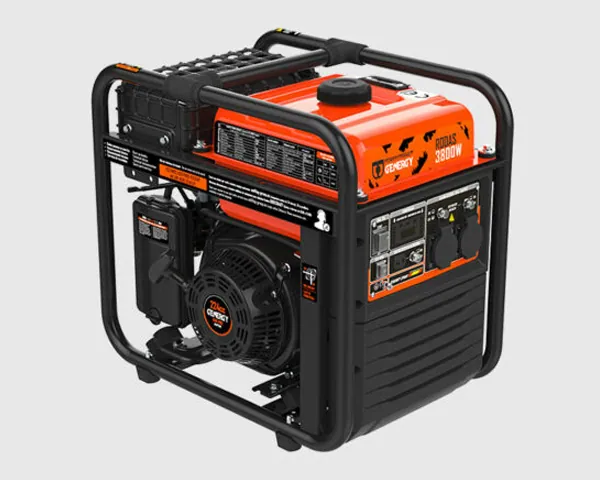
Generador Rodas 3800W
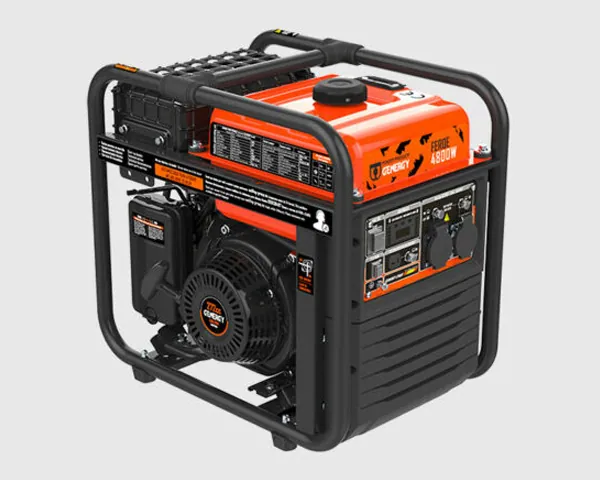
Generador Feroe 4600W
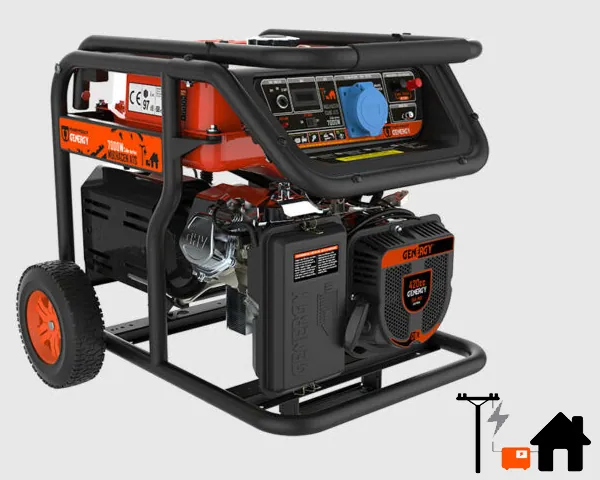
Generador Mulhacén ATS 7000W
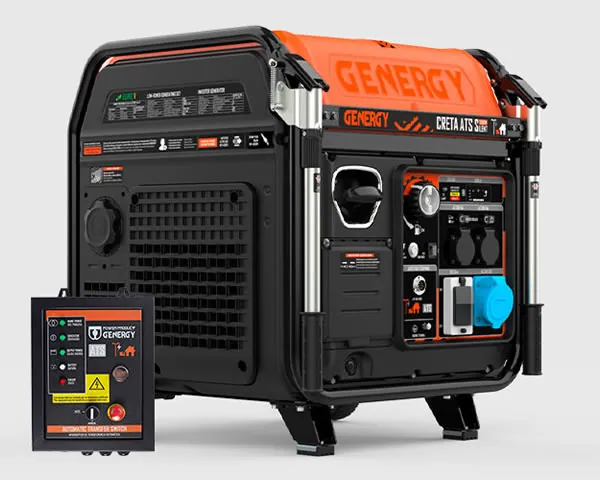
Generador Creta ATS Silent 7500W
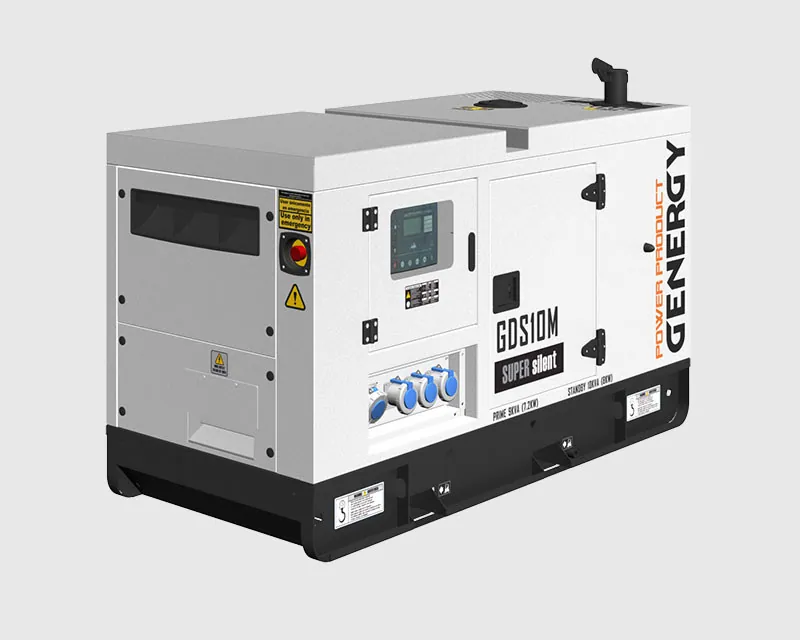
Grupo electrógeno GDS10M
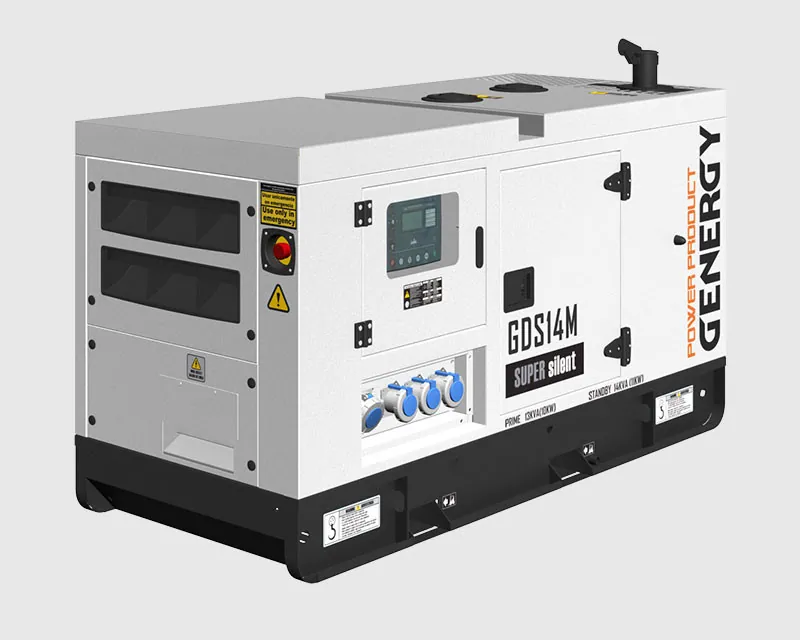
Grupo electrógeno GDS14M
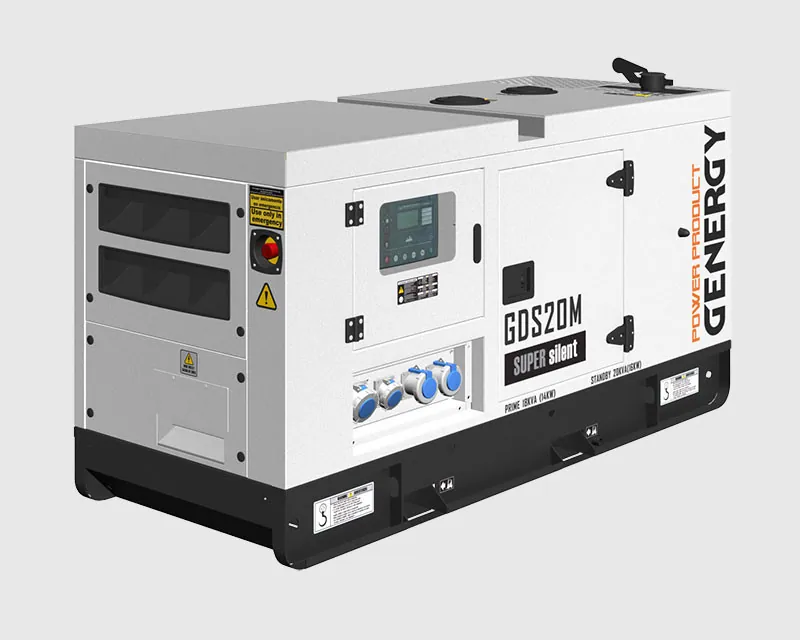
Grupo electrógeno GDS20M
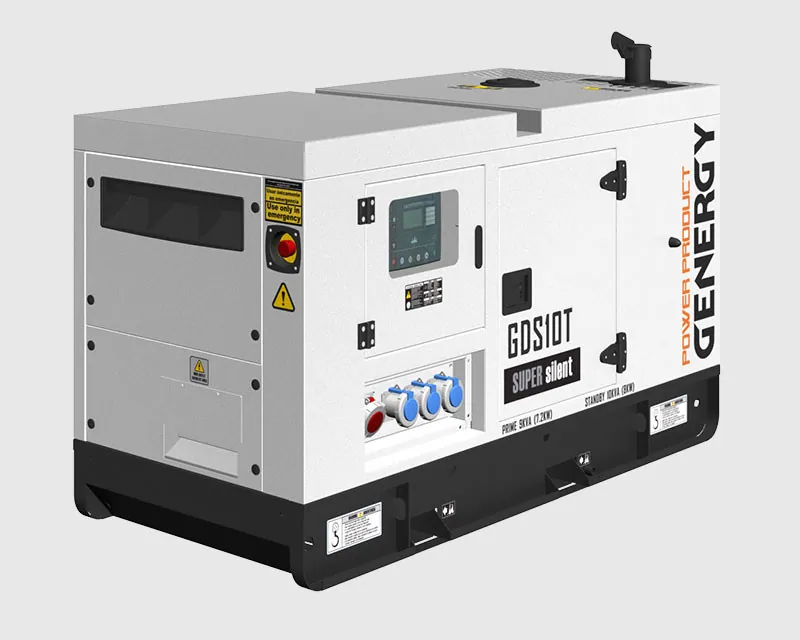
Grupo electrógeno GDS10T
👉 See the full range: Gasoline generators · Diesel generator sets · Soundproof · Questions? Talk to a technician.
Gasoline or diesel for your specific case?
Tell us how many hours a year you will use it, how often and what you will connect, and we will tell you which fuel and which unit is most cost-effective for you. We are manufacturers. No obligation.
Talk to a Genergy technicianConclusion: which is better, diesel or gasoline?
The useful answer is that it depends on the use. For occasional moments, mobility and non-continuous tasks, gasoline is the most practical option. For many hours of operation, greater demand and a more solid response in continuous work, diesel is the most logical choice. "Better" does not mean universal: it means better for your case, and your case is defined by three very clear things: how many hours it will run, how often you will use it and what type of load you need to power.
Related categories
Related topics
Frequently asked questions: diesel or gasoline generator
Which is better, a diesel or a gasoline generator?
It depends on the use. For occasional work, mobility and few hours, gasoline is usually more practical and cheaper to buy. For intensive use, many consecutive hours or serious backup, diesel makes more sense because of its consumption, robustness and service life.
Which generator consumes less, diesel or gasoline?
For the same power output and under intensive use, diesel usually consumes less per hour than gasoline. For very short, sporadic use the difference matters little; when the equipment runs for many hours, diesel's lower consumption shows up in the total cost.
Which generator lasts longer?
In demanding, prolonged use, diesel usually lasts longer, because its engine is better suited to sustained loads. Gasoline fits better in light equipment and occasional use, where price and convenience take priority over maximum service life.
Which is cheaper, gasoline or diesel?
At purchase, gasoline usually has a lower initial investment. In the long run and with many hours of use, diesel pays off thanks to its lower consumption per hour and greater robustness. That is why you should look at the total cost of use, not just the purchase price.
Which one makes less noise?
Gasoline inverter generators are usually very quiet. Diesel tends to be noisier, although soundproof versions exist. If noise is a priority, look directly at quiet solutions, whatever the fuel.
Which generator is suitable for home?
For occasional support during power outages, a gasoline generator (preferably inverter, for noise and stable current) is usually enough. If you want automatic backup or many hours of use, a unit with automatic start (ATS) or a diesel is a better fit.
Which generator is suitable for construction sites or professional use?
When there are many working hours, demanding machinery or a need for continuity, a robust diesel designed for continuous work is usually the logical choice, and often three-phase if the installation requires it.
Does diesel start worse in the cold?
In intense cold, a diesel engine may require a little more care when starting than a gasoline one. Modern units handle it well, but in very cold climates you should keep it in mind and follow the manufacturer's instructions.
Is a gasoline generator suitable for continuous use?
It can cover occasional prolonged use, but it is not designed to work many hours continuously and frequently like a diesel. If your routine involves intensive use, pushing a gasoline unit shortens its life and increases fuel consumption.
What if my installation is solar?
If the generator will support a photovoltaic installation, the decision is not just diesel vs gasoline: an integrated photovoltaic backup solution may make sense, where the generator steps in as support when the sun and the batteries are not enough.