Types of solar panels: which exist and which suits each use
By the Genergy technical team · Spanish manufacturer of generators and solar energy systems (+15 years) · updated in July 2026 · 8 min read.
Table of contents
When someone searches for types of solar panels, they usually want to understand two things: what options exist and which one suits their case. The short answer is that solar panels are sorted by what energy they produce (function) and, among those that generate electricity, by how they are manufactured (technology). Understanding these two layers avoids the most common confusion: mixing up "thermal panel" with "monocrystalline panel", which are different classifications.
The two ways to classify solar panels
Before comparing specific models, it helps to be clear on the two classifications, because they answer different questions:
- By function (what energy they harness): photovoltaic, thermal and hybrid.
- By technology (how the cell is manufactured, photovoltaic only): monocrystalline, polycrystalline and thin-film or amorphous.
Most questions from household users are solved by choosing the function first (almost always photovoltaic, to produce electricity) and then the technology (almost always monocrystalline, for efficiency and space).
Types of solar panels by function
Photovoltaic panels: produce electricity
These are the best known and the ones most people have in mind when talking about "solar panels". They convert sunlight into electricity using silicon cells. They are the basis of self-consumption, off-grid installations and portable solar panels. When the goal is to power equipment, charge batteries or reduce the electricity bill, the photovoltaic panel is the option.
Thermal panels: produce heat
They do not generate electricity: they use the sun's heat to warm water or a fluid. Their typical use is domestic hot water (DHW) or supporting heating. They are a different technology with a different purpose; they should not be confused with photovoltaic panels.
Hybrid panels (PVT): electricity and heat
They combine both functions in a single panel: they produce electricity and, at the same time, harness heat. They are less common and suit installations that seek to make the most of the available surface by covering two needs at once.
Types of photovoltaic panels by technology
Within photovoltaic panels, the difference lies in how the silicon cell is manufactured. This affects efficiency, the space required and the type of installation.
Monocrystalline
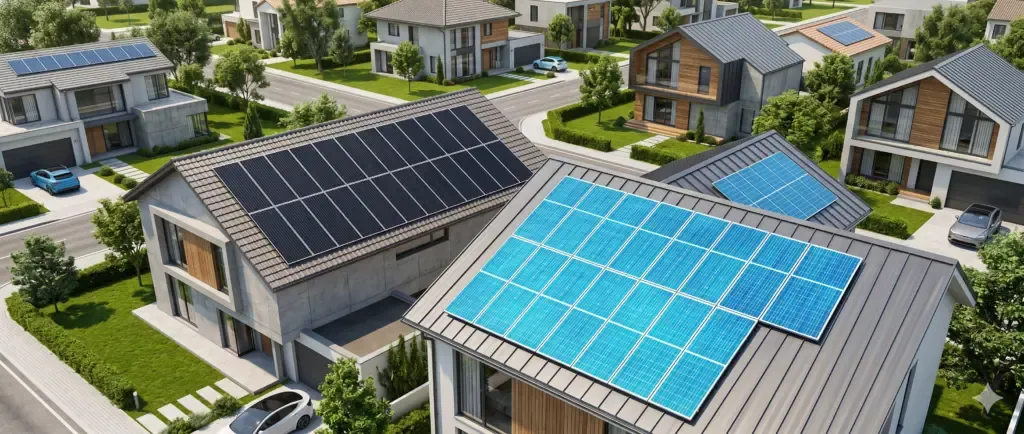
Made from single-crystal, very pure silicon. They have the highest efficiency (around 18-22 %), so they make better use of space: they produce more per square meter. They are recognizable by their uniform black color. They are the most common option for homes when looking for the best balance between performance and available surface.
Polycrystalline
Made from several melted silicon crystals. Their efficiency is somewhat lower (around 15-17 %) and they have that characteristic bluish tone. Historically they were positioned as a more economical option, although the difference with monocrystalline panels has been narrowing. If you are interested in an in-depth comparison, see the dedicated guide: monocrystalline or polycrystalline solar panel.
Thin-film or amorphous
They are manufactured by depositing thin layers of material onto a surface. Their efficiency is lower (approximately 6-9 %), so they need more space for the same output. In return, they are lightweight, flexible and perform better in diffuse light or high temperatures. They suit irregular surfaces, portable applications or where weight matters more than performance per square meter.
Comparison table of solar panel types
| Type | What it produces / how | Approx. efficiency | Typical use |
|---|---|---|---|
| Monocrystalline photovoltaic | Electricity · single-crystal silicon | High (~18-22 %) | Homes and self-consumption with limited space |
| Polycrystalline photovoltaic | Electricity · multi-crystal silicon | Medium (~15-17 %) | Installations with more available space |
| Thin-film / amorphous photovoltaic | Electricity · thin layers | Low (~6-9 %) | Irregular surfaces, portable, diffuse light |
| Thermal | Heat (water/fluid) | — | Domestic hot water, heating support |
| Hybrid (PVT) | Electricity + heat | Variable | Making the most of the surface |
Efficiency percentages are typical industry ranges for guidance; they vary by manufacturer and model.
Emerging technologies: perovskite and others
Beyond the established technologies, the sector keeps moving forward. Perovskite cells are an emerging technology based on new materials, with the potential to improve efficiency and open up new possibilities (for example, tandem cells combining perovskite and silicon). They are still under development and maturing ahead of mass adoption, but they mark the future direction of photovoltaics.
Which type of solar panel suits which use
For a home (self-consumption)
The most common choice is monocrystalline photovoltaic: better performance per square meter, ideal when roof space is limited and you want to maximize electricity production.
For installations with plenty of space
If surface area is not an issue, polycrystalline panels may be a good fit. The price difference with monocrystalline panels has narrowed considerably, so it is worth comparing in each case.
For portable use or special surfaces
Thin-film panels, thanks to their lightness and flexibility, suit mobile applications, curved surfaces or where weight is critical. This is the logic behind many portable solar panels.
For hot water
If the goal is to heat water rather than produce electricity, the option is the thermal panel, not the photovoltaic one.
A note on mounting systems and structures
The mounting system (the structure that holds the panels) is a separate decision from the panel type, but it also affects performance because it determines orientation and tilt. On a well-oriented pitched roof, a coplanar structure is usually enough; on a flat roof, a tilted structure is needed to provide the angle; and on the ground, a stable structure with freedom of orientation. It is a topic in its own right and should not be confused with panel types.
Do you want solar energy without construction work or hassle?
Genergy manufactures portable solar solutions, all-inclusive kits and photovoltaic backup systems. Tell us about your case and we will help you choose the right system. No obligation.
Talk to a Genergy technicianGenergy solar solutions
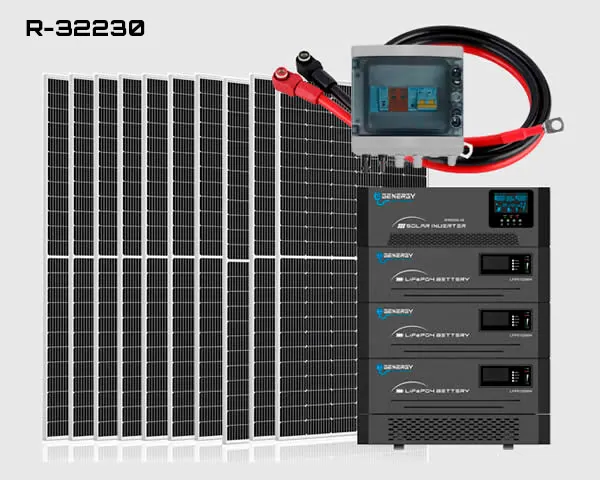
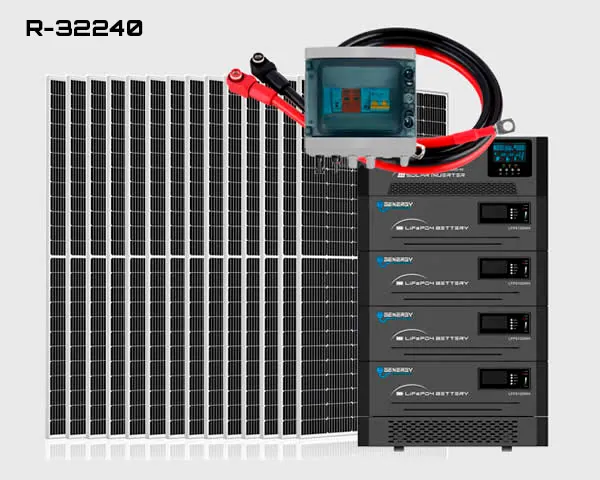
Genergy does not sell loose rooftop panels, but ready-to-use solar systems: all-inclusive kits and portable power stations, with or without a backup generator. Filter by what you are looking for:
Plan Solar Sigma
Plan Solar Pegasus
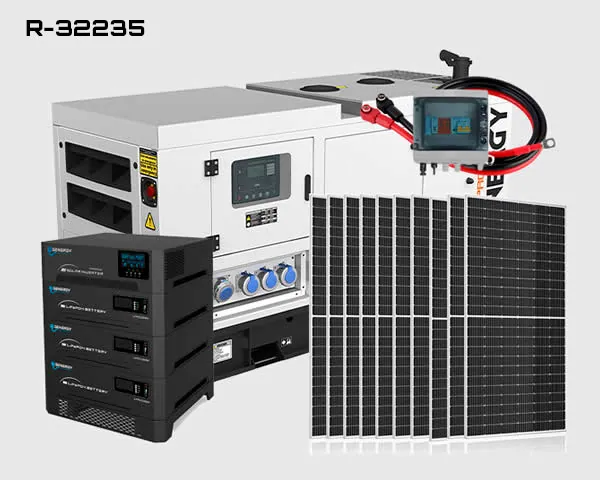
Plan Solar Sigma Backup-A
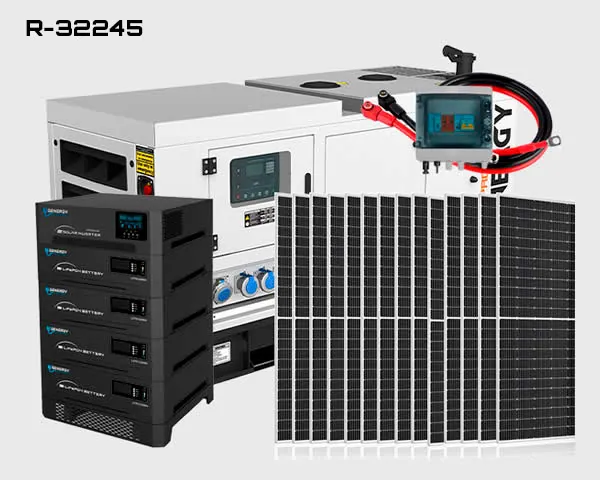
Plan Solar Pegasus Backup-A
👉 See the whole solar range: Portable solar panels · All-inclusive systems · Off-grid inverter · Photovoltaic backup · Questions? talk to a technician.
Conclusion
Types of solar panels are best understood in two layers: first the function (photovoltaic for electricity, thermal for heat, hybrid for both) and, within photovoltaic panels, the technology (monocrystalline, polycrystalline or thin-film). For most homes, the answer is monocrystalline photovoltaic, thanks to its balance between efficiency and space. Polycrystalline panels suit situations with more available surface, and thin-film panels suit portable uses or special surfaces. Choosing well starts with knowing what energy you need and how much space you have.
Related categories
Related topics
Frequently asked questions about types of solar panels
What types of solar panels are there?
By function there are three types: photovoltaic (generate electricity), thermal (produce heat for water or heating) and hybrid (combine both). Within photovoltaic panels, by technology, there are monocrystalline, polycrystalline and thin-film or amorphous panels.
What is the difference between photovoltaic, thermal and hybrid panels?
The function. Photovoltaic panels convert sunlight into electricity, thermal panels use the sun's heat to warm water or fluids, and hybrid panels produce electricity and heat in the same panel.
What are monocrystalline solar panels?
They are photovoltaic panels made from single-crystal silicon. They stand out for their high efficiency (around 18-22 %) and for making better use of space, producing more per square meter. They are recognizable by their uniform black color.
What is the difference between monocrystalline and polycrystalline?
Monocrystalline panels offer higher performance per surface area (~18-22 %); polycrystalline panels are somewhat less efficient (~15-17 %) and bluish in tone. The best choice depends on space, budget and goal. You can read more in the dedicated guide on monocrystalline or polycrystalline panels.
What are thin-film or amorphous panels?
They are photovoltaic panels made by depositing thin layers of material onto a surface. They have lower efficiency (~6-9 %) but are lightweight, flexible and perform well in diffuse light or heat. They suit irregular surfaces and portable uses.
What are perovskite solar panels?
They are an emerging solar technology based on new materials, with the potential to improve efficiency and open up possibilities such as tandem cells with silicon. They are still maturing ahead of mass adoption.
What type of solar panel is best for a house?
For a home, the most common choice is the photovoltaic panel, and among those, the monocrystalline one, thanks to its good balance between performance and space. If you want hot water rather than electricity, the option would be a thermal panel.
Which panels are best for a flat roof?
The panel type (normally monocrystalline) does not change because of a flat roof; what changes is the mounting system: on a flat roof a tilted structure is needed to provide the right angle for capturing sunlight, since the panel does not perform well lying flat.
Do solar panels produce electricity or heat?
It depends on the type. Photovoltaic panels produce electricity; thermal panels produce heat (hot water); hybrid panels do both. When people just say "solar panels", they almost always mean photovoltaic ones.
How many types of mounting systems for solar panels are there?
Mounting systems are classified by surface (pitched roof, flat roof, ground or facade) and by the angle they provide (coplanar, tilted or adjustable). It is a separate decision from the panel type, but it affects performance because it defines orientation and tilt.