Generator for home blackouts: complete guide and 2026 comparison
By the Genergy technical team · Spanish manufacturer of generators and backup systems (15+ years) · updated July 2026 · 8 min read.
Table of contents
A blackout exposes how dependent we are on the grid: the fridge, lights, router, heating or the water pump all lose their supply. A generator for home blackouts brings electricity back for as long as the outage lasts. But there is no single "best" generator: there is the best one for your case. In this guide you will see the four types, how to calculate the power and which one to choose.
What generator do I need for a blackout at home?
The first step is to clarify the use. Keeping the fridge, a few lights and the router running during a two-hour outage is not the same as backing up the whole house (or a water pump or the air conditioning) for days. That is why there are four main options, each for a different scenario:
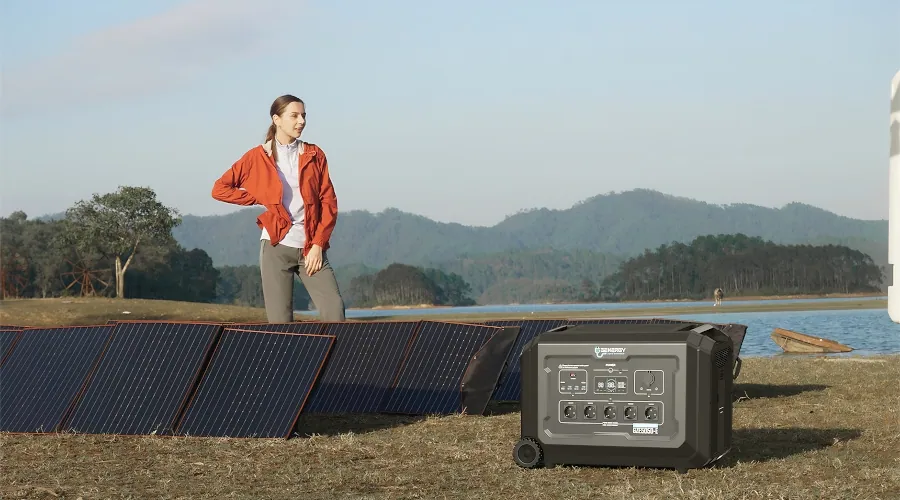
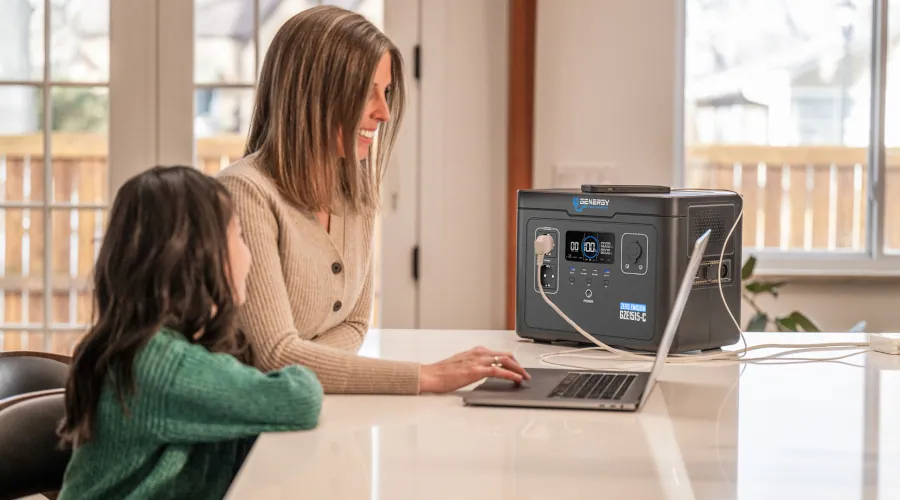
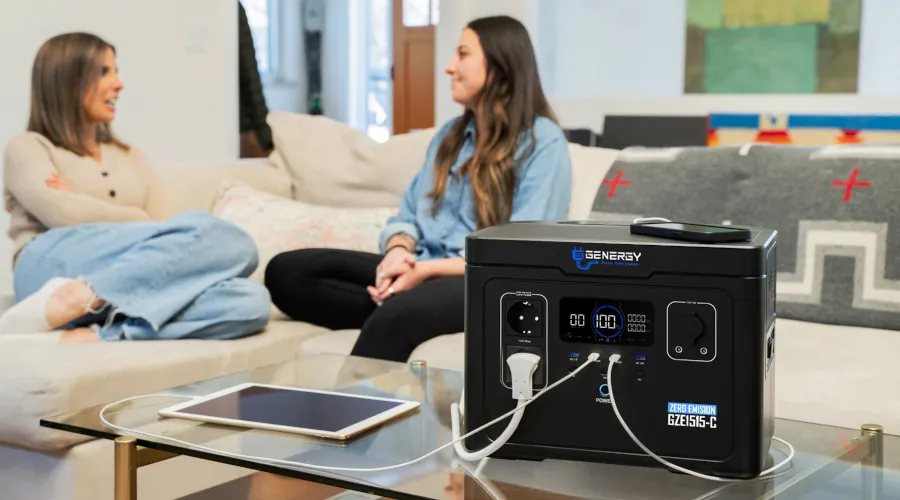
- Portable power station / solar generator: battery + inverter, quiet and fume-free. The best home power generator if you want to use it indoors.
- Portable gasoline inverter: light and affordable, ideal as an occasional backup and for leisure.
- Diesel generator set: maximum autonomy and power for long outages or for the whole house.
- Generator with automatic start (ATS): it starts by itself when it detects a mains failure, without you having to do anything.
Comparison of generators for blackouts
| Type | Noise | Emissions | Autonomy | Typical power | Start | Ideal for |
|---|---|---|---|---|---|---|
| Power station / portable solar | Silent | Zero | Limited (battery) | 0.3–3 kW | Button, instant | Short blackouts, indoor use, electronics |
| Portable gasoline inverter | Low | Yes (outdoor use only) | Medium (tank) | 1–4 kW | Manual / electric | Occasional home power generator, leisure |
| Diesel generator set | Medium-high | Yes (outdoor use only) | High | 5–20+ kVA | Electric / ATS | Long outages, high power, whole house |
| Solar backup with ATS | Medium | Yes (outdoor use only) | High | 4.5–13 kW | Automatic (ATS) | Homes with solar panels, backup without intervention |
Combustion generators (gasoline and diesel) must only be used outdoors or in a very well-ventilated area. Power stations can be used inside the house.
How much power an emergency generator for the home needs
The most common mistake is not having enough power. Make a list of what you want to keep on at the same time and add up its consumption. Approximate values:
| Equipment | Approx. power | Note |
|---|---|---|
| Fridge / freezer | 150–800 W | Motor start-up can triple the consumption |
| LED lights (whole house) | 100–300 W | — |
| Router + phones / laptop | 50–150 W | Low, constant consumption |
| Television | 80–200 W | — |
| Water pump / boiler | 600–2,000 W | Very high start-up peak |
| Microwave / kettle | 800–1,500 W | Occasional use |
For a basic emergency generator (fridge, lights, router and some small appliance), 2–3.5 kW is usually enough. If you want to run a water pump, air conditioning or back up the whole house, aim for 5 kW or more (and consider three-phase if your home is three-phase). Add up the power ratings and include a 20–30% margin for start-up peaks. For more detail, see how to choose an electric generator for your home.
What is a solar generator? (two types)
Among the options above, the solar generator is the cleanest. People use that name for two different things:
- Portable solar generator (power station): a battery + inverter (sometimes with a panel) that provides clean, quiet electricity for the home, camping or emergencies. Ideal for short blackouts and medium loads, and the only one you can use indoors without fumes.
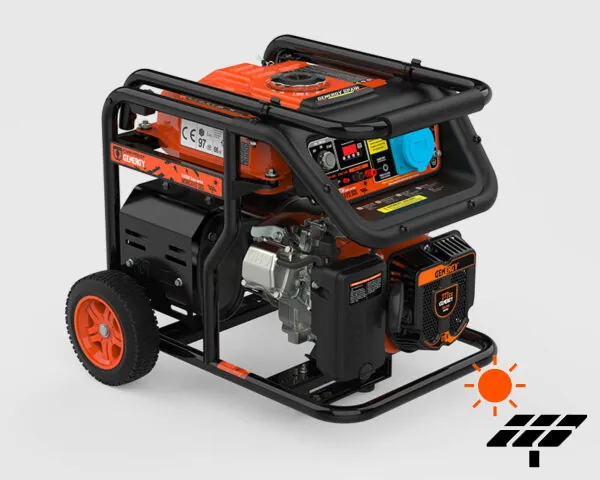
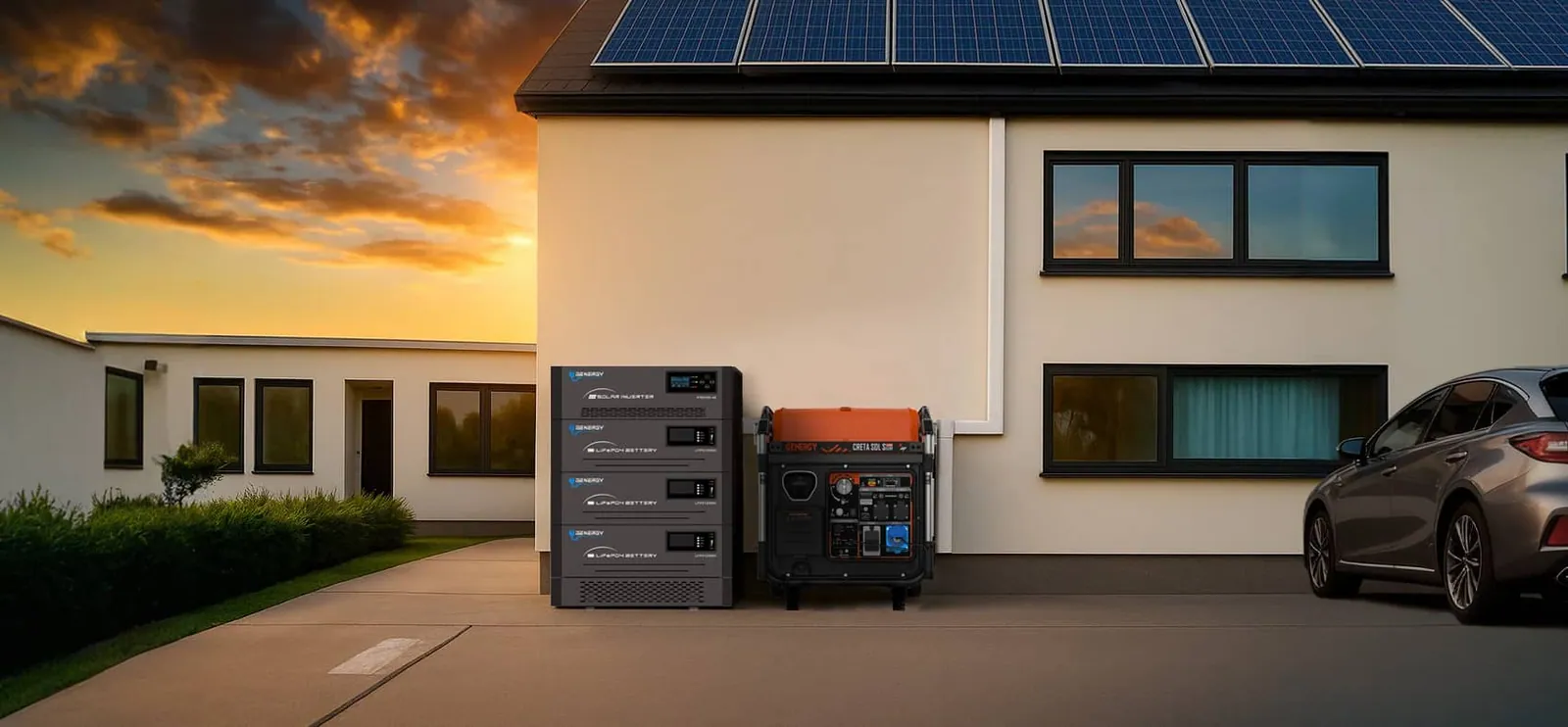
- Solar backup generator: a generator (gasoline/diesel) that backs up a photovoltaic installation: it starts when solar production and the battery are not enough, and recharges the system. Ideal for long outages or days without sun.
Solar generator vs conventional generator
| Aspect | Solar generator (portable) | Conventional generator |
|---|---|---|
| Noise | Silent | Noisy |
| Emissions | Fume-free (indoor use with ventilation) | Combustion gases (outdoor use only) |
| Start | Instant (button) | Manual / electric |
| Autonomy | Limited by the battery | Long (as long as there is fuel) |
| Best for | Short blackouts, electronics, indoors | Long outages, high power |
That is why, for maximum peace of mind, many people combine both: battery/solar for everyday use + a backup generator for long outages.
Generator with automatic start (ATS): you won't even notice the blackout
If you don't want to go out and start anything when the power goes out —at night, while traveling or simply for convenience— the key is automatic start (ATS). It is a switchover panel that detects the mains failure, starts the generator and transfers the load within seconds; when the mains returns, it stops the generator and hands the house back to the utility. It turns any home generator into a real, unattended backup, whether it is diesel or solar backup. It is the most recommended option for areas with frequent outages or for anyone who doesn't want to depend on being present.
Genergy backup generators for blackouts
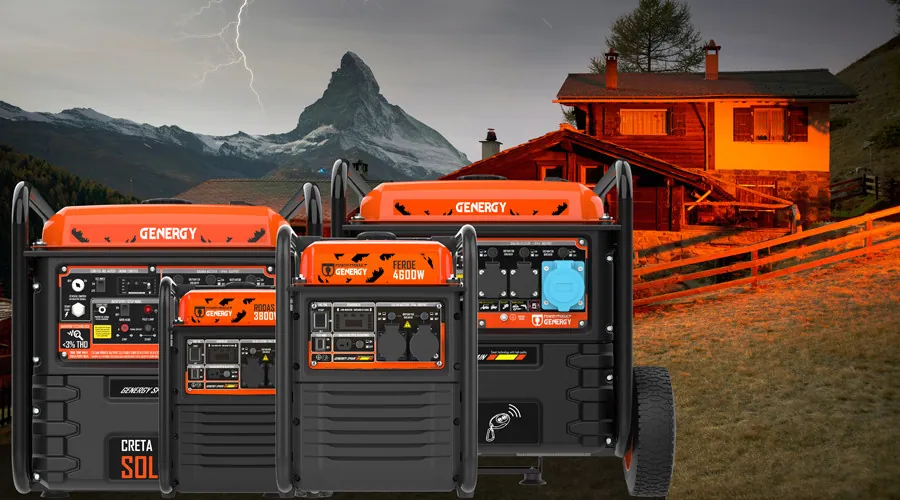
If you already have (or are going to have) solar panels, the piece that provides real continuity is the photovoltaic backup generator: compatible with your inverter, with automatic switchover (ATS) and solar backup. Filter by type:
Moncayo SOL 4500W Generator
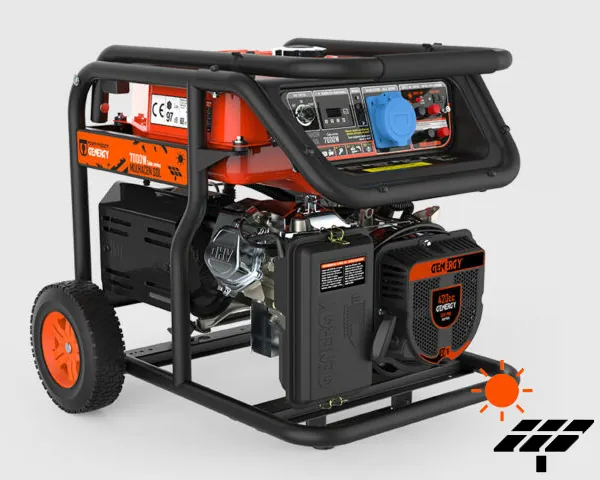
Mulhacén SOL 7000W Generator
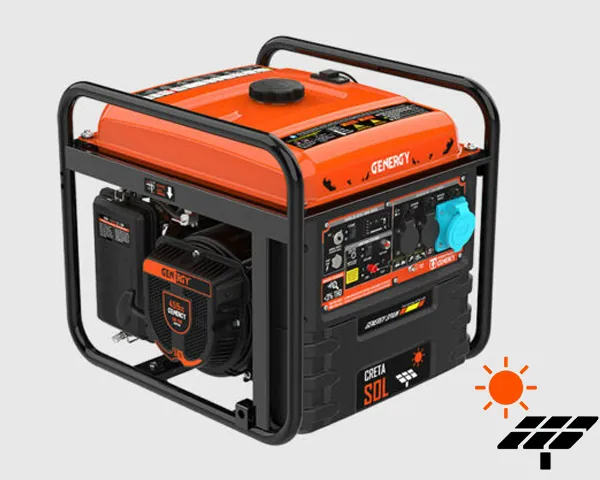
Creta SOL 7500W Generator
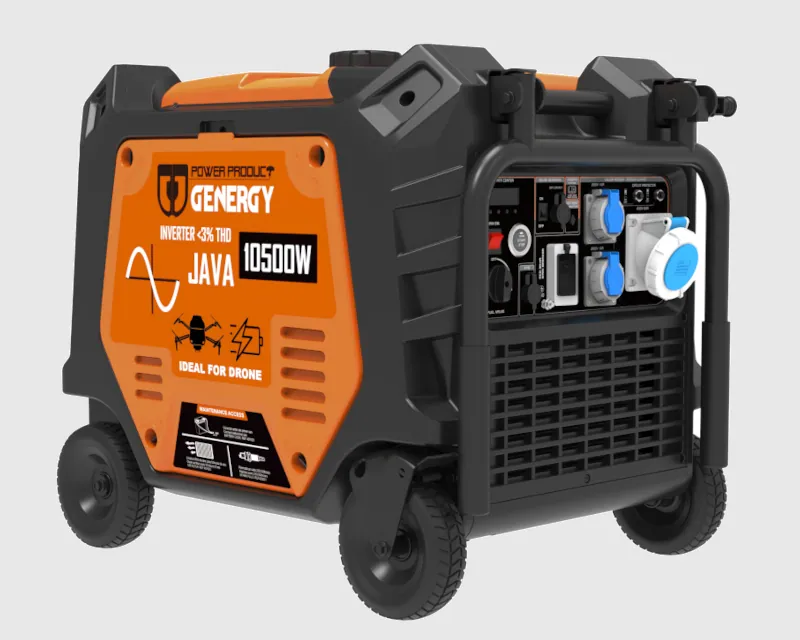
Java RC-SOL-ATS 10500W Generator
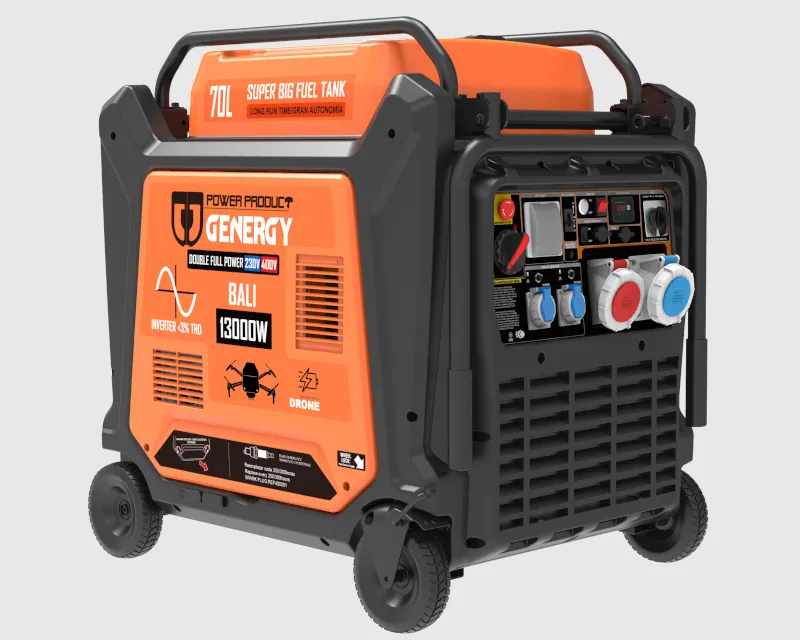
Bali RC-SOL-ATS 13000W Generator
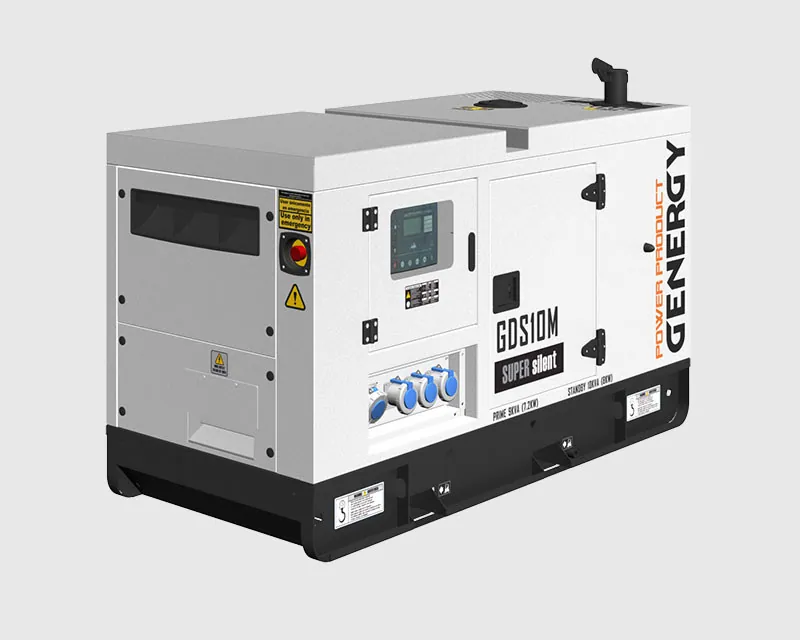
Grupo electrógeno GDS10M
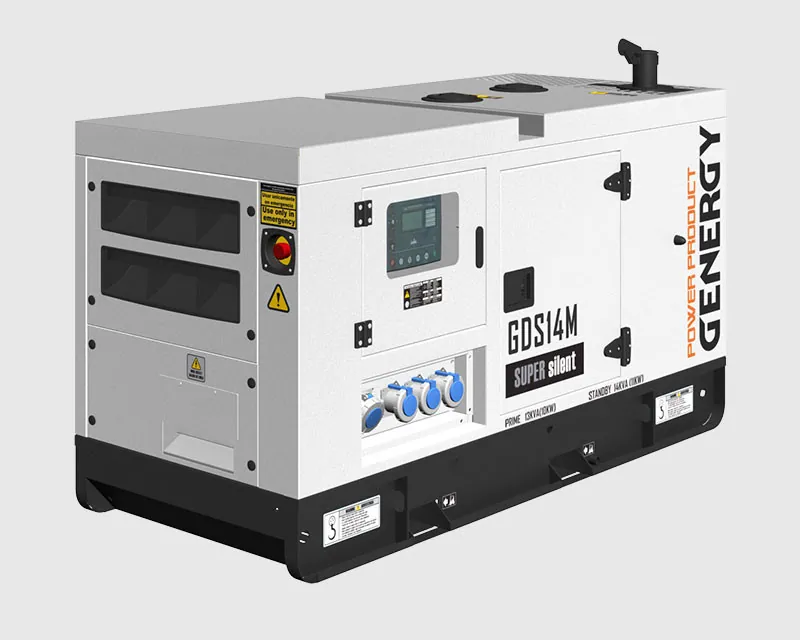
Grupo electrógeno GDS14M
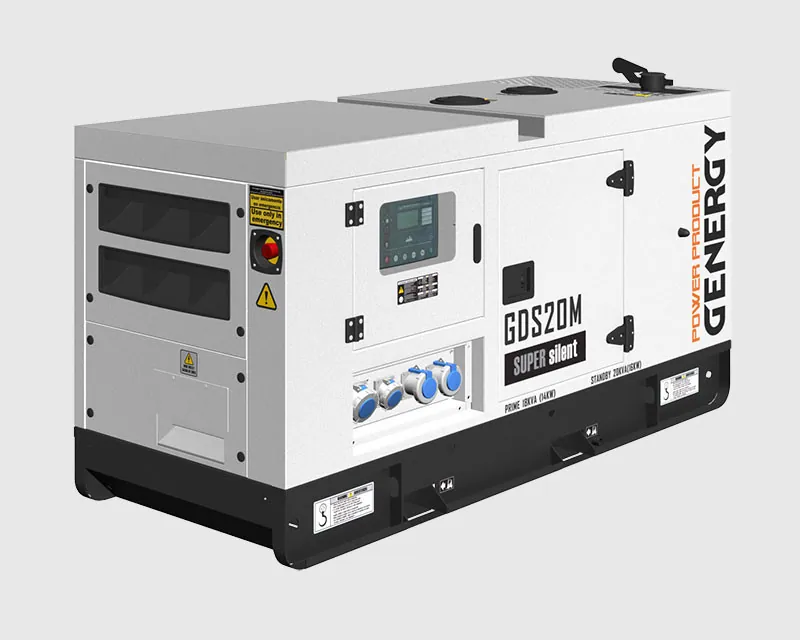
Grupo electrógeno GDS20M
👉 See the full range: Photovoltaic backup system · Generator with automatic start (ATS) · Portable power station / solar. Questions? Talk to a technician.
What generator do you need so you never lose power?
Tell us what you want to keep running during a blackout and whether you have solar panels, and we will help you choose the power and type (portable, diesel or with automatic start). No obligation.
Talk to a Genergy technicianWhich generator for blackouts should you choose for your case?
Short blackouts, inside the house
A portable power station / solar generator: quiet, fume-free and with instant start for the fridge, lights and router.
Affordable occasional backup
A gasoline inverter as an occasional home power generator or for leisure, construction sites and camping.
Long outages or the whole house
A diesel generator set: maximum autonomy and power to supply the whole house for days.
One that starts by itself
Any generator with ATS: it detects the mains failure and starts up without you having to do anything.
Home with solar panels
A solar backup generator compatible with your inverter: continuity on days without sun and battery recharging.
Conclusion
There is no single "best generator for home blackouts": there is the best one for your case. For short outages and indoor use, the solar power station is the most convenient and cleanest. As an occasional home power generator, the gasoline inverter. For long outages or to power the whole house, the diesel set. And if you are looking for total peace of mind, a generator with automatic start (ATS) —or a solar backup generator if you have panels— guarantees you never lose power.
Related categories
Related topics
Frequently asked questions
What generator do I need for a blackout at home?
It depends on the use: a solar power station for short outages and indoors, a gasoline inverter as an occasional backup, a diesel set for long outages or the whole house, and any generator with ATS if you want it to start by itself. The first step is to decide what you want to keep running.
How much power does an electric generator need for a house?
To keep the fridge, lights and router running, 2–3.5 kW is usually enough. For a water pump, air conditioning or the whole house, 5 kW or more. Add up the loads you use at the same time and include a 20–30% margin for motor start-up peaks.
What is the best home power generator?
If you are going to use it indoors, a power station (portable solar), because it is quiet and fume-free. For an occasional outdoor backup, a gasoline inverter. For serious, unattended backup, a generator with automatic start (ATS).
What is an emergency generator?
It is a generator designed to supply electricity when the mains fails: it keeps the home's essential equipment running during a blackout. It can be a portable station, an inverter, a diesel set or a generator with ATS that starts by itself when it detects the outage.
Does a solar generator work during blackouts?
Yes. The portable one is ideal for short blackouts (quiet, fume-free and suitable for indoor use). For long outages or days without sun, a solar backup generator with automatic start keeps the house running and recharges the photovoltaic system's battery.
Can it start by itself when the power goes out?
Yes, models with ATS (automatic start) detect the mains failure or low battery, start the generator and transfer the load within seconds; when the mains power returns, they shut down on their own. You don't have to do anything, not even be at home.
What generator do I need for the refrigerator during a blackout?
A refrigerator consumes 150–800 W when running, but it can draw double or triple that when the compressor starts. A 2–3 kW generator or power station covers the refrigerator along with lights and a router. Always leave a margin for the starting surge.
Can a generator be used inside the house during a blackout?
Only power stations (battery), which produce no fumes. Gasoline or diesel generators must never be used indoors or in closed garages: they emit dangerous exhaust gases and must be placed outdoors or in a very well-ventilated area.
What is a solar backup generator?
A generator compatible with your inverter that starts when the battery and solar production fall short, recharges the system and shuts off on its own. It guarantees continuity during long outages or stretches without sun, without oversizing the battery bank.
Generator set or power station for home backup?
The power station is convenient and quiet for short outages and indoor use, but its autonomy is limited by the battery. The diesel generator set provides much more power and autonomy for long outages or the whole house. For complete peace of mind, many people combine both.