How to connect a generator to a house safely
By the Genergy technical team · Spanish manufacturer of generators and backup systems (15+ years) · updated July 2026 · 10 min read.
Table of contents
- What to know before connecting it
- The 3 ways to connect it (and which one is safe)
- Why NEVER to an outlet
- What power you need
- Where to place the generator
- The transfer switch and the ATS
- Genergy generators with ATS
- Manual switch or ATS: how to choose
- How to connect it step by step
- Common mistakes and when to call an electrician
- Conclusion
- Frequently asked questions
What you should know before connecting a generator to a home
A generator is not connected to a house like just another household appliance. It is part of a backup installation and must be set up with a system that clearly separates the public grid supply from the generator supply. The difference between a safe installation and a serious problem almost always lies in that detail.
The reason: if both sources remain connected at the same time, backfeed occurs: the generator's current can flow back toward the external grid or circulate through the installation in an unintended way. That is dangerous for the home, for appliances and, above all, for any technician working on the line believing it to be de-energized. Moreover, the logic of an emergency generator is to secure the essentials (refrigerator, lights, router, pump, heating) when the supply fails, not to power the whole home without prioritizing.
When it is worth installing a generator at home
It makes sense when outages are frequent, you live in an area prone to storms or grid incidents, or there is equipment that should not be left without power for hours (refrigerator, pump, medical systems or heating). In practical terms: it is worth it when the cost of being without electricity for several hours is greater than the cost of setting up a safe solution.
What risks exist if you connect it incorrectly
The most serious mistake is improvising. Common risks include: backfeed into the grid, generator overload, unsuitable cables, damage to sensitive equipment and exposure to carbon monoxide due to poor engine placement. And beware of believing that "if it works, it's fine": an installation can power appliances and still be unsafe. The key is not just that it supplies power, but that it does so in a controlled, isolated and predictable way.
The 3 ways to connect a generator to a house (and which one is safe)
| Method | Safety | How it works | Recommendation |
|---|---|---|---|
| Direct plug ("suicide cable") | ❌ Dangerous and illegal | Two male plugs into a household socket | Never. Risk of electrocution and fire. |
| Manual transfer switch / transfer panel | ✅ Safe | You switch from grid to generator yourself | Correct and economical. |
| Automatic transfer panel (ATS) | ✅ Safe | Starts and switches over on its own when the power goes out | The best: you don't even notice the outage. |
Both safe methods share the essentials: a system that guarantees the home is never connected to the grid and the generator at the same time. The only difference is the degree of automation.
Why you should NEVER connect it to an outlet
Connecting the generator directly to a household socket (the "suicide cable", with two male plugs) causes backfeed: current flows out through your installation into the external grid. This can electrocute a worker repairing the line, trip protections and damage your equipment when power returns. That is why the question "can a generator be connected to a household outlet?" has only one responsible answer: no. The connection is always made with a transfer system that isolates the house from the grid before bringing in the generator.
The installation of the transfer system and the inlet socket must be carried out by a qualified electrician in accordance with the Low Voltage Electrotechnical Regulation (REBT). You can plan, calculate loads and place the generator; the integration with the panel is validated by a professional.
What power a generator needs for a house
Make a list of priority loads —not of everything in the house— and add them up, leaving a margin for starting surges (a refrigerator, a pump or a compressor draw several times their rated power on startup).
| What you back up | Approximate Power |
|---|---|
| Essential circuits (refrigerator, lights, router, TV) | 3,000 – 5,000 W |
| Whole house without large loads | 5,000 – 8,000 W |
| House with air conditioning, pump or workshop | 10,000 W or more |
Manufacturer's advice: when in doubt, choose the next model up. A generator running at 100–110% is strained, overheats and lasts less; at 60–70% load it runs comfortably, delivers more stable power and lasts for years. For the detailed calculation, see how to choose an electric generator for your home.
Where to place the generator to use it safely
The generator must be placed in an outdoor or perfectly ventilated area, never indoors in occupied spaces or enclosed areas. It's not just about noise: the aim is to avoid the build-up of gases (carbon monoxide), overheating and maintenance problems. Protect it from direct rain if it is not weatherproof, but without enclosing it where heat and gases accumulate. Place it on a stable base, at a prudent distance from doors and windows, and consider a soundproof model if noise is an issue. Typical mistakes: using it inside the garage, placing it against a window, putting it on an unstable surface or hiding it in a corner without ventilation.
The transfer switch and the ATS: the correct way to connect it
The transfer switch (transfer panel) is the component that allows you to safely alternate between the grid and the generator, preventing both sources from powering the home at the same time. It is the heart of the safe installation, because it prevents backfeed by forcing a single source at any given time. Options:
- Manual transfer switch: you flip the lever yourself when the power goes out. The most economical option and perfectly safe with a clear protocol.
- Automatic (ATS): detects the mains failure, starts the generator and switches over on its own within seconds, and stops it when the power returns. It turns "having a generator" into "not noticing the outage".
- Interlock systems: solutions for specific panels that mechanically prevent the grid and the generator from being connected at the same time.
Genergy generators with automatic start (ATS)
Our range with automatic start comes ready to be connected to the transfer panel. Filter according to your installation:
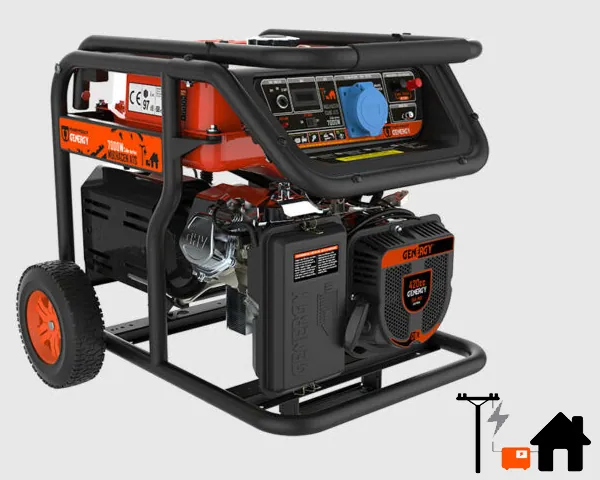
Generador Mulhacén ATS 7000W
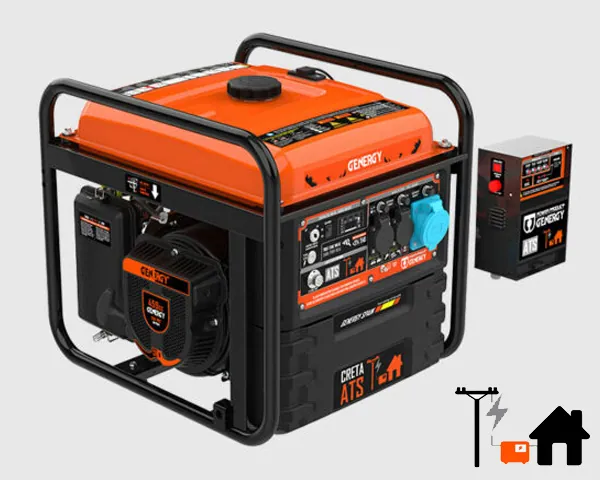
Creta ATS 7500W Generator
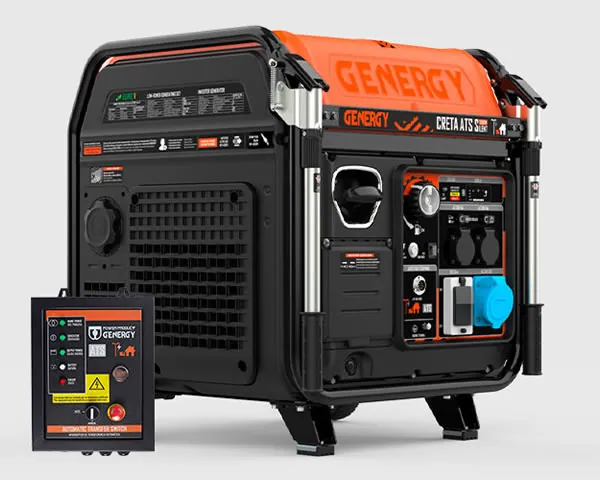
Creta ATS Silent 7500W
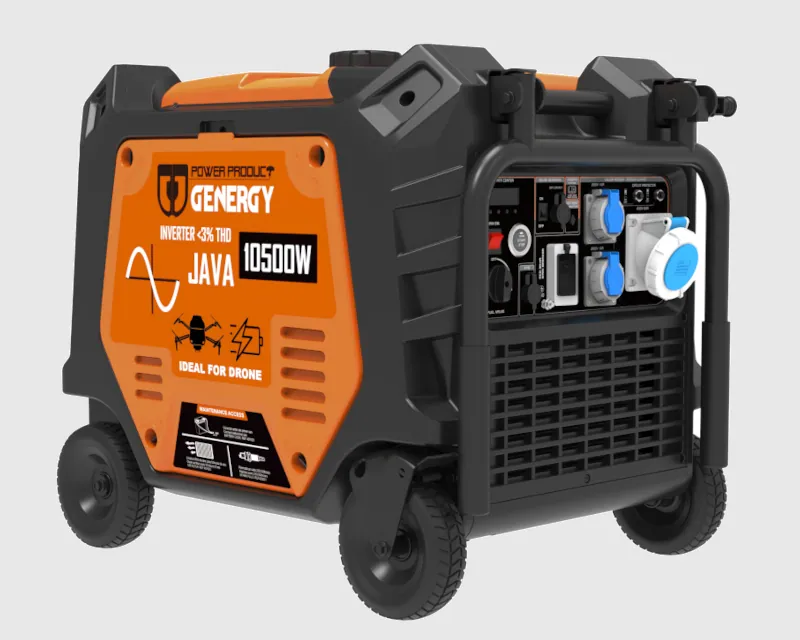
Java RC-SOL-ATS 10500W
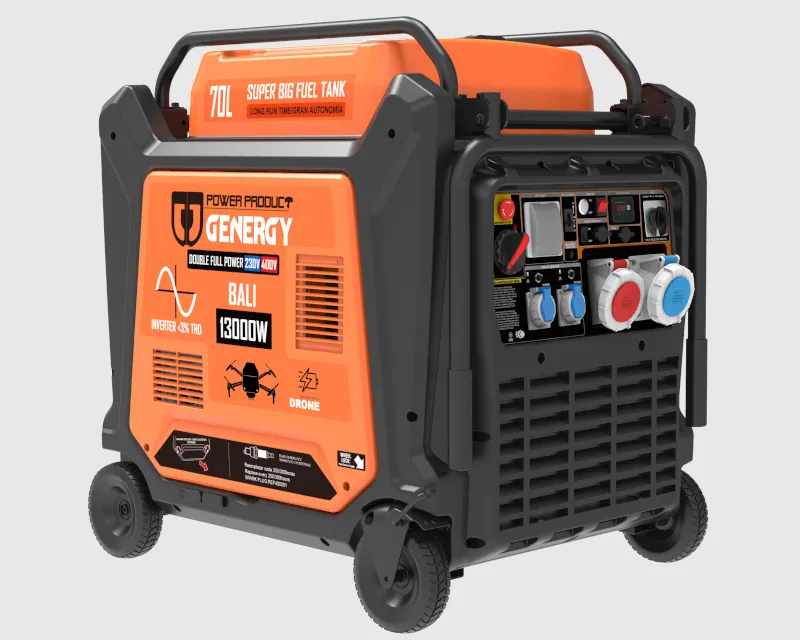
Bali RC-SOL-ATS 13000W
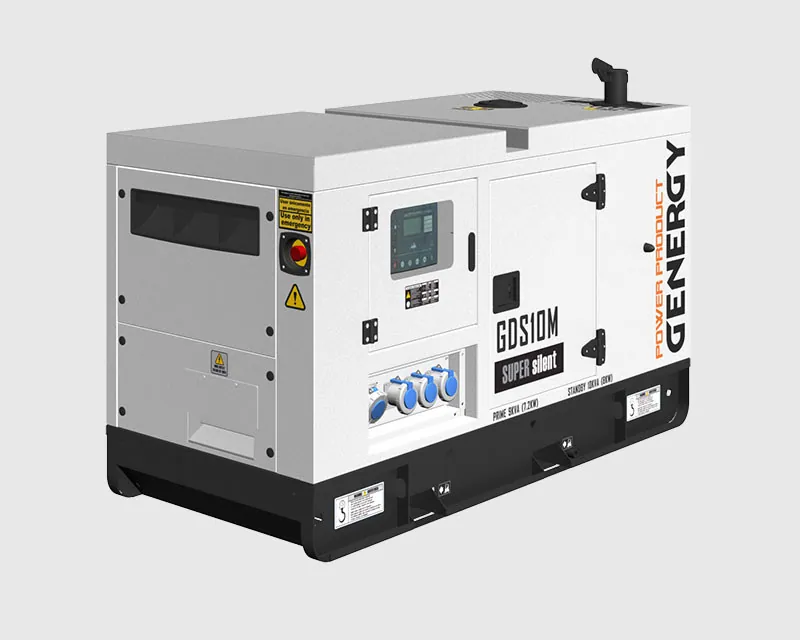
Grupo electrógeno GDS10M
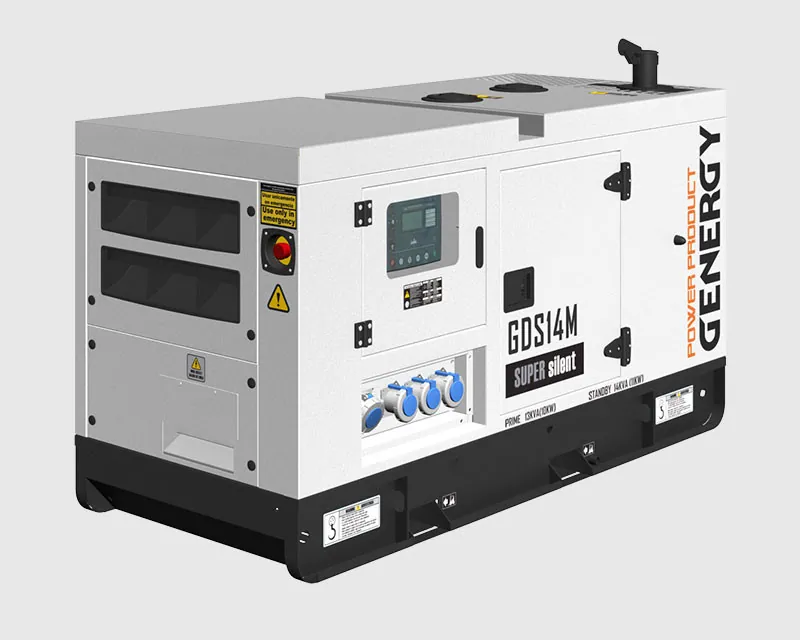
Grupo electrógeno GDS14M
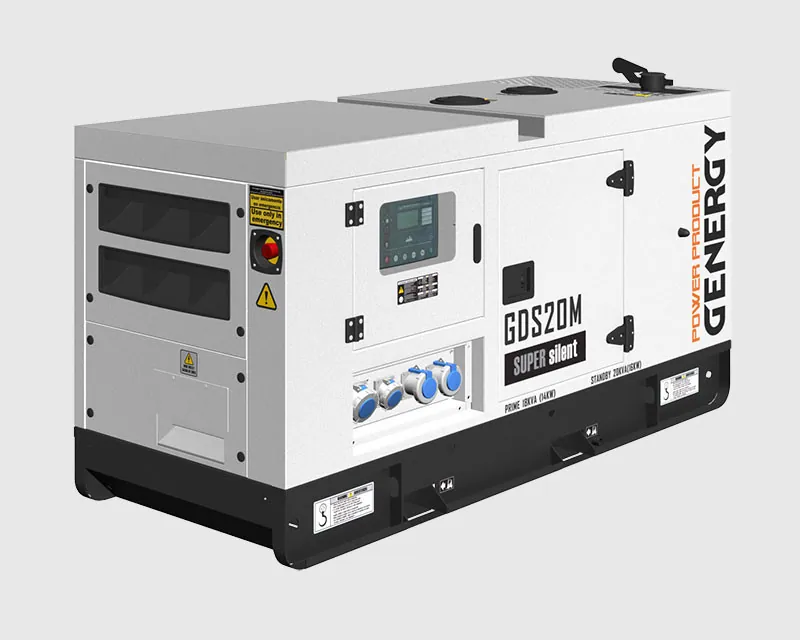
Grupo electrógeno GDS20M
👉 See the full range: Mains failure generators (ATS) · Transfer panels · Generators for home. Questions? Talk to a technician.
Want to connect your generator safely?
We help you choose the right generator and transfer system (manual or ATS) for your home, so the connection is safe and unattended. No obligation.
Talk to a Genergy technicianManual or automatic (ATS) transfer switch? How to choose
Manual transfer switch if…
You are looking for the most economical option, you don't mind flipping the lever yourself when the power goes out and you are usually at home during outages.
ATS (automatic) if…
You want unattended backup: the generator starts and switches over on its own within seconds. Ideal with frequent outages, at night or when you are away.
Three-phase / high power if…
Your home is three-phase or you run powerful pumps or air conditioning: size with a margin and confirm it with a technician.
How to connect a generator to a house step by step
- Define which circuits you will back up: the whole home or only the essentials (refrigerator, lights, router, heating). This determines the power and reduces risks.
- Check the electrical installation: panel, protections, wiring condition and feasibility of installing a transfer switch. If it is old or has been modified, do not skip this step.
- Install the transfer system (manual transfer switch or ATS panel). This is the central point and where the electrician comes in.
- Prepare an approved inlet socket to plug in the generator from outside with a cable of the correct cross-section. No improvised household sockets.
- Place the generator outside, ventilated, stable and away from windows and doors. Check fuel, oil and earthing.
- Start it and transfer the load: with the grid already isolated, start the generator and add loads gradually, not all at once.
- Verify operation and stability: check that there is no overload and that the unit runs stably. A real test before you need it is almost mandatory.
- Return to the grid in an orderly way: when supply is restored, remove the load, switch back to the grid through the intended system and shut down the generator safely.
Don't wait for the next serious outage to find out if something fails. Testing the system under controlled conditions is the best way to detect excessive consumption or a confusing procedure while you don't yet depend on the generator.
What about without a transfer switch?
It is a common search, almost always to cut costs. But in electricity, cheap done badly is paid for in risk. There are simpler solutions than an ATS —such as certain panel interlocks— but that is not the same as "connect it with nothing and that's it". If there is no safe, certifiable mechanism reviewed by a professional that prevents simultaneous supply, it is not worth improvising: what users usually need is not "a way without a transfer switch", but a more affordable installation adapted to their home.
Common mistakes and when to call an electrician
- Connecting it to a household outlet: the most dangerous mistake (backfeed, damage and risk to people).
- Overloading the generator: trying to power too much at once. An emergency demands prioritizing.
- Improvising on the day of the outage: an emergency system is prepared, tested and understood beforehand.
- Not checking regulations or wiring: setting up a generator on an old installation or one with unclear splices is a bad idea.
You can plan needs, calculate loads, decide the location and compare generator types. But the integration with the electrical panel, the transfer system and the validation of the installation must go through a professional in accordance with the REBT.
Conclusion
Connecting a generator to a house "safely" means just one thing: doing it through a transfer panel, never to an outlet. If you also want comfortable, unattended backup, a generator with automatic start (ATS) detects the outage, starts and switches over on its own, and stops when the grid returns. Well-calculated power, ventilated placement, prioritized loads and an integration validated by an electrician: that is where the difference shows when the blackout comes.
Related categories
Related topics
Frequently asked questions
Can a generator be connected to a household outlet?
No. It is dangerous and illegal: it causes backfeed into the grid, with risk of electrocution and damage to equipment. A transfer panel that isolates the house from the grid before bringing in the generator must always be used.
What happens if I connect a generator to a household outlet?
The generator's current can flow out through your installation into the external grid (backfeed), electrocute a worker repairing the line, trip protections and damage your equipment when the power returns. That is why it must never be done: it is connected with a transfer system.
What is a transfer panel or transfer switch?
A device that switches the home between the grid and the generator, ensuring they are never connected at the same time. It can be manual (you flip the lever yourself) or automatic (ATS), which detects the outage and switches over on its own.
What is the advantage of the ATS (automatic start)?
It detects the mains failure, starts the generator and switches over on its own within seconds, and stops it when the power returns. You don't have to do anything: it is unattended backup, ideal with frequent outages, at night or when you are not at home.
What power do I need for my home?
It depends on what you want to run at the same time. For essential circuits, 3,000–5,000 W; for the whole house, 5,000–8,000 W; with air conditioning or a pump, 10,000 W or more. Add up the loads and leave a margin for starting surges.
Can a generator be connected without a transfer switch?
Only if there is another safe system (for example, an interlock) that prevents the grid and the generator from powering the house at the same time, and always reviewed by a professional. Without safe, certifiable isolation, the risk is not worth it.
What cable do I need to connect the generator to the house?
A cable with a cross-section suited to the power and the distance, connected to an approved inlet socket, not to a household outlet. The specific cross-section is determined by the electrician according to the load and the length of the run, in accordance with the REBT.
Where should the generator be placed?
In an outdoor or well-ventilated area, stable, accessible and away from doors and windows. Never indoors, in closed garages or poorly ventilated spaces, because of the risk of carbon monoxide and overheating.
Is it legal to have a generator at home?
Yes, it is legal to own and use a generator as backup, as long as the connection to the home is made with a safe transfer system and the installation complies with the REBT, validated by an electrician. What is illegal is the direct connection to an outlet (suicide cable).
Can I install it myself?
Placing the generator, yes. But the installation of the transfer system and the inlet socket must be carried out by a qualified electrician in accordance with the REBT. You plan and place; the integration with the panel is validated by the professional.