How to calculate how many solar panels I need step by step
By the technical team at Genergy · Spanish manufacturer of generators and photovoltaic solutions (15+ years) · updated in July 2026 · 11 min read.
Table of contents
- The formula
- 1. Calculate your daily consumption
- 2. How much a panel produces
- 3. Divide consumption by output
- Table: panels by annual consumption
- Factors that change the number
- How many a home needs
- With batteries / off-grid home
- Will they fit on the roof?
- Common mistakes
- Genergy panels and kits
- Frequently asked questions
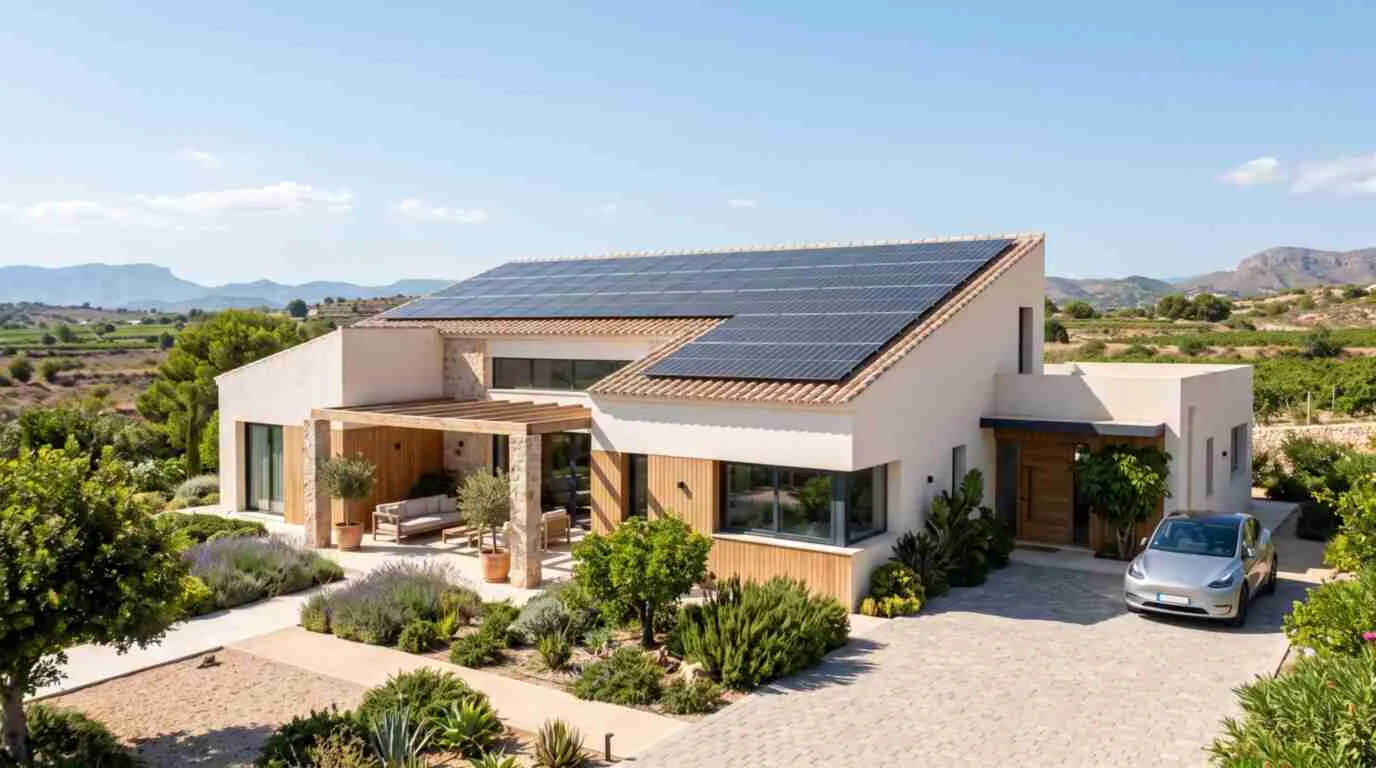
To calculate how many solar panels you need, start from your actual electricity consumption and divide it by the approximate daily output of each panel. For example, if your home consumes 12 kWh per day and each panel actually produces 1.8 kWh per day: 12 ÷ 1.8 = 6.66 → you would need about 7 solar panels. This calculation is the starting point: actual output depends on the module's power, the peak sun hours in your area, orientation, tilt, shading, system losses, and whether or not you install batteries. In an average home in Spain, the usual range is roughly 4 to 18 panels, depending on annual consumption and the goal of the installation.
Formula to calculate how many solar panels you need
The actual output of a panel is calculated by multiplying its power by the PSH and by the efficiency (0.75-0.85 due to losses). Example with a 450W panel in an area with 5 PSH: 0.45 kW × 5 × 0.80 = 1.8 kWh/day. With that, if you consume 300 kWh/month (10 kWh/day): 10 ÷ 1.8 = 5.55 → about 6 panels. Before calculating you need: monthly or annual consumption in kWh, panel power, PSH for your area, orientation and tilt, possible shading, whether you want a battery, and what percentage of your consumption you want to cover. The result is always approximate (a panel does not produce the same amount every day), so include a safety margin.
Step 1: calculate your daily electricity consumption
The first step is not to look at the roof, but at how much you consume: two homes of the same size can need a very different number of panels depending on whether they use electric heating, air conditioning, a water heater, or an electric car. Your bill shows consumption in kWh; ideally, use the annual consumption, because it includes summer and winter. To convert it to daily: annual consumption ÷ 365, or monthly consumption ÷ 30. Examples: 300 kWh/month = 10 kWh/day; 5,000 kWh/year = 13.7 kWh/day (which, with panels producing 1.8 kWh/day, would be about 8 panels). It is not always worth covering 100% of consumption: if you use a lot of energy at night and have no battery, oversizing may not be profitable.
Step 2: calculate how much a panel produces per day
A panel does not produce its maximum power all day. Its power is expressed in Wp (watt-peak); for the calculation, convert it to kW (450W = 0.45 kW). Peak sun hours (PSH) are the equivalent hours of useful sunlight (not daylight hours): in Spain, approximate values of 3 to 6 PSH are used. And you must apply an actual efficiency of 75-85% for losses (temperature, inverter, cabling, dirt, shading, degradation). Example with a 450W panel in an area with 5 PSH: 0.45 × 5 = 2.25 kWh; with 20% losses, 2.25 × 0.80 = 1.8 kWh/day actual.
Step 3: divide daily consumption by output per panel
| Home | Consumption | Calculation (panel 1.8 kWh/day) | Panels |
|---|---|---|---|
| Small | 180 kWh/month (6 kWh/day) | 6 ÷ 1.8 = 3.33 | ~4 panels |
| Medium | 360 kWh/month (12 kWh/day) | 12 ÷ 1.8 = 6.66 | ~7 panels |
| High consumption | 750 kWh/month (25 kWh/day) | 25 ÷ 1.8 = 13.88 | ~14 panels |
It is always best to round up (if it gives 6.2 panels, go to 7) and add a margin if there is shading, the roof does not face south, you live in an area with lower radiation, you want more output in winter, you have a battery, or you plan to increase your consumption.
Reference table: how many panels by annual consumption
Approximate, with 450W panels and estimated average actual output. It is a guide, not a substitute for a technical study:
| Annual consumption | Approx. daily consumption | Approximate panels |
|---|---|---|
| Less than 2,000 kWh/year | Up to 5.5 kWh/day | 3–4 panels |
| 2,000–4,000 kWh/year | 5.5–11 kWh/day | 4–7 panels |
| 4,000–6,000 kWh/year | 11–16.4 kWh/day | 7–10 panels |
| 6,000–8,000 kWh/year | 16.4–21.9 kWh/day | 10–13 panels |
| 8,000–10,000 kWh/year | 21.9–27.4 kWh/day | 13–16 panels |
| More than 10,000 kWh/year | More than 27.4 kWh/day | 16–18 or more |
Factors that change the number of panels
Two installations with the same consumption can need a different number of panels. Location and peak sun hours are decisive (the more PSH, the fewer panels for the same energy):
| PSH | Daily output (450W panel, 80%) |
|---|---|
| 3 PSH | 1.08 kWh/day |
| 4 PSH | 1.44 kWh/day |
| 5 PSH | 1.8 kWh/day |
| 6 PSH | 2.16 kWh/day |
Also influential are orientation (in Spain, south is usually best; east/west distribute output differently), tilt, shading (chimneys, trees, antennas, buildings), temperature (excess heat reduces efficiency), dirt, and losses in the inverter and cabling. That is why you should never calculate as if everything worked at 100%.
How many panels does an average home in Spain need?
Between 4 and 18 panels, depending on consumption. A small apartment with low consumption, 3-5 panels (if it has space or a shared installation). An average detached house, 6-10 panels. A large or high-consumption home (aerothermal heating, pool, air conditioning, electric water heater, electric car, many occupants), 12-18 or more. The number depends far more on annual consumption than on the size of the home. A personalized study is advisable when consumption exceeds 5,000 kWh/year, there are batteries, there is shading, the roof has several orientations, or you want to cover nighttime consumption.
How many panels with batteries or in an off-grid home
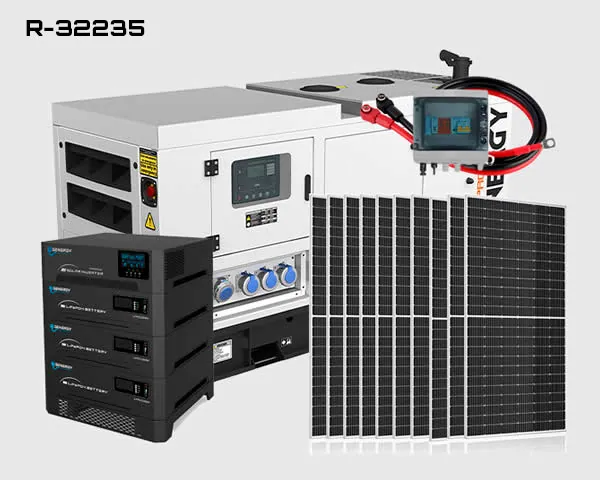
Batteries change the calculation, because they let you store energy for the night or cloudy days: the question is no longer just how many panels, but how much energy you want to store. It makes no sense to have many panels with a small battery, or a huge battery with few panels that cannot charge it: the system is sized as a whole. A solar kit with battery makes that combination easier. In an off-grid home, the calculation is more careful: calculate your essential loads, define the days of autonomy you want (1, 2, 3 or more), count on batteries being essential, plan for backup in case of several cloudy days, and leave a margin for winter (the critical period: less sun and more consumption).
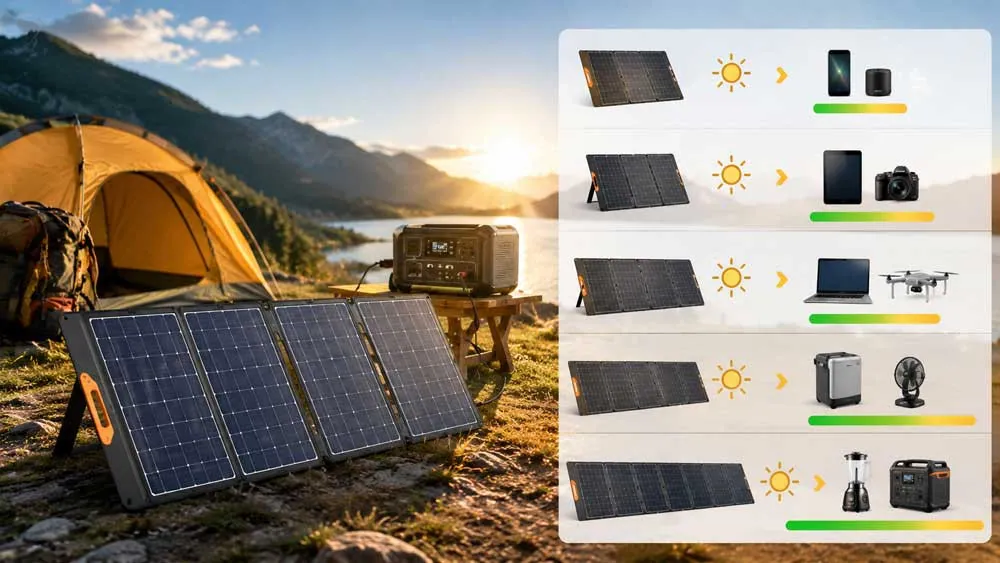
For mobility, camping, garden or emergencies, portable solar panels are useful for charging batteries, powering small devices or supporting outdoor loads, but they do not replace a complete installation for a high-consumption home. And if you need backup for cloudy days or outages, a portable electric generator or a generator set can complement the installation.
How to know if your panels will fit on the roof
In addition to the energy calculation, check the physical space. A current panel takes up approximately 2 m² (depending on the model): if you need 8 panels, count about 16 m² plus margins and access. Take into account obstacles and distances (chimneys, skylights, antennas, air conditioning units, maintenance walkways, shading between rows), the available orientation (if the usable roof faces north, efficiency drops), the weight and structure (it must support the panels, anchors and wind) and leave access for maintenance and cleaning.
Common mistakes when calculating solar panels
The most common: using only the nominal power of the panel (a 450W panel does not produce 450W all day); not applying losses (use an efficiency of 75-85%); ignoring shading; not checking the space (you may need 10 panels but only 7 fit); oversizing without batteries (if you produce when you are not home and do not store energy, you waste it); not looking at consumption habits (when you consume matters, not just how much); and forgetting winter (less output and more consumption).
Genergy solar panels and kits
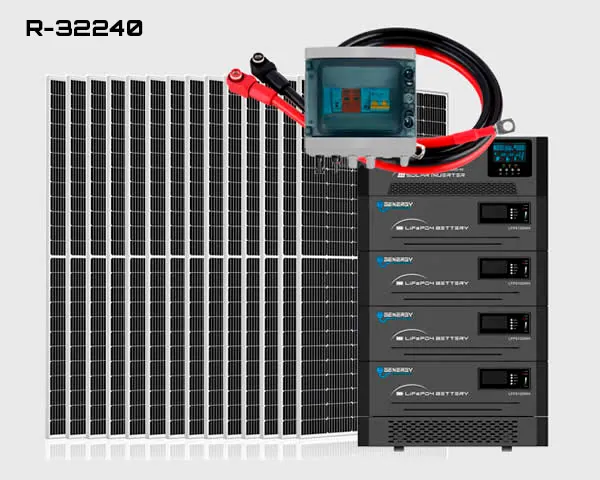
Once you know how many panels you need, choose the panel (standalone or portable) or a complete kit with already compatible components. Filter by what you are looking for:
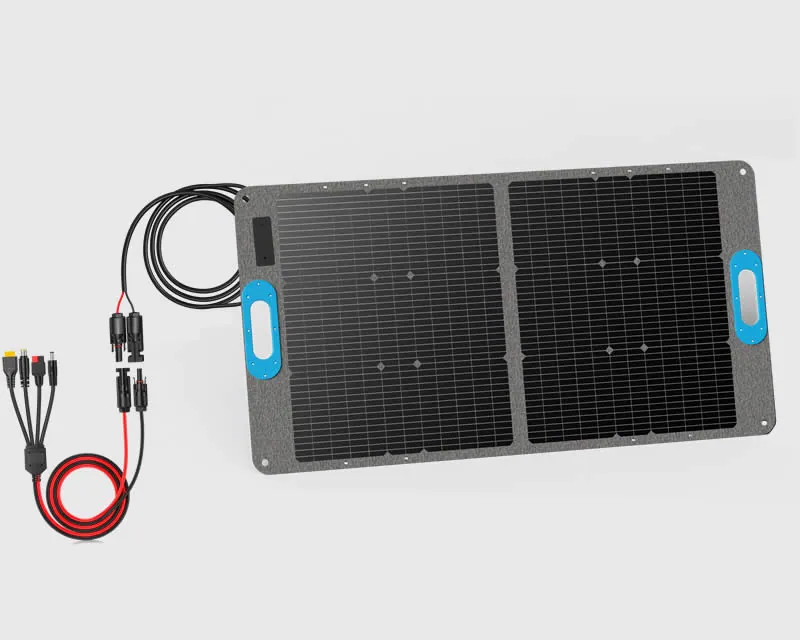
Panel Solar SUN100W
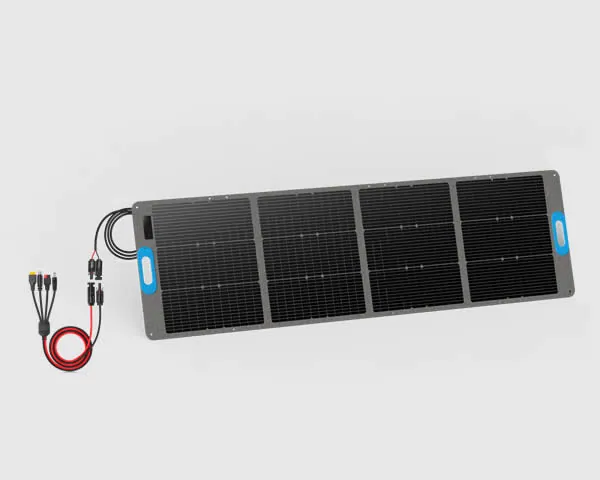
Panel Solar SUN200W
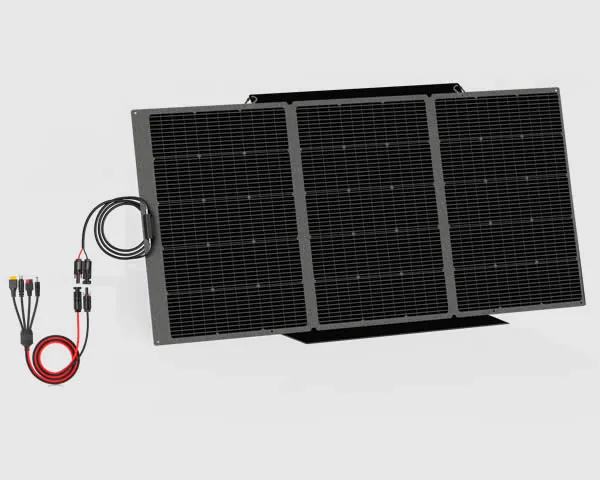
Panel Solar SUN300W
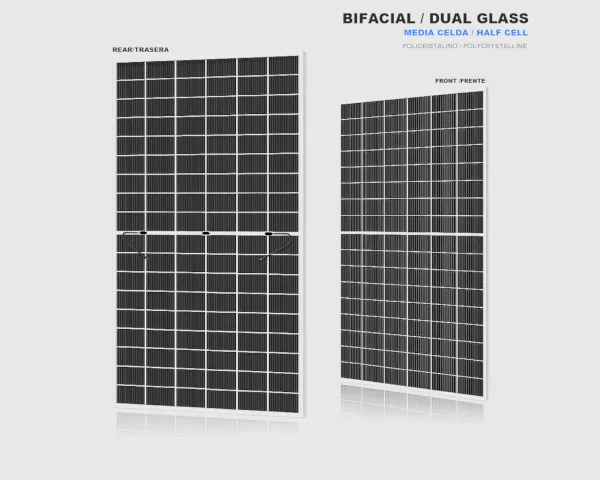
Panel Solar HC660W
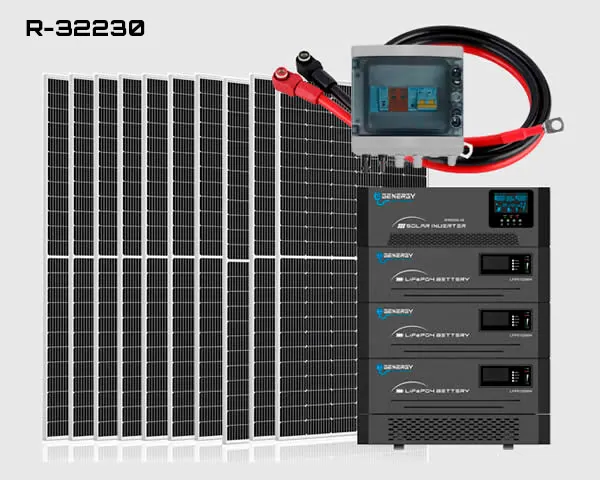
Plan Solar Sigma
Plan Solar Pegasus
👉 See the full range: All-inclusive photovoltaic systems · Solar kit with battery · Portable solar panels · Questions? talk to a technician.
Want to know exactly how many panels you need?
Tell us your annual consumption, where you live and what your roof is like, and we will help you size the number of panels, the battery and the right kit. We are manufacturers. No obligation.
Talk to a Genergy technicianConclusion
To calculate how many solar panels you need, start with your actual consumption. The formula: no. of panels = daily consumption ÷ actual daily output of one panel, and a panel's output = power × peak sun hours × actual efficiency. An average home in Spain may need roughly between 4 and 18 panels, depending on annual consumption, location, orientation, shading, panel power, available space and whether you want batteries. The key is not to install many panels "just in case", but to size properly according to your consumption, your schedules and your goal.
Related categories

Related topics
Frequently asked questions
How do I calculate how many solar panels I need?
Divide your daily consumption by the actual daily output of one solar panel. Actual output depends on the panel's power, peak sun hours and system losses.
How many solar panels does a normal home need?
An average home may need between 4 and 18 solar panels, depending on its annual consumption, location, roof and self-consumption goals.
How many panels do I need for 300 kWh a month?
300 kWh a month is about 10 kWh a day. If each panel produces 1.8 kWh per day, you would need about 6 solar panels.
How much does a 450W solar panel produce?
It depends on the area. With 5 peak sun hours and an actual efficiency of 80%, a 450W panel can produce about 1.8 kWh per day.
What are peak sun hours?
They are the equivalent hours of useful sunlight for producing energy. They are not the same as daylight hours.
How many panels do I need with batteries?
It depends on how much energy you want to store and how much autonomy you need. Panels and battery must be calculated at the same time, as a whole.
Is it better to cover 100% of consumption?
Not always. If you have no battery and consume a lot at night, it may not be profitable to oversize in order to cover 100%.
What happens if I have shading?
Shading reduces output and may mean you need more panels or a different configuration (optimizers or microinverters).
How many panels fit on a roof?
It depends on the panel size and the usable space. As a guide, a panel can take up about 2 m², but you must leave margins and avoid obstacles.
Can a generator complement solar panels?
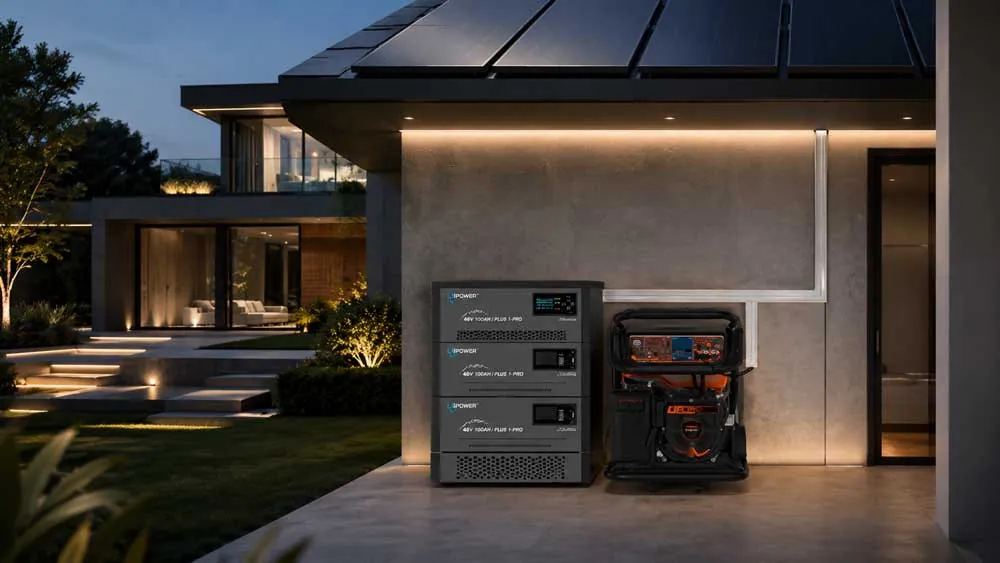
Yes. It can serve as backup on cloudy days, in emergencies, in off-grid homes or for occasional high loads.