How to install solar panels for self-consumption: steps, equipment, paperwork and tips
By the technical team at Genergy · Spanish manufacturer of generators and photovoltaic solutions (+15 years) · updated July 2026 · 10 min read.
Table of contents
Installing solar panels for self-consumption means designing, mounting and legalizing a photovoltaic installation capable of producing electricity to be used in a home, business or grid-connected space. Although solar kits and simpler solutions exist, the most common and recommended approach is to hire an authorized installation company that sizes the system, installs the equipment safely and legalizes the installation. It's not simply putting panels on the roof: first you need to study consumption, inspect the roof, calculate how many modules are needed, choose an inverter, assess whether a battery is worthwhile, mount everything safely and complete the paperwork so that it operates legally. This matters because a poorly sized installation produces less than expected, a poorly mounted one can cause electrical or structural problems, and an unlegalized one may prevent you from accessing surplus compensation.
What installing solar panels for self-consumption means
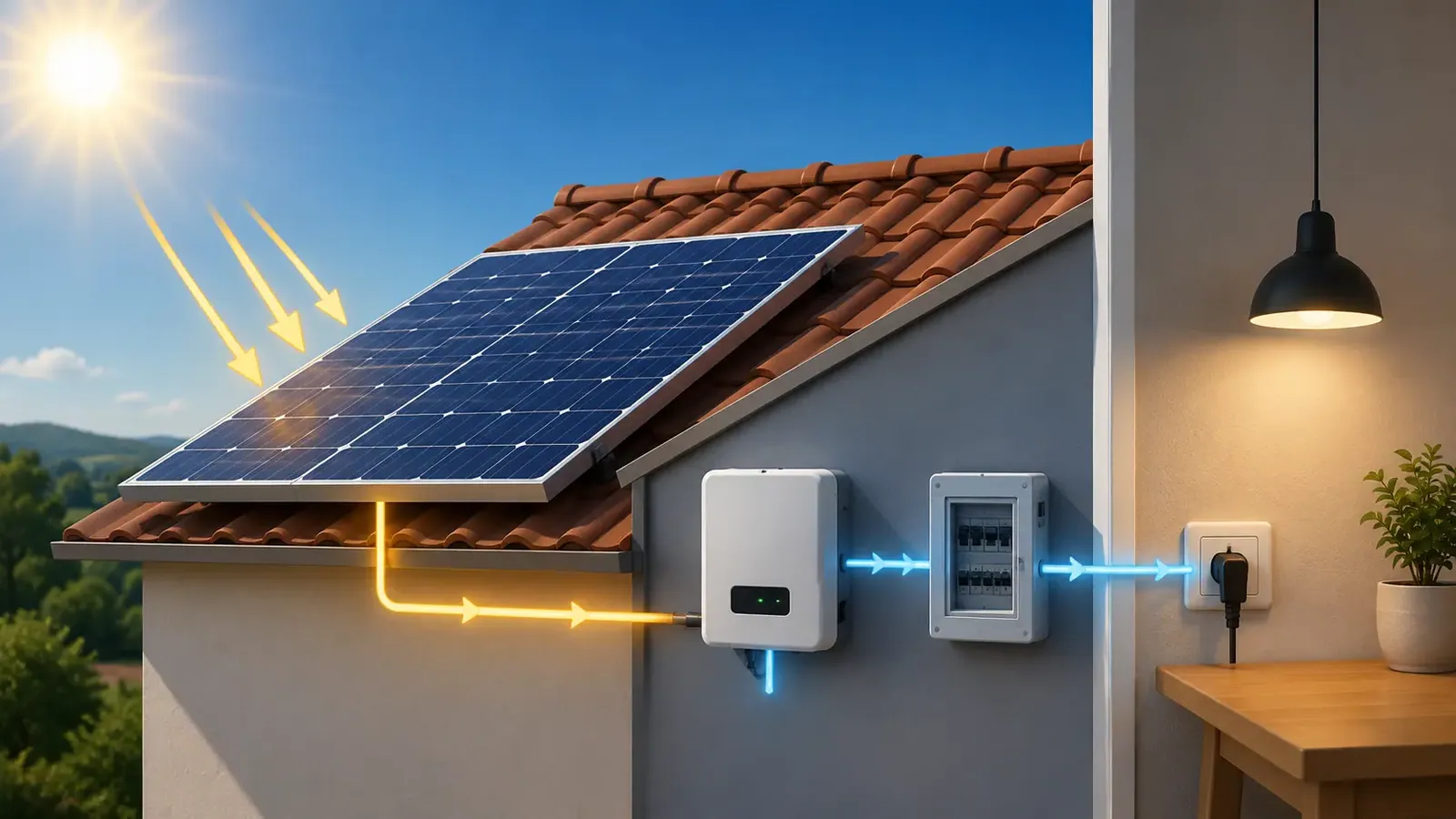
It means setting up a photovoltaic system that generates electricity to be used directly on the property itself. During sunlight hours, the panels produce energy that is consumed immediately; if there is a surplus, it can be stored in a battery or fed into the grid if the installation is connected and legalized. The goal is to reduce dependence on the grid, save on your bill and take advantage of a renewable source.
In grid-connected self-consumption (the most common setup in homes and businesses), the installation produces electricity but the property remains connected to the grid, so when the panels don't generate enough, power is drawn from the grid; and if there is a surplus, it can be compensated on your bill through the surplus mechanism. In off-grid self-consumption (farms, country houses, shelters, remote areas without grid access), batteries are far more important, and an electric generator is sometimes added as occasional backup when continuity is critical.
Steps to install solar panels for self-consumption
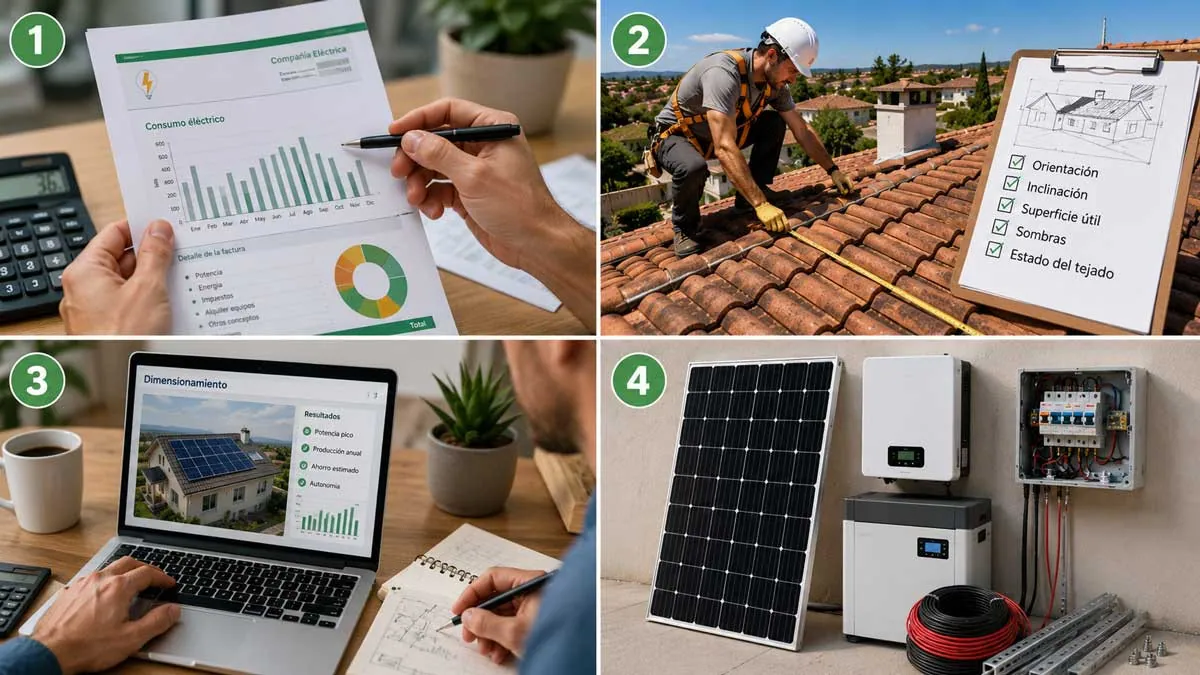
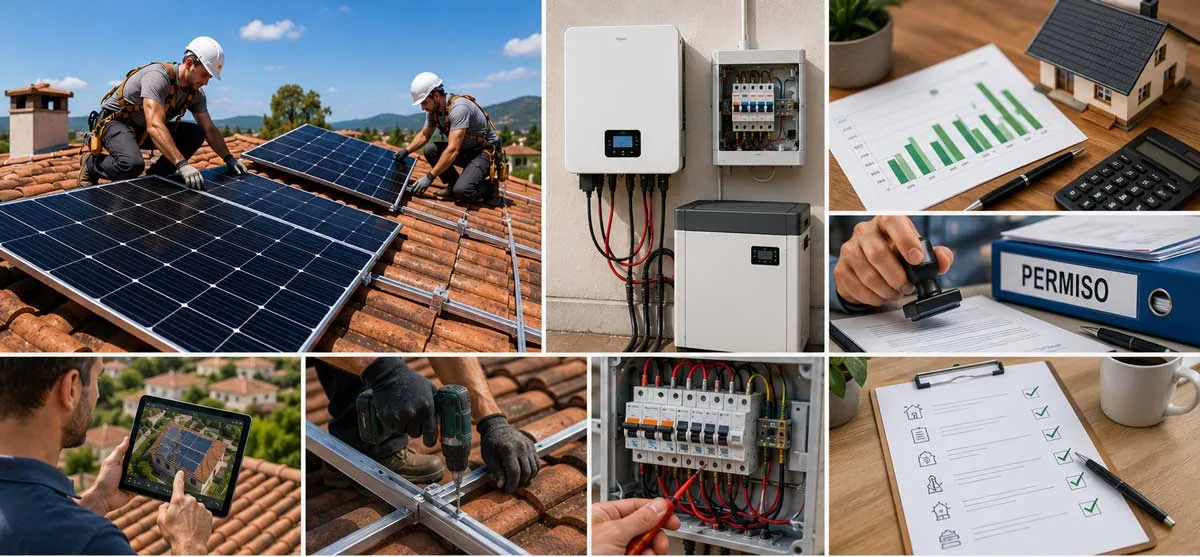
1. Analyze electricity consumption
Check how much electricity the home or business uses and at what times. Knowing how much you pay is not enough: you need to understand whether you consume more in the morning, afternoon or at night, on weekdays or weekends. If you consume a lot during the day, you will make better use of direct solar energy; if it's mostly at night, a battery may be worth considering.
2. Inspect the roof or available surface
The ideal is a roof with good orientation, suitable tilt, few shadows and enough space, as well as checking its condition (there's no point installing on a roof that needs repair). The installer should assess orientation, tilt, shading, usable surface, structural strength, access, mounting safety and distance to the electrical panel.
3. Size the installation
This means calculating how many panels are needed and what power the system should have. It is a key point: an installation that is too small may not cover enough consumption, and one that is too large generates surplus that is not put to good use.
4. Choose the equipment
A self-consumption installation may include solar panels, mounting structures, an inverter, electrical protections, cabling, a meter or monitoring system, a battery (if you want storage) and a backup system (if you need continuity). Complete solar kits exist for grid-connected homes, off-grid dwellings or mobile uses, with panels, inverters, batteries or generators.
5. Request a quote and technical proposal
Ask for a clear proposal that includes not only the price, but also the installed power, number of panels, type of inverter, warranties, estimated production, expected savings, included paperwork and timeframe. Pay close attention here: two quotes may look the same, but one may include legalization, monitoring, warranties and surplus management and the other may not.
6. Installation of the system
Once the design is approved, the installer fixes the structures, places the panels, carries out the wiring, connects the inverter, installs protections and checks that everything works. In many homes, the physical installation is usually completed in one or two days.
7. Legalization and paperwork
Essential: the installation must be registered and legalized with the relevant authority. Procedures vary by autonomous community and type of installation, but usually include a technical report or project, electrical installation certificate, self-consumption registration, notification to the distributor, surplus compensation contract (if applicable) and application for grants or tax rebates (if applicable).
8. Activation, monitoring and maintenance
Once installed and legalized, it starts producing. Ideally, use an app or monitoring system to see production, consumption, surplus and savings. Maintenance is low but not non-existent: it's advisable to check production, clean the panels when needed and make sure no new shadows or incidents appear.
What equipment you need to install solar panels
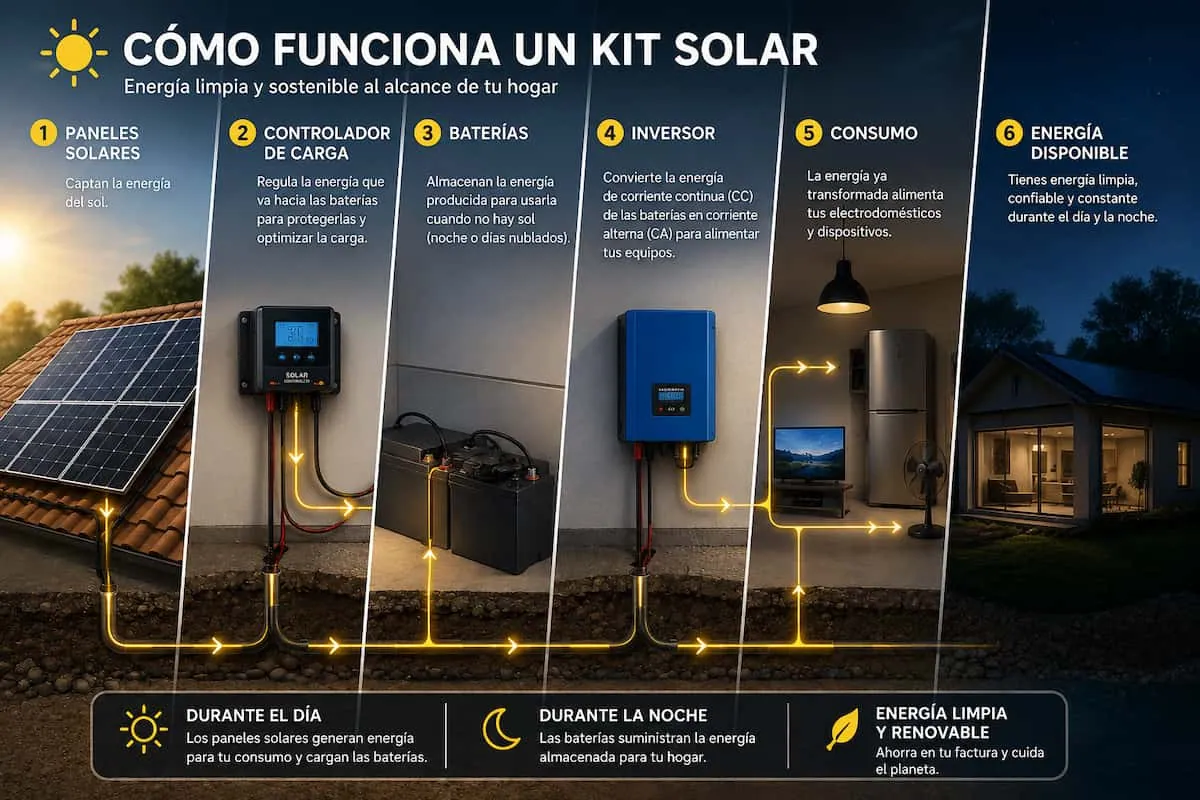
Solar panels capture radiation and convert it into electricity. The solar inverter converts the direct current from the panels into alternating current, the kind used by the home. The support structure fixes the panels to the roof or surface and must be well anchored and adapted to the roof. Electrical protections safeguard the installation and the home against overvoltage or earth leakage. Monitoring lets you see how much energy the panels produce, how much you consume and how much you feed into or draw from the grid. And the solar battery (optional) stores surplus for later use; if you are looking for home storage or backup, a portable solar battery for home may suit specific equipment, emergencies or occasional support.
Solar panels with battery: when they make sense
Not all self-consumption installations need a battery: many grid-connected ones work perfectly well without storage. It may be worthwhile if you consume a lot of electricity at night, have frequent daytime surplus, want to further reduce your dependence on the grid, are looking for backup during outages, have an off-grid home or want to make better use of solar production. To combine generation, storage and use of your own energy in a single system, a solar kit with battery for self-consumption is a good starting point.
Solar kits for self-consumption
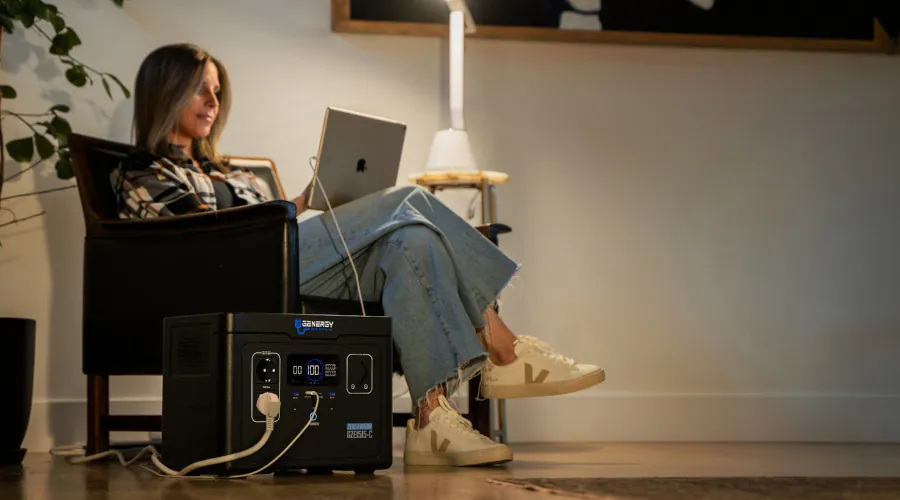
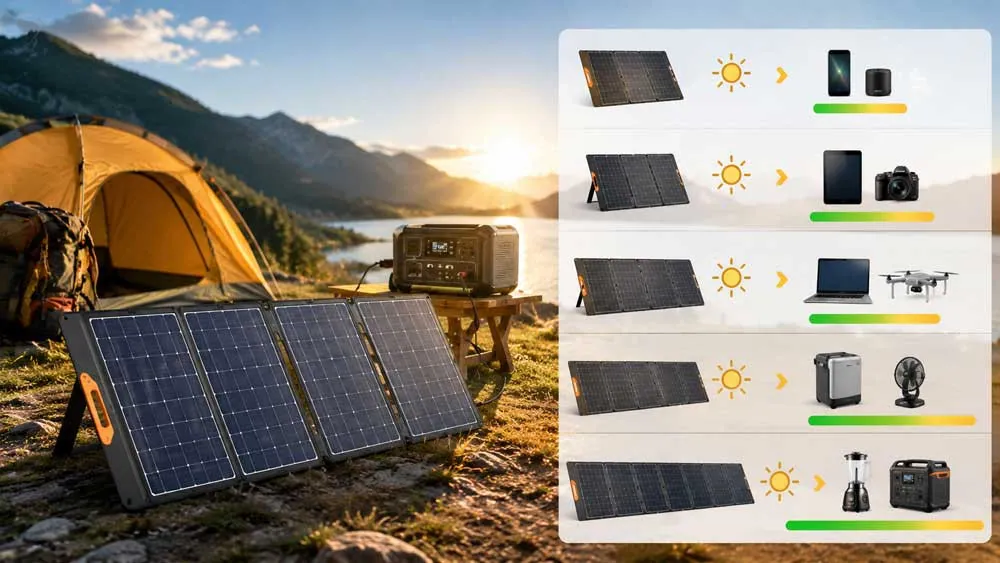
A solar kit for self-consumption bundles the components of an installation: panels, inverter, structures, cabling and, in some cases, a battery. They help you understand which elements make up the system, but they don't always mean you can install everything without professional help: if it is grid-connected, it must meet technical and legal requirements, and a self-installable grid-connected kit must always be legalized if you want to feed energy into the grid. Grid-connected kits are the most common in urban homes; off-grid ones are used where there is no grid and usually need batteries and more careful design; and portable ones are small solutions for camping, tools or emergencies, where a portable solar generator works as a rechargeable power station.
It depends on the type of installation. For small, portable or off-grid systems there may be kits designed for easier installation. But when we talk about grid-connected self-consumption, a primary residence, surplus compensation and legalization, an authorized installation company is recommended: electrical safety, regulations, structure, legalization and warranties are all at stake. If the installation affects the electrical panel, connects to the grid or you want to compensate surplus, it's not worth improvising.
Permits and legalization to install solar panels
Procedures depend on the autonomous community, the municipality and the type of installation. In general, you may need a building permit or prior notification, approval from the homeowners' association (if applicable), electrical installation certificate, regional self-consumption registration, surplus compensation contract, communication with the distributor and application for rebates or grants. This is where an installation company adds a lot of value: it doesn't just mount panels, it can also handle permits, documentation and legalization. It's worth checking which procedures each quote includes, because not all companies manage permits and grants.
What the cost of installing solar panels depends on
The price depends on the installed power, the quality of the equipment, the type of roof, the complexity of the installation, whether there is a battery and whether the paperwork is included. Since no two cases are alike, the right approach is to request a personalized quote. The factors with the greatest influence are:
| Factor | How it affects the quote |
|---|---|
| Number of panels and total power | The more installed power, the higher the equipment cost |
| Type of inverter | Hybrid or battery-ready usually increases the price |
| Battery / storage | Significantly increases the initial investment |
| Type of roof, height and access | Complex or hard-to-access roofs increase installation cost |
| Cabling and protections | Greater distance to the panel = more material |
| Legalization and paperwork | Whether it is included or not changes the final price |
| Monitoring, warranties and maintenance | Services that add value and affect the total |
When installing solar panels is worth it
It usually makes the most sense when you have medium or high electricity consumption, own a roof or have a usable surface with good orientation and few shadows, can shift consumption to solar hours, can compensate surplus, want to reduce your dependence on the grid or protect yourself from rising electricity prices. It's worth looking at profitability calmly: it doesn't depend only on the number of panels, but on how much you self-consume, how much you feed in, what tariff you have, the cost of the installation and the available grants.
Backup systems: when to use generators
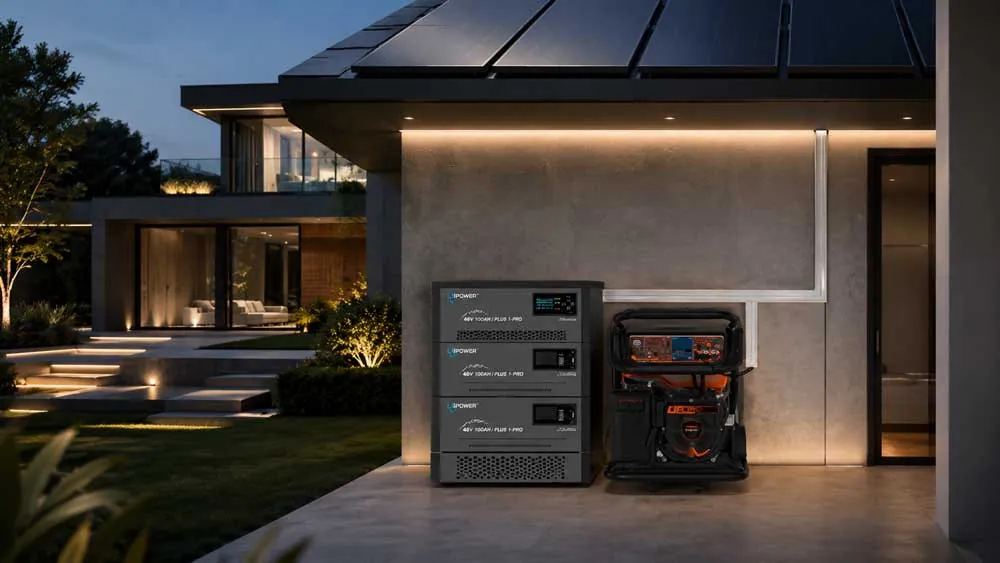
In grid-connected self-consumption, if there is no battery or backup system, when the power goes out the installation normally disconnects for safety. That is why some homes, farms or off-grid installations combine solar energy with batteries or generators. A generator set can act as backup where continuous power is needed (rural, professional or remote environments). For more compact and stable support with sensitive equipment, a gasoline inverter generator delivers more stable power. And without direct combustion, the range of portable power stations fits rechargeable solutions tied to storage.
Common mistakes when installing solar panels
The costliest ones: installing without studying shadows (partial shading greatly reduces production: check chimneys, antennas, trees and buildings); oversizing the installation (more panels doesn't always mean more savings if you generate energy that you neither consume nor compensate well); not checking the condition of the roof (installing on a deteriorated roof may force you to dismantle later); not comparing quotes (price, materials, legalization, warranties, estimated production and after-sales service); not legalizing properly (without legalization you will have problems compensating surplus or accessing grants); and forgetting consumption habits (shifting certain loads to solar hours greatly improves savings).
"All-inclusive" solar kits from Genergy
As a manufacturer, Genergy does not carry out roof installation (that is done by an authorized installer), but it does offer PLAN SOLAR kits with panels, inverter and, optionally, battery, ready for a self-consumption installation. Filter according to whether you need pure self-consumption or with storage:
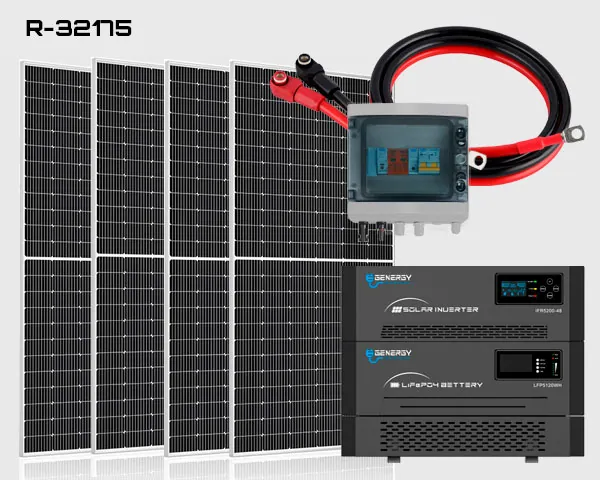
Plan Solar Rigel
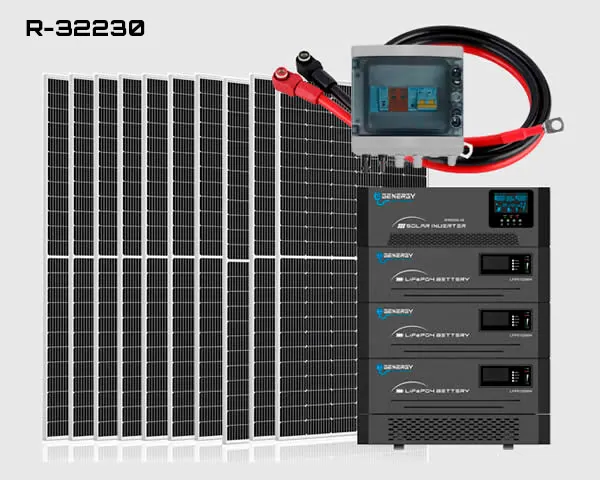
Plan Solar Sigma
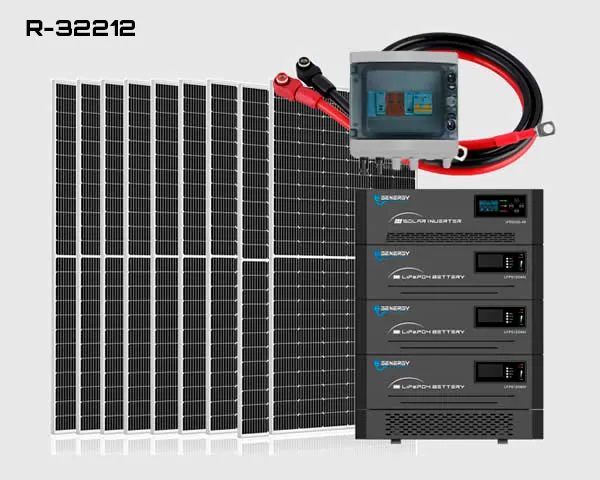
Plan Solar Vega
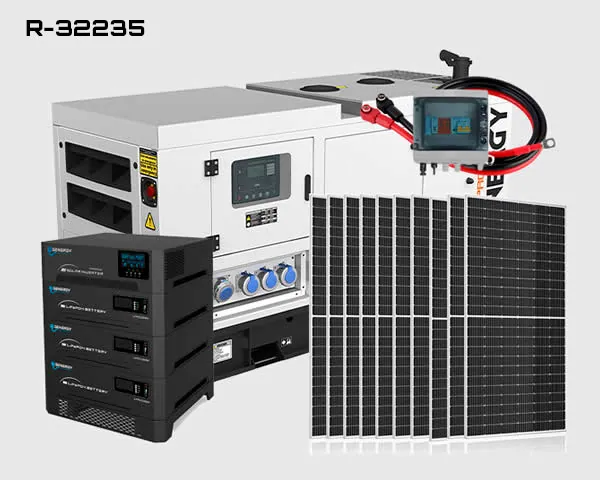
Plan Solar Sigma Backup-A
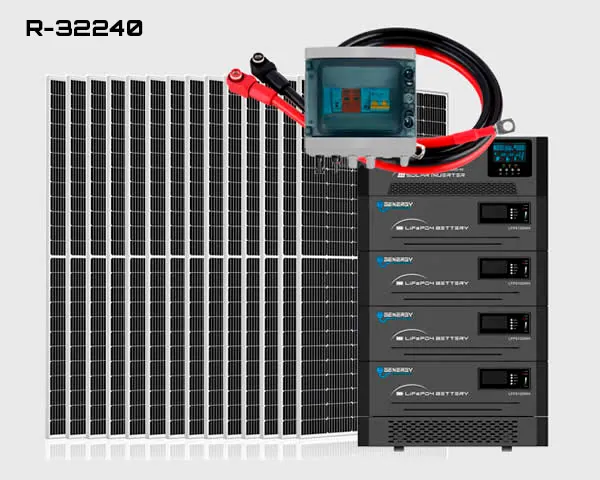
Plan Solar Pegasus
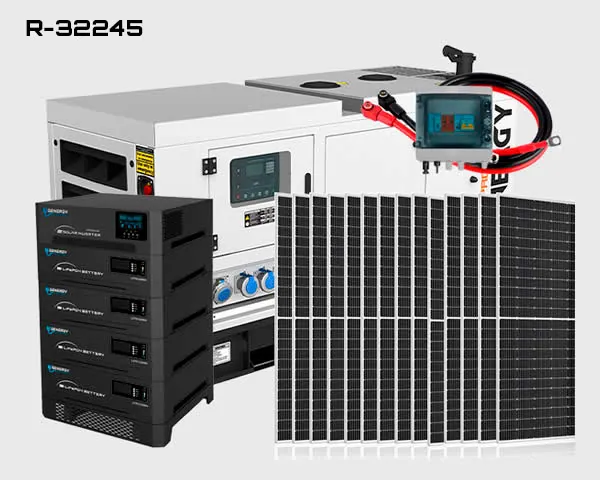
Plan Solar Pegasus Backup-A
👉 See the full range: All-inclusive photovoltaic systems · Solar kit with battery · Scalable systems · Questions? Talk to a technician.
Want a self-consumption quote?
Tell us your consumption, what your roof is like and whether you want a battery, and we'll help you size the photovoltaic kit that fits your home. We are manufacturers and work with authorized installers. No obligation.
Talk to a Genergy technicianConclusion
To install solar panels for self-consumption, the best approach is to hire an authorized installation company that studies your consumption, sizes the system correctly, mounts the equipment safely and legalizes the installation. The process is not limited to placing panels on the roof: you need to analyze consumption, inspect the roof, choose equipment, calculate power, install protections, connect the inverter, process permits and activate surplus compensation if applicable. A good solar installation starts before mounting, with a good technical study, and ends when the system is legalized, monitored and producing safely.
Related categories
Related topics
Frequently asked questions about how to install solar panels for self-consumption
How do I install solar panels for self-consumption?
The usual process is to carry out a consumption study, inspect the roof, size the installation, choose equipment, hire an authorized installation company, mount the panels and legalize the system with the regional authority.
Can I install solar panels myself?
In small, off-grid or portable installations it may be possible with ready-made kits. But if the installation is grid-connected or you want to compensate surplus, an authorized installation company is recommended for safety, regulations and warranties.
How much does it cost to install solar panels?
It depends on the power, the equipment, the roof, legalization and whether it includes a battery. Since no two cases are alike, the right approach is to request a personalized quote detailing installed power, equipment, paperwork and warranties.
How long does the installation take?
The physical installation is usually done in one or two days in many homes, although paperwork and permits may extend the total process.
Does a self-consumption installation need to be legalized?
Yes, especially if it is grid-connected or you want to compensate surplus. Legalization allows the installation to be registered and the corresponding procedures to be activated.
What equipment is needed?
Solar panels, inverter, structure, protections, cabling, monitoring system and, optionally, a battery or backup system.
Is it worth installing a battery?
It depends on your consumption habits. It may be worthwhile if you generate surplus during the day and consume more in the afternoon or at night, or if you are looking for backup during outages.