How long does an electric generator last: continuous running hours and real service life
By the Genergy technical team · Spanish manufacturer of generators and generator sets (15+ years) · updated July 2026 · 9 min read.
Table of contents
When someone searches for how long an electric generator lasts, they almost always mix two different questions: how many hours in a row it can run without stopping, and how many hours or years of service life it offers before wearing out. They seem like the same thing, but they are not: a generator can accumulate many hours over its lifetime and, at the same time, not be designed for extremely long uninterrupted shifts. That is why the right answer is not a single number.
The short answer: runtime is not the same as service life
| Generator type | Continuous hours (runtime) | Total service life |
|---|---|---|
| Small portable (gasoline) | ~4–5 h at medium/high load | ~1,000–2,000 h |
| Industrial / diesel generator set | Up to 24 h of continuous use | ~10,000–30,000 h or more |
The range is huge because a gasoline portable and an industrial diesel are not bought, used or worn down in the same way. And it is worth not confusing "can run" with "should run": a generator being able to stay on for many hours does not mean it should always work at its limit, with poor ventilation or without inspection breaks. That is where both runtime and service life get cut short.
How many hours in a row can an electric generator run
Continuous runtime depends on five factors: tank capacity, fuel type, connected load, engine design and cooling system. A key point many people forget: real runtime depends heavily on the load percentage. A generator at 50% of its capacity runs considerably more comfortably than one operating close to its maximum.
Small portable generators
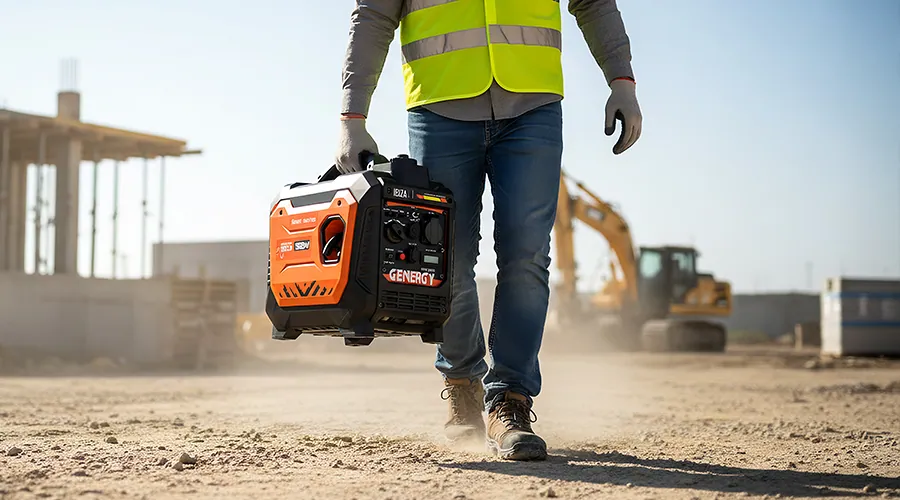
A reasonable reference is around 4 to 5 hours in a row. They are designed to get you out of a bind (lights, fridge, router, tools), not for a full working day without a break. They use simpler engines and modest tanks: cheaper and easier to move, but limited in continuous runtime. The closer to the maximum they work, the more consumption, temperature and mechanical stress increase.
Industrial diesel generators
Here the picture changes: many diesel units are built for prolonged or continuous use (24 hours), with sturdier engines, better cooling and larger tanks. But that performance is only sustained with the right load, up-to-date oil, clean filters and sufficient ventilation. A very good unit that is poorly maintained lasts less than a decent one that is well cared for.
What changes depending on the engine, RPM and load
A generator that spins at more revolutions per minute usually suffers more wear than a slower, sturdier one, especially in prolonged use. And load matters enormously: it does not "last" the same powering moderate loads as it does handling constant peaks or always working at 90–100%. That is why, to make it last more hours and more years, it is best not to size it to the millimeter: leaving a margin works in your favor.
What is the service life of an electric generator
Service life is the wear accumulated over time. In general, a small portable unit falls within a range of 1,000 to 2,000 hours, while an industrial diesel can reach 10,000, 20,000 or even 30,000 hours or more. The difference is no accident: it reflects the purpose of each unit. The portable covers occasional needs; the industrial is born to work and withstand long cycles.
The useful approach is to treat it as a realistic expectation: a small unit for occasional emergencies can last you years; but if you use it with heavy frequency, it will fall short sooner than expected. Not because it is bad, but because it was not the right unit for that usage pattern.
The most common mistake is not buying a bad generator, but buying a good generator for the wrong use. That is where disappointments about lifespan appear. Before buying, ask yourself: do I want it for occasional emergencies or to really work many hours?
Gasoline vs diesel: which usually lasts longer
In terms of service life and demanding uses, diesel usually lasts longer than gasoline. It is not a magic rule, but it is a clear trend: diesel engines are better suited to sustained loads and prolonged use. That is why, for many hours of service, serious backup or professional use, diesel is the most logical option. Gasoline generators fit better in portable units, occasional use and tight budgets.
Factors that make a generator last more or less
Maintenance and oil changes
It is probably the most important factor. Changing the oil when due, checking levels, monitoring cooling and not letting small anomalies go unaddressed is essential. A generator without maintenance lasts less, performs worse, consumes more and fails sooner. See what oil a gasoline generator takes.
Fuel quality and filter condition
Contaminated fuel or fuel stored for too long affects engine performance; the same goes for dirty or clogged filters. An engine that receives clean fuel runs more steadily and with less stress, which affects both runtime and service life.
Running at maximum, ventilation and exposure to the elements
A generator always working at its limit wears out sooner; and if it is poorly ventilated, in a very hot or humid environment or exposed to the elements, the problem multiplies. It may be running and still shorten its life at full speed if the environment is not suitable.
How to know how long the generator you have or want to buy will last
Do not look only at power or price. Look at the engine type, the fuel, the use it is designed for, the overall quality and the maintenance you will be able to give it. In the technical data sheet, check whether the unit is geared toward occasional use, backup, heavy-duty work or continuous use, in addition to the rated and maximum power. Signs that it is not designed for continuous use: compact size, household focus, small tank, simple engine and no references to prolonged use. That is not bad: it is simply designed for a different scenario.
Long-lasting Genergy generators
For many hours of service and a long service life, the diesel range with electronic regulation is the benchmark. Filter by current type:
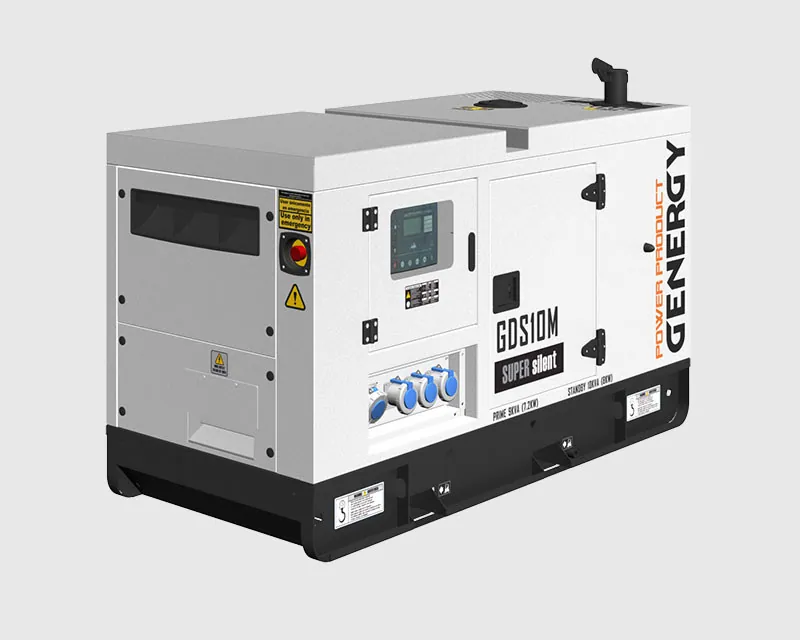
Grupo electrógeno GDS10M
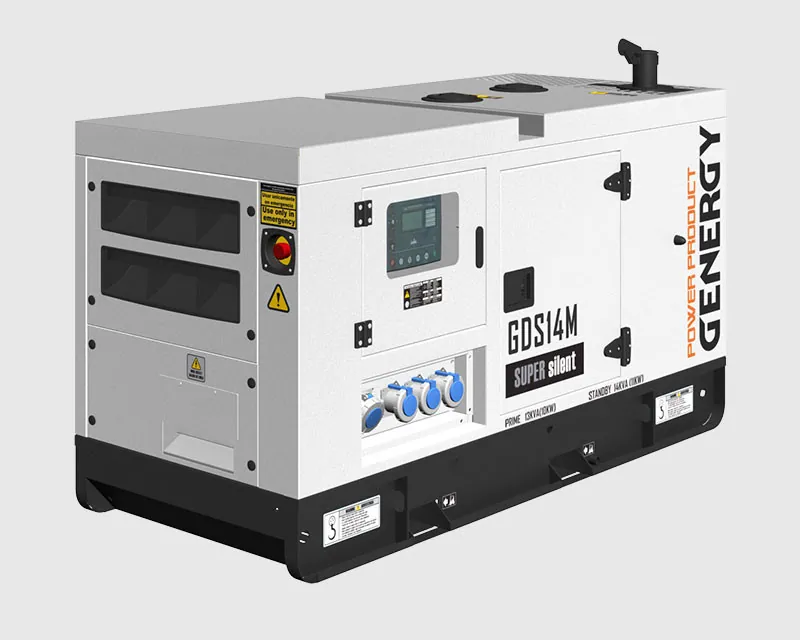
Grupo electrógeno GDS14M
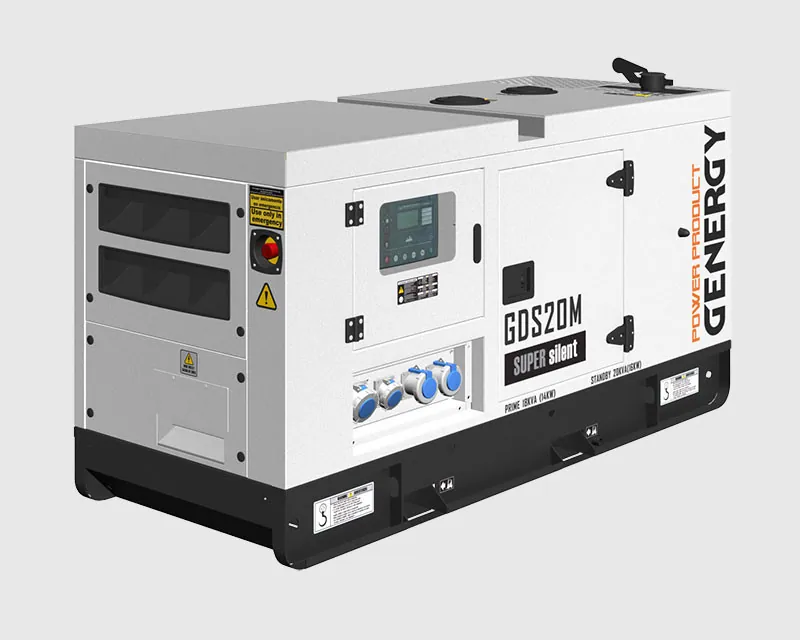
Grupo electrógeno GDS20M
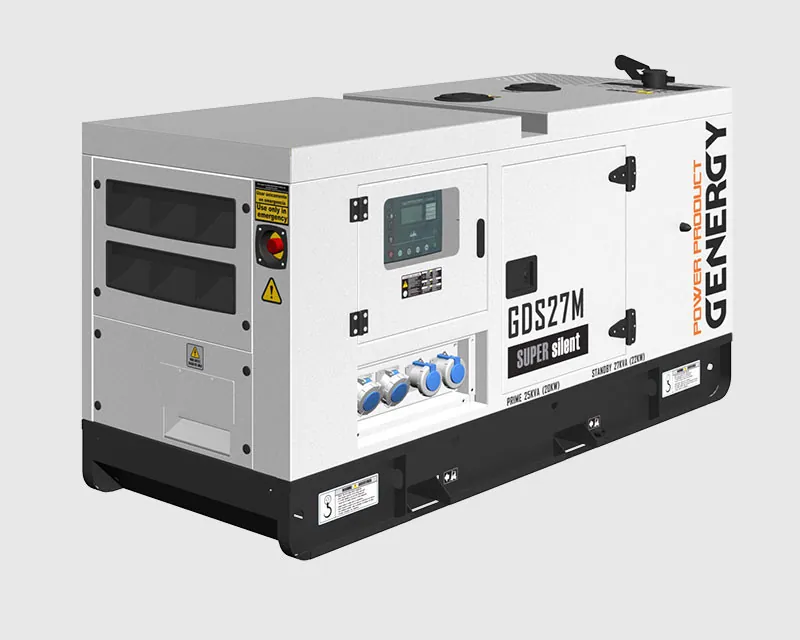
GDS27M Generator Set
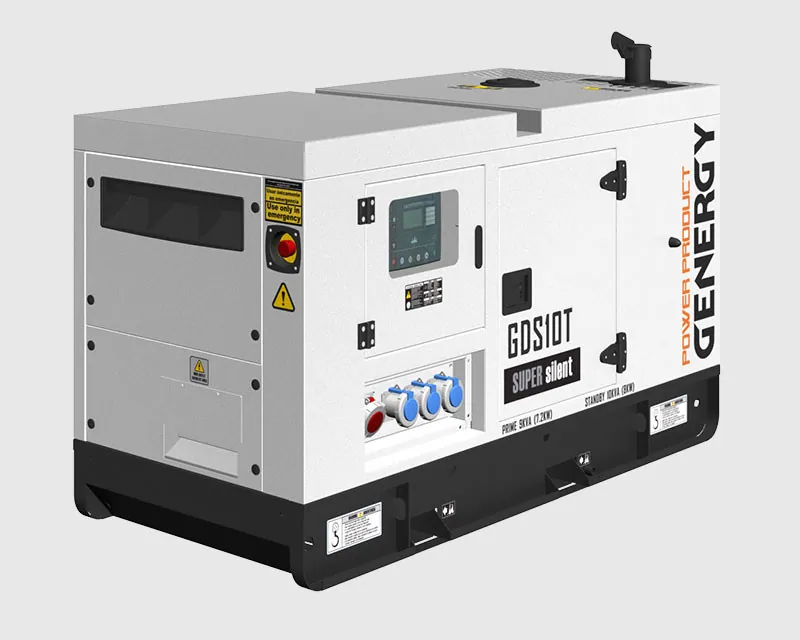
Grupo electrógeno GDS10T
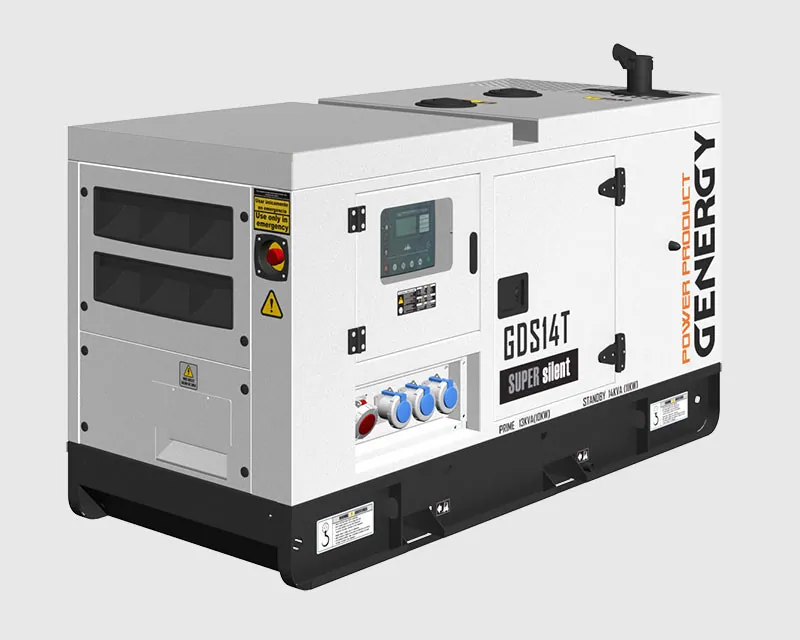
GDS14T generator set
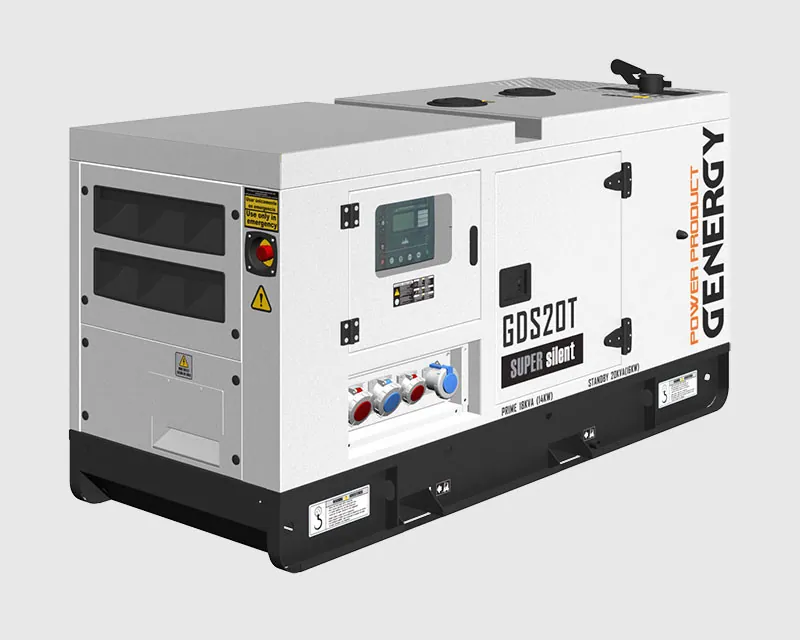
GDS20T generator set
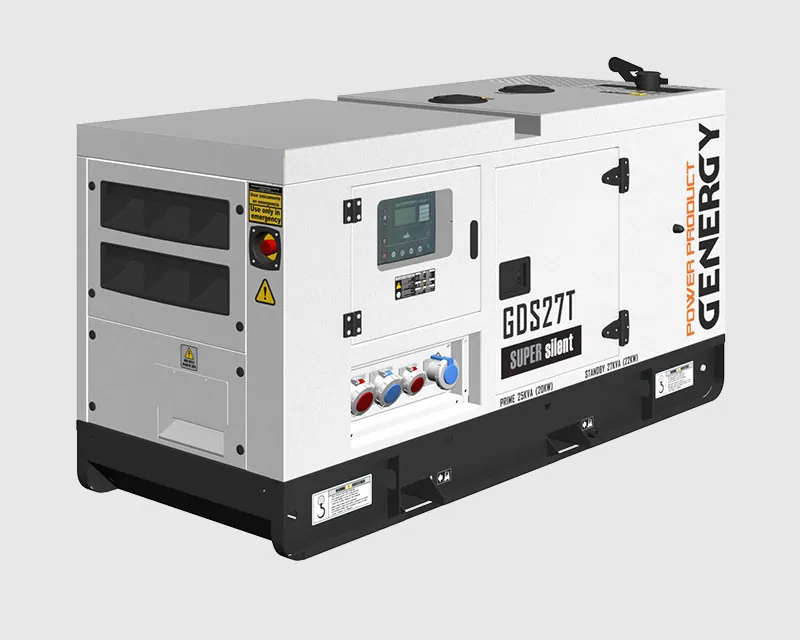
GDS27T generator set
👉 See the full range: Diesel generator sets · Generator set · Electric generators · Questions? talk to a technician.
Looking for a generator that really lasts?
Tell us how many hours a year you will use it and for what, and we will help you choose a unit sized to last, without falling short or overpaying. No obligation.
Talk to a Genergy technicianConclusion
The best answer to "how long does an electric generator last" is that it depends on whether you mean continuous hours or total service life. A small portable runs about 4–5 h in a row and offers 1,000–2,000 h of life; an industrial diesel can run 24 h and reach 10,000–30,000 h or more. The difference lies in the purpose of the unit: choose the right one for your use and maintain it well, and its lifespan improves enormously. Force a small unit to work like an industrial one and it will last less than expected.
Related categories
Related topics
Frequently asked questions
How many hours in a row can an electric generator run?
It depends on the type. A small portable usually lasts several hours in a row, often around 4 or 5, while an industrial diesel can be designed for 24 hours of continuous operation with proper maintenance and inspections.
How long does a portable electric generator last?
As a general reference, a small portable generator offers a service life of between 1,000 and 2,000 hours, although it depends heavily on maintenance and use. Aggressive use or skipping oil changes reduces it; proper care extends it.
How long does an industrial diesel generator last?
An industrial diesel generator can reach between 10,000 and 30,000 hours, or even more, under suitable conditions. Its robust construction and disciplined maintenance are what allow it to sustain that prolonged service over the years.
How many years does an electric generator last?
It depends on the hours of use per year. With occasional emergency use, a portable can last many years within its 1,000–2,000 hours; an industrial diesel, with thousands of hours of life, can provide service for decades if it is well maintained and not used daily at its limit.
Which generator lasts longer, gasoline or diesel?
In demanding or prolonged uses, diesel usually lasts longer, because its engine is better suited to sustained loads. Gasoline fits better in lighter units and occasional use, where price and convenience take priority over maximum service life.
What makes a generator last less?
Always working at maximum, using fuel in poor condition, not changing the oil, having dirty filters and leaving it poorly ventilated or exposed to the elements. Most premature failures come from forced use and neglected maintenance, not from the unit itself.
Can you leave a generator running all night?
Only some units are designed for that level of use. An industrial generator designed for prolonged service handles it better than a small portable. Even so, you must ensure good ventilation, avoid overloading it and always use it outdoors because of the exhaust fumes.
How many hours does a gasoline generator run on one tank?
It depends on the tank and the load: a gasoline portable usually gives about 4–5 hours in a row at medium load before refueling. At lower load, more runtime; close to the maximum, less. Refueling extends use, but it does not turn a portable into a continuous-duty work unit.
How to extend the service life of a generator?
By maintaining it well (oil, filters, cooling), using clean fuel, not forcing it at 100% continuously, leaving a power margin and placing it in a ventilated, protected spot. Timely maintenance makes an enormous difference in the total hours.