How many solar panels do I need for a 150 m² house
By the technical team at Genergy · Spanish manufacturer of generators and photovoltaic solutions (+15 years) · updated July 2026 · 10 min read.
Table of contents
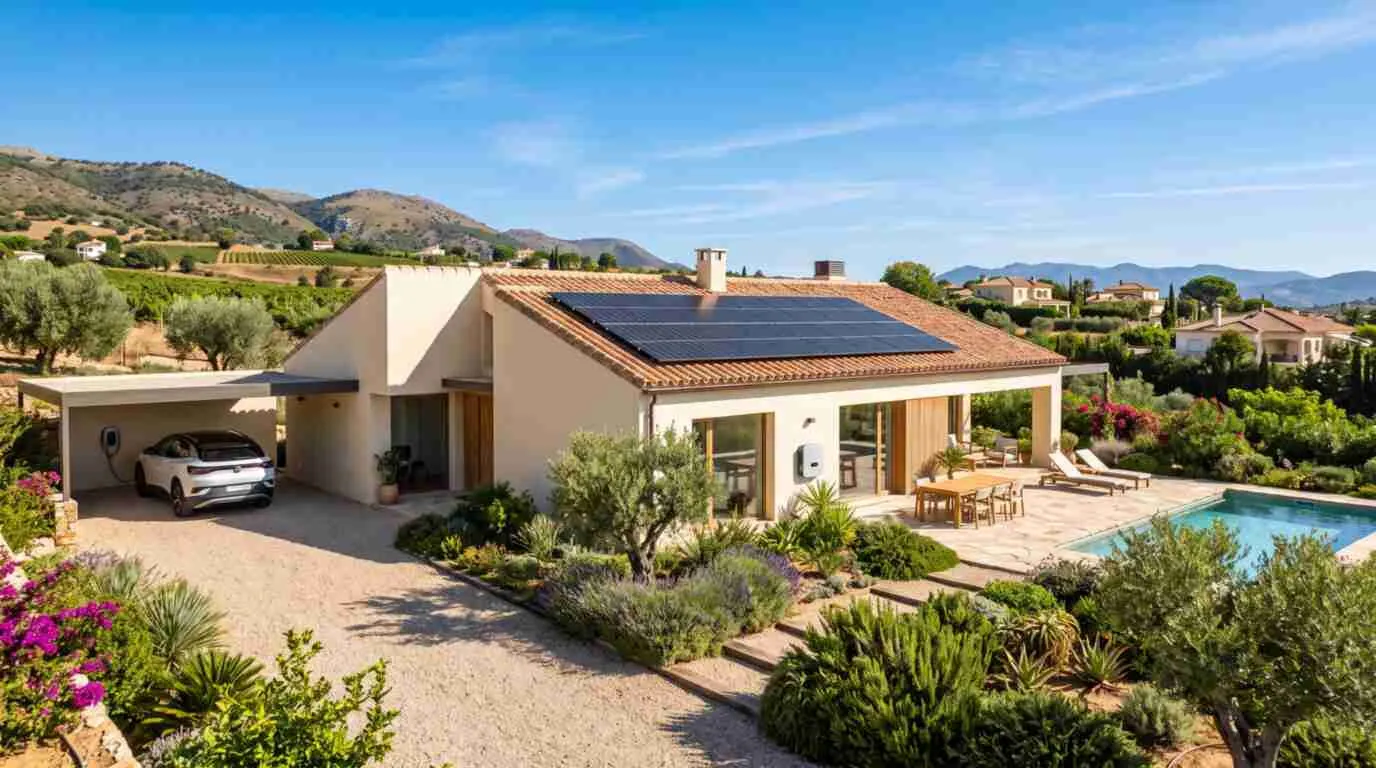
For a 150 m² home, you typically need between 8 and 12 solar panels of 450W to 500W each. With a system like this, an average family can cover roughly 60% to 70% of their electricity consumption, provided the home has a good roof, reasonable orientation and consumption habits compatible with self-consumption. That said, this is only a guideline: square meters help give you an idea, but they are not the most important factor. What really determines how many panels you need is how much you consume per year, how many people live in the home, whether you have aerothermal heating, a pool or air conditioning, whether you use an electric water heater, whether you consume more during the day or at night, whether you want a battery, and what your roof is like. A home doesn't consume electricity because it has 150 m², but because of how it is used: two homes of the same size can need very different systems.
If you are looking for the general method for any home size, here is the complete guide: how to calculate how many solar panels I need.
Quick answer: how many panels does a 150 m² home need
For a 150 m² home with average consumption, the most common range is between 8 and 12 panels of 450W to 500W, i.e. an installed power of approximately 3.6 to 6 kWp.
| Type of consumption | Approximate panels |
|---|---|
| Low consumption | 6–8 panels |
| Average consumption | 8–12 panels |
| High consumption | 12–16 or more panels |
An efficient 150 m² home with few occupants may need fewer than 8 panels; one with a pool, aerothermal heating, air conditioning or an electric vehicle may exceed 12. A system of 8 to 12 panels covers roughly 60-70% of the consumption of an average family, although that percentage drops if you consume a lot when there is no sun and have no battery.
Why square meters are not the most important factor
Panels don't power square meters, they power consumption. Your bill doesn't charge for surface area, it charges for kWh, so the key figure is annual consumption. Two 150 m² homes can consume very differently:
| Home | Characteristics | Approx. panels |
|---|---|---|
| Home A | 2 people, low consumption, no pool | 6–8 |
| Home B | 4 people, pool, aerothermal heating, air conditioning | 12–16 or more |
Same square meters, very different needs. Factors include the number of people (more laundry, cooking, showers, climate control), appliances and, above all, schedules: if you consume during the day you make better use of direct production; if you consume almost everything at night, you may need a battery.
How to calculate solar panels for a 150 m² home
Step 1: check your annual consumption in kWh (on your bill). Step 2: convert it to a daily figure by dividing by 365 (e.g.: 5,000 kWh/year ÷ 365 = 13.7 kWh/day). Step 3: estimate the actual output of one panel (a 450W panel produces between 1.5 and 2.2 kWh/day; for a conservative calculation, 1.8 kWh/day). Step 4: divide (13.7 ÷ 1.8 = 7.6 → 8 panels). If you want more coverage or to charge a battery, go towards 10-12.
| Annual consumption | Type of home |
|---|---|
| 3,000–4,000 kWh/year | Low consumption |
| 4,500–7,000 kWh/year | Average consumption |
| More than 7,000 kWh/year | High consumption |
Practical example with a 150 m² home
A 150 m² home with annual consumption of 5,500 kWh: 5,500 ÷ 365 = 15 kWh/day; 15 ÷ 1.8 = 8.3 → about 9 panels. Other common configurations: 8 panels of 500W = 4 kWp (medium-low consumption with good daytime self-consumption); 10 panels of 450W = 4.5 kWp (very common in a 150 m² family home with average consumption); 12 panels of 500W = 6 kWp (higher consumption, battery or climate control). The goal is not to install the maximum possible, but to look at actual consumption, space, shading, schedules, battery and future consumption.
Guideline table by annual consumption
| Annual consumption | Profile | Recommended panels |
|---|---|---|
| 3,000–4,000 kWh/year | Low | 6–8 |
| 4,500–7,000 kWh/year | Medium | 8–12 |
| More than 7,000 kWh/year | High | 12–16 or more |
You should get close to 12 panels if you consume more than 5,500-6,000 kWh/year, use air conditioning, have a pool, consume a lot during the day or want a battery. And you may need more than 12 with an electric vehicle, aerothermal heating, a heated pool, electric heating, a large family or an off-grid home.
What power a system of 8 to 12 panels would have
| Configuration | Power (kWp) |
|---|---|
| 8 panels of 450W | 3.6 kWp |
| 10 panels of 450W | 4.5 kWp |
| 12 panels of 500W | 6 kWp |
Watch the terms: kW is instantaneous power, kWp is installed peak power and kWh is energy consumed or generated (your bill is in kWh; panels are sold in W or kWp). And rated power is not actual output: a 5 kWp system does not produce 5 kWh every hour; it depends on irradiance, orientation, temperature, shading and losses.
How much space 8, 10 or 12 panels take up
A current panel takes up around 2 m², depending on the model. In addition to the energy calculation, you need to check whether they fit:
| Panels | Approximate area |
|---|---|
| 8 panels | 16–20 m² |
| 10 panels | 20–25 m² |
| 12 panels | 24–30 m² |
Simply having those exact square meters is not enough: you need to leave room for installation, maintenance and safety, and account for obstacles (chimneys, skylights, antennas, air-conditioning units) and shading. If you need 12 panels but only 8 fit, consider higher-power panels, optimizers, a different orientation or batteries.
What can raise or lower the number of panels
They raise the number: pool (filter pump), aerothermal heating, air conditioning, electric vehicle, electric water heater, remote working, a large family and high night-time consumption. They lower it: low annual consumption, efficient appliances, good south-facing orientation, daytime consumption schedules, aiming only to reduce the bill (not cover 100%) and good compensation for surplus energy. The key is always actual consumption, not square meters.
Do I need batteries for a 150 m² home?
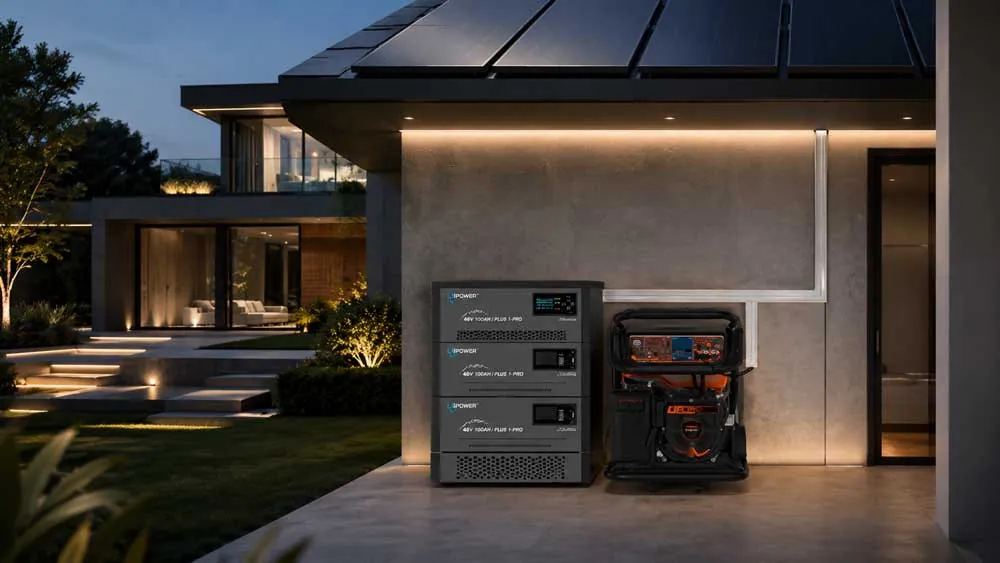
Not always, but they can be useful. Without a battery, you use solar energy as it is produced (if you are not home during the day, part of it goes to the grid as surplus). With a battery, you store energy for the afternoon, the night or moments of low production. A solar kit with battery makes sense if you are looking for a solution with generation and storage designed to work together, and it greatly improves self-consumption if you have night-time consumption (refrigerator, lighting, TV, router). It may not be worthwhile if you consume almost everything during the day, have low night-time consumption or good compensation for surplus energy. And if the 150 m² home is off the grid, batteries are essential, you will need an off-grid solar inverter and it is best to size with a margin for winter.
Solar panels depend on the sun. During several cloudy days, outages or high peak loads, a backup prevents you from falling short: a mini electric generator for light support, or a generator set for off-grid homes or those with high consumption.
Common mistakes when calculating panels for 150 m²
The most common: calculating by square meters only (a 150 m² home doesn't always need the same panels); not checking the bill (annual consumption in kWh is the reliable figure); ignoring shading; oversizing without batteries; not accounting for future consumption (aerothermal heating, pool, electric vehicle); forgetting winter; and not checking the usable roof space (orientation, obstacles, structure).
Genergy solar panels and kits
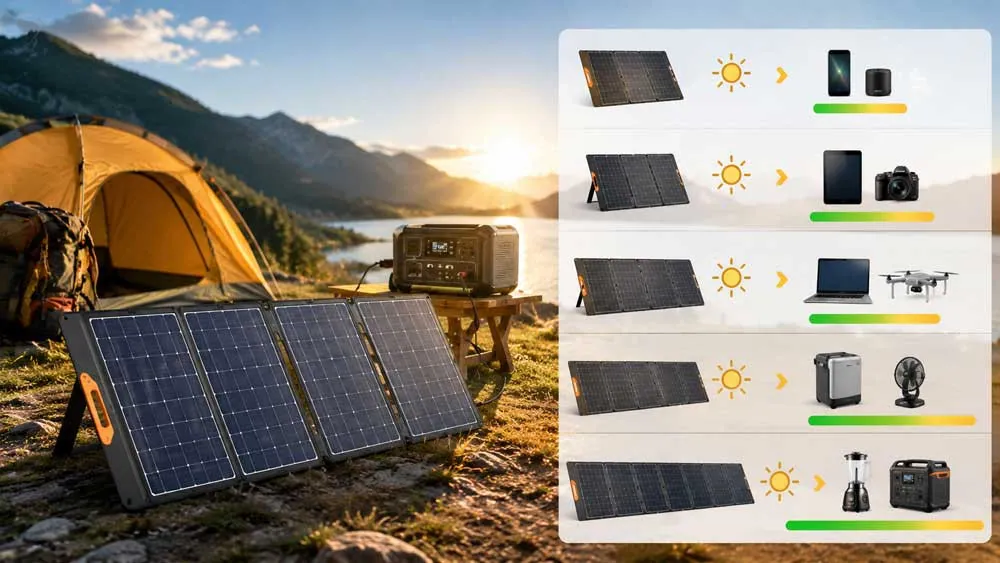
Once you know how many panels you need, choose the panel or a kit with components that are already compatible. Filter by what you are looking for:
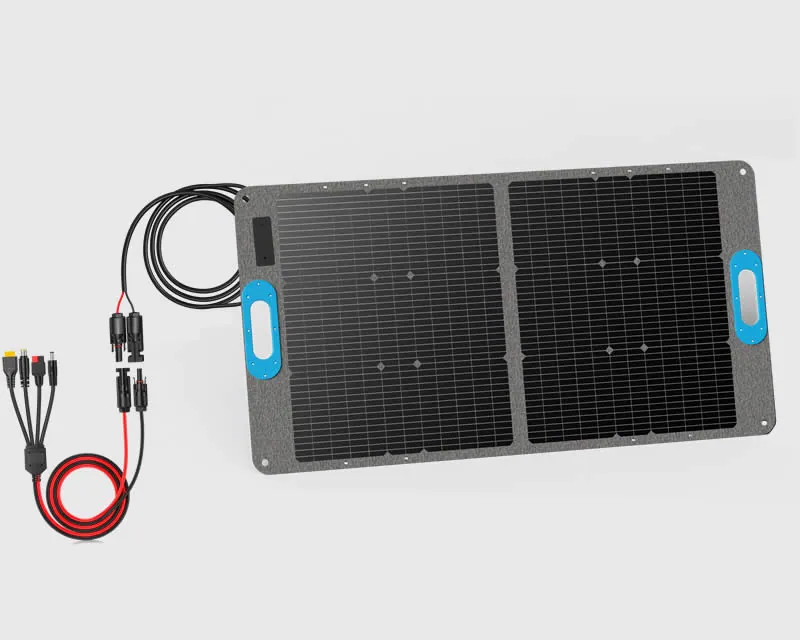
Panel Solar SUN100W
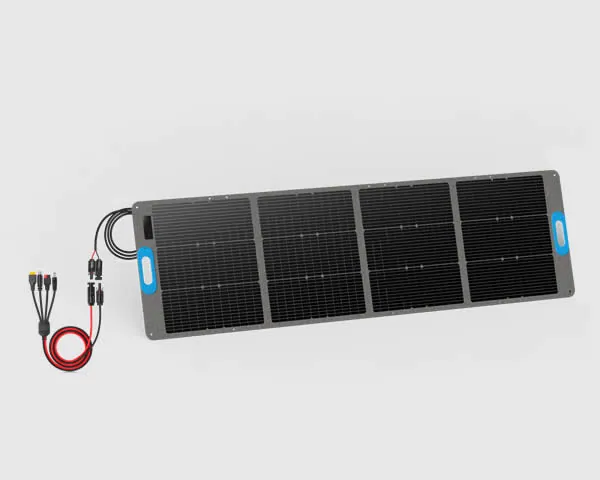
Panel Solar SUN200W
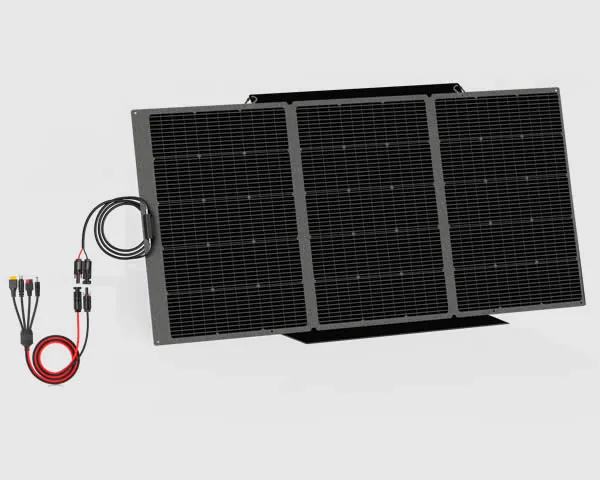
Panel Solar SUN300W
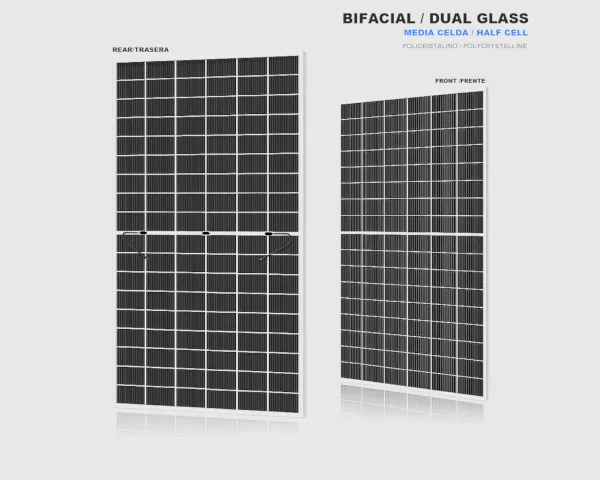
Panel Solar HC660W
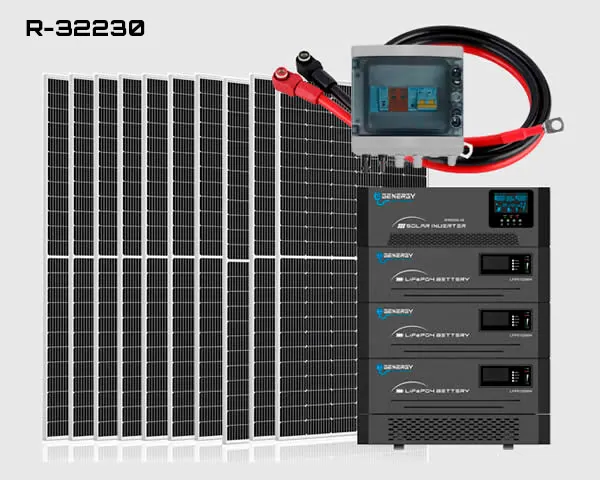
Plan Solar Sigma
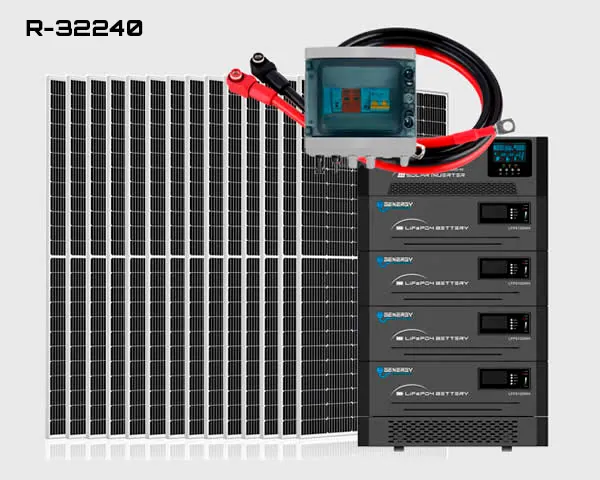
Plan Solar Pegasus
👉 See the full range: All-inclusive photovoltaic systems · Solar kit with battery · Portable solar panels · Questions? talk to a technician.
How many panels does your 150 m² home need?
Tell us your annual consumption, how many of you live there and what equipment you have (pool, aerothermal heating, air conditioning, electric vehicle), and we will help you size the exact system. We are manufacturers. No obligation.
Talk to a Genergy technicianConclusion
For a 150 m² home, you typically install between 8 and 12 solar panels of 450W to 500W, covering roughly 60-70% of an average family's consumption if conditions are favorable. But the real figure doesn't depend on square meters, but on annual consumption, habits and the type of home. The practical rule: panels = daily consumption ÷ actual daily output per panel. If you consume little, perhaps 6-8; average consumption, 8-12; and with a pool, aerothermal heating or an electric vehicle, more than 12. The best calculation always starts with the bill and is adjusted for the roof, orientation, shading, batteries and your self-consumption goal.
Related categories
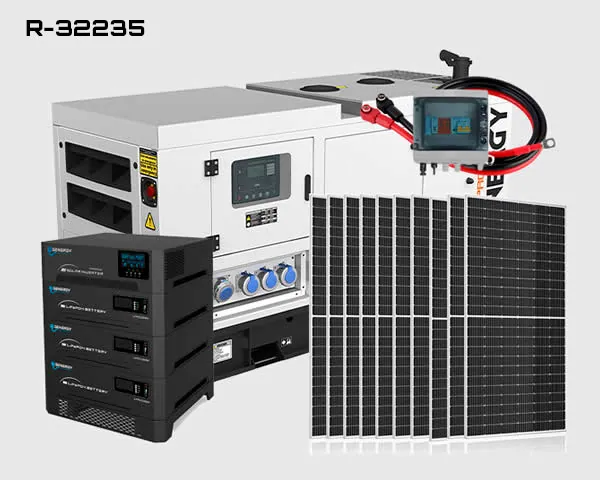
Related topics
Frequently asked questions
How many solar panels do I need for a 150 m² home?
As a reference, between 8 and 12 solar panels of 450W to 500W for a home with average consumption. The exact number depends on annual consumption.
Does a 150 m² home always need 8–12 panels?
No. It is an estimate. If consumption is low it may need fewer, and if it has high loads (pool, aerothermal heating, electric vehicle) it may need more.
How many panels do I need if I have a pool?
It depends on the consumption of the filter pump and other equipment. It can take you from 8–12 panels to 12–16 or more.
How many panels do I need with aerothermal heating?
Aerothermal heating increases electricity consumption, so it may require more panels. It must be calculated from your bill and the system's consumption.
What power does a 10-panel system have?
With 450W panels, 10 panels equal 4.5 kWp. With 500W panels, they equal 5 kWp.
How much space do 10 solar panels take up?
Approximately between 20 and 25 m², depending on the panel size and the installation space required.
Do I need a battery?
Not always. It is worthwhile if you consume a lot at night, want more autonomy or have an off-grid home.
Can I cover 100% of my consumption?
It is possible in some cases, but it is not always worthwhile. It depends on batteries, night-time consumption, surplus energy and available space.
Can a generator complement the solar panels?
Yes. It can serve as a backup on cloudy days, power outages, off-grid homes or high peak loads.