What can I connect to a 3000W generator: appliances, tools and real limits
By the Genergy technical team · Spanish manufacturer of generators and generator sets (15+ years) · updated July 2026 · 9 min read.
Table of contents
- The short answer: what it can power
- Continuous power vs starting surge
- Consumption and starting surge table
- Which appliances you can connect
- Which tools it can run
- Safe combinations (examples)
- What you should NOT connect
- When it falls short
- Genergy 3000W generators
- Conclusion
- Frequently asked questions
Anyone searching for what can be connected to a 3000W generator doesn't want theory: they want to know whether it will work for a refrigerator, a microwave, some tools, a water pump or backup power during a blackout. A 3000W generator is already in a fairly serious range —real power, stability and consistent performance—, but it's important to understand its limits so you don't overdo it. It can run quite a few devices, but not all at once and not in any combination.
The short answer: what can a 3000W generator power
A 3000W generator can comfortably power LED lights, a router, a TV, a laptop, chargers, a refrigerator, small appliances, light power tools and some modest pumps or construction-site equipment, as long as the total consumption does not exceed its real working capacity. It covers basic household use during a blackout, mobile outdoor use or light professional use well, but it is not designed to run an entire home or heavy machinery.
The part most often overlooked: not all devices consume the same at startup as when running. A refrigerator, a pump or a compressor can demand considerably more for a few seconds. If the generator doesn't have that headroom, the problem isn't just that it won't start: it can also run under strain, trip its protections or shorten its service life.
How to calculate it: continuous power vs starting surge
There are two concepts you need to master:
- Continuous power: the power the generator delivers steadily. Even if it's advertised as 3000W, to work safely it's best to leave some headroom and not load it to the constant maximum: that way it runs more stably, heats up less and handles startups better.
- Peak (starting) power: the maximum it can handle for a brief moment, to help motors start. A refrigerator may seem light when running, but its starting surge forces the generator to make a considerable effort for a few seconds.
Don't use a 3000W generator like an endless power strip. Leave headroom so it works comfortably, especially with motor-driven equipment or prolonged use (construction site, backup, continuous operation). Add up the continuous loads and check that the starting surge of the most demanding device fits within the margin.
Consumption and starting surge table
Indicative values to give you an idea of what fits in 3000W (they vary by model and efficiency):
| Appliance | Running consumption | Starting surge | Fits in 3000W? |
|---|---|---|---|
| LED lights (several) | 100–200 W | — | Yes |
| Router + phones + laptop | 50–150 W | — | Yes |
| TV | 80–200 W | — | Yes |
| Fridge / freezer | 150–300 W | x2–x3 at startup | Yes (leave headroom for the startup) |
| Microwave | 800–1.200 W | — | Yes, but not with many other loads |
| Drill / grinder | 600–1.200 W | Moderate | Yes, one at a time |
| Water pump | 600–1.500 W | High | Depends on model; watch the startup |
| Air conditioning | 1,000–2,000 W | High | Tight; better on its own or small models |
| Oven / water heater / electric heater | 1.500–2.500 W+ | — | Poor candidate: uses almost all the headroom |
Which appliances you can connect
Refrigerator, freezer, lights and router
The most typical combination in a blackout. A 3000W generator easily keeps a refrigerator, several LED lights, the router and some small load running: food preservation, communication and basic lighting. It's real backup, not a token gesture.
TV, chargers and small loads
TVs, laptops, chargers, fans and moderate-consumption devices also fit. They are stable loads that are easy to manage, with no sudden surges, so a 3000W generator offers plenty of flexibility in home or second-home use.
Microwave, coffee maker and other occasional-use equipment
More care is needed here. A microwave or an electric coffee maker can fit, but not always alongside other major loads. The problem isn't the individual appliance, but simultaneous use: connect them occasionally and in a controlled way, not on top of an already high base load.
Which tools and professional equipment it can run
Drills, saws and grinders
A 3000W generator is perfectly suitable for drills, saws or grinders, as long as too many aren't used at once. For assembly, maintenance, advanced DIY or light construction work, this range makes a lot of sense and sustains real work.
Pumps, compressors and light machinery
Here the starting surge rules. Some water pumps and certain modest compressors work with 3000W, but it depends a lot on the model. Looking only at "normal" consumption usually falls short: what matters is that the whole setup runs with headroom and stability.
When a welder already demands more power
A welder is the typical example of equipment that puts a 3000W generator in a tight spot. Some very small ones might work in specific cases, but in general it is already a delicate load. For intensive machinery or tools with high continuous consumption, 3000W starts to fall short.
Safe combinations: real examples
Basic household use during a blackout
Refrigerator + router + several LED lights + TV + phone and laptop chargers. It maintains basic comfort and continuity in the essentials without overloading the generator.
Use on a construction site or in light industry
A drill or a saw + supplementary lighting + battery charger + some small auxiliary equipment. A 3000W generator works very well as mobile work equipment for tasks that require consistent performance.
Use for camping, motorhomes or mobile backup
Lights + chargers + small appliances + a portable fridge + everyday electronics. A serious backup source for well-chosen loads, not for "plugging everything in".
What you should NOT connect to a 3000W generator
- Equipment with very high startup surges: certain air conditioners, large compressors, demanding pumps and hard-starting motors. The initial jolt pushes the generator out of its comfort zone.
- Electric heating appliances: hobs, ovens, water heaters and large heaters quickly consume the power and leave no headroom for anything else.
- Adding up power "by eye": the fact that each appliance works on its own doesn't mean they all will together. Mixing continuous loads, surges and simultaneous use changes everything.
When a 3000W generator falls short
It falls short when you want to run many devices at once, power an almost entire house or depend on equipment with very high starting surges; also if professional use goes from light tools to more demanding machinery. It's not a bad option: it's a very good option for those who understand its real range. The common mistake isn't buying a bad generator, but buying a suitable one for the wrong use. If you expect to need more power, see how to choose a generator for your home.
Genergy 3000W (and a bit more) generators
Filter depending on whether the 3.000–4.000 W range suits you or you prefer to step up for more headroom:
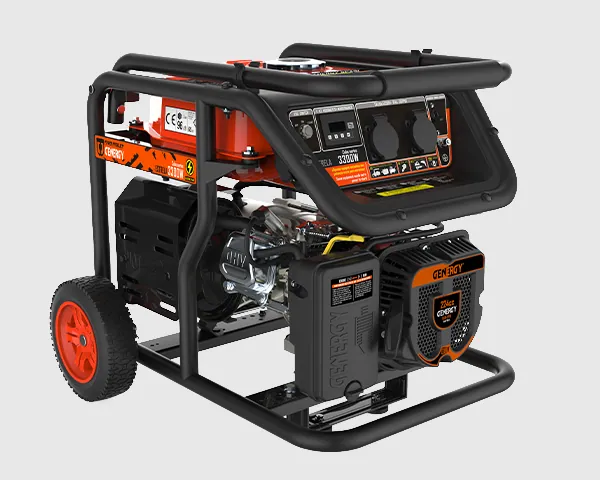
Generador Estrela 3300W
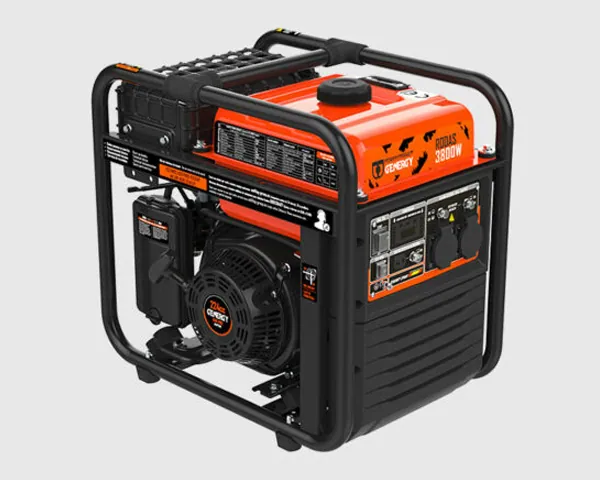
Rodas Inverter 3800W Generator
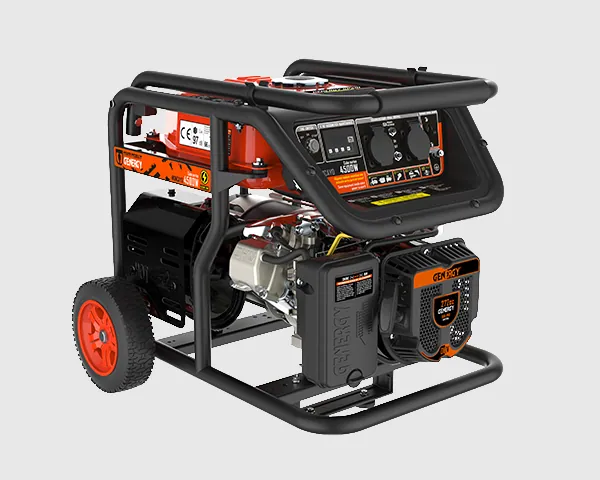
Generador Moncayo 4500W
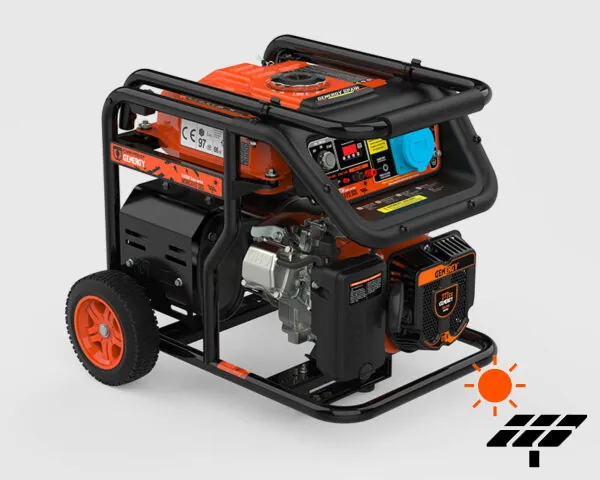
Moncayo SOL 4500W Generator
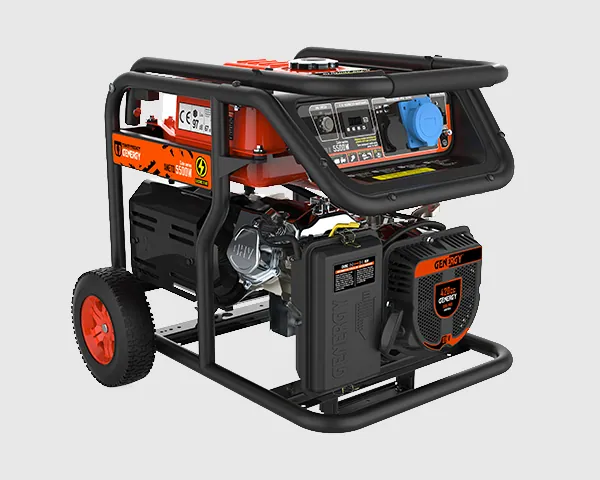
Generador Aneto 5500W
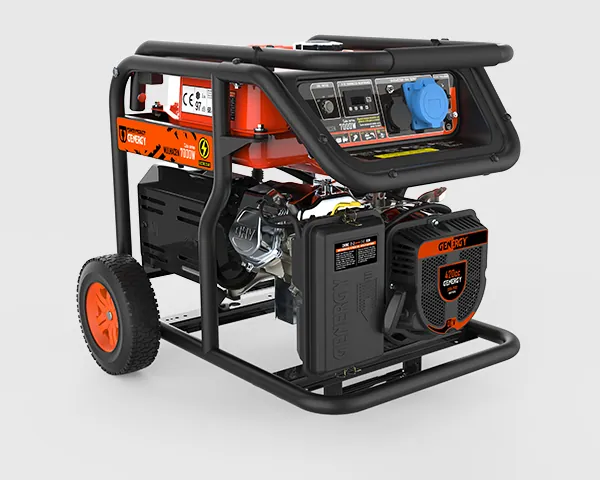
Mulhacén 7000W Generator
👉 See the full range: 3000W to 6kW generators · Inverter · Generators for home. Questions? talk to a technician.
Not sure if 3000W is enough for you?
Tell us what you want to connect (and whether there's a refrigerator, pump or tools with a strong startup) and we'll tell you whether 3000W is enough or whether you should step up in power. No obligation.
Talk to a Genergy technicianConclusion
A 3000W generator is worth it as a powerful, versatile middle-ground solution: home backup, outdoor use, light construction work and moderate professional equipment. You can run a refrigerator, lights, router, TV, chargers, small appliances and light power tools; pumps, compressors, welders and intense heating appliances require more care. In short: it offers a lot of flexibility, but performs best when used wisely —calculating continuous loads, starting surges and simultaneous use—.
Related categories
Related topics

Frequently asked questions
What can I connect to a 3000W generator?
LED lights, router, TV, chargers, a refrigerator, small appliances and light power tools (drill, saw, grinder), as long as you don't connect them all at once. The key is to add up the continuous loads and leave headroom for the starting surges of motor-driven equipment.
Can a 3000W generator power a refrigerator?
Yes, normally it can; the refrigerator is one of the most common loads in a backup setup. It consumes 150–300 W when running, but when the compressor starts it demands double or triple for a few seconds, so it's best to leave headroom and not load the generator to the maximum with other appliances.
Can it power a microwave and a refrigerator at the same time?
It may be possible depending on the actual consumption of both and of the other connected appliances. A microwave draws around 800–1.200 W and the refrigerator adds its consumption and its startup surge, so the combination is viable if there aren't many other loads switched on at the same time.
Is a 3000W generator suitable for construction tools?
Yes, it fits well with drills, saws and grinders, as long as too many demanding loads aren't accumulated at once. For light construction work, assembly or advanced DIY it's a good mobile work unit; for very intensive machinery, it falls short.
Can it power a water pump?
It depends on the type. Small pumps may work, but those with a strong startup or high consumption require checking the peak power carefully: they can demand several times their rated consumption at startup. If you rely on the pump daily, consider a generator with more headroom.
Can it handle an air conditioner?
It's tight. An air conditioner consumes 1.000–2.000 W and has a high starting surge, so on a 3000W it's best to use it practically on its own or choose small or inverter models. Adding it to a refrigerator and other loads usually pushes the generator out of its comfort zone.
What should I not connect to a 3000W generator?
Large electric heating appliances (oven, water heater, heater), very demanding machinery, powerful compressors and equipment with starting surges too high for that range. They consume almost all the headroom or fail to start stably.
Is a 3000W generator enough for a house?
For a whole house, normally not. To keep priority loads running during a blackout (refrigerator, lights, router, TV and some small appliance), it is a very useful option. For the entire home with air conditioning or a pump, you'll need more power.
How many amps does a 3000W generator deliver?
As a rough guide, at 230 V single-phase, 3000 W equals about 13 amps (A = W ÷ V). It's a useful reference so you don't exceed the current rating of the outlets, although what really matters when choosing is still the power in watts and the starting surge of each device.