Best electric generator 2026: model comparison and which to choose based on use
By the Genergy technical team · Spanish generator manufacturer (15+ years) · updated June 2026.
- Home / powerful backup: Mulhacén 7000W — or Creta ATS 7500W if you want automatic start in the event of a power outage.
- Sensitive electronics (inverter): Creta RC 7500W / Feroe 4600W (THD <3%).
- Camping / portable: Rodas 3800W inverter.
- Quietest: Creta RC Silent.
- Solar installation support: Creta SOL 7500W.
- Best value for money: Estrela 3300W.
What is the best electric generator?
There is no single "best generator" for everyone: the choice depends on what you are going to power, the noise you can tolerate, the runtime and whether you need to protect sensitive electronics. As manufacturers, at Genergy we sum it up like this: the best generator is the one that matches your real power needs (continuous + starting peaks), your type of use and your technology (inverter for electronics, conventional for raw power).
Comparison of the best Genergy generators (2026)
This is the comparison that a "best of" article should have and almost no competitor offers. Approximate noise values; THD <3% on inverter models.
| Model | Power | Type | Start | Approx. noise | Ideal for |
|---|---|---|---|---|---|
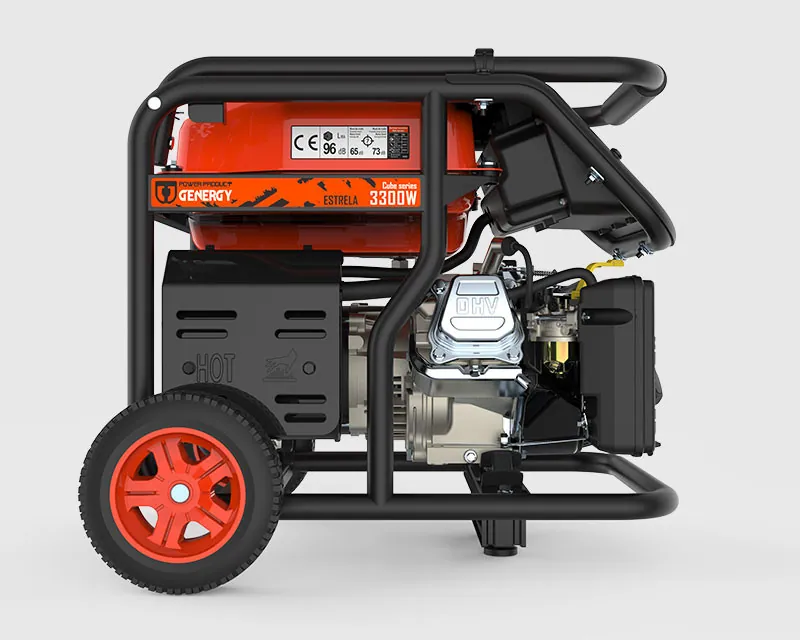
| Estrela 3300W | 3.300 W | Conventional gasoline | Manual/electric | ~72 dB | Best value for money, general use |
| Rodas 3800W | 3.800 W | Inverter | Electric | ~68 dB | Camping, sensitive electronics |
| Feroe 4600W | 4,600 W | Inverter | Electric | ~68 dB | Average home, electronics |
| Mulhacén 7000W | 7,000 W | Conventional | Electric | ~74 dB | Home / powerful backup |
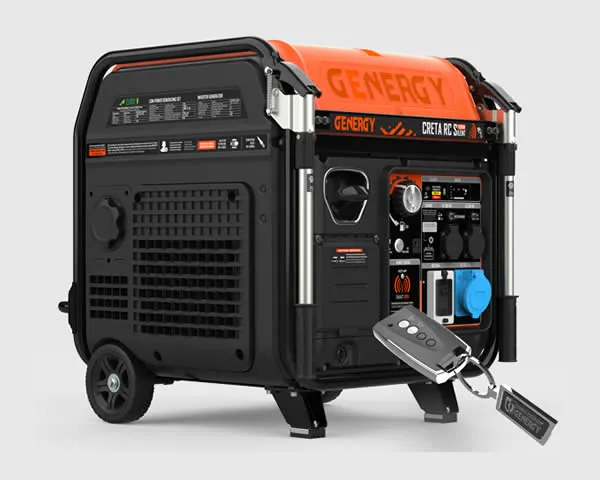
| Creta RC 7500W | 7,500 W | Inverter | Remote | ~65 dB | Home + electronics, quiet |
| Creta ATS 7500W | 7,500 W | Inverter ATS | Automatic (mains failure) | ~65 dB | Automatic home backup |
| Creta SOL 7500W | 7,500 W | Inverter SOL | Solar backup | ~65 dB | Solar installation backup |
The best electric generator by use
For a home during a power outage
Prioritize power for your priority loads (refrigerator, lighting, router, occasional heating) and, above all, automatic start (ATS) if you want the generator to kick in on its own when the power goes out. Pick: Creta ATS 7500W (automatic) or Mulhacén 7000W if you want more raw power.
For sensitive electronics
Inverter technology wins here (stable current, THD <3%): computers, TVs, routers or medical equipment. Pick: Creta RC 7500W or Feroe 4600W.
For camping and portable use
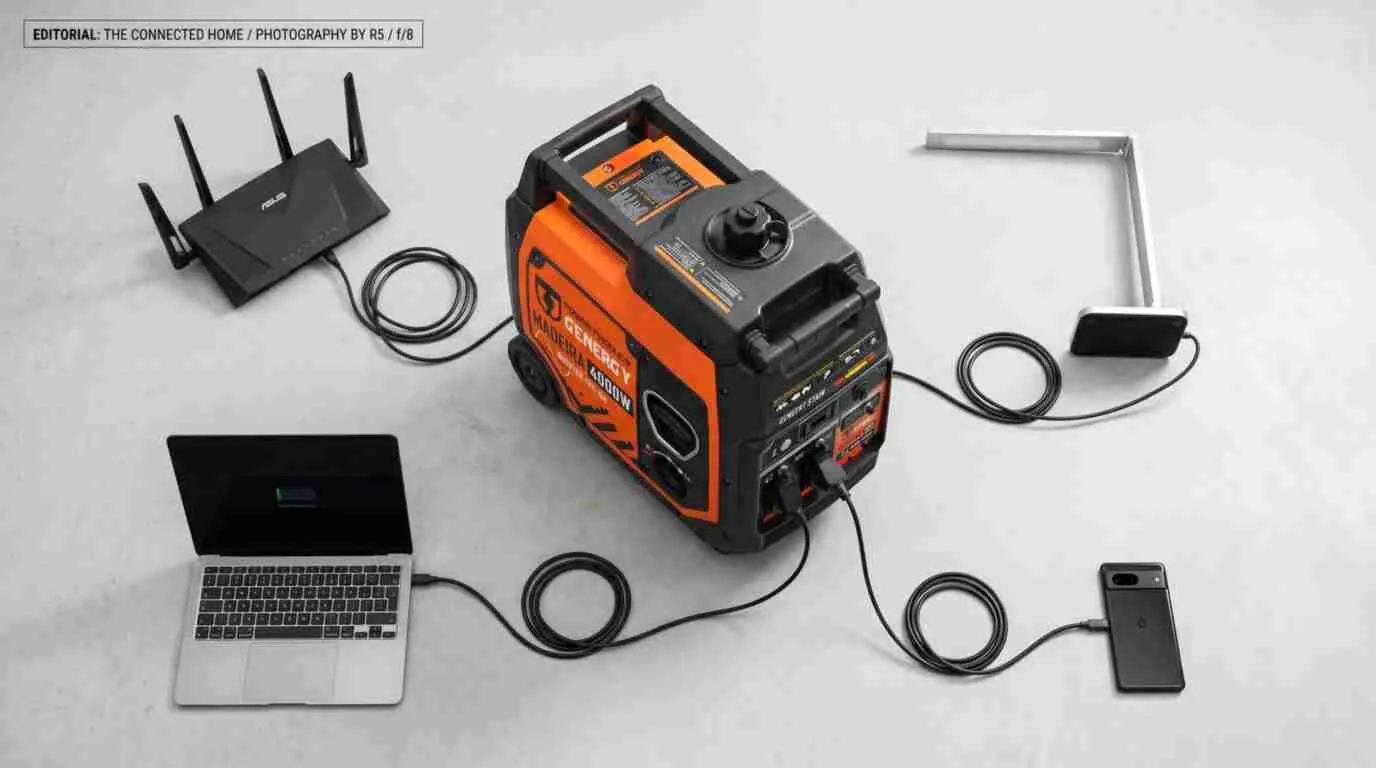
Weight, noise and convenience are what count. Pick: Rodas 3800W inverter — clean, manageable energy.
For solar system support
If you already have photovoltaics, the generator comes in as backup when production and the battery fall short. Pick: Creta SOL 7500W (solar support) — see the photovoltaic backup range.
Best electric generator by power
- 1,000–3,000 W (view range): light use, portable, basic backup.
- 3,000–6,000 W (view range): serious home use, our best seller.
- 6,000–12,000 W (view range): high demand, large home, work.
- 12,000 W or more (view range): maximum demand.
Inverter vs conventional: which is better?
| Aspect | Inverter | Conventional |
|---|---|---|
| Current quality | Stable, THD <3% (suitable for electronics) | Less stable, general use |
| Consumption | Adjusts RPM to demand (lower consumption) | Constant RPM (higher consumption) |
| Noise | Quieter | Noisier |
| Price | Higher | More economical |
| Ideal for | Home, electronics, camping, events | Construction sites, raw power |
How to calculate the power you need
Make a realistic list of what you are going to connect and add up its consumption, adding the starting peaks (refrigerators, pumps and motors start up with considerably more power for a few seconds). Leave a 20–30% margin and don't cut it too close. Typical mistakes: choosing on price alone, ignoring starting peaks and failing to allow for usage growth.
When you need automatic or solar backup
If the generator is for home backup, the convenient option is a model with automatic start (ATS): it detects the mains failure and kicks in on its own. And if you have a solar installation, a solar support generator recharges the batteries and covers days without sun. The full, filterable range is here:
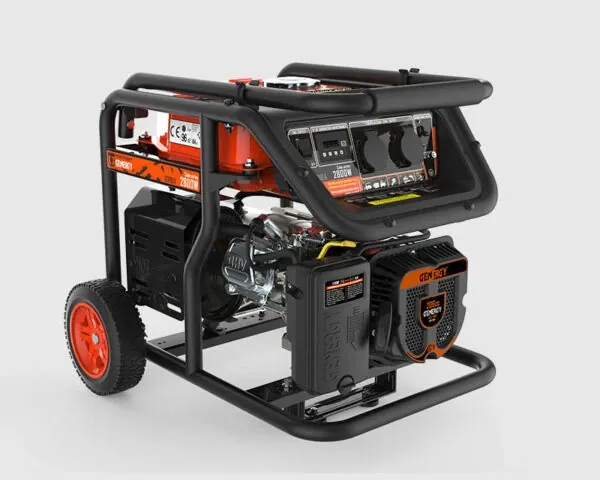
Generador Gorbea 2800W
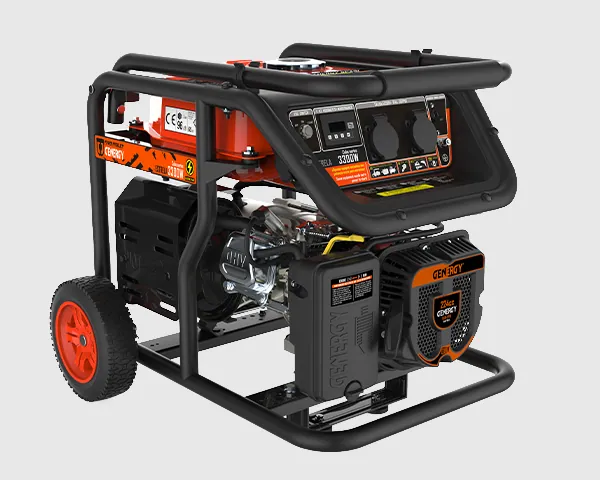
Generador Estrela 3300W
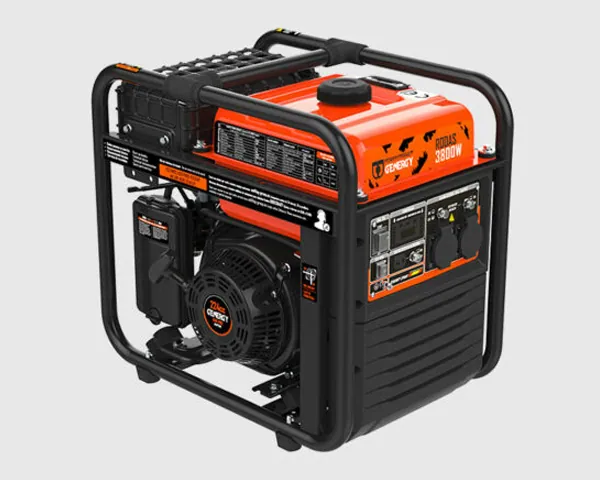
Rodas 3800W Inverter Generator
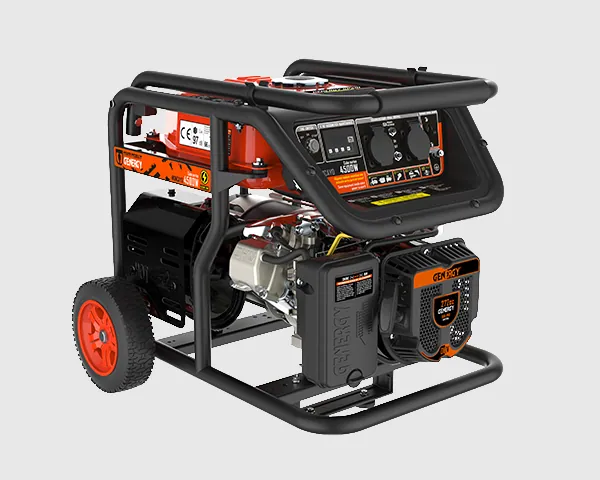
Generador Moncayo 4500W
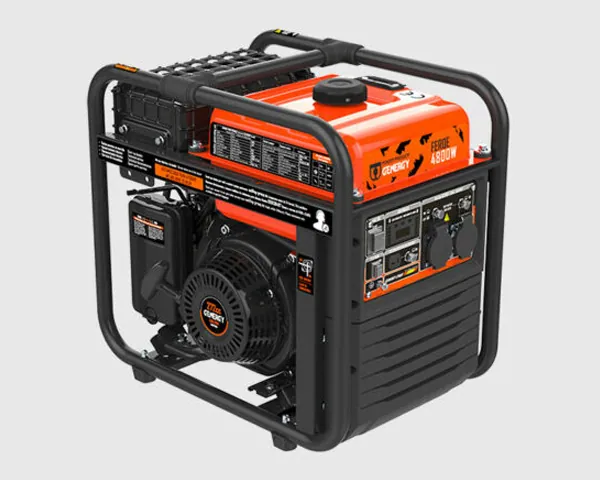
Feroe 4600W Inverter Generator
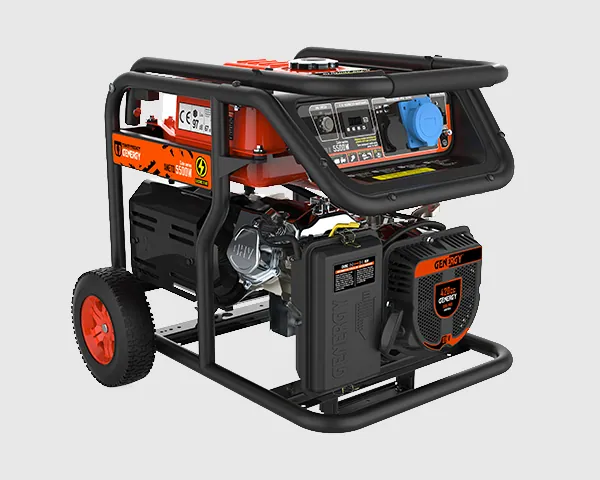
Generador Aneto 5500W
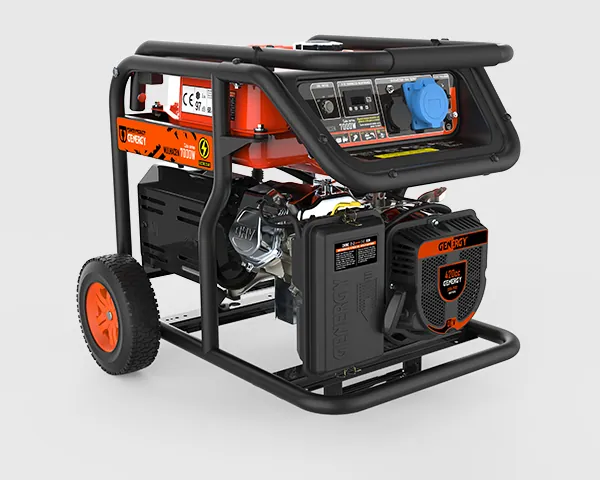
Mulhacén 7000W Generator
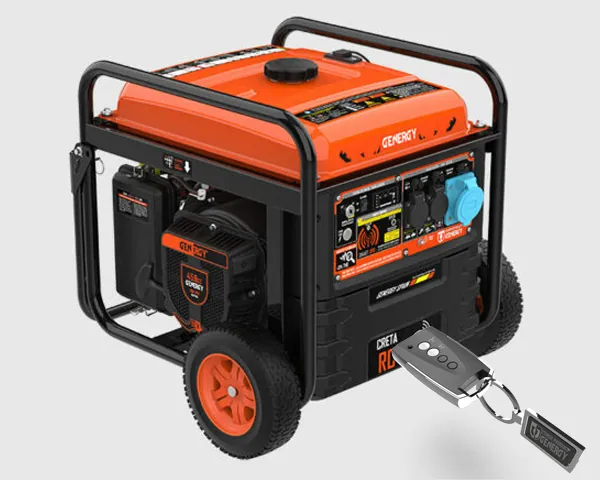
Creta RC 7500W Inverter Generator
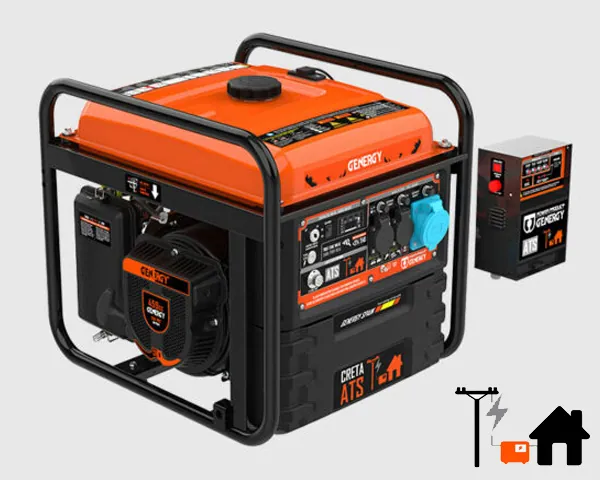
Creta ATS 7500W Generator
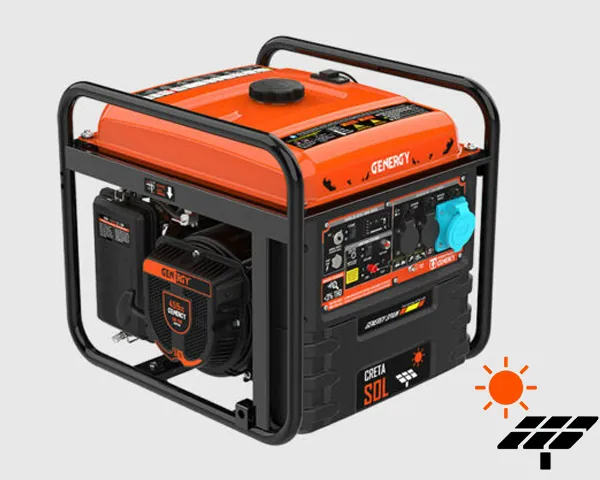
Creta SOL 7500W Generator
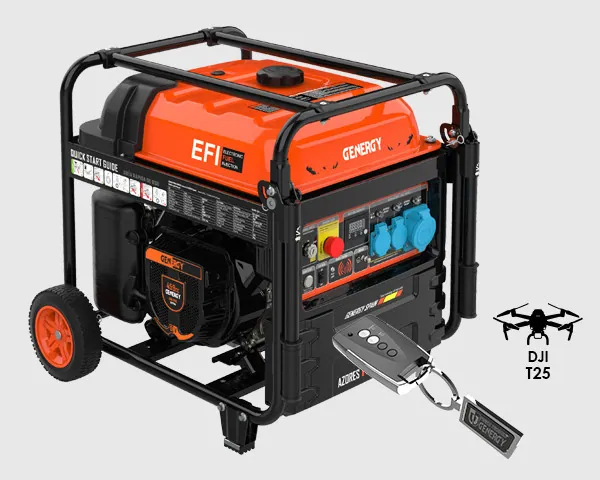
Azores RC 10000W Inverter Generator
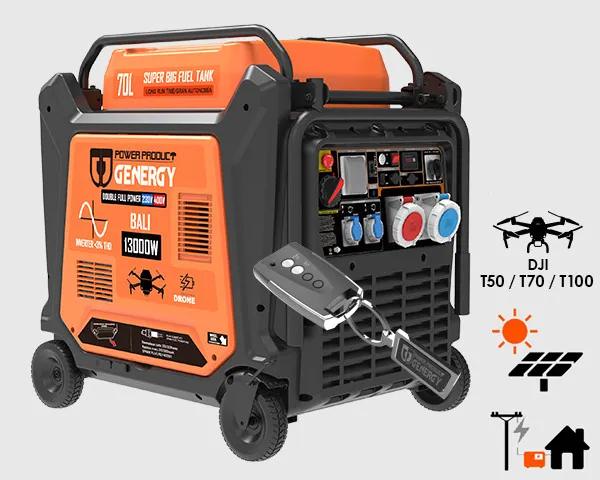
Bali RC-SOL-ATS 13000W Generator
👉 View the full range: inverter generators · electric generator · Questions? Talk to a technician.
Gasoline, diesel or gas: which fuel suits you best
The fuel defines the character of the generator. Gasoline models are lightweight, economical and perfect for occasional or portable use (home, camping, small construction jobs). Diesel models consume less and withstand long working days and high power outputs better, which is why they are the benchmark in construction, industry and continuous backup. And gas (LPG or natural gas) models, such as our Natura series, are the cleanest and quietest option for sensitive environments. As manufacturers, the rule we give is simple: occasional use and low power, gasoline; intensive use or high power, diesel; emissions as a priority, gas.
Power: why it is measured in kVA and not just in watts
You will see power expressed in W/kW and also in kVA, and they are not the same: kVA is the apparent power and kW is the real power you can actually use; between the two lies the power factor (normally 0.8). So, a 10 kVA generator set delivers about 8 kW of usable power. In addition, many motor-driven appliances (pumps, compressors, air conditioning) require a starting peak of 2 to 4 times their rated power, and that peak must also be covered. That is why, when choosing, you should look at both kVA and kW and always leave a margin: a generator running at 60-70% lasts for years; pushed to 100%, it suffers.
Single-phase or three-phase: choose according to your installation
A single-phase generator delivers 230 V, like a household outlet, and covers most domestic and small business uses. A three-phase one delivers 400 V and is what you need for industrial machinery, large motors or installations that already run on three phases. A common mistake is buying three-phase "just in case": if your equipment is single-phase, you gain nothing and complicate the installation. We offer both options, but our recommendation is clear: choose according to what you are going to plug in, not the other way around.
Soundproof generator: when it is worth it
Noise is decisive if the generator is going to be near people. A soundproof (or silent) unit, with its acoustic canopy, greatly reduces decibels and is almost mandatory in homes, events, hospitality or residential areas, where an open generator set would be disturbing or might not even be permitted. For construction sites or open countryside, where noise matters less, an open generator is more economical. If in doubt, think about where and at what time it will be running: if it is at night or with people around, go for the soundproof one.
Type of start: manual, electric or automatic (ATS)
The start type defines convenience. Manual (recoil start) is the most basic and economical, for small equipment with occasional use. Electric (with key or button) is more convenient and common from medium power outputs upward. And automatic with ATS is the best option for backup: it detects the power cut, starts the generator and switches over on its own within seconds, without you having to be present. For a home or a business that cannot be left without electricity, the ATS is what turns "having a generator" into "not even noticing the blackout".
Buying from the manufacturer: warranty, spare parts and after-sales service
A generator is a multi-year investment, so support counts as much as the machine. Buying directly from a manufacturer like Genergy ensures you a real warranty, available spare parts and technical support that knows the product inside out. Unlike brands that only distribute, we control the design, quality testing and after-sales service from the factory, with more than 15 years of experience. You notice it when, over time, you need a part or a service: the difference between a unit that lasts and one that leaves you stranded usually lies there.
Basic maintenance to make it last for years
A good generator that is well cared for lasts a long time; neglected, it breaks down prematurely. The essentials are simple: check and change the oil at the first intervals (the break-in period is key) and then according to hours of use, keep the air filter clean, check the spark plug on gasoline models and do not leave it idle for months with old fuel inside. If it is going to be unused for a long time, the ideal is to drain the fuel or add a stabilizer and start it from time to time. It takes five minutes and prevents the most typical failure: the generator that "won't start" on the very day of the blackout. On our units, moreover, maintenance is accessible and spare parts are guaranteed.
How much it consumes and how much it costs to run
Consumption depends on the power of the unit and, above all, on the load you make it work with: the higher the demand, the more fuel per hour. As a guide, a small inverter generator uses very little because it adjusts the engine to what you ask of it at any given moment, while a conventional one always runs at a fixed speed. That is why, for intermittent home use, the inverter usually proves more cost-effective in the long run; and for continuous high-power use, diesel wins thanks to its lower consumption. Before buying, estimate how many hours a month you will use it: that, more than the price tag, determines the real cost.
Generator for home, construction site or event: quick recommendation
If it is for home (backup for refrigerator, lights, router and an appliance or two), a 3,000-5,000 W inverter is more than enough and gives you quiet operation. For a whole house with air conditioning or a pump, think about 8,000-10,000 W or a diesel generator set with ATS. On a construction site, prioritize a robust diesel and power according to the tools you use at the same time. For events and hospitality, soundproof without question, with margin for the starting peaks of refrigerators and equipment. And for shops or small industry, consider three-phase only if your machines require it. The key, in all cases: add up what you switch on at the same time, add the starting peak and leave a 20-30% margin.
What to check before buying
- Fuel: gasoline (more convenient), diesel (intensive use) or gas.
- Start: manual, electric, remote or automatic (ATS) for backup.
- Regulation: AVR / SVR or inverter for stable current.
- Maintenance and warranty: better with a manufacturer that has its own after-sales service.
Conclusion
The best electric generator is the one that fits your real use. For electronics and comfort, inverter; for raw power, conventional; for convenient home backup, with ATS; and for photovoltaics, solar support. Define the scenario first and the rest (power, noise, start) falls into place.
Frequently asked questions
What is the best brand of electric generators?
More than the brand, look for a manufacturer with its own engine, warranty and after-sales service. Genergy manufactures its generators (EURO V certified engine) with direct technical service and spare parts.
What is the most efficient generator?
Inverter models: they adjust the engine speed to demand, so they consume less at low loads and provide more stable current.
Which generator is the most reliable for a home?
For home backup, a 5–7.5 kW inverter with automatic start (ATS) offers convenience and continuity; if you need more raw power, a 7 kW conventional.
Which generator is suitable for a power outage?
One with enough power for your priority loads and, preferably, automatic start: it kicks in on its own when the power goes out. The Creta ATS 7500W is a good example.
What generator is best for camping?
An inverter, portable and quiet one, like the Rodas 3800W: stable, easy-to-handle power without so much noise.
What generator is suitable for sensitive electronic equipment?
An inverter generator with THD <3% (clean power), safe for computers, TVs or medical equipment.